

A roof replacement is one of the few times a property owner can reconsider both protection and energy use at once. Solar shingles are designed for that moment. Rather than mounting conventional solar panels above an existing roof, these products generate electricity while serving as part of the finished roofing surface.
For homeowners and commercial property owners in Fairfield County, the concept is appealing: a lower-profile solar installation that can preserve a building’s appearance. But solar roofing is not the right answer for every property, and it should never be selected before the roof structure, drainage, ventilation, shade exposure, and expected service life are understood.
What Are Solar Shingles?
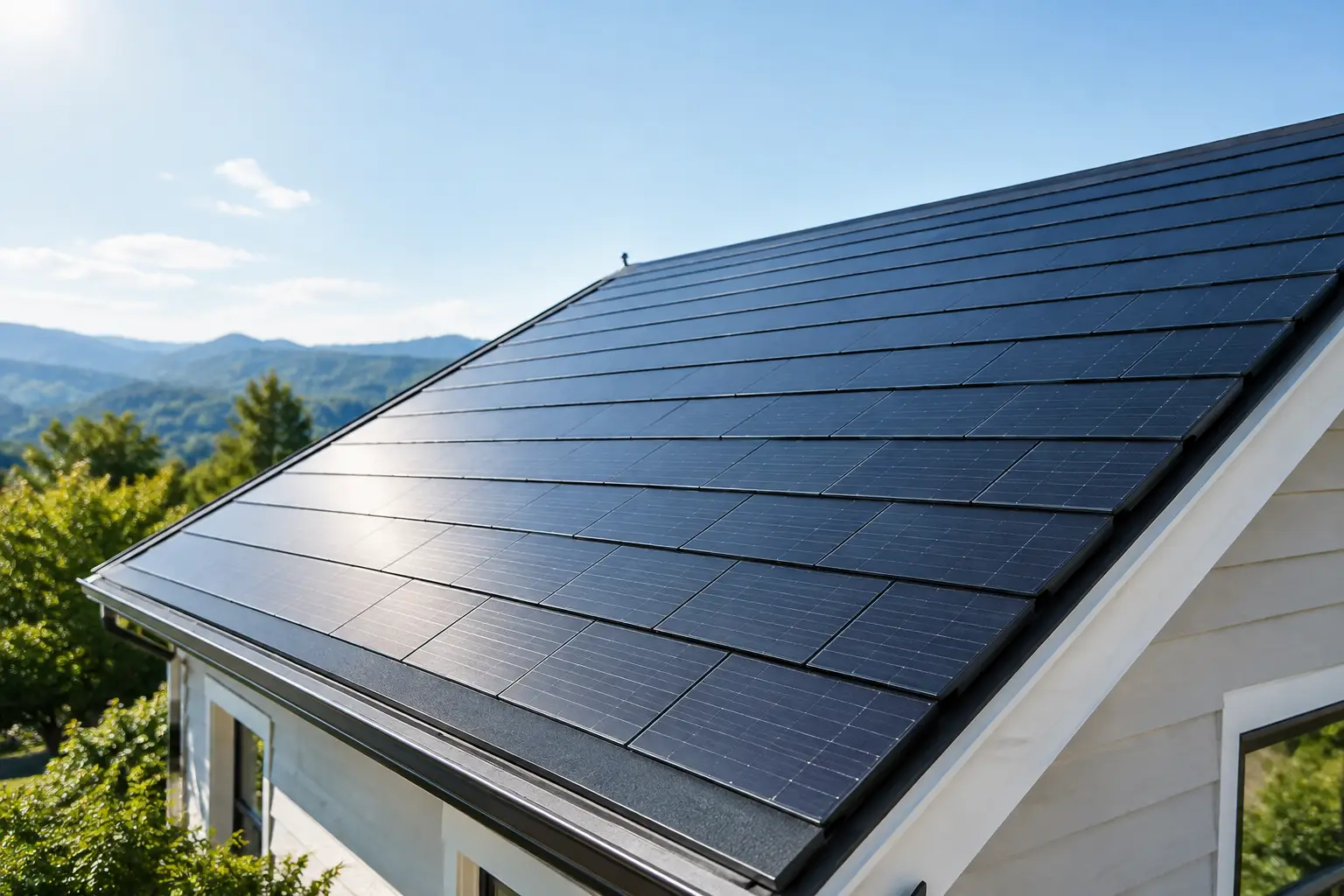
Solar shingles, sometimes called solar roof tiles, are photovoltaic roofing products that convert sunlight into electricity. They are installed in sections of a roof and connect to an electrical system that includes wiring, inverters, monitoring equipment, and usually a utility interconnection.
They differ from traditional solar panels in both appearance and installation. Conventional panels are mounted on racks above the roofing material. Solar shingles are integrated into the roof assembly itself, typically replacing part of the roofing surface on the sun-facing slopes.
The finished result can be more subtle than a panel array, especially on homes where curb appeal matters. That does not mean the roofing work is simpler. An integrated solar roof requires careful coordination among roofing professionals, electricians, and the solar system provider. Every penetration, flashing detail, transition, and wire path must protect the building from water intrusion for the long term.
When Solar Shingles Make Sense
Solar shingles are most practical when a roof is already due for full replacement or is being installed as part of new construction. Removing a roof that still has many years of useful life simply to install an integrated solar product can make the economics less attractive.
They are often a strong fit for owners who want solar generation but prefer a cleaner exterior appearance than rack-mounted panels provide. This can be particularly relevant for premium homes, visible front-facing roof slopes, and properties where the roofline is a major architectural feature.
A solar shingle system also needs sufficient usable roof area with good sunlight exposure. South-facing slopes are often productive, but east- and west-facing slopes may work well depending on the property, energy goals, and system design. Heavy shade from mature trees, neighboring buildings, chimneys, dormers, and roof equipment can reduce output significantly.
In Connecticut, snow coverage is another consideration. Solar roofing can still produce power in a four-season climate, but snow accumulation may temporarily limit production. Roof pitch, orientation, local weather patterns, and the system’s layout all affect performance. A realistic proposal should model anticipated annual production rather than rely on broad claims about savings.
The Benefits of an Integrated Solar Roof
The primary benefit is visual integration. Solar shingles can give a roof a more finished, less mechanical appearance than a raised panel system. For owners investing in a high-end replacement, that design consideration can carry real value.
Because the roofing and solar components are planned together, the project can also avoid some of the sequencing issues that occur when panels are added years after a new roof is installed. A properly coordinated installation establishes the roofing details, electrical pathways, and service access from the beginning.
There is also a practical long-term advantage to handling the roof first. Conventional solar panels may need to be removed and reinstalled if the roof beneath them reaches the end of its life. Starting with an integrated solar roof during a replacement can reduce the risk of duplicating work later, provided the selected system has a proven support plan and compatible replacement components.
For commercial buildings, the appearance benefit may be less important than the operational one. An integrated solar solution may be worth considering during a major roof renovation when energy costs are high, roof space is available, and the owner has a clear plan for ownership, maintenance, and utility coordination.
Cost and Performance Trade-Offs
Solar shingles generally cost more than a conventional asphalt roof paired with standard rack-mounted solar panels. The product itself is specialized, installation is more involved, and labor must account for both roofing and electrical work. The final investment depends on roof size, pitch, complexity, electrical capacity, product availability, required upgrades, and the amount of solar generation desired.
They may also produce less electricity per square foot than some conventional panel systems. Panels can be positioned and angled to maximize production, while shingles must follow the roof’s shape and orientation. A roof with multiple small slopes, valleys, hips, skylights, or shaded areas can limit the amount of productive solar surface.
That does not make solar shingles a poor choice. It means the decision should balance aesthetics, energy production, roof replacement timing, and budget. Owners focused on the highest possible electrical output for the lowest installed cost may prefer conventional panels. Owners who place greater value on a refined roof appearance and are already replacing the roof may find the integrated approach more compelling.
Product availability and warranty terms deserve close review as well. Roofing warranties, solar component warranties, workmanship coverage, and electrical equipment coverage may come from different parties. Before work begins, property owners should understand who is responsible if a leak develops, a shingle fails, monitoring shows a production issue, or a future roof repair is needed.
Roofing Details Cannot Be an Afterthought
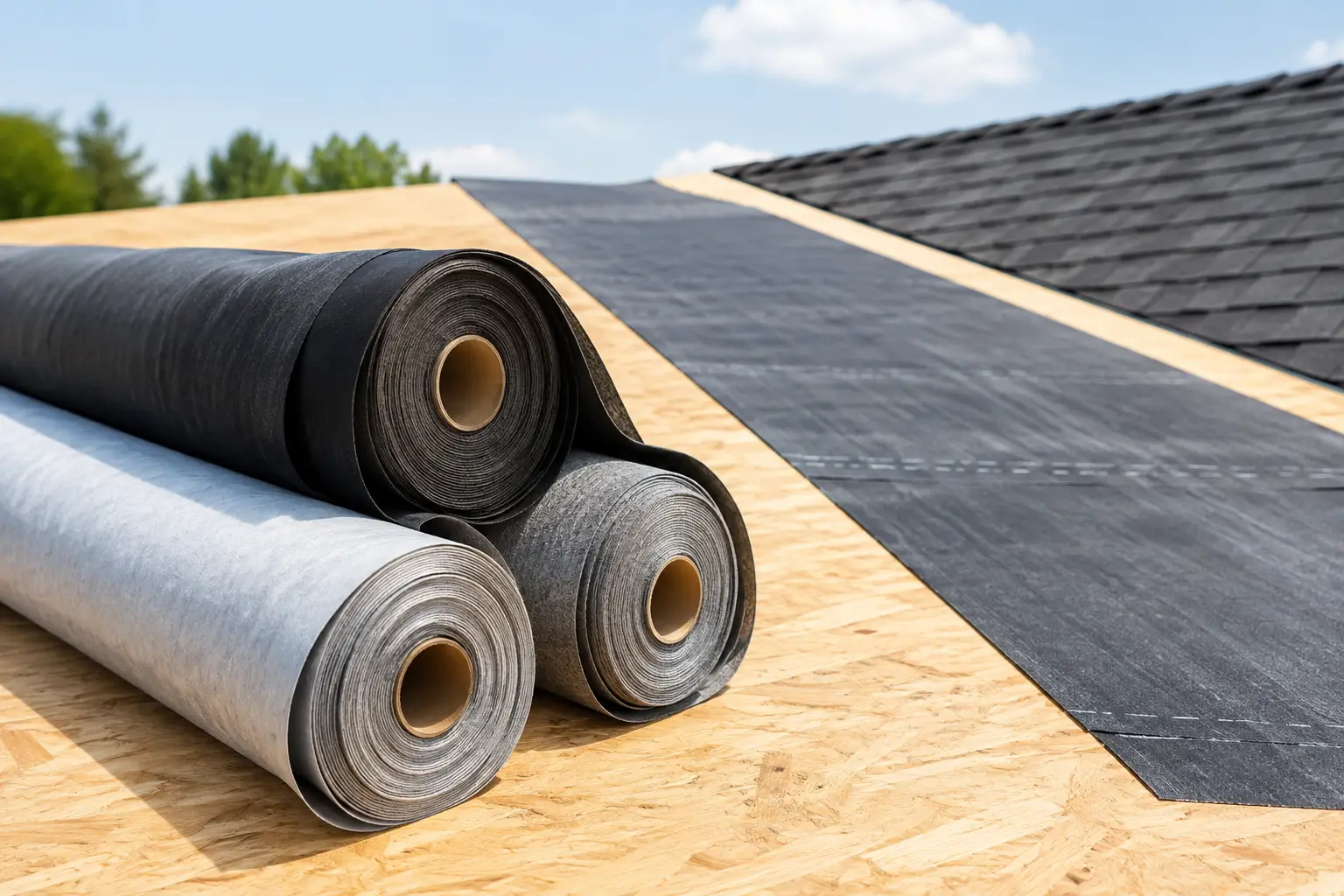
A solar roof is still a roof first. In Norwalk and throughout coastal Fairfield County, roofing systems must handle wind-driven rain, freeze-thaw cycles, ice dams, humidity, and occasional severe storms. Solar components do not eliminate the need for dependable underlayment, proper flashing, balanced attic ventilation, and sound deck conditions.
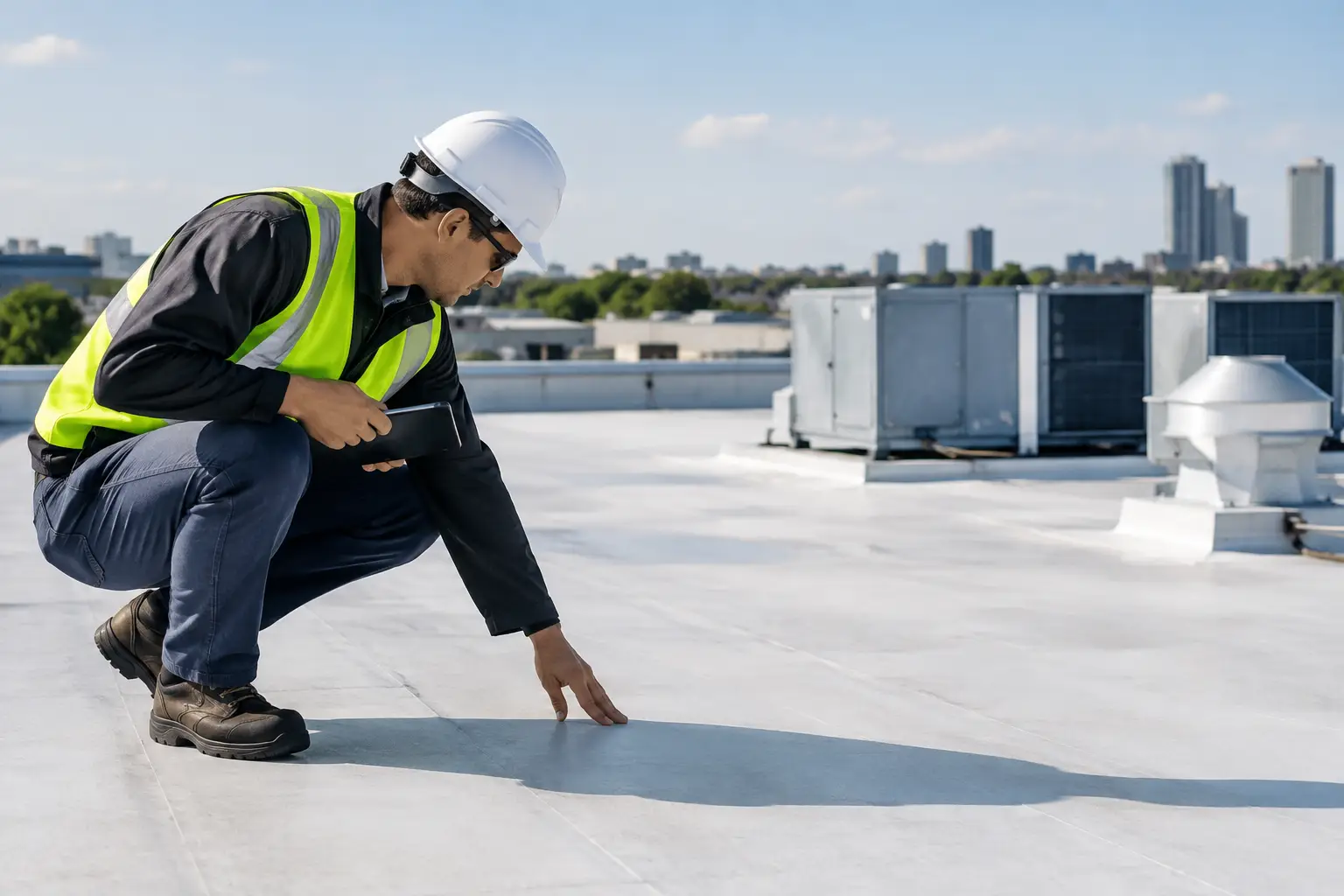
The roof deck should be inspected before installation for rot, moisture damage, inadequate fastening, or structural concerns. If repairs are needed, they should be addressed before the solar roofing system is installed. Covering an existing problem with a sophisticated new roof system only makes future repairs more disruptive and expensive.
Ventilation also matters. Excess attic heat and trapped moisture can shorten the life of conventional roofing materials and create indoor comfort issues. The roof assembly should be designed as a complete system, with intake and exhaust ventilation sized appropriately for the building. Electrical components and wiring routes must be planned without compromising those roofing functions.
Historic and architecturally sensitive homes require an additional layer of care. Roof geometry, visible detailing, slate or cedar materials, and local approval requirements can affect whether solar shingles are appropriate. In some cases, a carefully designed conventional solar array on a less visible slope may be the more practical option.
Questions to Ask Before You Commit
Before selecting solar shingles, start with the roof’s condition and the property’s energy goals. Ask whether the roof needs replacement now, how much unshaded space is available, and what annual production is realistically expected. Request a clear explanation of the proposed roofing assembly, electrical equipment, warranty responsibilities, maintenance requirements, and future repair procedures.
It is also wise to ask how the system will perform during utility outages. Many grid-connected solar systems shut down when the grid is down unless they are designed with battery storage or specific backup equipment. Generating power on a sunny day is not automatically the same as having emergency power during a storm.
For property owners considering an integrated solar roof, the best first step is a thorough roof evaluation rather than a quick product quote. Rick’s Main Roofing can help assess the condition, design, and replacement needs of your existing roof so the decision is built on sound roofing information. A solar investment should add value to a property without compromising the protection that the roof is there to provide.