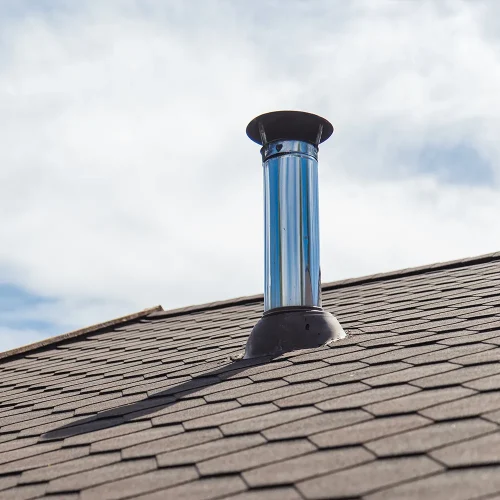

A roof problem in Norwalk rarely starts with a dramatic collapse. More often, it begins with a small flashing gap after a coastal storm, shingles loosened by winter wind, or moisture working its way in around a vent pipe. That is why a roof inspection Norwalk CT property owners schedule at the right time can prevent a much larger repair bill later.
For homeowners and commercial property managers alike, inspection is not just about finding visible damage. It is about understanding how a roof system is performing under local conditions. In Norwalk, that means salt air near the coast, freeze-thaw cycles in winter, heavy rain, humidity, aging ventilation systems, and occasional storm impacts that do not always leave obvious signs from the ground.
Why roof inspection in Norwalk CT matters more than many owners think
A roof is a system, not just a layer of shingles or membrane. The visible surface matters, but so do underlayment, flashing, ventilation, drainage, decking, penetrations, and transitions around chimneys, skylights, and walls. A failure in any one of those areas can lead to leaks, wood rot, mold, insulation damage, or interior staining.
In Norwalk, weather adds another layer of risk. Winter ice dams can force water backward under roofing materials. Spring and summer storms can lift shingles or damage metal flashing. On coastal and near-coastal properties, wind exposure and moisture can shorten the life of vulnerable components. Older homes and historic structures may also have roof details that require a more experienced eye, especially when slate, cedar, or specialty systems are involved.
For commercial buildings, the stakes are just as high. Small membrane splits, ponding water, open seams, and drainage issues can turn into operational disruption fast. An inspection helps property owners address problems before inventory, equipment, tenant spaces, or customer areas are affected.
When to schedule a roof inspection Norwalk CT service
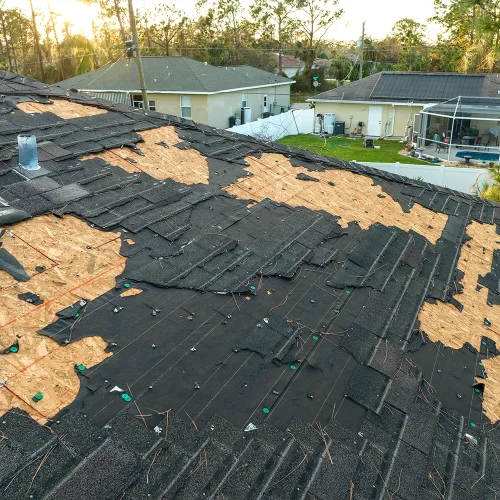
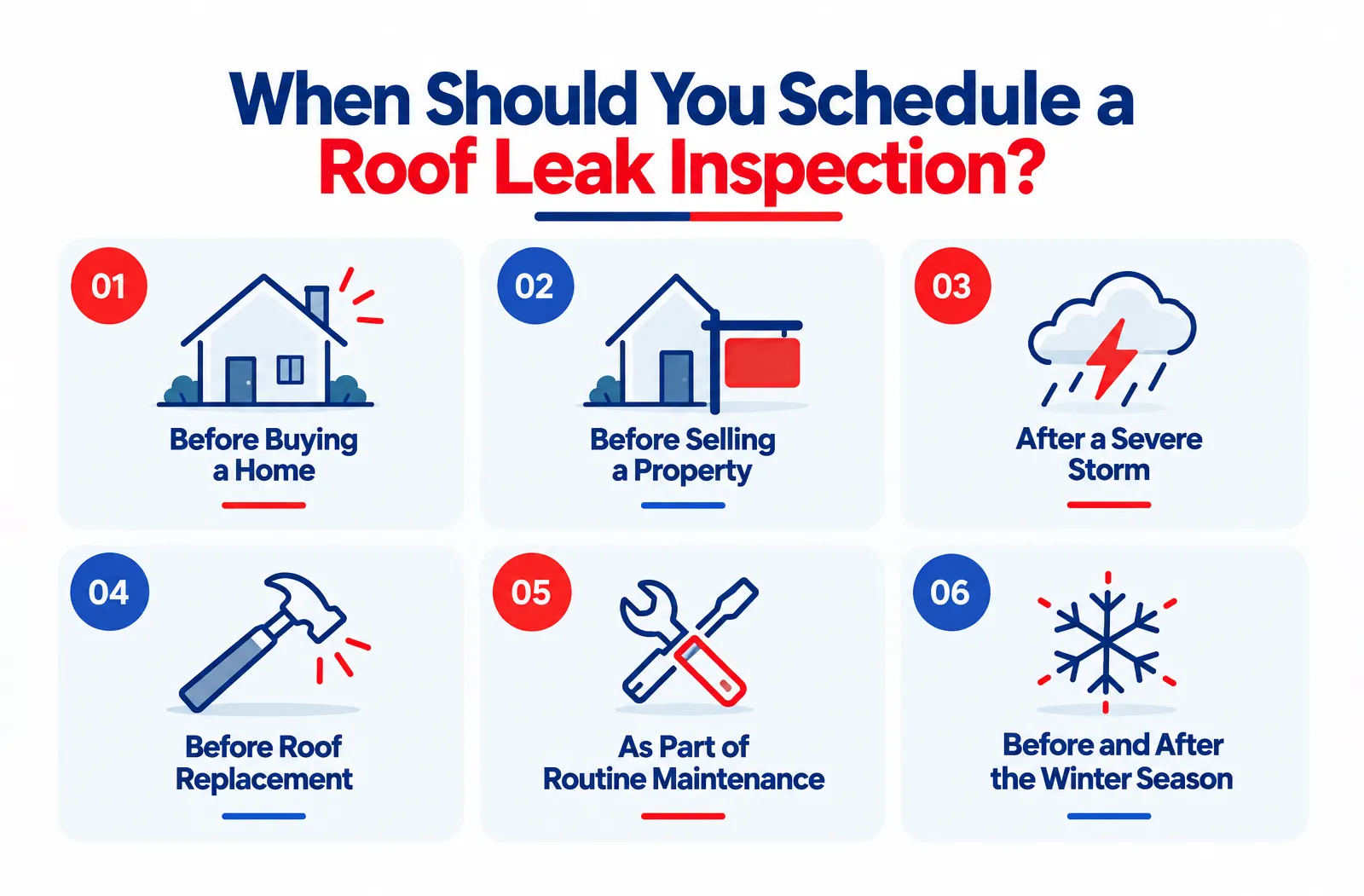
There is no single rule that fits every building, but there are clear moments when an inspection makes sense. After a strong storm is one of them, especially if your property experienced high winds, heavy rain, falling limbs, or ice buildup. Even if there is no active leak, hidden damage can shorten roof life.
Seasonal timing also matters. Many property owners benefit from an inspection in spring to assess winter wear, or in fall to prepare for freezing temperatures and snow. If your roof is older, if you have repaired the same area more than once, or if you are noticing interior warning signs like ceiling stains or musty attic air, waiting usually works against you.
A roof inspection is also smart before buying or selling property, before a major renovation, or as part of an annual maintenance plan. Commercial owners and managers often gain the most from regular scheduled inspections because they reduce surprises and improve budgeting.
What a professional roof inspection should cover
A proper inspection is more than a quick glance from the driveway. It should evaluate the condition of the full roofing system and note both current damage and developing weaknesses.
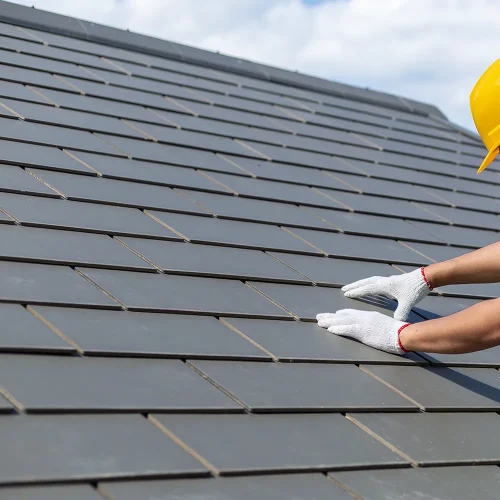
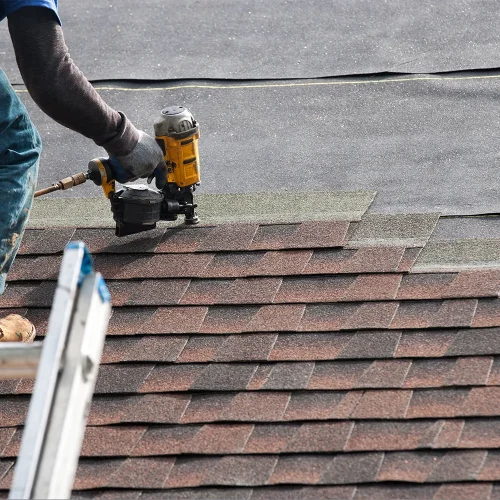
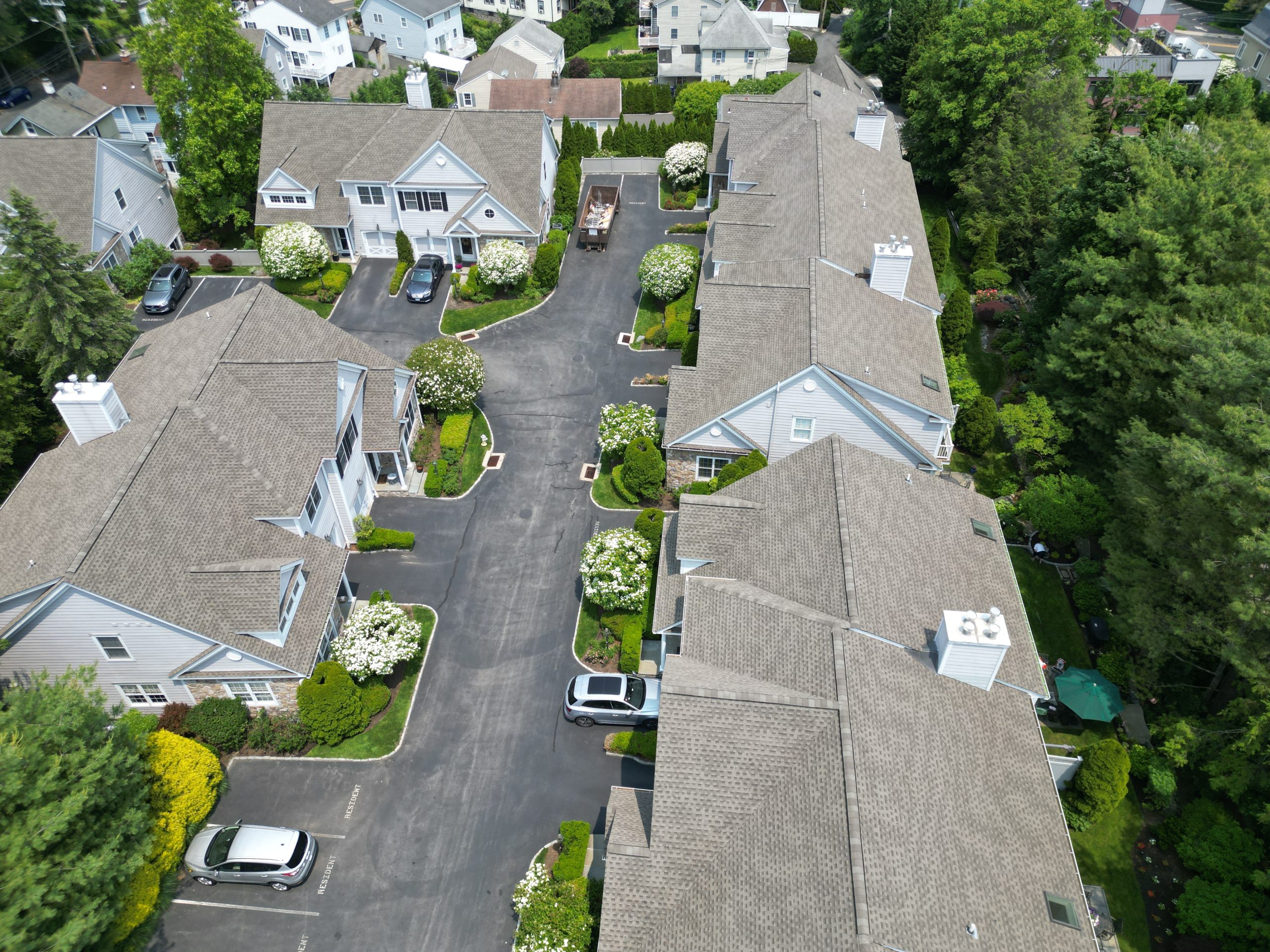
On an asphalt shingle roof, that may include checking for missing, curled, cracked, or granule-worn shingles, damaged ridge caps, exposed nail heads, loose flashing, and signs of improper ventilation. On cedar or slate roofs, the inspection should look for material-specific issues such as splits, slipping pieces, aging fasteners, and weak transition points.
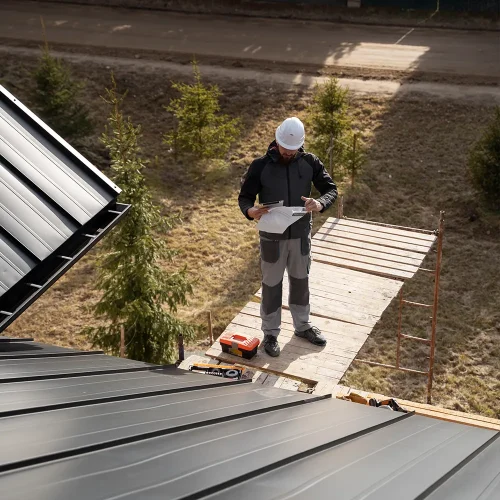
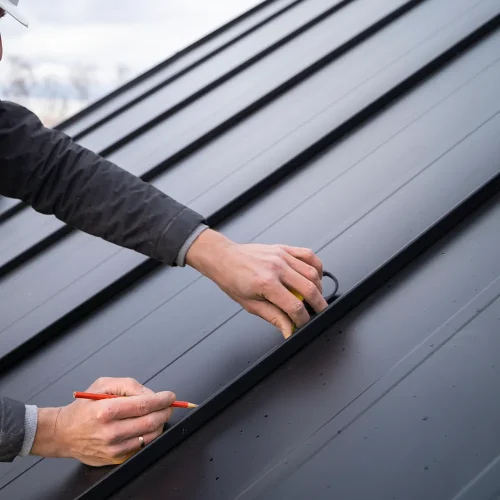
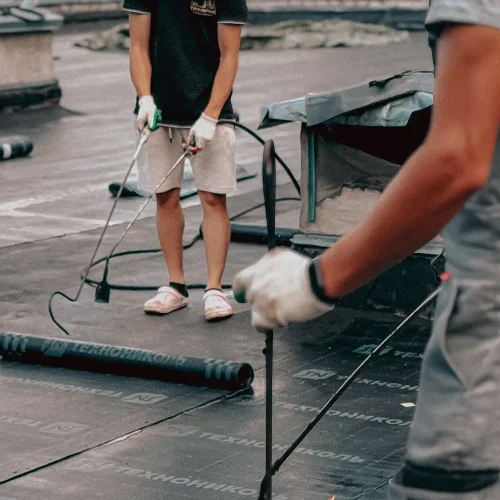
For rubber, flat, or low-slope commercial systems, the focus often shifts to membrane condition, seam integrity, punctures, drainage performance, flashing details, and evidence of ponding. Metal roofs require attention to panel movement, fasteners, sealants, and corrosion, especially in exposed environments.
The attic or interior can tell an equally important story. Water staining, wet insulation, mold growth, poor airflow, and signs of condensation may point to roof or ventilation problems that are not obvious outside. In many cases, the source of a leak is not directly above the stain, so experience matters when tracing causes accurately.
Common issues found on Norwalk roofs
In this area, some roof problems show up again and again. Wind damage is common, particularly on edges, ridges, and older roofing systems where adhesion has weakened over time. Ice dam damage is another frequent issue, especially on homes with poor insulation or ventilation. Water can back up under shingles and create hidden deterioration before a leak ever appears on a ceiling.
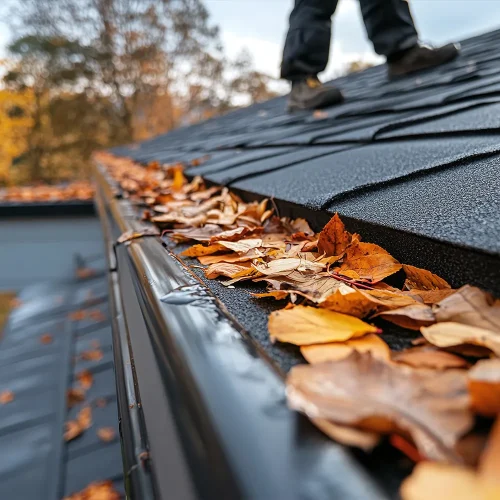
Flashing failures are also common around chimneys, skylights, dormers, and roof-to-wall intersections. These are vulnerable areas on both residential and commercial buildings. Gutters and drainage systems often contribute to roof wear too. If water is not moving off the roof properly, it can stress materials and increase the chance of infiltration.
On aging roofs, normal wear may be the main story. Materials break down gradually, sealants shrink, and small repairs from years past may no longer be holding. That does not always mean full replacement is immediately needed, but it does mean the roof should be evaluated honestly. Sometimes targeted repair and maintenance can add useful life. Sometimes replacement is the more cost-effective choice. It depends on the age of the system, the extent of deterioration, and whether problems are isolated or widespread.
Inspection, repair, or replacement – knowing the difference
One of the biggest concerns property owners have is whether an inspection will automatically lead to a recommendation for a new roof. A trustworthy contractor should not approach it that way. The purpose of inspection is to determine condition and give a realistic recommendation based on what the roof actually needs.
If damage is limited to a small section, flashing detail, or isolated storm impact, repair may be the right move. If the roof is structurally sound but needs maintenance, that should be stated clearly. If the roof has reached the end of its service life, has repeated leaks, or shows broad system failure, replacement may be the safer long-term investment.
That distinction is especially important for higher-value homes, historic properties, and commercial facilities. The wrong recommendation can either waste money or delay needed work until interior damage becomes worse. An experienced local roofer should be able to explain not just what is wrong, but why it matters and what happens if it is left alone.
Why local experience matters in Norwalk
Roofing in coastal Connecticut is not the same as roofing in an inland market with milder weather and less moisture exposure. Local knowledge matters because inspection is not just about spotting textbook damage. It is about recognizing patterns caused by this climate, these building styles, and these materials.
A contractor familiar with Norwalk properties will understand the effect of shoreline exposure, older housing stock, steep-slope architecture, and seasonal temperature swings. They will also know how different roofing materials behave over time in this environment. That can make a real difference in diagnosing issues early and recommending practical next steps.
This is where certifications and a broad service background matter as well. A company that handles inspection, repair, maintenance, emergency response, and full replacement across residential and commercial systems brings stronger perspective than one focused on only a narrow slice of roofing work.
What to expect after the inspection
Once the inspection is complete, you should expect a clear explanation of the roof’s condition. That includes the issues found, the urgency level, and whether the recommendation is maintenance, repair, or replacement. Good communication matters here. Property owners should not be left guessing about severity or timing.
If storm damage is involved, documentation may also be helpful for insurance discussions. If the roof is still serviceable, the next best step may be preventive maintenance and a plan to monitor certain areas. If repairs are needed, acting promptly usually keeps costs more controlled. If replacement is the right answer, early planning gives you more flexibility on materials, scheduling, and budget.
For property owners looking for dependable roofing support, this is exactly where an experienced local contractor such as Rick’s Main Roofing brings value. The right inspection is not a sales pitch. It is a professional assessment that helps you protect the building, avoid preventable damage, and make a sound decision with confidence.
A roof does not need to be actively leaking to deserve attention. If something feels off, if a storm just rolled through, or if it has simply been too long since anyone took a close look, getting ahead of the problem is often the smartest move you can make.