

A small stain on a ceiling tile can be the first visible sign of a much larger roofing problem. By the time water reaches an occupied space, it may have traveled beneath the roof membrane, saturated insulation, and begun affecting decking or interior finishes. This guide to commercial roof inspections helps property owners and facility managers identify what should be checked, when to schedule inspections, and when a repair needs immediate attention.
For commercial buildings in Norwalk and throughout Fairfield County, roof performance is shaped by more than age alone. Heavy rain, wind-driven coastal weather, freeze-thaw cycles, snow loads, clogged drainage, and rooftop equipment can all shorten a roof system’s useful life. A planned inspection program gives decision-makers clearer information before a minor defect becomes a disruptive expense.
What a Commercial Roof Inspection Covers
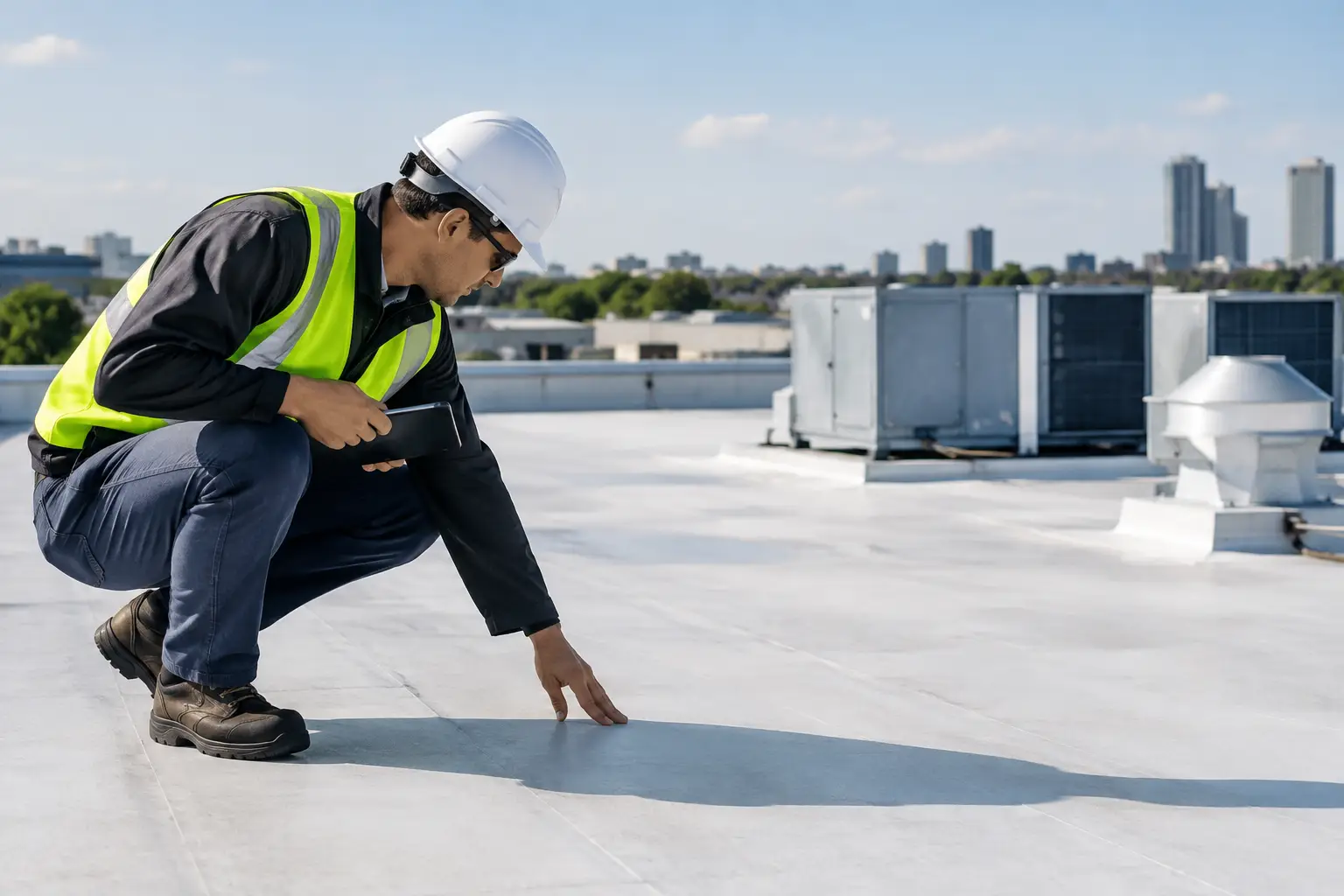
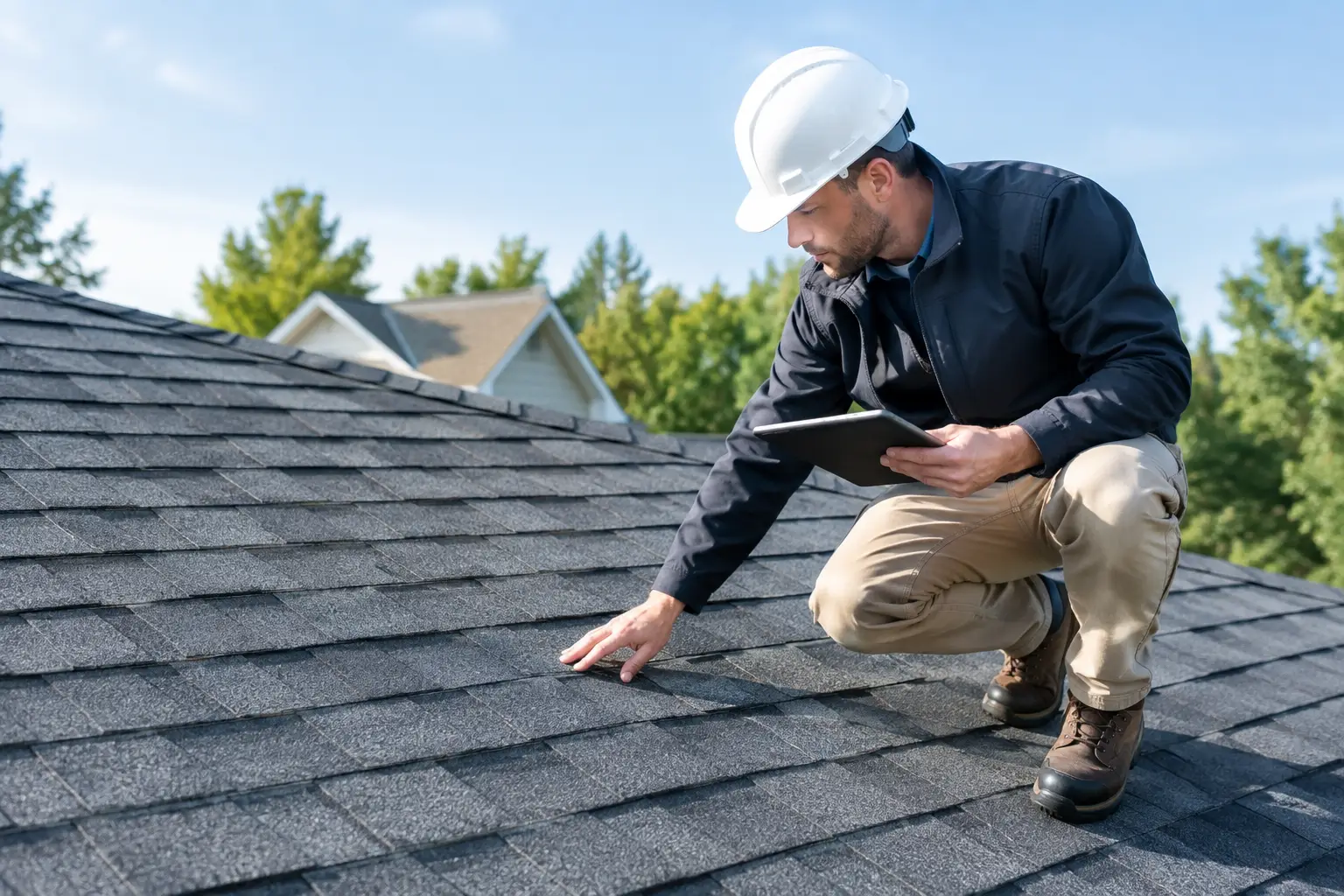
A professional inspection is not simply a walk across the roof looking for obvious holes. The inspector evaluates the roof as a complete system: the membrane or surface material, insulation, drainage, flashings, penetrations, edges, seams, and conditions below the roof deck. The goal is to locate active leaks, vulnerable areas, installation concerns, and maintenance issues that could lead to failure.
The scope depends on the building and roofing system. A low-slope rubber roof requires close attention to seams, field membrane condition, drains, scuppers, and ponding water. Metal roofing requires examination of panels, fasteners, sealants, laps, and expansion-related movement. Steep-slope commercial roofs may involve asphalt shingles, slate, or other materials, each with different failure points.
An experienced inspector also considers how the roof is being used. HVAC units, exhaust systems, solar equipment, antennas, foot traffic, and service access paths can create concentrated wear. The roof may be sound in most areas while repeatedly developing problems around one poorly flashed curb or frequently traveled route.
Surface Condition and Material Wear
The visible roof surface often provides the first clues. On membrane systems, an inspection may reveal punctures, open seams, cracking, blistering, shrinkage, exposed reinforcement, or previous patches that are no longer secure. On built-up systems, the inspector looks for splits, loose surfacing, deteriorated flashings, and areas where water may be entering between layers.
Not every surface imperfection calls for replacement. A localized puncture or failed seam may be repaired effectively when the surrounding roof remains in good condition. Widespread brittleness, recurring leaks, saturated insulation, or extensive seam failure suggests a larger conversation about restoration or replacement.
Flashings, Penetrations, and Roof Edges
Many commercial leaks begin where the roof transitions around an object or terminates at an edge. Flashings around pipes, vents, skylights, HVAC curbs, parapet walls, and drains receive close attention because they experience movement and weather exposure. Sealant can dry out or pull away over time, while flashing materials can crack, corrode, or separate from the wall.
Roof edges matter just as much. Loose coping, damaged fascia, deteriorated drip edges, and unsecured perimeter details can allow wind to work beneath the roofing system. In coastal and storm-prone Connecticut locations, these areas deserve careful review after severe weather.
Drainage and Ponding Water
Standing water is not always an emergency, but it should never be ignored. On a low-slope roof, water that remains for more than 48 hours after rainfall can accelerate material deterioration, add weight to the roof structure, and expose drainage shortcomings. The cause may be blocked drains, undersized drainage, damaged scuppers, settlement, or roof areas that were not properly sloped.
An inspector should check drains, strainers, gutters, downspouts, scuppers, and overflow paths. Leaves, roofing debris, and even a loose piece of membrane can obstruct drainage. A simple cleaning may solve the immediate concern, while persistent ponding may require a more detailed drainage or roofing evaluation.
When to Schedule Commercial Roof Inspections
Most commercial properties benefit from a professional inspection at least twice a year, commonly in the spring and fall. Spring inspections identify damage left by winter weather, ice, and freeze-thaw movement. Fall inspections help prepare the roof and drainage system for leaves, snow, and cold temperatures.
A roof should also be inspected after a significant storm, especially when there has been high wind, hail, driving rain, fallen branches, or visible damage to nearby buildings. Waiting for an interior leak is risky. Storm damage can begin as a lifted edge, compromised seam, or displaced flashing that becomes a leak during the next weather event.
Additional inspections are wise after rooftop equipment is installed or serviced. Contractors working around HVAC units or other penetrations can accidentally damage a membrane, leave debris behind, or disturb a flashing detail. This is not an accusation against every trade professional. It is a practical quality-control measure that protects the building owner.
Warning Signs That Need Prompt Attention
Building occupants often notice a roofing issue before anyone reaches the roof. Water stains, peeling paint, damp insulation, musty odors, bubbling wall finishes, or dripping near exterior walls may indicate water intrusion. These signs should be documented and evaluated promptly, even if the leak seems to stop after the weather clears.
Outside, watch for loose or missing roofing material, sagging gutters, visible membrane damage, displaced metal edging, overflowing drains, or vegetation growing from drainage areas. Energy costs can also offer a clue. If a building is becoming harder to heat or cool, wet insulation or gaps in the roofing assembly may be contributing to the problem.
Do not assume the leak is directly above the interior stain. Water can travel along the roof deck, insulation, structural members, or mechanical lines before it appears indoors. A professional assessment is the best way to trace the actual entry point and recommend the right repair.
A Practical Commercial Roof Inspection Checklist
A thorough inspection should produce more than a verbal opinion. Property managers need usable information for maintenance planning, budget discussions, insurance documentation, and repair decisions. The inspection record should identify observed conditions, note locations, include photographs when appropriate, and distinguish between immediate repairs and items to monitor.
A useful report commonly addresses these areas:
- Roof surface condition, including cracks, punctures, blisters, splits, exposed areas, and aging repairs.
- Seams, flashing details, penetrations, expansion joints, parapet walls, and perimeter edges.
- Drains, scuppers, gutters, downspouts, strainers, and signs of ponding water.
- Rooftop equipment areas, traffic paths, debris accumulation, and damage caused by service activity.
- Interior evidence of moisture, deck concerns, insulation issues, and locations of reported leaks.
The recommended action should be proportional to the finding. An inspection is most valuable when it separates routine maintenance from urgent repair work and identifies conditions that should be budgeted for before they become emergencies.
Repair, Maintenance, Restoration, or Replacement?
The right recommendation depends on the roof’s age, material, leak history, drainage, insulation condition, and extent of damage. A newer roof with isolated defects may only need targeted repairs and better maintenance. An older roof that is generally dry but weathered may be a candidate for restoration, depending on its material and condition. A roof with widespread deterioration or moisture trapped within the system may need replacement.
Cost matters, but the lowest immediate cost is not always the lowest long-term cost. Repeated spot repairs can make sense for a limited problem. They can also become an expensive cycle when the roof has reached the end of its serviceable life. A qualified roofing contractor should explain the evidence behind the recommendation rather than pushing a one-size-fits-all solution.
Protecting Your Building Between Inspections
Facility teams can reduce avoidable roof damage by keeping drains clear, limiting unnecessary foot traffic, using designated walk pads where needed, and reporting interior moisture quickly. Avoid allowing untrained personnel to make temporary repairs with incompatible sealants or materials. A patch that appears to stop a leak can trap water, interfere with a future repair, or void manufacturer requirements.
Maintain records of inspections, repairs, leaks, and rooftop work. Over time, this history makes patterns easier to spot and helps owners make better capital planning decisions. It can also support warranty and insurance conversations when damage occurs.
Rick’s Main Roofing provides commercial roof inspections, maintenance, repairs, and emergency response for property owners who need clear recommendations and dependable workmanship. A scheduled inspection is a practical way to protect occupants, preserve the building, and address roofing concerns while there is still time to choose the right solution rather than react to a crisis.