

A roof in Fairfield County has to handle more than ordinary rain. It may face wind-driven coastal storms, heavy snow, freeze-thaw cycles, ice dams, humid summers, and falling branches in the same year. This standing seam metal roof review looks at whether this premium roofing system delivers enough long-term value to justify its higher initial cost for Connecticut homes and commercial properties.
Standing seam metal is not the right answer for every building. However, when the roof design, installation details, and material selection are handled correctly, it is among the most durable and weather-resistant systems available for steep-slope roofs.
Standing Seam Metal Roof Review: What Makes It Different?
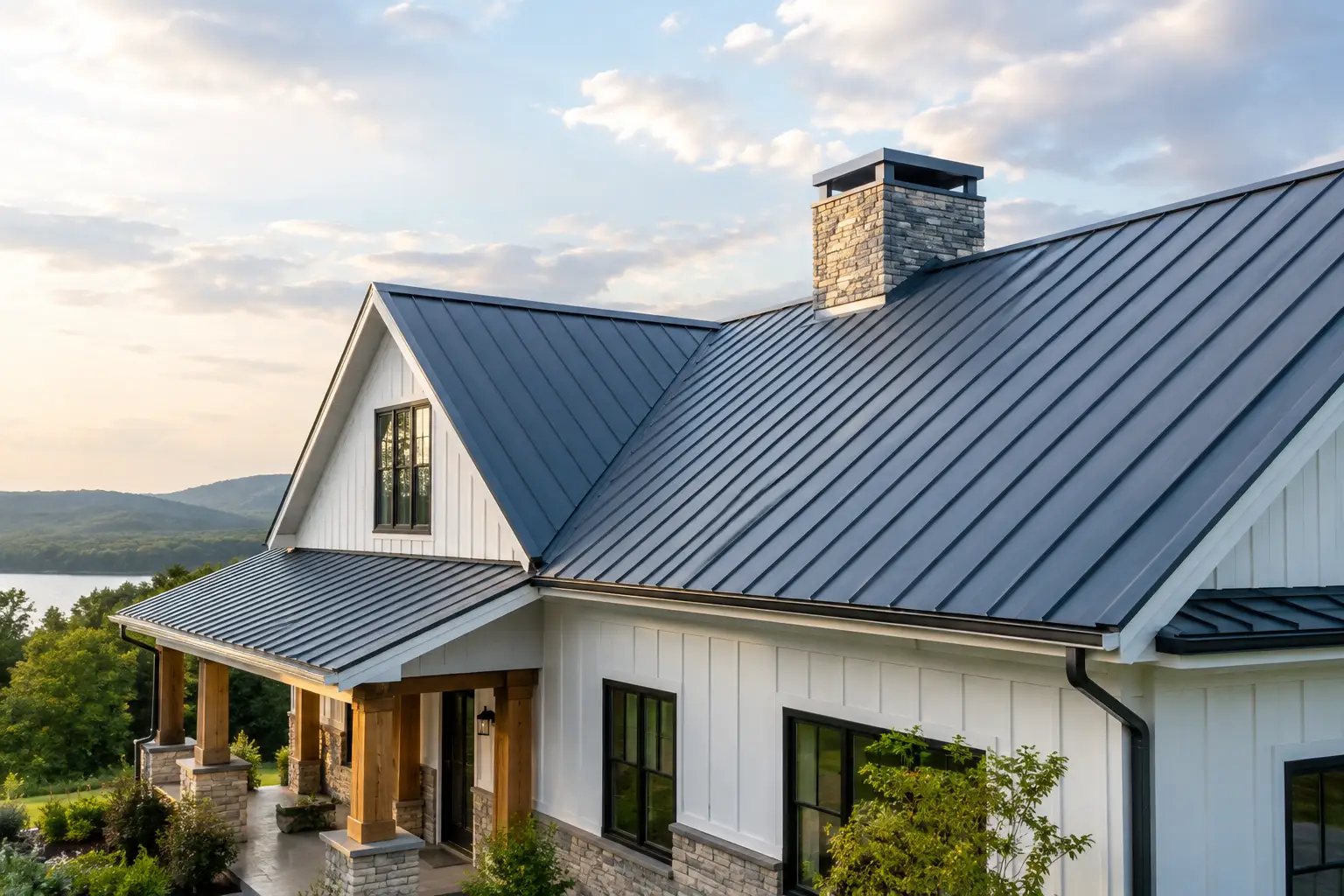
A standing seam roof is made from long metal panels that run from the ridge to the eaves. The vertical seams where panels meet are raised above the plane of the roof, which helps direct water away from the fastening system. Unlike many exposed-fastener metal roofs, the fasteners on a standing seam system are generally concealed beneath the panels or seam connections.
That design is a major reason the system performs well over time. Fewer exposed fasteners means fewer locations where gaskets can age, loosen, or become a source of leakage. It also creates a clean, architectural appearance that works especially well on contemporary homes, coastal properties, barns, churches, and higher-end residential projects.
Panels are commonly formed from painted steel, aluminum, zinc, or copper. In this area, painted steel and aluminum are frequent choices. Steel offers strength and a wide range of colors, while aluminum can be a strong option near saltwater because it does not rust. The best choice depends on the property’s location, roof design, budget, and expected service life.
The Benefits That Matter in Connecticut
The strongest case for standing seam metal is not simply its appearance. It is the combination of longevity, weather protection, and lower maintenance demands when compared with many other roofing materials.
Long service life
A properly installed standing seam metal roof can last decades longer than a typical asphalt shingle roof. The exact lifespan depends on the panel material, coating, ventilation, installation quality, and local exposure, but it is reasonable for owners to view metal as a long-term investment rather than a short-cycle replacement.
That can be particularly valuable for homeowners planning to stay in their property and for commercial owners seeking more predictable capital expenses. A roof that stays in service longer may reduce the disruption, labor costs, and disposal associated with repeated roof replacements.
Better shedding of rain and snow
The raised seam profile and smooth panel surface help water move quickly toward the gutters. Snow can also slide off metal more readily than it does from rougher roofing surfaces. This can reduce the length of time that moisture sits on the roof, especially on steeper slopes.
There is an important trade-off: snow that releases from a metal roof can come down quickly and with considerable force. Snow guards may be necessary over walkways, driveways, decks, HVAC equipment, and entry points. They must be designed and attached properly for the roof system, not added as an afterthought.
Strong wind and storm performance
Standing seam metal can perform very well in high-wind conditions when panel width, clip spacing, substrate attachment, edge metal, and flashing details are designed for the building. This is especially relevant for coastal Connecticut properties, where wind-driven rain can test every transition and roof penetration.
Metal itself is not a guarantee against storm damage. A falling limb can dent panels, and poorly secured flashing can fail regardless of the roofing material. The difference is that a professionally installed standing seam system is engineered around secure attachment and water management rather than relying on exposed screws across the roof field.
Fire resistance and appearance
Metal roofing is noncombustible, which can be a meaningful consideration in heavily wooded settings or on buildings where fire resistance is a priority. It also gives property owners more design flexibility than many people expect. Modern panel profiles and factory finishes can suit traditional homes, historic renovations, and more contemporary architecture.
Color selection deserves careful thought. Dark colors can create a dramatic appearance, but they may show pollen, salt residue, and dents more readily in certain settings. Lighter colors can help reflect heat and often coordinate well with coastal and colonial-style properties.
Where the Cost Difference Comes From
The most common concern in any standing seam metal roof review is price. Standing seam costs more upfront than a conventional asphalt roof because the material, fabrication, accessories, and installation labor are more specialized.
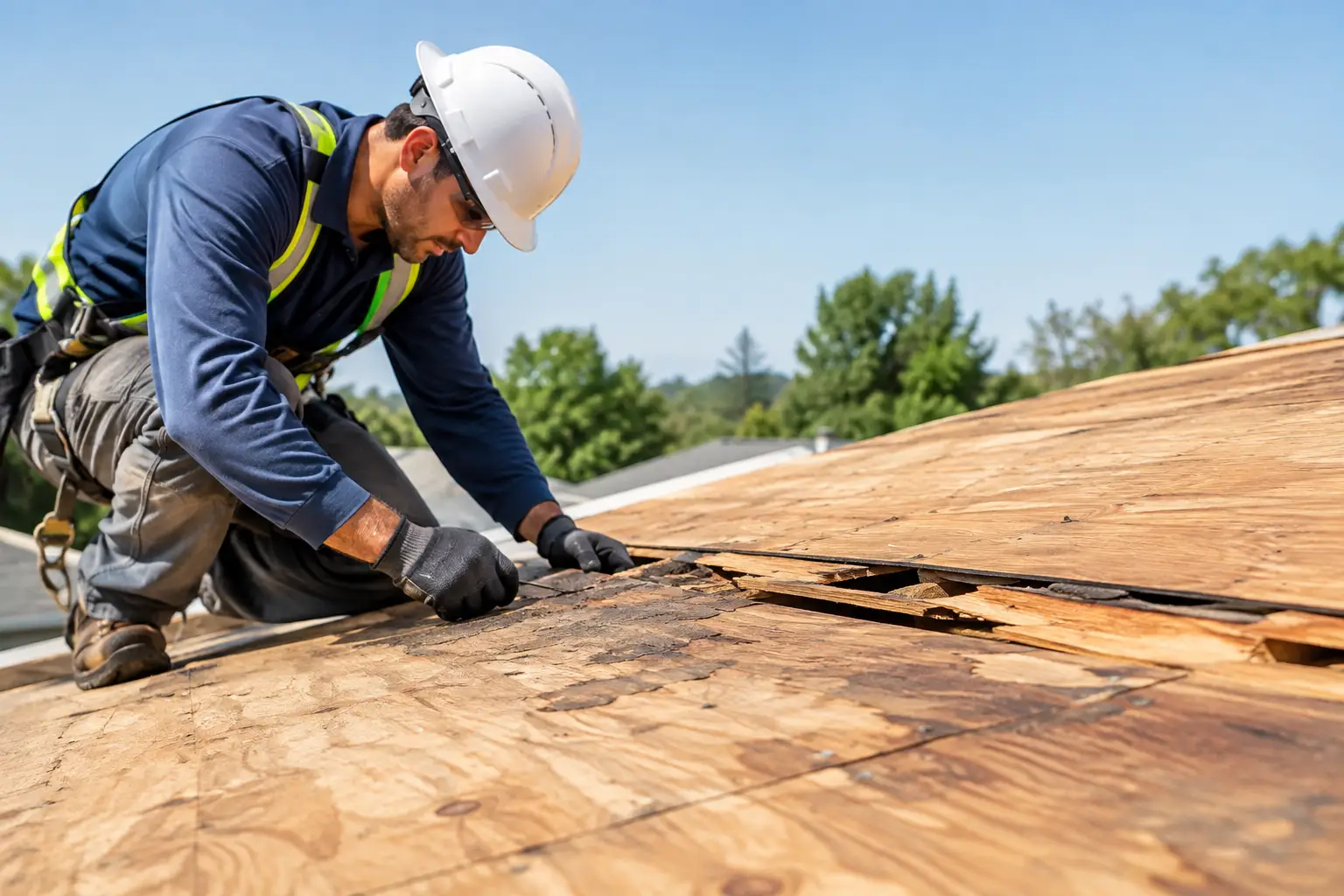
The final investment is influenced by roof size, pitch, panel material, panel width, existing roof removal, deck condition, skylights, chimneys, valleys, wall transitions, and required custom flashing. A simple gable roof will be far less costly than a complex roof with multiple dormers and intersecting sections.
The material also matters. Aluminum and premium metals may be worth the added cost in a coastal environment, while painted steel may make sense for an inland property with a different exposure profile. The lowest proposal is not always the best value if it omits critical underlayment, snow retention, ventilation work, or custom flashing.
Property owners should compare proposals by scope, not by the bottom-line number alone. Confirm the panel type and gauge, finish warranty, underlayment, fastening method, flashing approach, ventilation plan, deck repairs, and cleanup responsibilities. These details determine how the roof will perform when weather is at its worst.
Installation Is the Deciding Factor
Standing seam metal is a precision roofing system. Long panels expand and contract as temperatures change, so clips, seams, fasteners, and penetrations must allow for movement while maintaining weather protection. Panels must be aligned correctly from the start, because small layout errors become highly visible across a large roof plane.
Flashing is equally important. Chimneys, skylights, sidewalls, valleys, pipe boots, and transitions to lower roofs need carefully fabricated components. Water rarely enters through the middle of a properly installed panel. Most roof leaks begin at details, penetrations, edges, or transitions where different materials meet.
Ventilation should be evaluated before installation as well. A metal roof cannot correct trapped attic moisture, inadequate insulation, or existing air leaks from the living space below. In fact, a long-lasting roof makes it even more important to address those underlying conditions so the deck and structure remain protected over time.
For historic properties, the planning stage may require added care. Roof lines, trim details, material compatibility, and local architectural considerations can affect the final design. The goal should be to improve weather protection without losing the character that makes the property valuable.
Maintenance Needs Are Lower, Not Zero
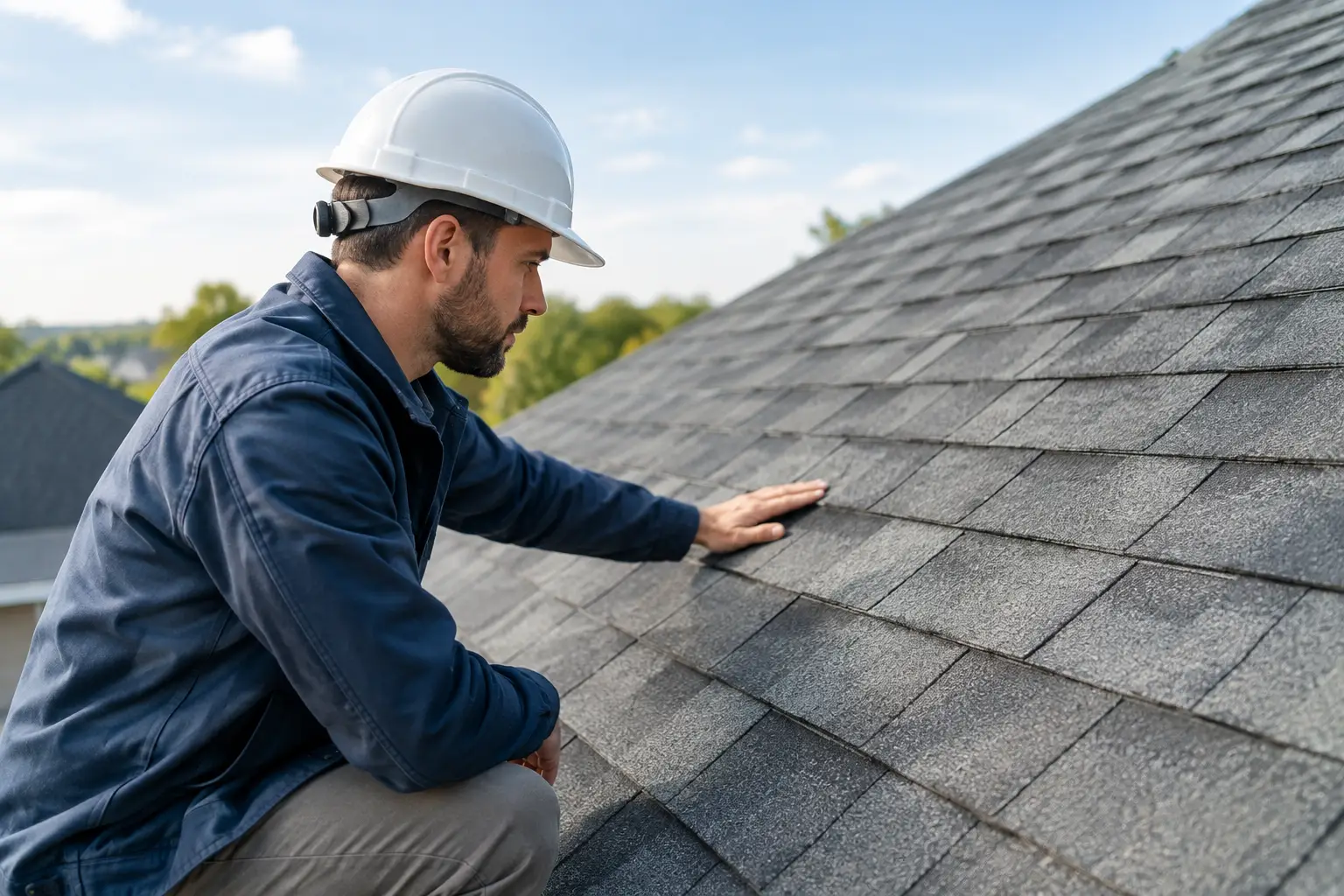
Standing seam metal roofs generally require less routine maintenance than many roofing systems, but they still need periodic professional attention. A roof inspection can identify loose flashing, damaged sealant at penetrations, clogged gutters, tree abrasion, storm-related dents, and debris collecting in valleys before these issues lead to interior damage.
Owners should avoid walking on metal panels unless they understand the manufacturer’s requirements and safe access procedures. Improper foot traffic can damage finishes, distort panels, or create safety hazards. After major storms, a visual inspection from the ground is useful, but a trained roofing professional should evaluate any suspected damage.
For coastal homes, periodic cleaning and inspection are especially worthwhile. Salt-laden air, windblown debris, and severe weather can affect components around the roof even when the panels themselves remain in good condition.
When Standing Seam May Not Be the Best Fit
A standing seam roof may be difficult to justify for a property that will be sold soon, a building with a very limited budget, or a roof that needs extensive structural repairs before any new system can be installed. It can also be less practical on highly complex roofs where panel layout and custom fabrication substantially increase labor costs.
Noise is another concern that comes up often. When metal is installed over proper sheathing, underlayment, insulation, and attic space, rain noise inside the home is usually not dramatically different from other roof types. Still, buildings with open ceilings or minimal insulation may need additional planning to manage sound and condensation.
The right roof is the one that fits the building, not simply the one with the longest advertised lifespan. Asphalt, cedar, slate, rubber, and metal each have appropriate applications. An honest recommendation should account for the property’s architecture, exposure, maintenance expectations, and financial goals.
For homeowners and property managers considering a metal roof in Norwalk or throughout Fairfield County, a site-specific inspection is the best place to start. Rick’s Main Roofing can evaluate the existing roof structure, drainage, ventilation, storm exposure, and detail work required for a standing seam system. A careful assessment now helps ensure that a premium roof delivers the protection and service life you expect for years to come.