

A roof can look sound from the street while the wood beneath its shingles is quietly deteriorating. This guide to roof decking repair helps Connecticut homeowners and property managers recognize when a leak, soft spot, or aging roof has moved beyond a surface-level concern. Decking is the structural layer that gives the entire roofing system a solid base. When it fails, new shingles alone will not provide a reliable repair.
What Roof Decking Does for Your Building
Roof decking, often called roof sheathing, is the layer of plywood or oriented strand board (OSB) attached directly to the roof framing. Underlayment, flashing, and the finished roofing material are installed over it. In commercial low-slope applications, the deck may be plywood, metal, concrete, or another structural substrate, depending on the building.
On a typical residential roof, decking does more than hold nails. It helps distribute loads, braces the rafters or trusses, and creates the flat, secure surface needed for shingles, cedar, slate, metal panels, or membrane systems to perform as designed. If the wood has absorbed moisture, delaminated, or lost its strength, fasteners may no longer hold properly. That can lead to lifted shingles, recurring leaks, and localized sagging.
Decking damage is often hidden until a roof repair or replacement begins. That is why a thorough inspection matters after wind-driven rain, ice dam leaks, fallen branches, or years of slow moisture intrusion.
Guide to Roof Decking Repair: Signs to Take Seriously
A stained ceiling does not automatically mean the decking is rotted, but it does justify a timely inspection. Water may enter at a failed flashing detail, damaged pipe boot, chimney transition, cracked skylight seal, or missing shingle. Once water reaches the sheathing, the extent of damage depends on how long the area has stayed wet and whether it can dry.
From inside an attic, warning signs include dark staining, swollen or flaky wood edges, mold growth, sagging between rafters, and daylight visible through roof penetrations or gaps. A musty attic odor can also point to ongoing moisture. On the exterior, look for uneven roof planes, dips near valleys, shingle edges that appear wavy, or shingles that repeatedly loosen in the same area.
Property owners should also pay attention to a roof that feels soft underfoot during a professional inspection. This is not a condition to test yourself. Walking on compromised decking can damage the roof further and create a serious fall hazard.
Not every discolored sheet of plywood needs replacement. Old water stains may be dry and structurally insignificant. Conversely, a deck can lose strength without dramatic staining, especially where moisture is trapped beneath underlayment. A roofing professional needs to assess wood integrity, moisture exposure, fastener retention, and the condition of the surrounding roofing assembly before recommending a repair scope.
Why Decking Fails in Fairfield County
Roof decking failure is usually a moisture problem, but the source is not always obvious. In Norwalk and throughout Fairfield County, seasonal temperature swings, snow accumulation, wind-driven coastal rain, and humid summers all place demands on a roofing system.
Ice dams are a common winter concern. Heat escaping into an attic melts snow higher on the roof, then the water refreezes near colder eaves. If that trapped water works beneath the roofing materials, it can wet the decking along the roof edge. Poor attic ventilation and insufficient insulation can make this cycle more likely.
Storm damage creates a more immediate path for water. Missing shingles, torn membrane seams, punctures from debris, and damaged flashing can expose the layers below. A small opening may allow water to travel along framing or underlayment before it appears indoors, meaning the visible ceiling stain is not always directly below the damaged decking.
Age-related wear is another factor. Roof coverings eventually lose their ability to shed water effectively, particularly at valleys, penetrations, and transitions. On older homes, previous repairs may have covered over a problem rather than correcting the underlying leak. Historic homes can also have roof framing and decking that require a more deliberate approach to preserve sound materials while replacing failed sections.
Repair or Replacement: What the Work May Involve
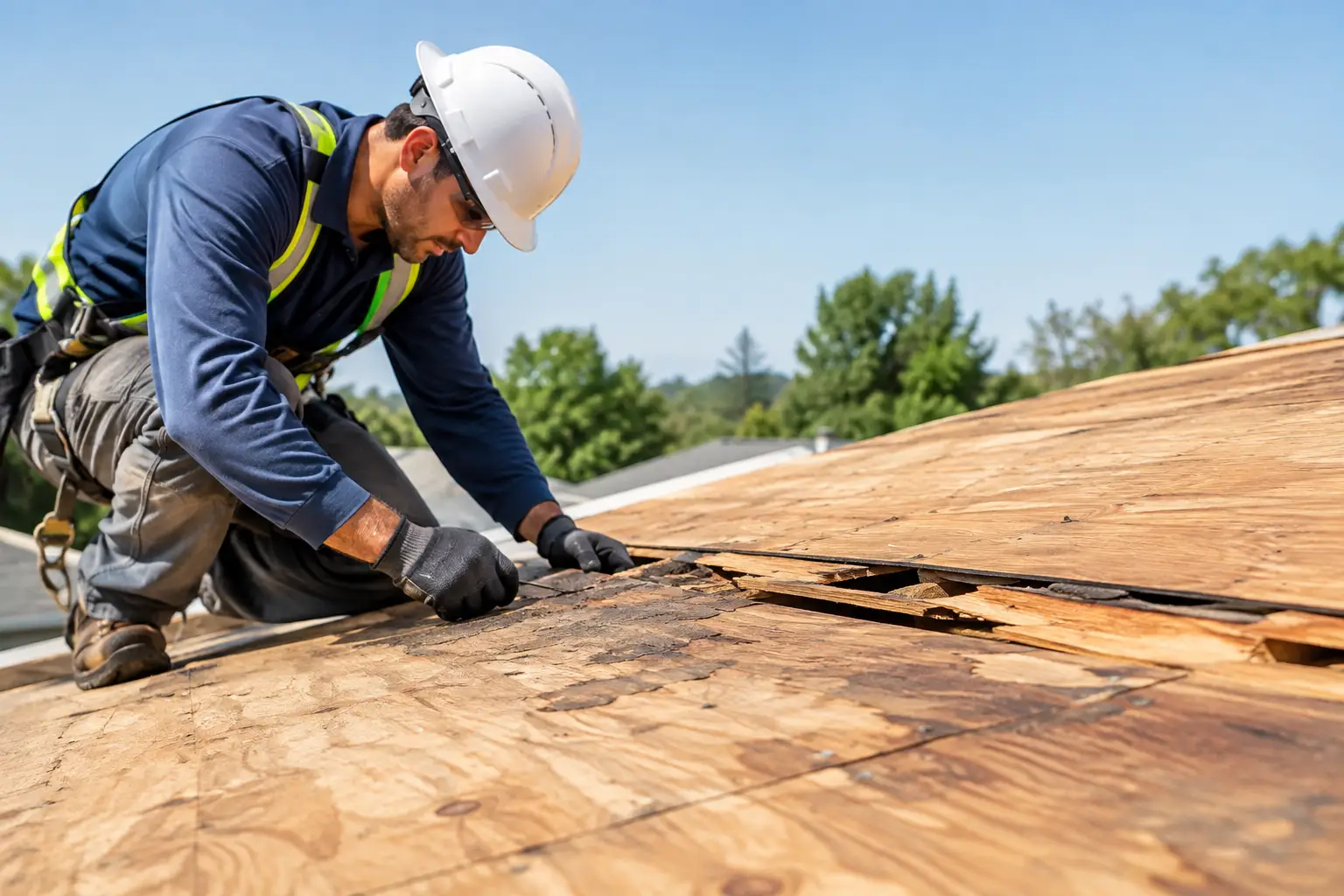
The right repair depends on how much decking is affected, where the damage is located, and what roofing system sits above it. A small, isolated area of rot caused by a failed vent flashing may be addressed by removing the surrounding roofing materials, cutting out the compromised sheathing, installing properly supported replacement decking, and rebuilding the roof layers above it.
A larger damaged area can require more extensive tear-off. If several sheets are soft, if deterioration extends along an eave or valley, or if the roof covering is near the end of its service life, repairing the deck as part of a full replacement is often the more practical investment. It allows the contractor to inspect the entire substrate, correct ventilation or flashing deficiencies, and install a complete system without patching aging materials around a new repair.
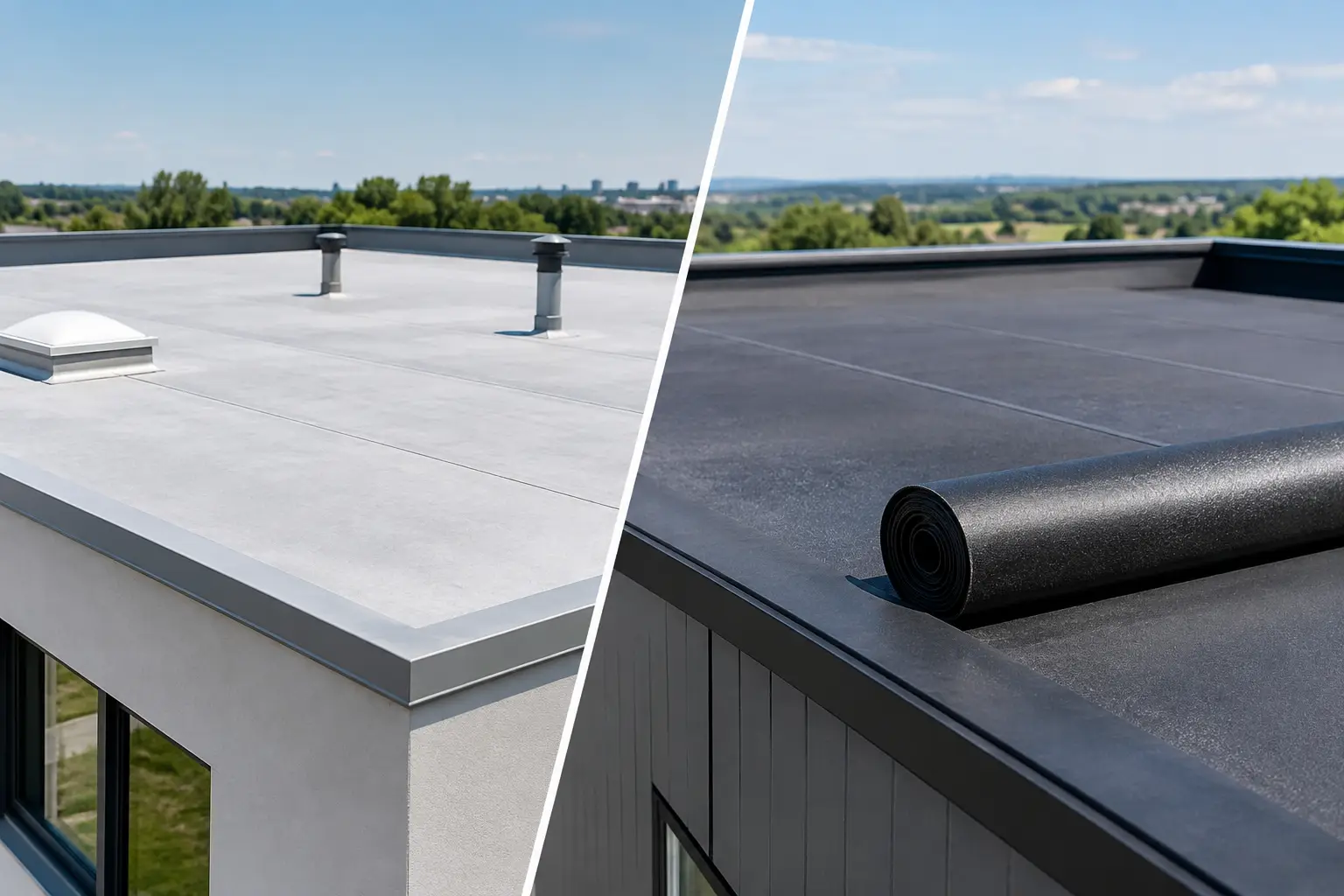
Commercial roofs require the same careful diagnosis, though the details differ. Wet insulation, deteriorated cover boards, membrane failure, and drainage problems may be involved along with the structural deck. A repair must address the source of water and restore the roof assembly in a way that protects operations below.
Decking thickness and panel type should match the structure and applicable code requirements. Proper fastening and panel spacing matter as well, because wood panels expand and contract with changes in moisture. A sound repair is not simply a matter of placing a new piece of plywood over a weak area.
Why Surface Patches Can Fall Short
Caulking a visible gap or replacing a few shingles may temporarily slow a leak, but those measures do not restore decayed wood beneath the roof. Installing new shingles over soft decking is equally problematic. The roof may look improved for a time, yet nails can work loose and the damaged area can continue to spread.
There is a trade-off to consider. An emergency repair may be appropriate when active water intrusion needs to be stopped quickly during a storm or winter weather event. Once conditions allow, however, a follow-up assessment should determine whether water reached the decking, insulation, framing, or interior finishes. Stopping the immediate leak and identifying the full scope are two different parts of responsible roof repair.
What a Professional Decking Inspection Should Cover
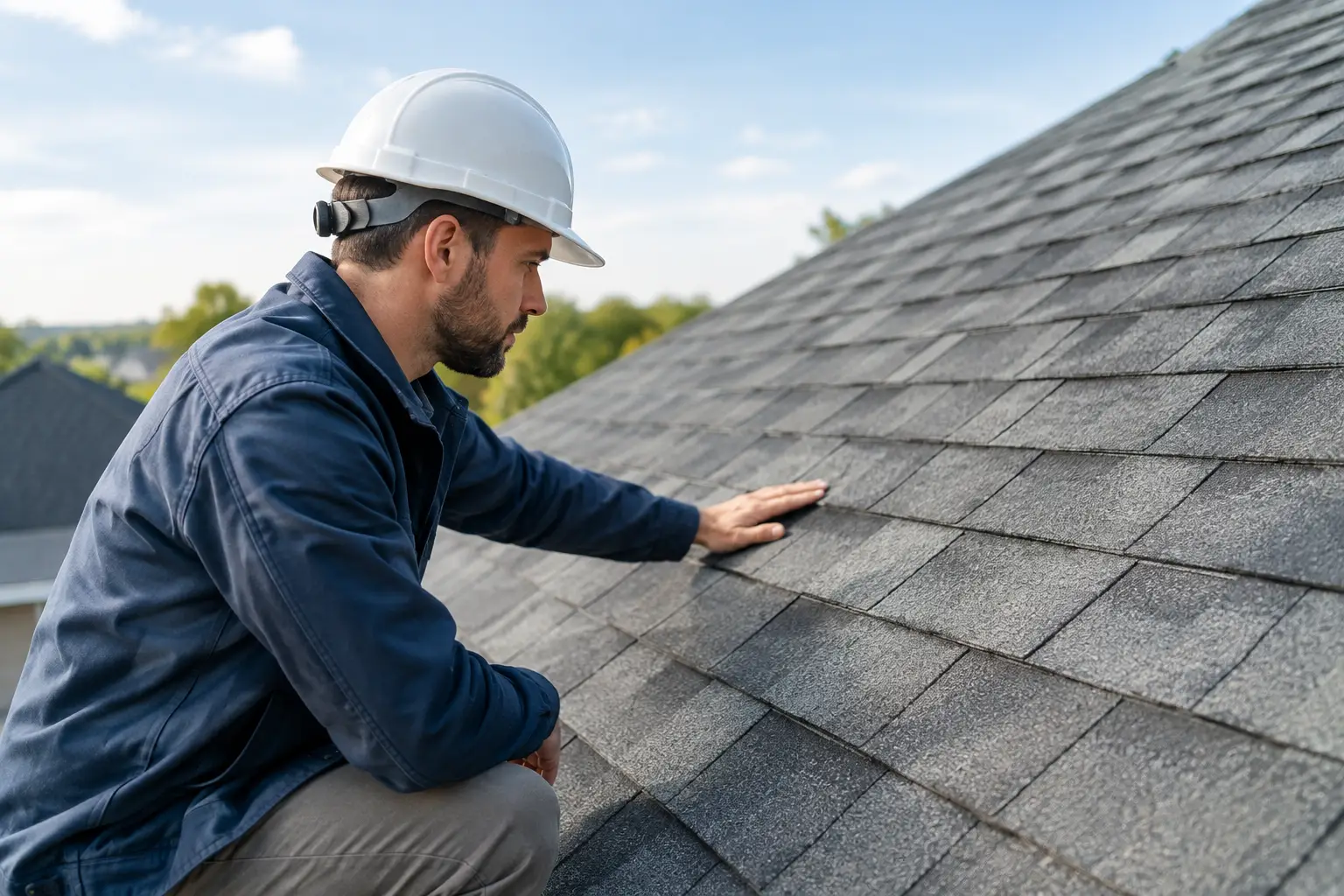
A qualified roofing contractor should examine both the roof surface and accessible attic areas when evaluating suspected decking damage. The inspection should identify the likely water entry point, assess the condition of the roof covering and flashings, and check for ventilation conditions that may be contributing to condensation or ice dams.
The contractor should also explain whether the concern appears localized or widespread. Clear documentation is useful for property planning, especially for commercial buildings, condominium associations, and homeowners considering an insurance claim after storm damage. If replacement is recommended, ask how much decking replacement is anticipated and how concealed deterioration discovered during tear-off will be handled.
For occupied homes and businesses, the work plan matters. A professional crew should protect landscaping and interior areas as appropriate, remove compromised materials safely, and secure the building against weather before the day ends. The goal is not just to replace wood, but to restore a complete, water-shedding roofing assembly.
Steps Property Owners Can Take Now
Do not ignore ceiling stains, attic odors, or shingles that have shifted after a storm. Take photos, move valuables away from active leaks, and use a container to catch dripping water if necessary. Avoid climbing onto a wet or damaged roof, and do not push on a sagging ceiling or roof area.
If water is entering the building, request emergency roofing service promptly. For a non-urgent concern, schedule an inspection before the next season of heavy rain, snow, or freeze-thaw conditions. Early action may limit decking repairs to a small section rather than allowing moisture to compromise insulation, framing, and interior finishes.
Rick’s Main Roofing works with residential and commercial property owners across Norwalk and Fairfield County to identify the cause of roof leaks and recommend repairs that fit the actual condition of the roof. Whether the issue involves asphalt shingles, cedar, slate, metal, rubber roofing, or storm damage, the repair should be based on what is beneath the surface as well as what can be seen from the ground.
A roof deck is not visible when everything is working properly, and that is exactly the point. If you suspect moisture has reached it, a timely professional evaluation can protect the structure beneath your roof and give you a clear path forward before a manageable repair becomes a larger project.