

If you are looking for a roof replacement estimate in Norwalk CT, you are probably not shopping casually. Most property owners reach this stage after seeing active leaks, missing shingles, storm damage, sagging sections, or a roof that has simply reached the end of its service life. At that point, the estimate is not just about price. It is about understanding what your building needs, what the work should include, and whether the contractor truly knows local roofing conditions.
In Norwalk, those conditions matter more than many people realize. Coastal exposure, wind-driven rain, winter ice dams, ventilation issues, and older housing stock all affect how a roof performs and how a replacement should be planned. A low number on paper may look appealing at first, but if the estimate skips critical details like underlayment, flashing replacement, deck repairs, or proper ventilation, the real cost can show up later in leaks, callbacks, and shortened roof life.
What a roof replacement estimate in Norwalk CT should actually tell you
A professional estimate should do more than give you a single total. It should explain the scope of work in a way that lets you compare contractors fairly. For homeowners, that means knowing whether the quote includes tear-off, disposal, underlayment, ice and water protection, flashing, ridge ventilation, and cleanup. For commercial owners and property managers, it also means clarity around system specifications, staging, access, safety planning, and how work will affect tenants or operations.
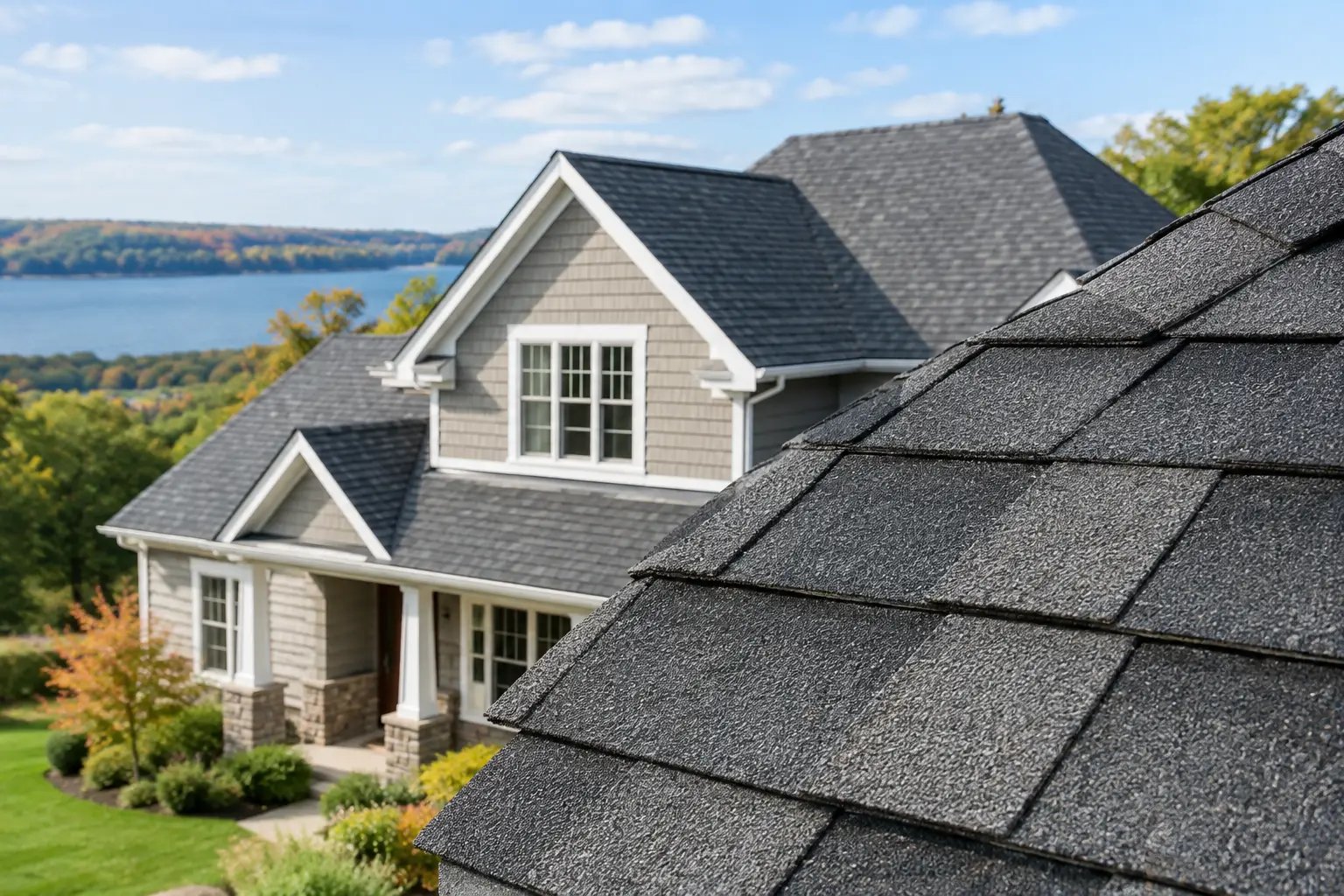
Material type is one of the biggest cost drivers, but it is not the only one. Asphalt shingles are common and cost-effective for many homes, while cedar, slate, metal, and rubber systems require different installation methods and different levels of craftsmanship. If your property is older, historic, coastal, or architecturally complex, that should be reflected in the estimate. Roof replacement is never one-size-fits-all.
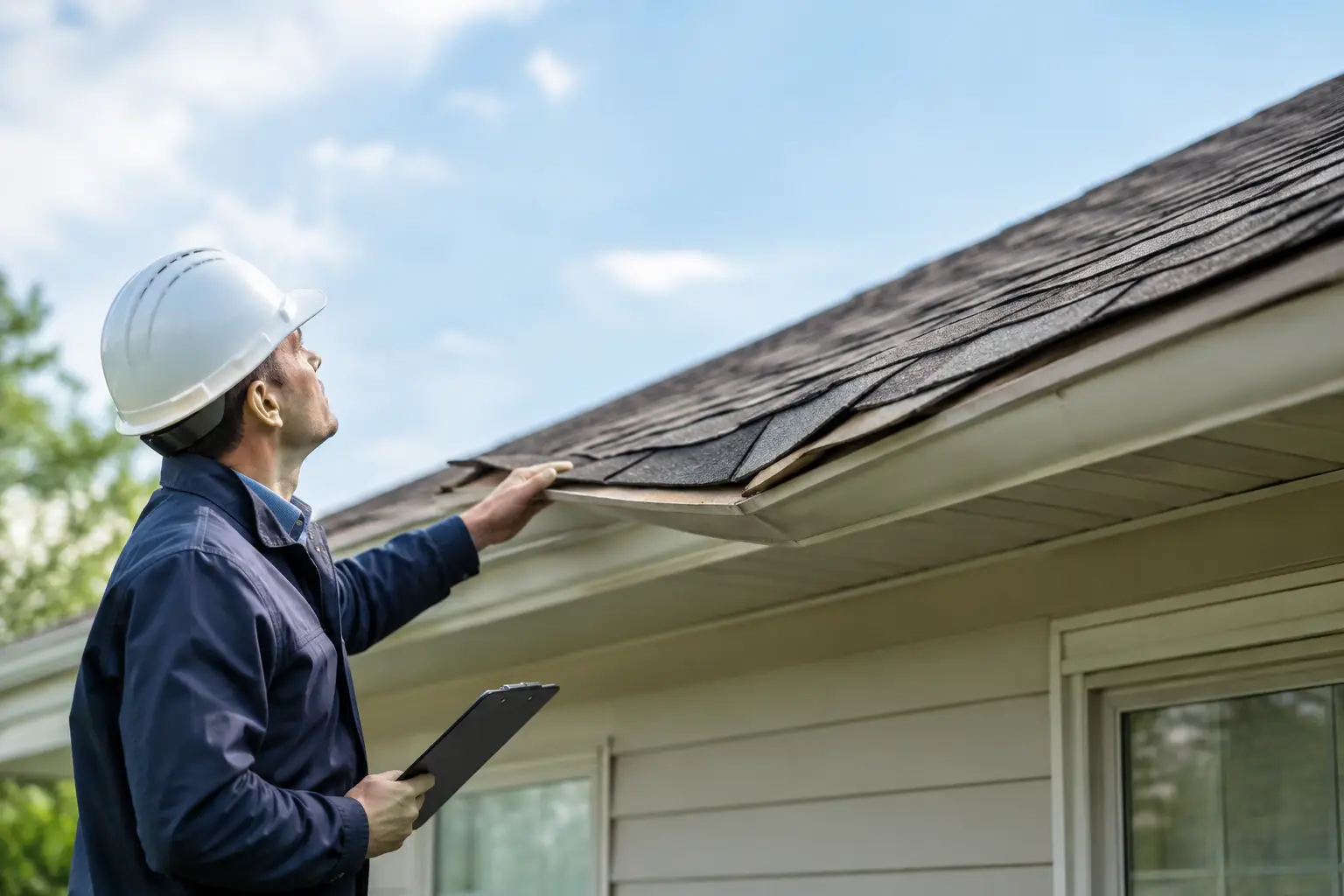
The best estimates also account for what may be uncovered once the existing roof is removed. Damaged sheathing, hidden moisture, deteriorated flashing, and ventilation problems are common findings on aging roofs. A trustworthy contractor will explain that some conditions cannot be fully confirmed until tear-off begins, but they should also tell you how change orders are handled so you are not surprised later.
Why Norwalk roofing costs can vary more than expected
Two homes on the same street can receive very different replacement estimates. The difference usually comes down to roof complexity, not just square footage. A simple gable roof is faster and more straightforward than a roof with multiple valleys, dormers, chimneys, skylights, and steep sections. Labor, safety requirements, and flashing detail all increase with complexity.
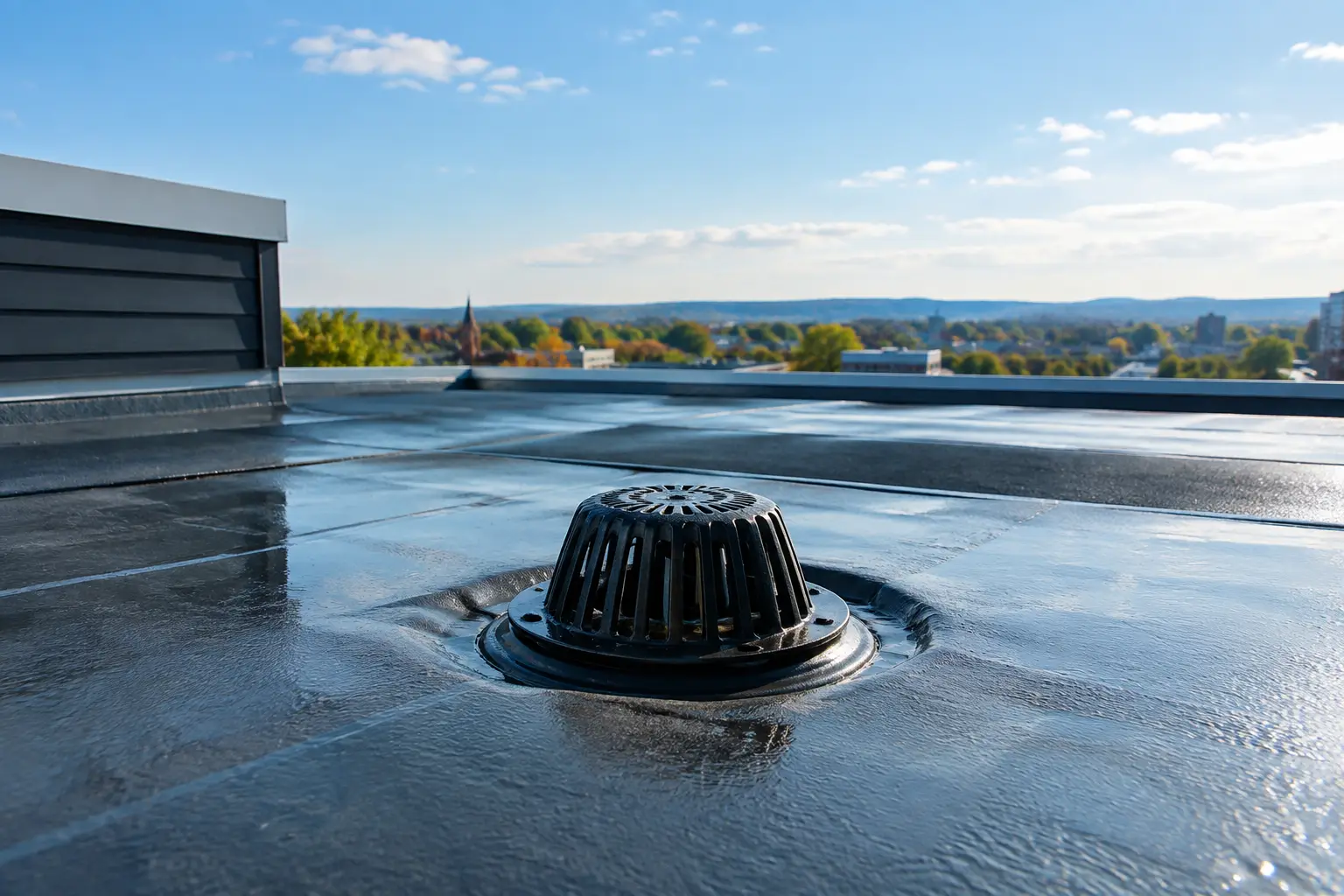
Norwalk properties also present a wide range of construction types. Some homes need modern performance upgrades. Others require careful work to preserve the character of older structures. Coastal homes may need roofing choices that stand up better to salt air, wind exposure, and moisture. Commercial buildings bring another layer of variables, including drainage design, membrane condition, equipment penetrations, and access limitations.
Then there is timing. If your roof has active leaks or storm damage, waiting for the cheapest quote can be risky. Water intrusion rarely stays limited to the roofing system. It can affect insulation, framing, drywall, ceilings, and even electrical components. In urgent cases, responsiveness and clear planning are just as important as price.
What drives the cost of a roof replacement estimate
Most estimates are built around labor, material, roof size, complexity, and site conditions. That sounds simple, but each category has real local implications.
Labor depends on roof pitch, accessibility, tear-off difficulty, and the level of detail required for proper installation. A steep roof near landscaping, fencing, or tight lot lines takes more planning than an open, easy-access structure. Material costs vary widely between architectural shingles, standing seam metal, cedar, slate, and low-slope commercial systems. Premium materials often cost more up front, but depending on the building and ownership timeline, they may offer better long-term value.
Ventilation is another major factor that many owners overlook. Poor attic ventilation can shorten roof life, contribute to heat buildup, trap moisture, and worsen winter ice dam issues. If a contractor recommends intake or exhaust ventilation upgrades as part of the estimate, that is not upselling by default. It may be part of doing the job correctly.
Flashing details matter too. Chimneys, wall intersections, valleys, skylights, pipe boots, and edge metal are common failure points. An estimate that vaguely says roof replacement without identifying these components may leave too much open to interpretation.
Signs your estimate needs a closer look
Not every estimate deserves equal confidence. If one quote comes in far below the others, there is usually a reason. Sometimes the contractor is leaving out critical components. Sometimes they are using lower-grade materials. Sometimes they are not budgeting for the skilled labor needed to install the roof properly.
You should be cautious if the estimate is missing manufacturer information, scope details, warranty explanations, cleanup procedures, or clear language about deck repair allowances. Vague paperwork makes it difficult to know what you are buying. It also makes disputes more likely once the project starts.
A strong estimate reflects experience. It shows that the contractor has looked at the actual roof conditions, understands the material system being proposed, and has a plan for weather exposure, drainage, flashing, and ventilation. That level of detail is especially important in Fairfield County, where roofs need to perform through coastal storms, freeze-thaw cycles, and seasonal temperature swings.
Residential and commercial estimates are not the same
Homeowners often focus on curb appeal, lifespan, weather protection, and overall value. That is appropriate, but commercial clients usually need a different level of planning. A commercial roof replacement estimate may need to address drain placement, insulation, membrane compatibility, rooftop equipment, phasing, and occupant safety. The quote should also reflect how the contractor will minimize disruption.
For residential properties, aesthetics and material matching are often part of the conversation. For commercial properties, long-term performance and maintenance planning tend to carry more weight. In both cases, the estimate should be specific enough to support an informed decision, not just a quick sale.
Why local experience matters in a roof replacement estimate Norwalk CT
A roof replacement estimate Norwalk CT should be grounded in local knowledge, not generic pricing software alone. Contractors familiar with the area understand the common issues that affect roof life here, from storm damage and wind exposure to ice dams and ventilation failures. They also know how older homes and specialized roofing materials need to be handled.
That local understanding can shape better recommendations. For one property, architectural asphalt shingles may be the right fit for budget and performance. For another, a slate or metal system may make more sense because of longevity, appearance, or structural requirements. A qualified contractor should be able to explain those trade-offs clearly.
This is where experience and certifications carry weight. A company like Rick’s Main Roofing brings value not just by installing roofing systems, but by recognizing the conditions that shorten roof life and addressing them before they become repeat problems.
How to prepare before requesting an estimate
It helps to be clear about what you are seeing and what you need. If there are active leaks, note where they appear and when. If shingles have blown off after a storm, say that. If the roof is simply old and you want to plan ahead before failures begin, that is useful information too. Good contractors can guide the process either way, but the more context you provide, the more productive the appointment will be.
You should also think about your priorities. Some owners want the most economical replacement that meets performance standards. Others are more focused on appearance, lifespan, energy performance, or premium materials. There is no single right answer. The best estimate is the one that fits your building, your timing, and your budget without cutting corners where they matter most.
When you review estimates, look beyond the bottom-line number. Ask what is included, what assumptions have been made, what warranties apply, and how unexpected deck damage would be handled. That is where the real comparison happens.
A roof replacement is a major investment, but it is also one of the most important protective systems on your property. A clear, professionally prepared estimate gives you more than a price. It gives you a realistic picture of the work ahead and the confidence to move forward with the right contractor.