

A roof leak rarely starts at a convenient time. It shows up during a hard rain, after a tree limb hits the house, or in the middle of the night when water is already making its way into insulation, ceilings, and walls. In those moments, emergency roof tarp installation is not a cosmetic fix. It is a practical step to limit interior damage, protect the structure, and buy time until permanent repairs can be completed safely.
For homeowners and property managers in Norwalk and across Fairfield County, that distinction matters. A properly installed tarp can help prevent a bad situation from becoming a much larger and more expensive one. A poorly installed tarp, or a delay in getting one in place, can leave the building exposed to every hour of additional rain, wind, and moisture.
What emergency roof tarp installation actually does
An emergency tarp is a temporary protective covering secured over a damaged area of the roof. Its job is straightforward: keep water out until the underlying roofing system can be inspected, repaired, or replaced. That may sound simple, but the quality of the installation makes a real difference.
A tarp needs to cover more than the visibly damaged spot. Water often enters at one point and travels before it appears inside the building. If the tarp is too small, loosely fastened, or installed without accounting for roof pitch and drainage, water can still get underneath. In high winds, an improperly secured tarp can also tear free and create additional damage.
This is why emergency tarping is best treated as a protective roofing service, not a quick patch. The goal is to stabilize the situation, reduce risk, and preserve as much of the roof system and interior as possible until permanent work begins.
When emergency roof tarp installation is the right move
Not every roof issue needs a tarp, but many urgent situations do. Storm damage is the most common trigger. Missing shingles, lifted flashing, fallen branches, punctures, and impact damage can all leave the roof vulnerable to active leaks.
In Connecticut, winter weather can also create sudden roofing emergencies. Ice dams, freeze-thaw cycles, and heavy snow loads can force water under shingles or expose weak areas around valleys, eaves, and penetrations. On coastal and wind-exposed properties, strong gusts can peel back roofing materials even when the damage is not obvious from the ground.
For commercial buildings, the decision is often about protecting operations as much as the structure. If water intrusion threatens inventory, equipment, tenant spaces, or electrical systems, temporary waterproofing becomes urgent. In those cases, a fast tarp installation can reduce downtime and help contain losses while a full repair plan is developed.
Why timing matters after storm damage
Once the roof envelope is compromised, the clock starts. The first concern is obvious water entry, but secondary damage is often what drives costs higher. Wet insulation loses effectiveness. Drywall softens. Wood decking can begin to deteriorate. Mold risk increases when moisture remains trapped inside enclosed spaces.
Insurance carriers also tend to expect property owners to take reasonable steps to prevent further damage after a storm event. A prompt emergency response can show that the property was protected as quickly as possible, which is often important during the claims process.
There is also a safety factor. The roof may not be stable enough for anyone without proper training and equipment to access it. Wind, slick surfaces, hidden soft spots, and electrical hazards can turn a rushed reaction into a serious accident. Fast action matters, but so does doing the work correctly.
How professional emergency roof tarp installation is handled
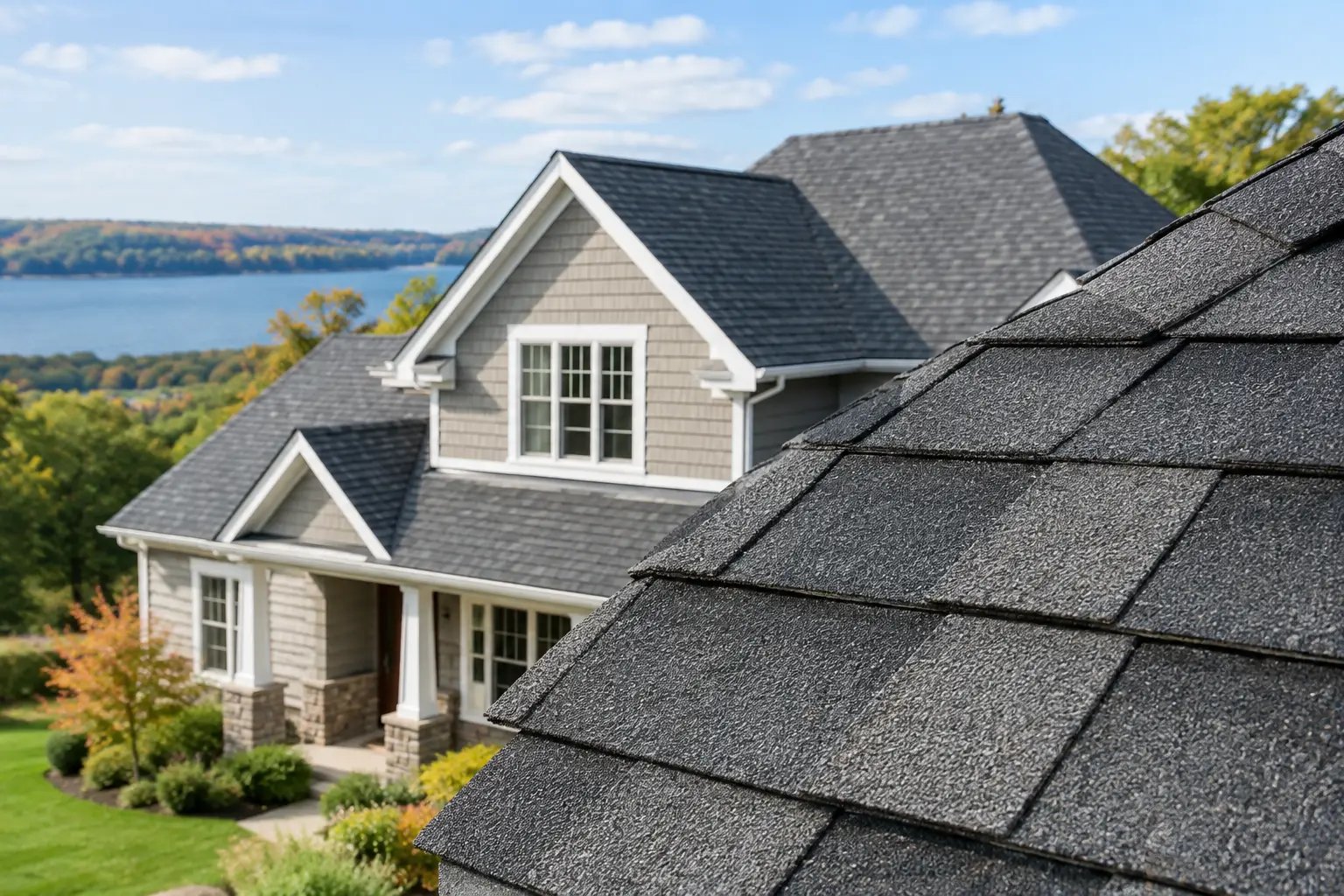
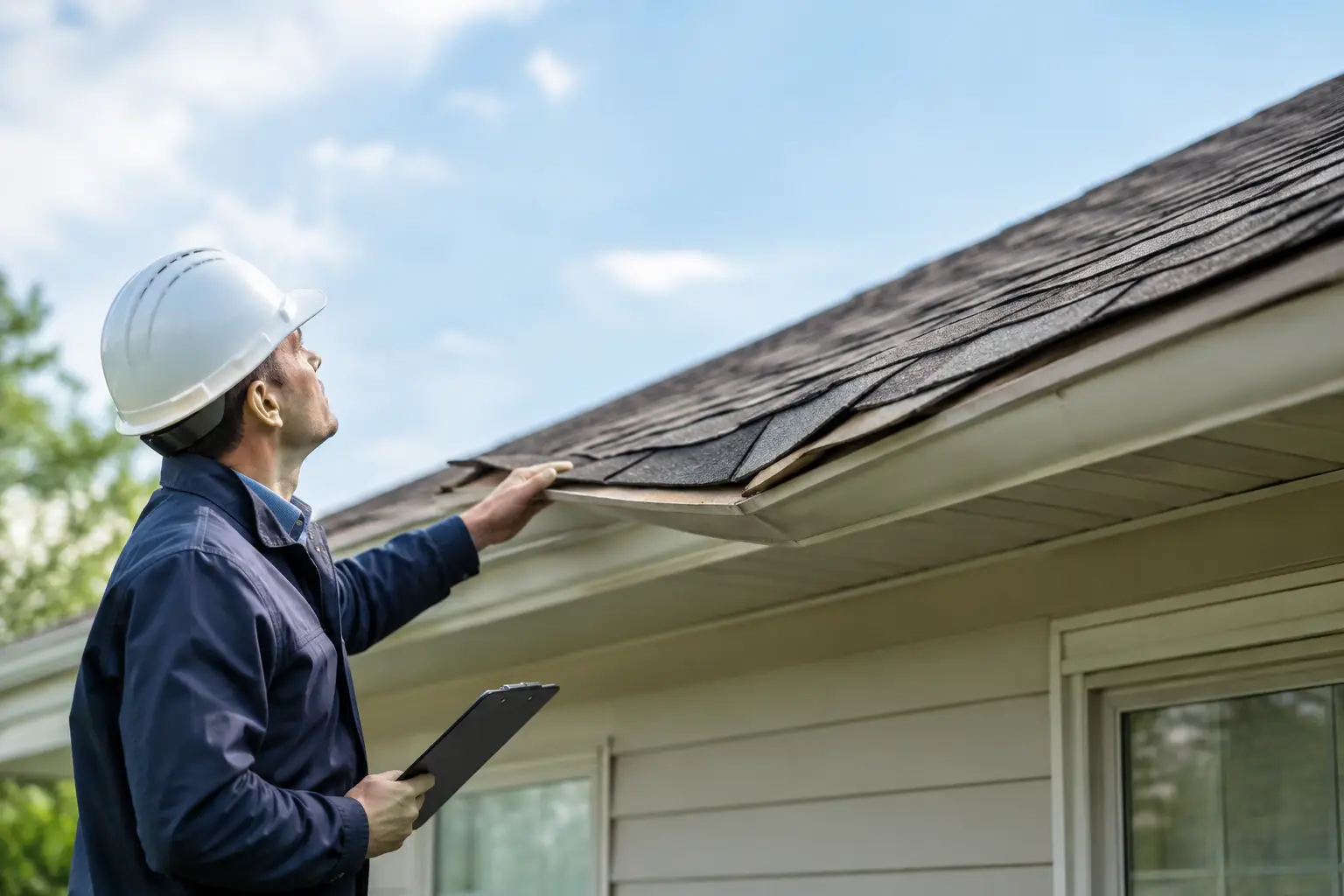
A professional crew starts by assessing the extent of visible damage and identifying the safest access points. That includes looking at roof pitch, material type, structural condition, and surrounding hazards. On asphalt shingle roofs, the tarp may need to extend well past the damaged section. On slate, cedar, metal, or low-slope commercial roofing, the approach can vary because each system responds differently to foot traffic, fastening, and water movement.
The damaged area is then covered with a heavy-duty tarp designed for exterior exposure. The tarp is positioned to shed water rather than trap it. It is secured in a way that resists wind uplift while minimizing additional harm to the existing roof. That balance matters. A temporary measure should protect the structure without creating unnecessary new penetrations or stress points.
After the tarp is in place, the next step is not to forget about it. A tarp is temporary by design. It reduces risk, but it does not restore the roofing system. A follow-up inspection should determine whether the roof needs localized repair, more extensive restoration, or full replacement.
Emergency roof tarp installation on different roof types
Roofing emergencies do not look the same on every property. A standard asphalt shingle roof may be straightforward to tarp if access is safe and the damage is limited. A steep cedar roof or historic slate roof requires more care because the roofing material itself can be fragile or highly specialized.
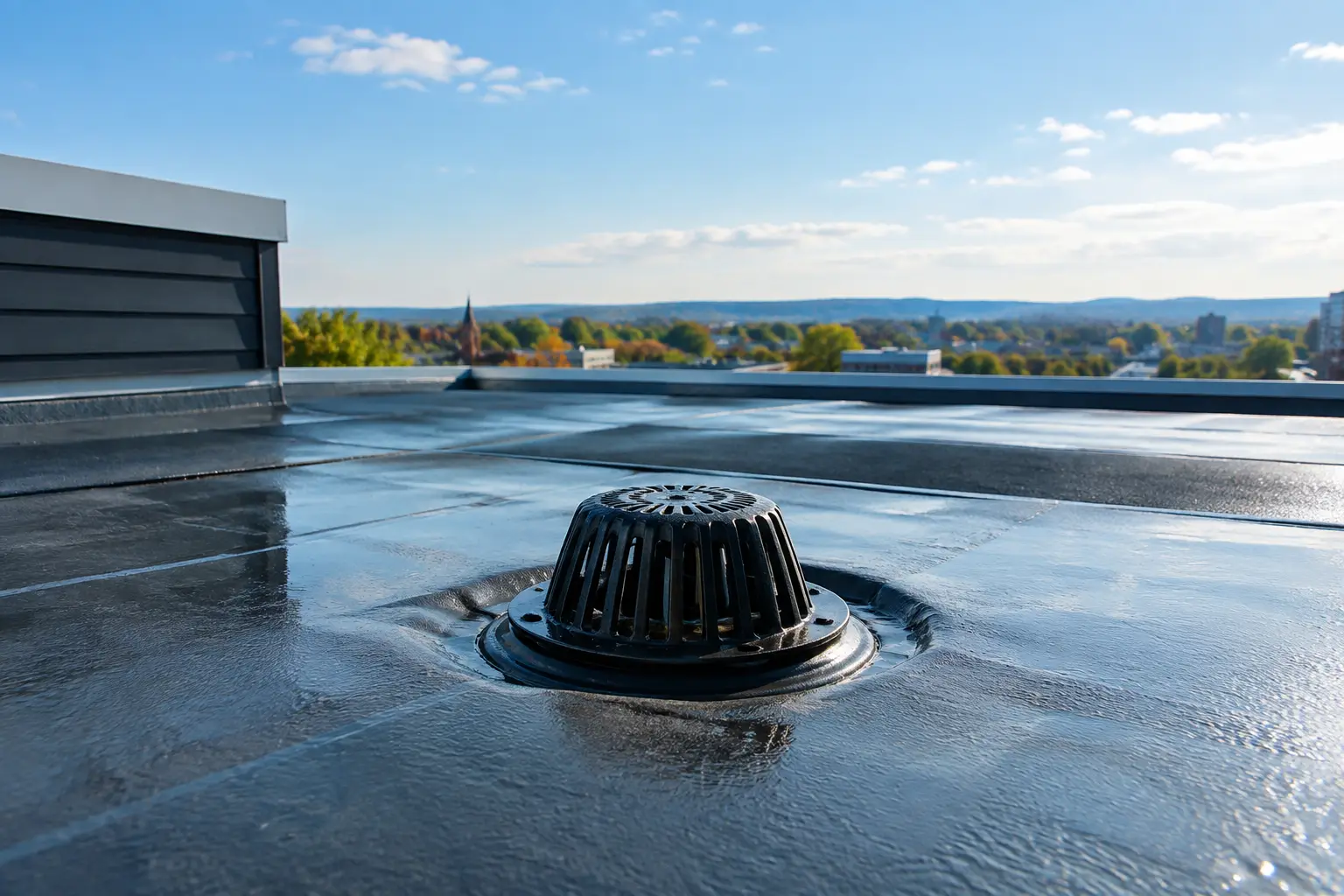
Metal roofing presents a different challenge. Water can travel along panel lines and seams, so the damaged area may not be as obvious as it first appears. Flat and low-slope commercial roofs add another layer of complexity because drainage patterns, membrane condition, and rooftop equipment all affect where and how a temporary cover should be installed.
That is one reason local experience matters. A contractor who works across residential and commercial systems in coastal Connecticut is more likely to recognize the material-specific issues that affect both the emergency response and the long-term repair plan.
What property owners should do before help arrives
The first priority is safety. Stay off the roof. If water is entering the building, move valuables, electronics, and furniture out of the affected area if you can do so safely. Buckets and towels may help control immediate interior mess, but they are not a substitute for protecting the roof itself.
If a ceiling is bulging with trapped water, avoid standing directly beneath it. If there is any chance water is near electrical fixtures or wiring, shut off power to the affected area if it is safe to do so. Take photos of visible damage inside and outside from the ground when possible. That documentation can be useful later.
Then call for an emergency roofing response. Waiting to see whether the leak slows down on its own usually costs more than it saves.
The trade-off between temporary protection and permanent repair
A tarp can be the right immediate answer, but it is not always the only emergency measure needed. In some cases, the roof damage is isolated and a permanent repair can follow quickly once weather conditions allow. In other cases, especially after severe storms or when the roof is already near the end of its service life, the tarp is simply a bridge to replacement.
That is where honest assessment matters. Some contractors overpromise what a temporary fix can do. Others jump too quickly to replacement without considering whether a targeted repair is still practical. The right recommendation depends on the age of the roof, the type of damage, the material involved, and whether water has reached the deck or structural components.
A dependable roofing contractor should explain that clearly. Property owners need to know what the tarp is doing, how long it is expected to hold under current conditions, and what the next step should be.
Why local response makes a difference
Weather in Fairfield County can be demanding on roofs. Coastal wind exposure, heavy rain, snow events, ice dams, and seasonal temperature swings all affect how roofing materials fail and how emergency protection should be installed. A crew familiar with these conditions can make better decisions under pressure.
That local knowledge also helps when the emergency is not limited to one obvious hole. Sometimes the real issue is hidden around flashing, ridge vents, skylights, chimneys, or low-slope transitions. A contractor with broad experience across roof types is more likely to catch the full picture instead of addressing only the most visible symptom.
For property owners who need immediate help, responsiveness and technical judgment matter just as much as speed. Rick’s Main Roofing approaches emergency calls with that balance in mind, providing temporary protection designed to support the next repair decision, not delay it.
When your roof has been compromised, the most useful step is usually the simplest one: protect the building first, then make repair decisions from a stable position. That is what a well-executed tarp installation is meant to do.