

A stained ceiling after a hard rain usually gets attention fast. What many property owners miss is that visible leaks are often the late-stage sign of a much bigger roofing problem. By the time water shows up indoors, a roof replacement may be the safer and more cost-effective option than continuing to patch isolated trouble spots.
For homes and commercial buildings in Norwalk and across Fairfield County, that decision is rarely just about shingles. It involves structural protection, energy performance, weather exposure, long-term maintenance, and the quality of the installation itself. Connecticut roofs deal with snow load, wind-driven rain, ice dams, humidity, and coastal conditions that can shorten a roof’s life when materials or ventilation are not right for the building.
When roof replacement makes more sense than repair
Not every failing roof needs to be replaced immediately. A targeted repair can still be the right move when the damage is limited to a small section and the overall system is in good condition. If a newer roof loses a few shingles in a storm or develops flashing damage around a chimney, a professional repair can restore performance without the expense of a full replacement.
The picture changes when problems start repeating. If leaks return in different areas, shingles are curling or breaking down across large sections, or the roof is approaching the end of its expected service life, repairs can become a short-term fix with long-term cost. The same is true when moisture has moved below the outer surface and started affecting decking, insulation, or attic ventilation.
Older roofs often fail in more than one place at once. One repair addresses the visible issue, but another weak area opens up a few months later. At that point, continued patchwork may cost more over time than replacing the full system with updated materials and proper installation details.
Common signs you may need a roof replacement
Age is one of the clearest indicators, but it should never be the only one. Asphalt roofing may last decades under good conditions, yet weather exposure, poor ventilation, and previous workmanship issues can shorten that timeline. Cedar, slate, metal, and low-slope systems each have their own wear patterns and maintenance needs.
Property owners should pay close attention to widespread shingle granule loss, recurring leaks, sagging sections, cracked or lifted flashing, soft roof decking, and visible storm damage. Interior warning signs matter too. Discoloration on ceilings, peeling paint near rooflines, damp attic insulation, and musty odors can all point to a failing roof system.
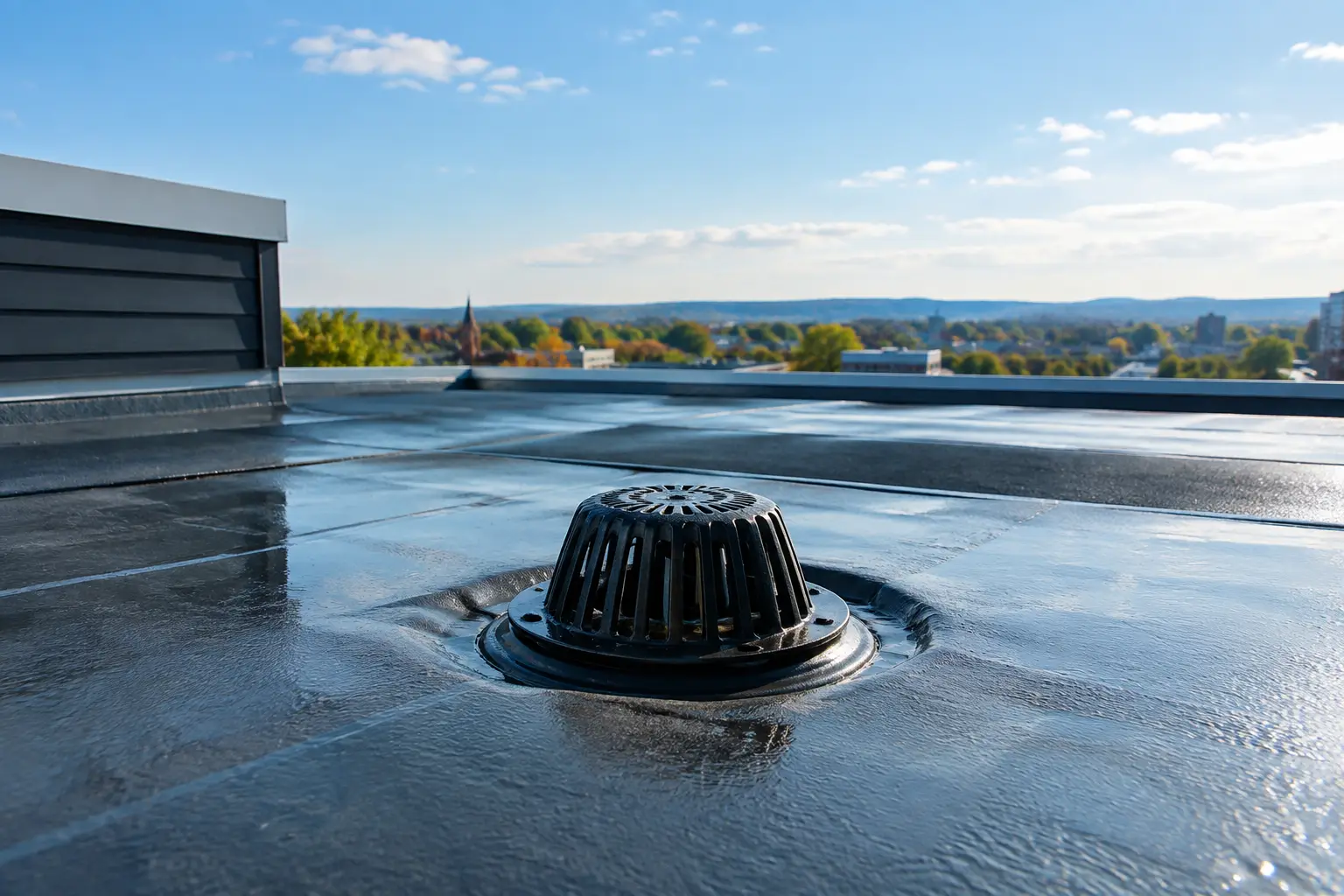
For commercial properties, standing water, membrane separation, punctures, and edge detail failure are especially important. A low-slope roof can look acceptable from the ground while hiding drainage and moisture problems that continue to spread under the surface.
What a professional roof replacement really includes
A quality roof replacement is more than removing old materials and installing new ones. The roof is a system, and every part of that system affects performance. That includes underlayment, flashing, ventilation, ice and water protection, decking condition, fastener placement, and drainage details.
This is where experience matters. A roof on a standard residential home has different requirements than a coastal property exposed to salt air and heavy wind. A historic home may require material matching and detail work that protects the character of the structure. A commercial building may need a replacement plan that limits disruption while meeting performance demands for drainage and insulation.
In Connecticut, ice dam protection and ventilation are especially important. If warm attic air is trapped because intake and exhaust ventilation are out of balance, snow can melt and refreeze at the roof edge. That creates conditions for water intrusion even when the outer roofing material still appears serviceable. Replacing a roof without correcting those underlying issues can shorten the life of the new system.
Choosing the right material for your property
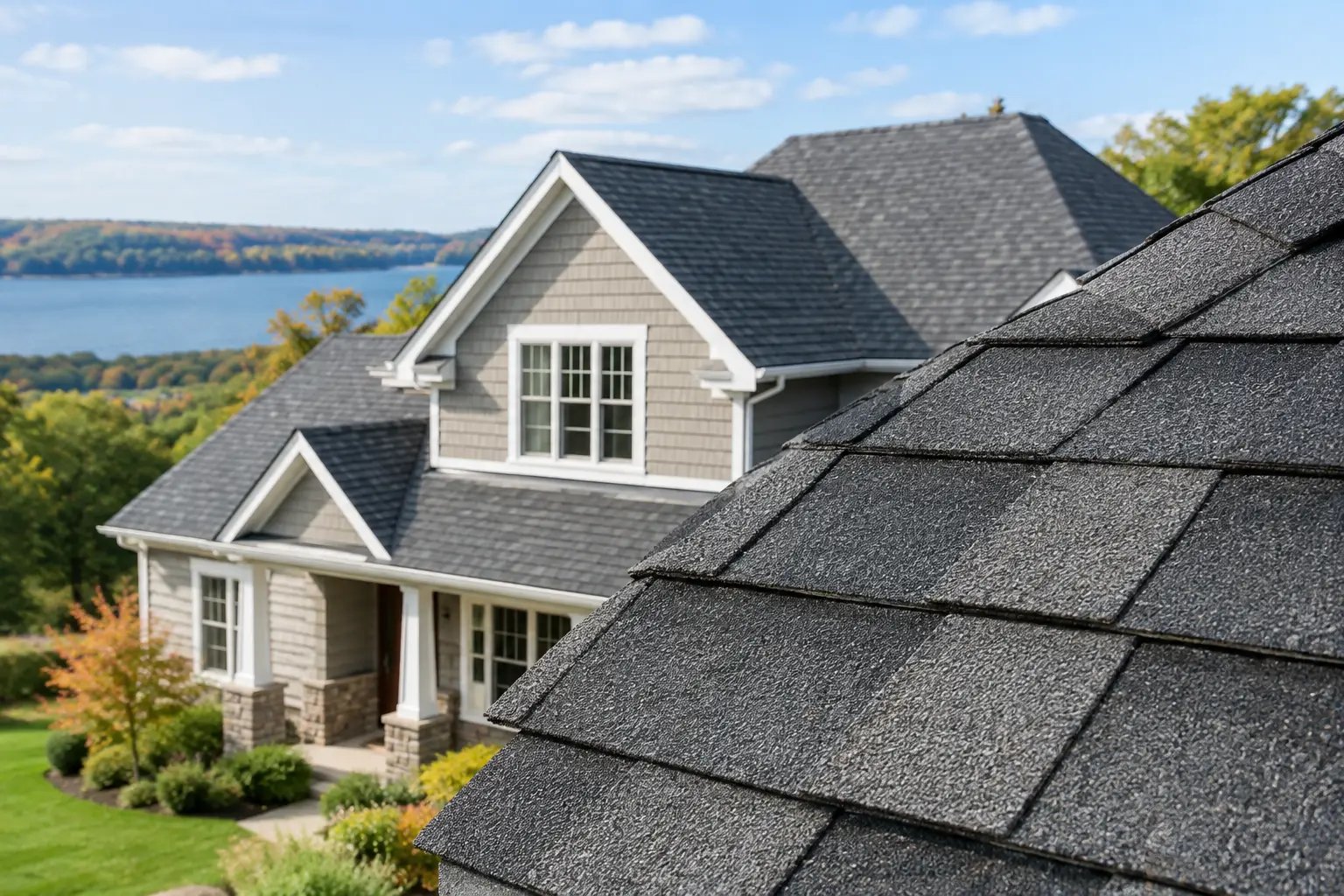
Material selection should match the building, the budget, and the exposure conditions. Asphalt remains a practical choice for many homeowners because it offers reliable protection, a wide range of styles, and a lower upfront cost than some premium systems. It is often the right fit for residential properties where value and appearance both matter.
Cedar delivers a distinctive look but requires more attention over time. Slate offers outstanding longevity and a high-end appearance, but it is heavier and demands specialized installation. Metal roofing can provide excellent durability and weather resistance, especially on buildings that benefit from long service life and strong shedding performance. Rubber roofing is commonly used on low-slope sections and commercial properties where membrane performance is critical.
There is no universal best option. The right material depends on roof pitch, building style, exposure to coastal weather, maintenance expectations, and how long the owner plans to keep the property. A lower upfront price can be attractive, but it is only one part of the value equation. Installation quality, warranty coverage, and life-cycle cost matter just as much.
Cost factors that affect roof replacement
Most property owners want a simple price, but roofing costs are shaped by several variables. Size is only the starting point. Pitch, height, accessibility, existing material layers, decking condition, ventilation upgrades, flashing complexity, and material choice all influence the final cost.
A straightforward asphalt replacement on a walkable roof is very different from replacing a steep, multi-level roof with valleys, dormers, chimneys, and custom trim details. The same goes for commercial work. A large low-slope roof may seem simpler, but insulation needs, drainage corrections, penetrations, and tear-off conditions can significantly change the scope.
The lowest number is not always the best value. If an estimate leaves out key components such as damaged decking replacement, proper underlayment, or ventilation improvements, the initial savings may disappear quickly. A detailed assessment helps property owners understand what is being installed, why it matters, and how the system is designed to perform over time.
Timing matters more than many owners expect
Waiting too long can turn a manageable project into a more expensive one. When water keeps entering the building, damage often spreads beyond the roof covering. Wood rot, mold, stained interiors, damaged insulation, and compromised structural components can all follow. For commercial properties, deferred replacement can also affect tenants, inventory, equipment, and operations.
That does not mean every older roof must be replaced immediately. It means timing should be based on condition, not hope. An inspection can help determine whether a roof has reliable service life left or whether replacement should be scheduled before another season of storms, snow, or freeze-thaw cycles adds avoidable damage.
For emergency situations after major storms, temporary protection may be necessary first. But emergency response is only the first step. The long-term goal should be a repair or replacement plan based on the actual condition of the system, not just the most visible damage.
Why local experience matters in a roof replacement
A roof in Connecticut deals with conditions that demand more than basic installation knowledge. Snow and ice, coastal moisture, summer heat, wind exposure, and seasonal temperature swings all test the system differently throughout the year. Local experience helps ensure that material recommendations, flashing methods, and ventilation planning are appropriate for those conditions.
That is especially important for property owners in Norwalk, Fairfield County, and nearby communities where building styles vary widely. A contractor needs to be comfortable with standard homes, premium residences, historic properties, coastal exposure, and commercial roofing systems. Rick’s Main Roofing brings that full-service perspective to both residential and commercial roof replacement work, with the technical depth to address the roof itself and the conditions that cause roofing systems to fail early.
What to expect before the work begins
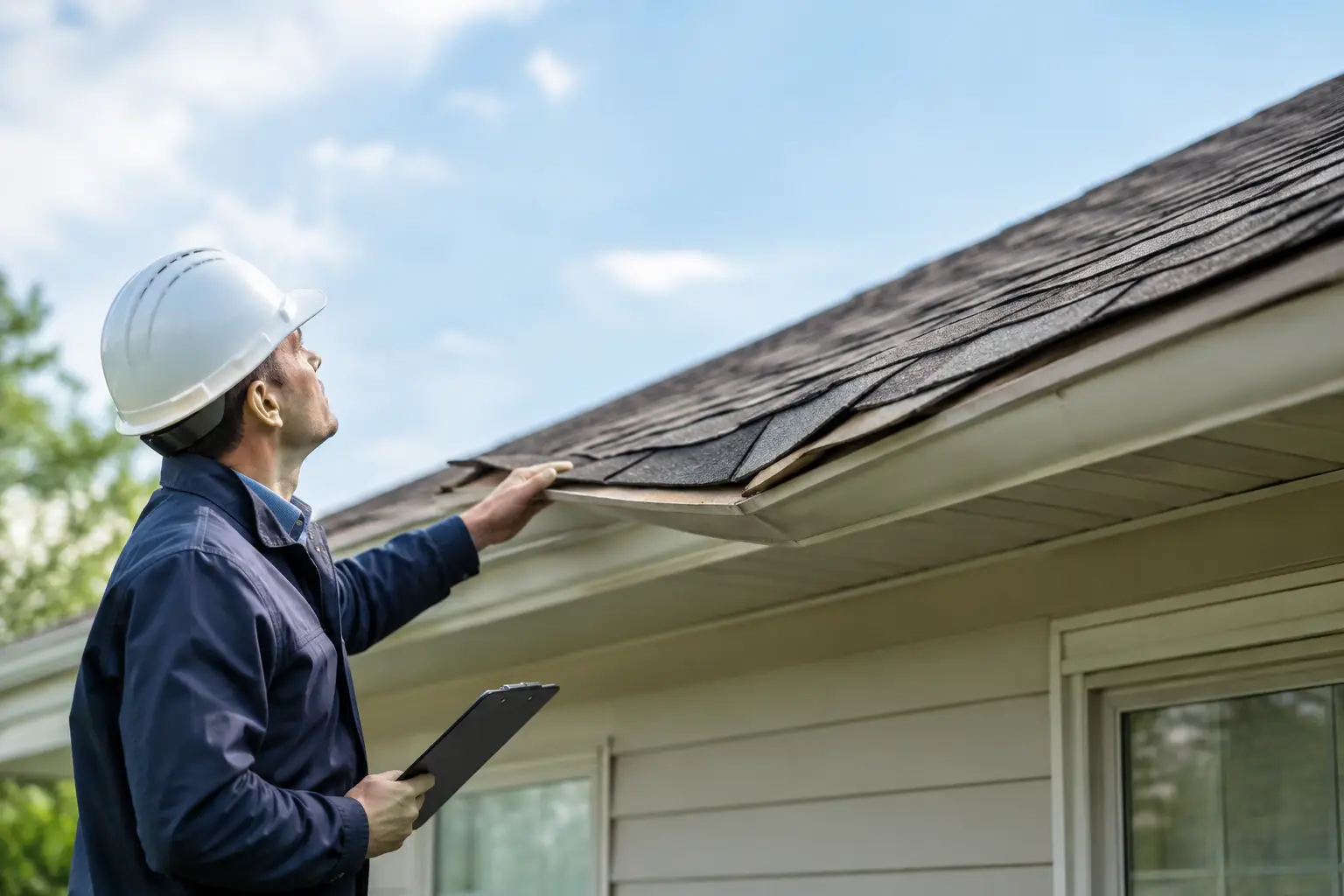
The best replacement projects start with a clear inspection and a straightforward scope of work. Property owners should understand whether the project includes tear-off, deck replacement if needed, ventilation corrections, flashing upgrades, and cleanup. They should also know the anticipated schedule, how the property will be protected during the project, and what warranty coverage applies.
Good communication matters as much as craftsmanship. Roofing work is a major investment, and most owners want confidence that the crew will show up, protect the building, and complete the work correctly. That confidence comes from experience, certifications, and a proven track record, not sales language alone.
If your roof has reached the point where repairs no longer offer real peace of mind, acting sooner usually protects more than the roof itself. It protects the building below it, the people inside it, and the value you have worked hard to maintain.