

A roof problem rarely shows up at a convenient time. One leak after a storm can turn into damaged insulation, stained ceilings, mold risk, and a much bigger bill if the work is delayed. That is why roof financing options homeowners can use matter so much – not as a sales extra, but as a practical way to protect the home before minor damage becomes structural damage.
For many Connecticut homeowners, the question is not whether the roof needs attention. It is how to pay for it responsibly. A repair may be manageable out of pocket, but a full replacement, especially on a larger home, a coastal property, or an older house with material-specific requirements, often calls for a financing plan. The right option depends on the size of the project, how urgent the work is, your available cash reserves, and how long you want to spread payments out.
Understanding roof financing options for homeowners
Roof financing is simply a way to pay for roofing work over time instead of in one lump sum. That can include contractor-arranged financing, personal loans, home equity products, credit cards, insurance proceeds paired with payment plans, or specialized lending programs. Not every option fits every situation, and the lowest monthly payment is not always the best financial choice.
A homeowner dealing with active leaks after a windstorm may need speed more than a perfect interest rate. Someone planning a replacement on an aging roof with no emergency may have time to compare terms carefully. That difference matters. Financing should match both the condition of the roof and the condition of your household budget.
The first thing to understand is that lenders usually look at credit profile, income, debt levels, and the requested loan amount. The second is that roofing costs vary significantly based on material, roof size, slope, ventilation needs, decking repairs, flashing details, and code-related upgrades. A realistic estimate should come before you compare financing structures.
The most common roof financing options homeowners consider
Contractor financing is often the most straightforward place to start. In many cases, a roofing company works with a lending partner that offers fixed monthly payments, promotional terms, or different repayment lengths. This can be convenient because the financing process is tied directly to the project estimate. It tends to work best for homeowners who want a simple approval path and a single point of coordination.
The trade-off is that convenience should not replace careful review. Interest rates, deferred interest terms, and fees vary. Some plans look attractive because they advertise low initial payments, but the long-term cost may be higher than other borrowing options.
Personal loans are another common route. These are usually unsecured, which means you do not borrow against your home. Approval can be faster than home equity lending, and funds may be available quickly for urgent roofing work. That speed matters when you are dealing with storm damage, water intrusion, or a roof that has reached the end of its service life.
Still, unsecured loans often come with higher rates than equity-based borrowing, especially if credit is only average. For a modest repair, that may be acceptable. For a full replacement, the total cost of borrowing deserves close attention.
Home equity loans and home equity lines of credit can offer lower rates because the loan is secured by the property. For planned roof replacement projects, this can be an efficient solution. Monthly payments may be more manageable, and longer repayment periods can reduce immediate financial strain.
The downside is timing and risk. These products can take longer to arrange, and because your home is part of the collateral picture, the stakes are higher. If the roof issue is urgent, waiting on a more complex loan process may not be practical.
Credit cards are sometimes used for smaller repairs or deductibles, especially when a homeowner expects to pay the balance quickly. A temporary promotional rate can help in a short window. But for a major roofing project, standard credit card rates can become expensive very fast. This is usually the least efficient option unless the balance will be cleared promptly.
Insurance can also play a role, but only in specific situations. If roof damage is covered by your homeowners policy, insurance may pay for part of the repair or replacement, minus your deductible and subject to policy terms. In those cases, financing may still be useful to cover the deductible, code upgrades not fully covered, or additional work discovered during the project.
How to choose the right payment plan for your roof
The best financing choice starts with a clear diagnosis of the roofing problem. If the issue is isolated and repairable, borrowing heavily for a full replacement may not make sense. If the roof is already failing across multiple areas, repeatedly paying for repairs can waste money and delay the inevitable.
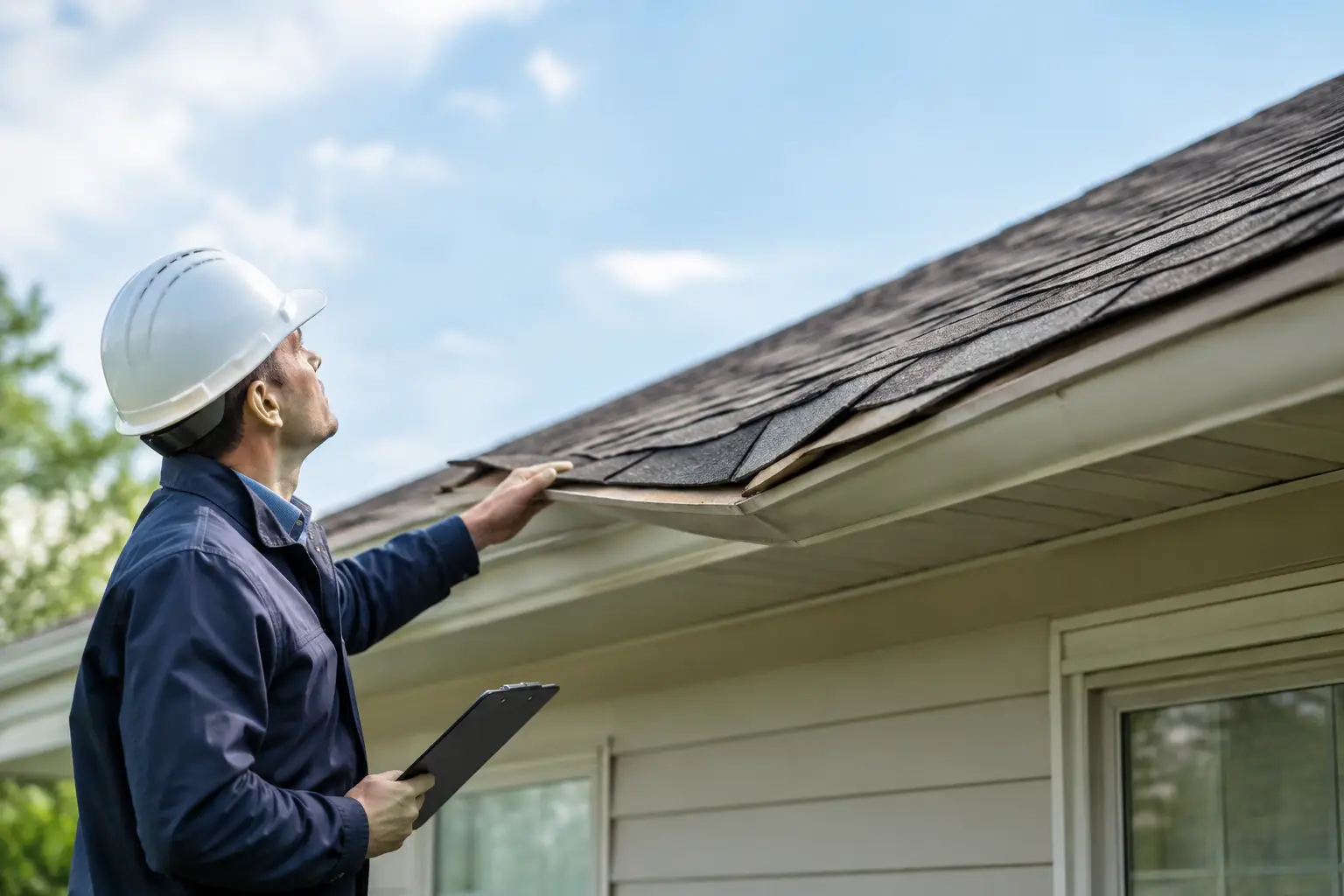
This is where an experienced inspection matters. Homeowners should know whether they are paying for short-term relief or long-term protection. A sound contractor will explain that difference clearly instead of pushing the largest project by default.
You should also compare the monthly payment against the real cost of waiting. Delaying roof work can lead to damaged sheathing, ruined insulation, interior water damage, mold concerns, and ventilation-related issues. In Connecticut, freeze-thaw cycles, wind-driven rain, snow loads, and ice dam conditions can make a compromised roof deteriorate faster than many homeowners expect.
That means financing a needed project now can sometimes cost less than postponing it. The goal is not simply to borrow. The goal is to stop the property from getting more expensive to fix.
What affects approval and borrowing cost
Credit score is part of the picture, but it is not the whole picture. Lenders may also review income consistency, debt-to-income ratio, home equity position, and recent credit activity. A homeowner with strong income and moderate debt may have more options than someone carrying multiple high-balance accounts.
Project size matters too. A small leak repair may not justify a larger formal loan product, while a complete tear-off and replacement may require more structured financing. Material choice can also influence the number. Asphalt shingles usually fall into a different budget range than slate, cedar, or metal systems, and specialty homes often bring more detail work.
Approval timing can matter just as much as rate. If a roof has active leaks or storm-related damage, a slightly higher rate with fast access to funds may be more practical than a lower-rate option that takes weeks to finalize.
Questions to ask before signing financing paperwork
Before you approve any plan, make sure you understand whether the rate is fixed or variable, whether there are origination fees, whether there is a prepayment penalty, and what the total repayment amount will be over the life of the loan. Monthly payment alone is not enough.
You should also ask what happens if hidden damage is found once the roof is opened. This is not unusual on older homes. Rotten decking, poor ventilation, flashing failures, or prior improper repairs can change the final scope. A realistic contractor will talk about that possibility upfront.
It also helps to confirm whether the financing covers only the roofing contract or can include related needs such as gutters, skylight flashing, ventilation improvements, or structural corrections. Those details affect both the quality of the finished job and the final project cost.
Why local roofing guidance matters when financing a project
Roof financing is easier to evaluate when the estimate itself is accurate. That is especially true in areas like Fairfield County, where weather exposure, home age, and architectural variety can make roofing work more complex than a generic online price range suggests.
A coastal home may face different material and fastening considerations than an inland property. A historic home may require more careful planning than a standard suburban replacement. And a roof with ventilation problems, multiple layers, or hidden storm damage may need more than basic shingle replacement. Financing should be built around real site conditions, not a rough guess.
That is one reason homeowners often benefit from working with an established local contractor. A company like Rick’s Main Roofing understands how Connecticut weather patterns, ice dams, flashing issues, and material performance affect the true scope of roof work. Better planning leads to better financing decisions because the numbers are based on conditions you actually have.
If your roof needs attention, the right next step is not rushing into the first payment plan you see. It is getting a clear inspection, a detailed estimate, and financing terms you can live with comfortably while the home gets the protection it needs.