

Connecticut roofs do not fail all at once. More often, they wear down in small, expensive ways – a lifted shingle after a winter storm, flashing that starts to separate near a chimney, drainage that slows after leaves and debris build up. A smart roof maintenance plan Connecticut property owners can rely on is designed to catch those issues early, before they become interior damage, emergency repairs, or premature replacement.
For homeowners and building managers in Fairfield County, maintenance is not a nice extra. It is part of protecting the value of the property. Connecticut weather puts roofing systems through repeated stress from snow loads, ice dams, coastal wind, heavy rain, humidity, and seasonal temperature swings. Even a well-installed roof benefits from regular inspection and service, especially when the goal is to extend its lifespan and avoid disruptions.
What a roof maintenance plan in Connecticut should actually do
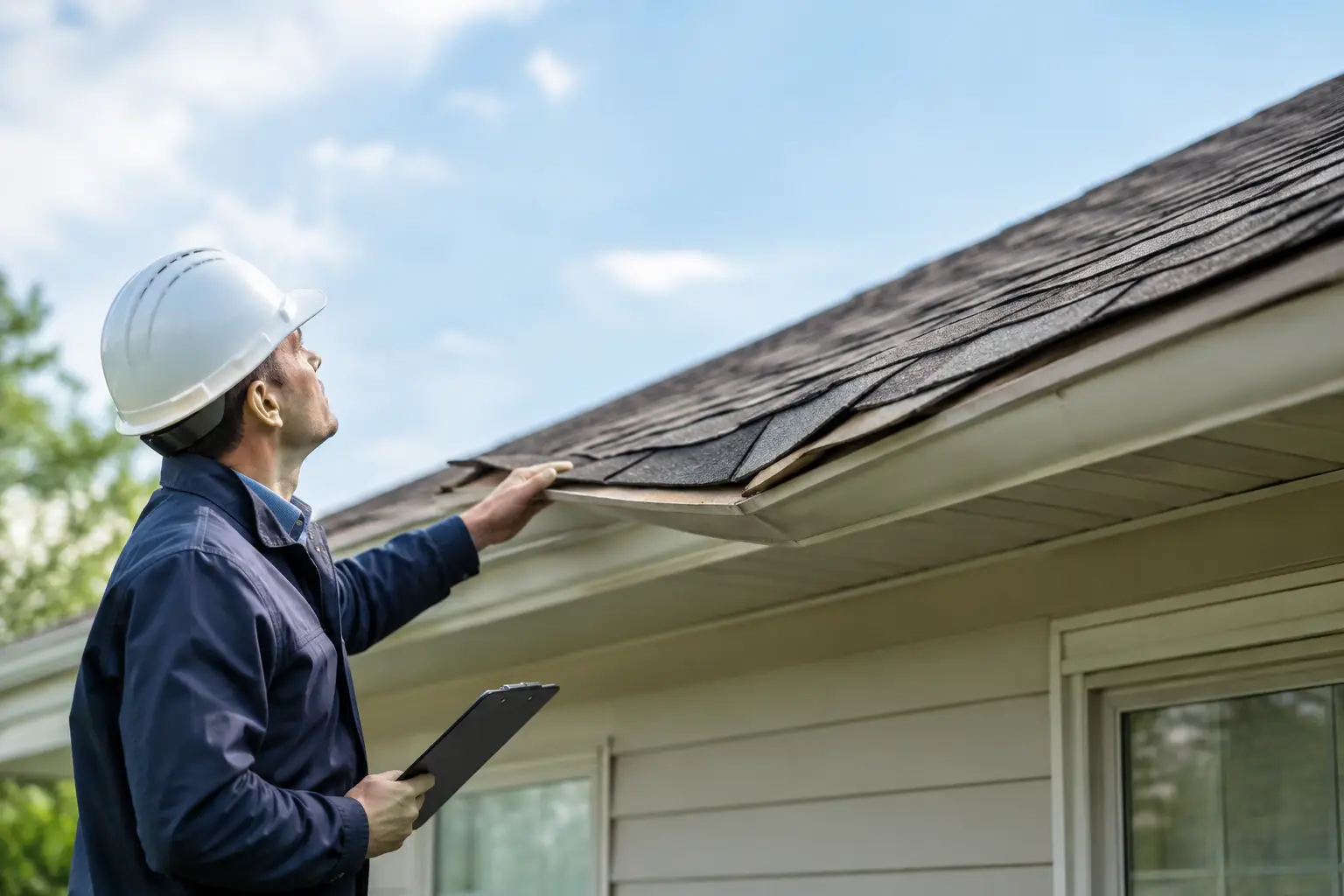
A good maintenance plan is not just a quick look from the ground. It should be a structured service that tracks the condition of the roofing system, identifies weak points, and addresses minor problems before they spread. That includes shingles or membrane surfaces, flashing, sealants, drainage components, ventilation, roof penetrations, and the surrounding areas where water can enter.
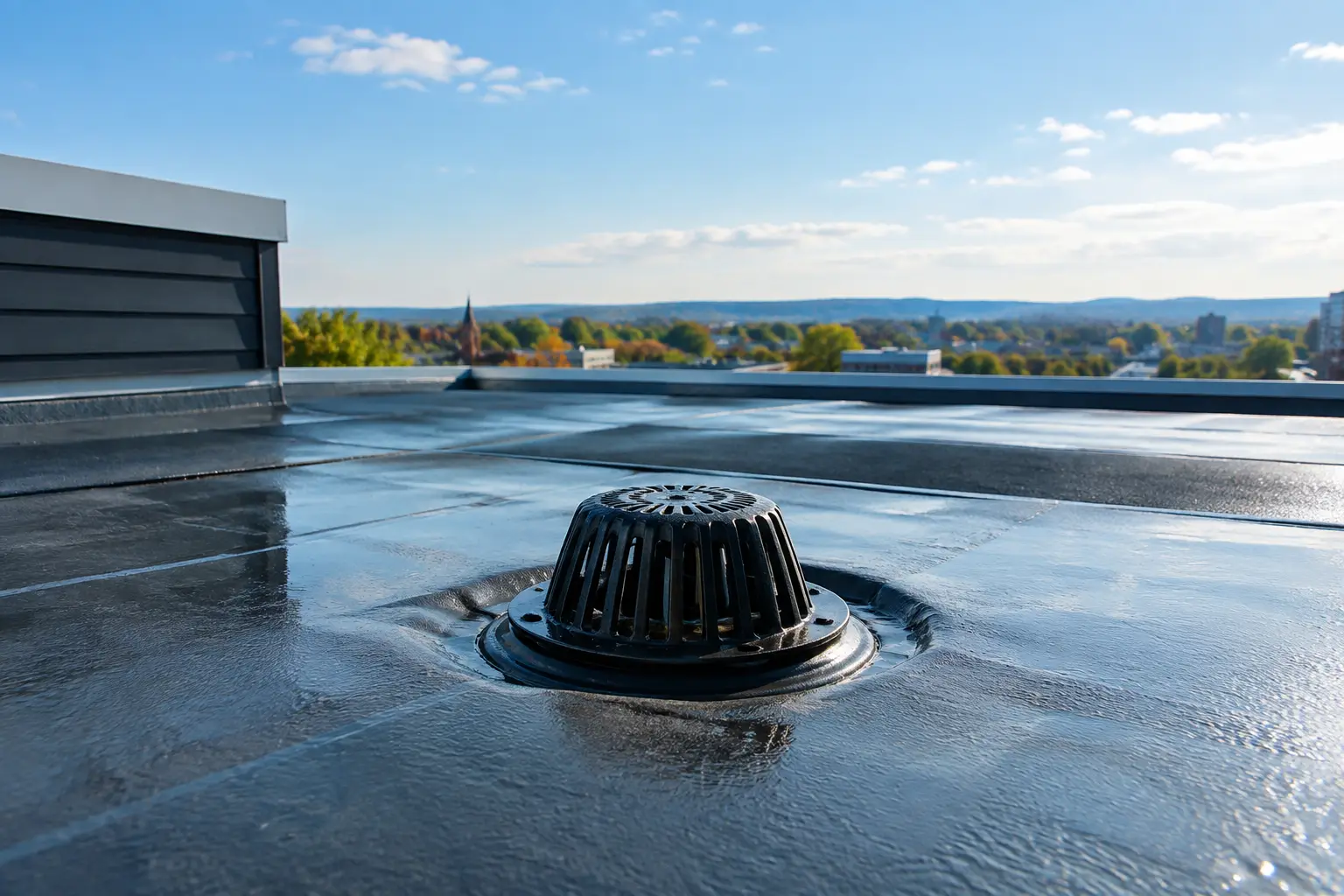
For residential properties, this often means looking closely at valleys, pipe boots, ridge vents, skylights, chimney flashing, and gutter performance. For commercial buildings, the focus may also include seams, drainage paths, rooftop equipment penetrations, coping caps, and areas where ponding water tends to form.
The purpose is straightforward. Maintenance helps reduce surprise leaks, control repair costs, support warranty compliance where applicable, and give owners a clearer picture of when repair is still practical and when replacement should be planned.
Why Connecticut roofs need a maintenance-first approach
Connecticut creates a specific kind of roofing wear. Winter is the obvious threat, but it is only part of the picture. Snow and freeze-thaw cycles can open up vulnerable areas around flashing and roof edges. Ice dams can force water back under shingles. Spring and summer bring rain, humidity, algae growth, and strong storms. Along the coast, salt air and wind exposure can accelerate deterioration on certain materials and fastening points.
That is why a roof maintenance plan Connecticut owners choose should reflect local conditions, not a generic checklist. A house in Norwalk near the water may face different challenges than an inland property with heavy tree cover. A historic slate roof needs a different maintenance strategy than asphalt shingles. A low-slope commercial roof will have very different drainage and seam concerns than a steep residential roof.
Maintenance works best when it is tailored to the roofing system and the property itself. There is no single schedule or service scope that fits every building.
What is typically included in a roof maintenance plan Connecticut owners use
Most effective plans include scheduled inspections, minor corrective work, and documentation of roof condition over time. The inspection should look for visible damage, aging materials, loose or missing components, clogged drainage, signs of moisture entry, and early indicators of structural or ventilation issues.
Minor repairs are often where owners see the biggest value. Resealing exposed fasteners, replacing damaged shingles, securing loose flashing, clearing debris, and correcting small drainage issues cost far less than waiting for an active leak. If the roof is over a finished attic, office space, tenant area, or inventory room, the value of early intervention is even greater.
Documentation also matters. For property managers and commercial owners, recorded inspection findings help with budgeting and asset planning. For homeowners, maintenance records can support resale value and provide a more informed path if a major repair or replacement is eventually needed.
How often should a roof be inspected?
For most Connecticut properties, twice-yearly inspections are a practical baseline – typically once in the spring and once in the fall. That timing helps identify winter damage and prepare the roof before cold weather returns. Additional inspections after major storms are also a smart move, especially if there has been high wind, hail, or heavy snowfall.
That said, frequency depends on the roof type, age, and exposure. An older roof, a coastal property, or a building with recurring drainage issues may need more attention. Commercial roofs often benefit from a more structured service schedule because foot traffic, rooftop equipment, and low-slope drainage patterns create more variables.
If a roof has already shown signs of recurring leaks, delayed maintenance usually costs more. In those cases, a consistent plan is less about prevention alone and more about stabilizing the roof while decisions are made about larger repairs or replacement.
Common problems a maintenance plan can catch early
Many roof failures start in places owners do not regularly see. Flashing around chimneys, vents, walls, and skylights is one of the most common trouble spots. Sealants can dry out, metal can shift, and fasteners can loosen over time. By the time staining appears inside, the roof may have been leaking for weeks or months.
Drainage is another major issue. When gutters overflow or flat-roof drains slow down, water can back up into vulnerable areas. On sloped residential roofs, clogged gutters can contribute to fascia damage and ice dam formation. On commercial roofs, standing water can shorten membrane life and increase the likelihood of seam failure.
Ventilation problems also deserve attention. Poor attic ventilation can trap heat and moisture, affecting shingle performance and encouraging mold or wood deterioration. In winter, it can contribute to uneven roof temperatures that make ice dams worse. A maintenance plan that only looks at the roof surface and ignores ventilation misses part of the problem.
Different roofs need different maintenance strategies
Asphalt shingles remain common across Connecticut, but even within that category, age and installation quality make a difference. Newer architectural shingles may only need routine inspections and occasional minor repairs. Older shingle roofs often need closer attention around tabs, seal strips, flashing, and granule loss.
Slate and cedar require a more specialized eye. Broken slate tiles, failed fasteners, and improper foot traffic can create avoidable damage. Cedar roofs need monitoring for splitting, moss, moisture retention, and flashing wear. These systems can last a long time, but only if they are maintained by contractors who understand the material.
Metal and rubber roofs also have their own service needs. Metal systems may need attention at seams, fasteners, and expansion points. Rubber and other low-slope commercial systems rely heavily on seam integrity, drainage performance, and proper detailing around penetrations. The wrong repair method can create bigger problems later, so material-specific experience matters.
Choosing the right roof maintenance plan Connecticut service provider
Not every roofing company approaches maintenance with the same level of care. Some treat it as a quick add-on. Others use it as a true asset-protection service. The difference shows up in inspection quality, repair recommendations, response time, and whether the contractor understands the roof type on your building.
Property owners should look for a contractor with local experience, clear communication, and the ability to handle both routine issues and urgent problems when they arise. In Connecticut, that means knowing how ice, wind, moisture, and coastal exposure affect different materials. It also means being realistic. A trustworthy roofer will explain when a roof is a good candidate for maintenance and repair, and when ongoing patchwork is no longer cost-effective.
For many owners in Norwalk and across Fairfield County, working with an established full-service roofing contractor offers a practical advantage. If an inspection finds storm damage, ventilation problems, or signs that replacement is approaching, the same company can often guide the next step without delays. That continuity is one reason many property owners turn to experienced local firms such as Rick’s Main Roofing for ongoing roof care.
Maintenance versus replacement – knowing when the plan changes
A maintenance plan is meant to extend roof life, not pretend every aging roof can be preserved indefinitely. If the system is near the end of its service life, has widespread material failure, or has repeated leak history across multiple areas, replacement may be the better financial decision.
That is where honest evaluation matters. Spending modestly on maintenance makes sense when the roof is fundamentally sound. It makes less sense when repairs are stacking up and performance is declining. A good contractor should help you weigh those costs clearly, based on condition, age, and risk to the building interior.
The best time to think about roof maintenance is before there is a bucket in the hallway, a stain on the ceiling, or a tenant calling about water intrusion. In Connecticut, weather does not wait for a convenient time, and roofing problems rarely stay small for long. A well-built maintenance plan gives you a clearer picture of your roof, more control over costs, and a better chance of avoiding the kind of damage that interrupts life and business.