

The roof is one of the most critical parts of any residential or commercial property. It forms the basic shelter as it covers the building structure to protect it from outside conditions such as rain.
However, this isn’t the sole purpose of a roof. It aids in temperature control and keeps your place healthy. While planning roof construction, people often ignore attic ventilation. Yet, this simple system is important for numerous reasons.
Let us highlight what roof ventilation is and how it works for different types of buildings, such as metal roofs and sheds.
What is Roof Ventilation?
Rooftop ventilation is the system that circulates air in and out of your attic space. It pulls in fresh air and expels hot air. This continuous air passage keeps you away from issues such as heat damage or high energy bills.
Ventilation systems include intake vents that bring air inside and exhaust vents to push air outside.
Let’s explore what happens if you ignore attic ventilation. Gradually, heat and moisture are trapped inside the area. It causes rot, roof damage, and even health problems due to mold growth.
Why is Attic Ventilation Important?
Did you know that proper roof airflow can save you 10–30% on energy bills by reducing attic heat and strain on HVAC systems? Experts recommend a ventilation system for the attic due to impressive benefits such as:
- Moisture Control: Moisture droplets collect in the attic due to daily activities such as cooking. It can contribute to mold growth without any ventilation.
- Roof Damage: Hot air is trapped in summer, and it can impact your underlayment. Ventilation removes heat before it affects your roof.
- Cuts Back Energy bills: A well-ventilated roofing system can control the indoor temperature. It means your heating and cooling systems can rest a little.
- Extends Roof Life: When the ventilation systems are working, the roof will last longer.
- Improves air quality: Good airflow means better air in your living space and ensures the health of your family.
Signs That You Need Ventilation for Rooftop
Do you think your roof doesn’t permit good airflow? It’s time to check. People don’t notice the signs until it has caused intense damage. Here are a few indicators that tell if you need better roof airflow:
- The place feels very hot in summer
- You notice damp spots on the ceiling
- Ice dams collect on the roof in winter
- Your electricity bills are immensely high
- The air in your place is stale
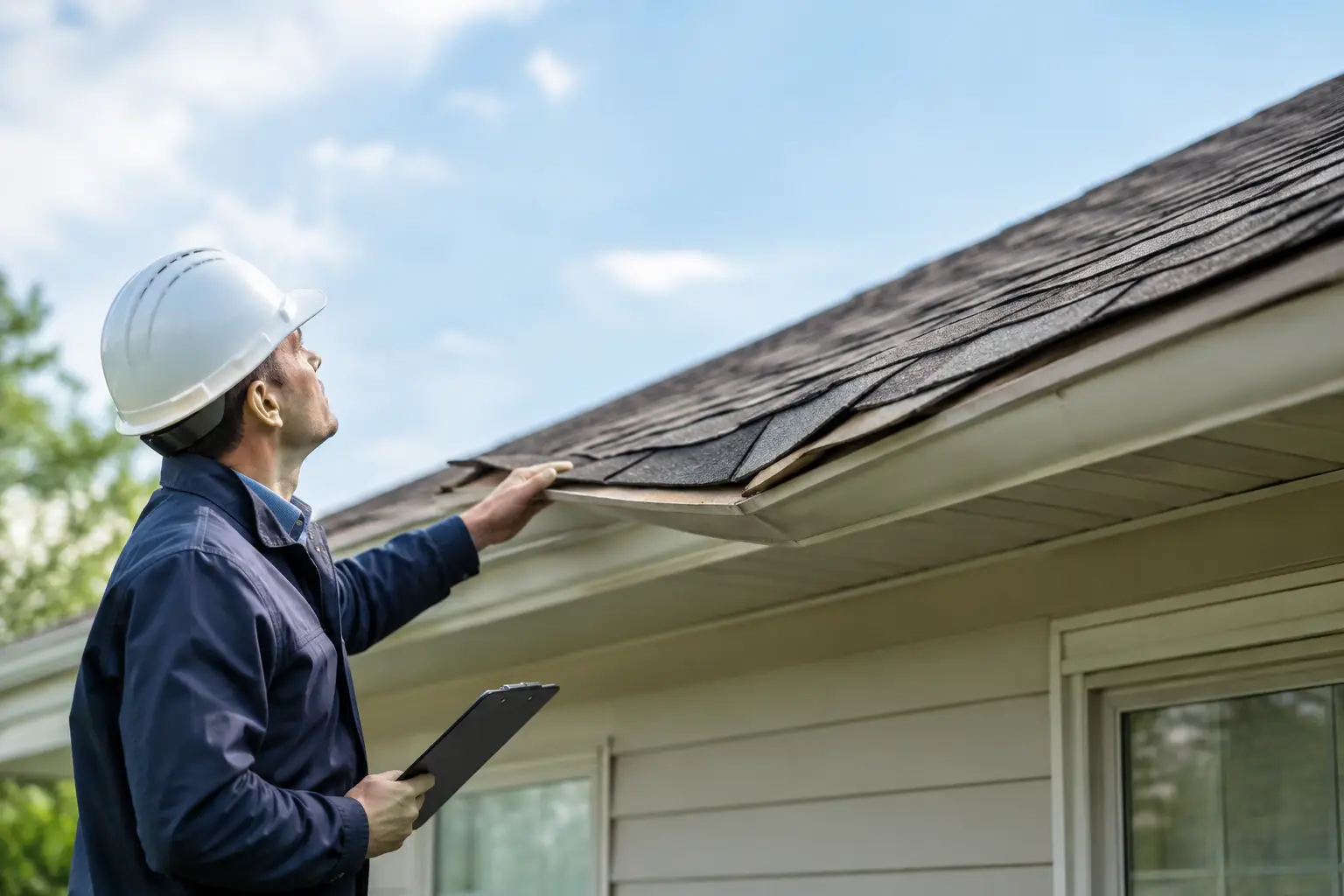
These problems are easy to miss. That’s why we highly recommend having your roof inspected by professionals once a year. Rick’s Main Roofing’s skilled team inspects your vents and fixes any issues before they become expensive problems.
How Does the Ventilation System for Roofs Help?
A roof air ventilator is a type of exhaust vent that helps push hot air out of your attic. These are often seen on residential and commercial buildings. They come in many types—some powered by wind (like turbine ventilators), others by electricity or solar energy.
Benefits of using a roof air ventilator:
- Pulls out hot and humid air
- Works in all seasons
- Reduces mold risk
- Improves comfort inside the house
It keeps the roof cool and dry. Do you want help selecting a suitable ventilator for your home? Get in touch with Rick’s Main Roofing. We make roof improvements easy.
Roof Ventilation for Metal Roofs
Ventilation for metal roofs is vital. Some people think metal roofs don’t need ventilation, but it’s far from reality. Metal can trap heat even more. A metal roof without proper airflow will result in:
- Overheated attics
- Moisture problems
- Rust or corrosion
- Damaged insulation
To avoid these issues, vents are added at the top and bottom of the roof. Ridge vents, gable vents, or mechanical fans work well with metal roofing. It provides the strength of metal along with the convenience of proper air circulation.
We’ve installed and repaired many metal roofs across both homes and commercial buildings. If your metal roof feels too hot or you see signs of moisture, we can help.
What About Ventilation for a Shed Roof?
You might not think a small shed or outbuilding needs airflow. But just like a home, sheds can trap heat and moisture. Over time, that can damage the wood and make your tools or stored items rust.
Shed roof ventilation is simple to add. A few small vents near the roofline or a wind-driven roof air ventilator can do the job. You’ll stop:
- Heat buildup
- Mold
- Musty smells
This is an easy upgrade with big benefits. We can help install vents on your shed quickly and affordably.
Roof Vent Options
Markets are full of a variety of roof vents, and the best one for you depends on the roof size and local climate. Here are the popular types:
- Ridge vents: Run along the top of your roof; good for even air release.
- Gable vents: These are used for side-to-side airflow.
- Box vents: Square openings near the roof ridge.
- Turbine vents: Spin with wind power to pull air out.
- Powered vents: Run by electricity or solar panels.
We’ll facilitate your selection of a good setup based on your roof type and home needs.
DIY vs. Hiring a Pro
Some homeowners try to install vents themselves. That can work for small jobs. But it’s easy to get it wrong. If vents are in the wrong spot or not enough are added, you won’t get the results you need.
At Rick’s Main Roofing, we design the whole system with intake and exhaust vents for your space. Our team works on homes, sheds, and businesses across the area. You’ll get the right setup without the guesswork.
Attic Ventilation Contributes to Energy Savings
Here’s another reason to think about roof airflow: energy costs. When hot air is stuck in your attic, your AC works harder. In winter, trapped moisture can lower insulation performance. Either way, you pay more.
Adding or improving ventilation helps lower your bills. It’s a small change with big results. We’ve seen homeowners save up to 15% on cooling costs.
This is especially beneficial for businesses. Large roofs collect a lot of heat and moisture. A well-ventilated commercial roof will immensely decrease the power being used by heating and cooling systems to maintain a constant temperature. Plus, it extends the life of the roof.
Wrapping It Up!
A roof without adequate circulation of air is similar to a car without a fan. It can overheat at any time and will end up costing you more.
A reliable roof airflow system is paramount to keep your place dry and cool. It protects your roof and even supports your health by decreasing mold.
Our skilled team knows what works and what doesn’t, and we are available to provide the best results. Don’t wait until mold or damage appears. Reach out to Rick’s Main Roofing now and ask about a ventilation checkup.
FAQs
1. How frequently should I get a roof airflow system inspection?
At least once a year. You must inspect the roofs before summer to check if the airflow is blocked.
2. Can roof vents help stop mold?
Yes. Good airflow keeps your attic dry, and it prevents mold.
3. Is roof airflow needed in winter?
Yes. It prevents moisture accumulation and protects your roof from ice buildup.