A roof rarely fails without warning. A loose shingle after a Nor’easter, granules collecting near a downspout, or a faint water stain on a ceiling can all point to a problem that is still manageable. This roof maintenance checklist helps Connecticut homeowners, commercial property owners, and managers catch those warning signs before they become costly repairs, interior damage, or an unexpected roof replacement.
Fairfield County roofs work hard. They face snow loads, ice dams, wind-driven rain, humid summers, falling branches, and, near the coast, salt air and stronger storm exposure. A regular maintenance routine protects the roof system as a whole, including the shingles or membrane, flashing, drainage, attic ventilation, and the structure beneath it.
A Roof Maintenance Checklist for Fairfield County
The right inspection schedule depends on the building, roof material, tree cover, age, and recent weather. A newer asphalt shingle roof on an open lot may only need routine seasonal checks. A mature cedar or slate roof beneath large trees, a coastal property, or a commercial low-slope roof may need more frequent professional attention.
For most properties, plan for a visual inspection in spring and fall, plus a check after significant wind, hail, or heavy snow events. Avoid walking on a roof unless you have the proper training and safety equipment. Many early problems can be seen from the ground, through a window, or from inside the attic. A roofing professional should handle close inspection, repairs, and any condition that requires accessing the roof surface.
Check the roof after winter
Winter can expose weak points in even a well-installed roof. As snow and ice melt, look for water stains on upper-floor ceilings, damp attic insulation, peeling paint near exterior walls, or water around chimneys and skylights. These signs may indicate ice dam damage, failed flashing, or a ventilation issue.
From the ground, look for shingles that have lifted, cracked, or gone missing. Check valleys, roof edges, and areas around dormers, chimneys, and vents, since these transitions handle a high volume of water. If gutters are overflowing or pulling away from the fascia, address the problem promptly. Standing water and backed-up drainage can damage both the roof edge and the building exterior.
Prepare before summer storms
Warm-weather storms can drive rain beneath loose roofing materials and expose drainage problems quickly. Clear leaves, seed pods, and small branches from gutters and downspouts. Make sure downspouts direct water away from the foundation and are not blocked at the outlet.
Trim branches that rub against the roof or hang directly over it. This reduces abrasion, moss-producing shade, and the risk of punctures from fallen limbs. For commercial buildings, inspect rooftop drains, scuppers, and drain strainers so water has a clear path off the roof during heavy rain.
Inspect again in fall
Fall maintenance is largely about keeping the roof clear before freezing temperatures arrive. Leaves can hold moisture against shingles, cedar shakes, and low-slope membranes. They can also block valleys and gutters, causing water to back up beneath roofing materials.
Check for displaced flashing, open sealant joints, and damaged pipe boots. Rubber collars around plumbing vents are common leak points as they age and crack. On flat and low-slope systems, watch for ponding water that remains more than 48 hours after rain. Persistent ponding does not always mean the roof is leaking, but it increases wear and deserves professional evaluation.
Watch conditions through winter
Do not wait for a ceiling leak to respond to snow and ice. Watch for unusually large icicles, ice buildup along eaves, or snow that melts unevenly across the roof. These may be signs that warm air is escaping into the attic, melting snow above and allowing it to refreeze at the colder roof edge.
Do not chip ice from shingles or use open flames, salt products, or aggressive tools on the roof. Those methods can damage roofing materials and create a safety hazard. If ice dams are recurring, the lasting solution may involve better attic insulation, air sealing, and ventilation rather than repeated emergency removal alone.
What to Look for During Each Inspection
A careful visual check should focus on the areas where roofs most often fail: roofing material, flashing, drainage, penetrations, and the attic. Keep notes and photos of anything that looks different from the last inspection. A small change is often more meaningful than an isolated mark that has been there for years.
Look for these conditions from a safe location:
- Missing, curled, cracked, blistered, or visibly worn shingles
- Exposed nails, loose ridge caps, damaged roof vents, or deteriorated pipe boots
- Rusted, lifted, or separated flashing around chimneys, walls, skylights, and valleys
- Clogged gutters, sagging gutters, loose downspouts, and debris collected in roof valleys
- Moss, algae, lichen, or excessive tree debris holding moisture against the roof
- Loose membrane seams, punctures, open edges, or standing water on low-slope roofs
Granules in gutters are worth monitoring on asphalt shingles. Some granule loss is normal, especially after a new roof is installed, but heavy accumulation on an older roof may signal that the protective surface is wearing away. Cedar, slate, metal, and rubber roofs have different warning signs, which is why material-specific inspection matters.
Do Not Skip the Attic and Interior
The attic often reveals roofing trouble before the exterior does. On a dry day, use a flashlight to look for dark staining on rafters, damp insulation, visible daylight, mold growth, or rusty nail tips. A musty smell can also indicate moisture is being trapped in the attic.
Ventilation is not just about comfort. It helps control heat and moisture, limits condensation, and supports more even roof temperatures during Connecticut winters. Exhaust vents need a clear route out, while intake ventilation at soffits must not be blocked by insulation. If the attic feels excessively hot in summer or shows recurring moisture in winter, have the ventilation system assessed along with the roof.
Inside the living or working space, inspect ceilings near exterior walls, around skylights, and beneath bathrooms or mechanical equipment. Not every stain is a roof leak. Plumbing, condensation, and HVAC issues can create similar symptoms. A professional inspection can identify the source before the wrong repair is made.
Adjust Maintenance for Your Roofing Material
Asphalt shingles should be checked for granule loss, wind damage, cracked tabs, and failed seal strips. Cedar roofs need attention to split shakes, moss, moisture retention, and fastener corrosion. Slate requires specialized care because broken or slipped tiles can be repaired, but improper foot traffic can cause unnecessary damage.
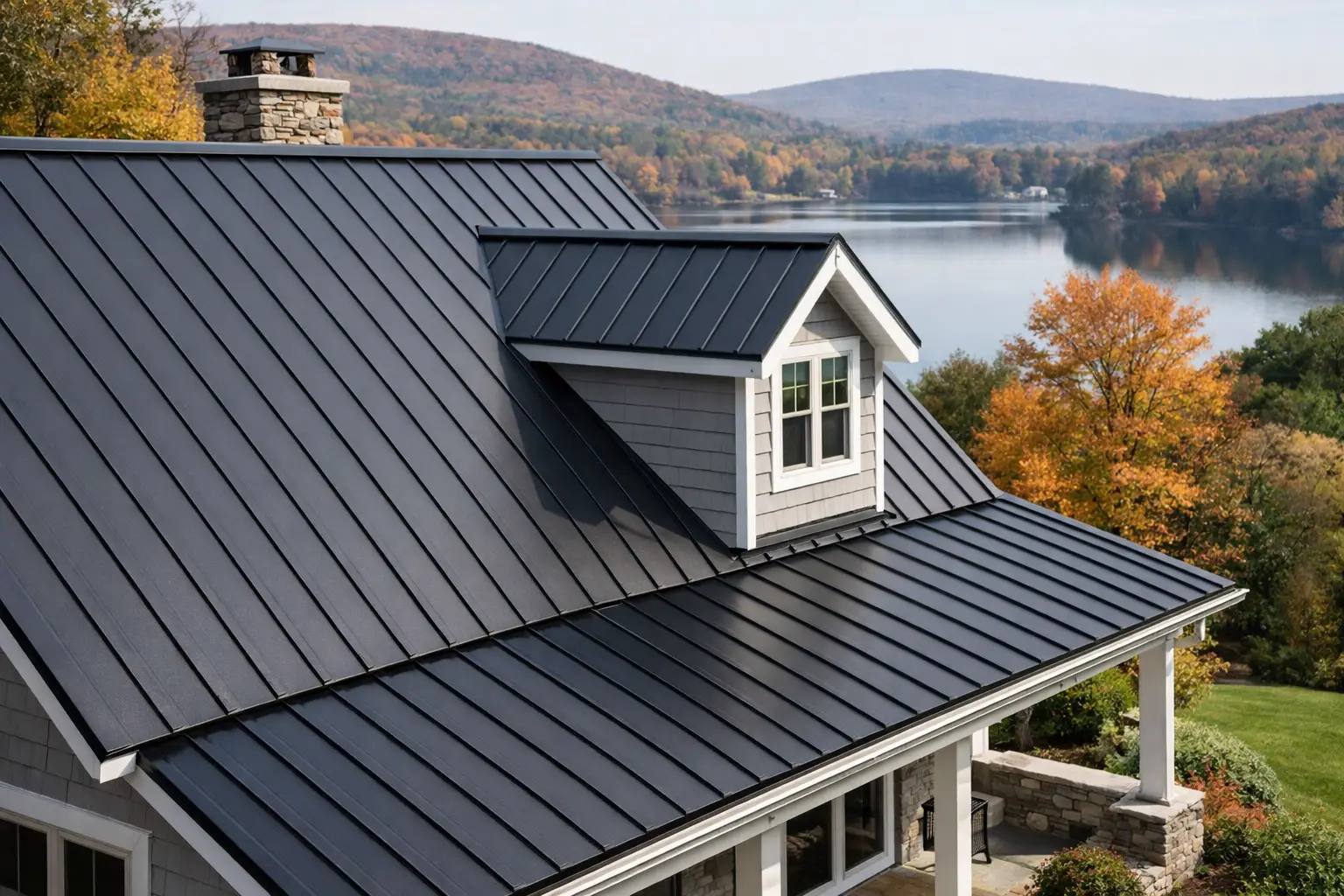
Metal roofs should be inspected for loose fasteners, damaged seams, coating wear, and flashing movement. Rubber and other commercial membrane systems need regular checks of seams, penetrations, drains, curbs, and perimeter edges. A repair approach that works for one material can shorten the life of another, so use a contractor experienced with the roof system already in place.
Historic and coastal properties deserve particular care. Historic roofing materials may require preservation-minded repairs, while coastal roofs face stronger winds and salt exposure that can accelerate corrosion. In both cases, early maintenance protects the character and long-term value of the property.
When to Call a Roofing Professional
Call for professional help if you see active leaking, missing materials, storm damage, sagging, recurring ice dams, ponding water, or signs of widespread wear. A roof inspection is also wise before purchasing a property, after a major storm, or when a roof is approaching the later part of its expected service life.
A qualified roofer can safely inspect areas that are difficult to see, identify whether a repair is practical, and explain whether a maintenance issue is isolated or part of a larger system concern. For commercial properties, scheduled maintenance can also help prevent disruptions, protect inventory and equipment, and support long-term budgeting.
Rick’s Main Roofing provides inspections, repairs, maintenance, replacement, and emergency response for residential and commercial properties across Norwalk and Fairfield County. When a roof concern cannot wait, prompt evaluation can prevent a manageable repair from turning into a larger loss.
Set a reminder for your next seasonal inspection, and treat any new stain, loose material, or drainage change as a reason to look closer. Roof maintenance is most effective when small concerns are handled while the rest of the building remains protected.