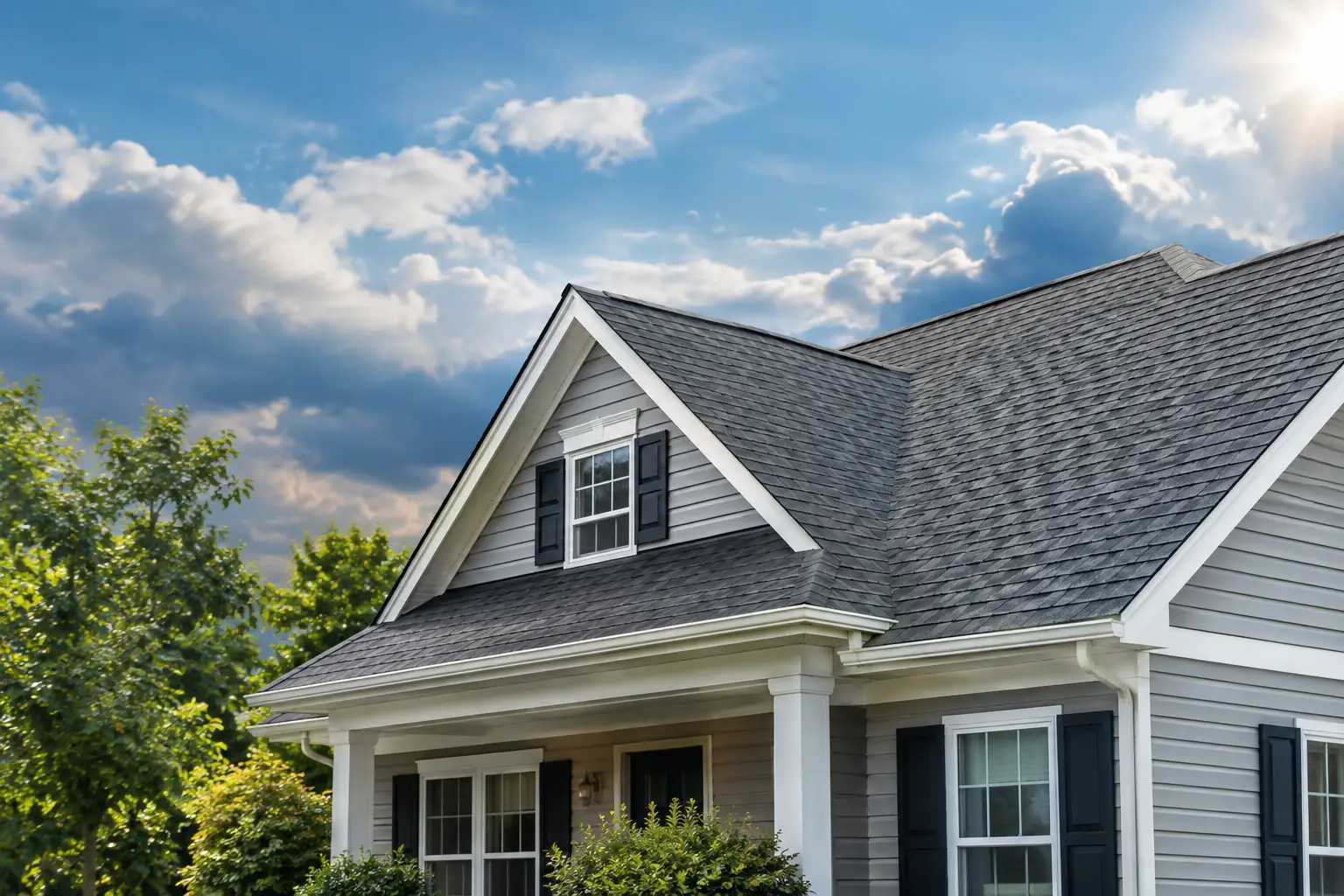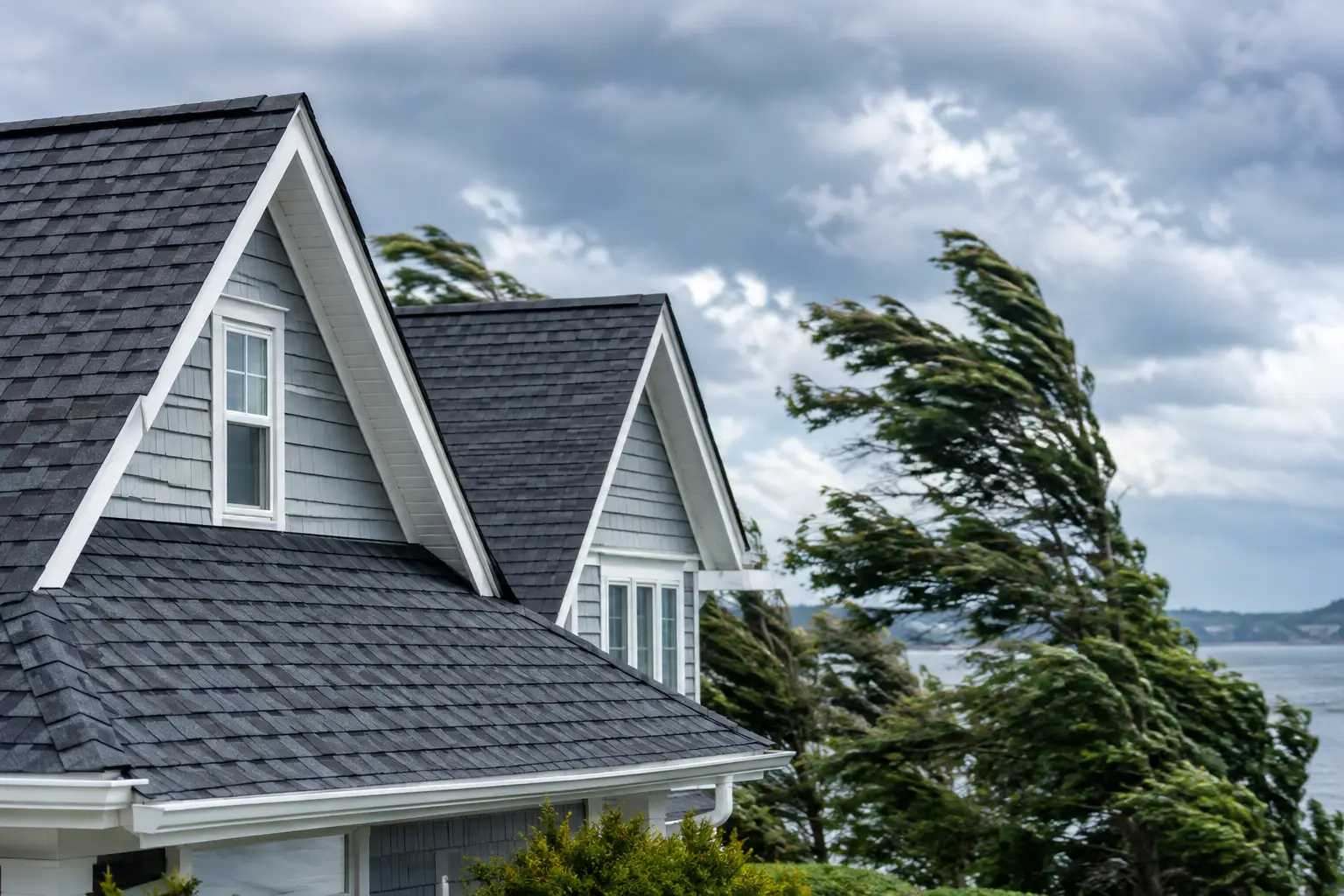


A few missing asphalt granules after a storm may not look urgent, but they can be the first visible sign that a roof took more abuse than it was designed to handle. For Connecticut property owners, impact shingles can be a practical way to add another layer of protection against hail, wind-driven debris, and the repeated weather swings that wear down an ordinary asphalt roof.
They are not the right answer for every building or every roofing budget. However, for homeowners planning a replacement, managing a coastal property, or looking to reduce the risk of storm-related damage, impact-resistant asphalt shingles deserve a closer look.
What Are Impact Shingles?
Impact shingles are asphalt shingles manufactured and tested to resist damage from hail and other flying debris better than standard asphalt shingles. They typically use a reinforced construction, such as a modified asphalt blend and a more durable backing, to help the shingle absorb impact without cracking or losing significant surface granules.
The rating most property owners will encounter is the UL 2218 impact-resistance classification. This test evaluates how a roofing product performs when struck by steel balls intended to simulate hail impact. Class 4 is the highest rating and is generally the level homeowners mean when they ask about impact-resistant roofing.
A Class 4 rating does not mean a roof is indestructible. Severe hail, fallen limbs, wind-blown branches, and debris can still damage any roofing system. The rating means the shingle has performed better in standardized impact testing than a conventional shingle product.
Why Connecticut Roofs Can Benefit From Impact Resistance
Fairfield County roofs do not face one single weather threat. A roof may deal with heavy rain and strong winds in one season, snow load and ice dams in another, then heat and humidity that affect attic conditions during the summer. Along the coast, wind exposure and salt-laden air add another consideration.
Hail is often the focus of conversations about impact shingles, but it is not the only reason to consider them. A roof can be struck by small branches during a windstorm, debris during a fast-moving thunderstorm, or ice-heavy material falling from nearby trees. Standard shingles may crack, bruise, or shed granules under impact. Those issues are not always obvious from the ground, yet they can shorten the roof’s service life or create a path for water intrusion.
For homes surrounded by mature trees, located in exposed areas, or positioned near the Connecticut shoreline, a stronger shingle can be a sensible part of a larger roofing strategy. Proper flashing, balanced ventilation, ice-and-water protection, and careful installation remain just as important.
Understanding Class 4 Impact Shingles
What the rating tells you
A Class 4 shingle has passed the highest UL 2218 impact-resistance test classification. That provides a useful comparison point when selecting materials, especially when evaluating premium asphalt shingles against standard architectural options.
It is also worth checking the specific product documentation. Manufacturers may offer several shingle lines, and not every architectural shingle carries the same impact rating. Color selection, regional availability, warranty requirements, and roof design can affect which product is appropriate.
What the rating does not tell you
The laboratory rating does not guarantee that an insurer will cover every storm claim or that a roof will never need repairs. Insurance coverage depends on the policy, deductible, cause of loss, roof age, and inspection findings. Some insurers offer premium credits for qualifying Class 4 roofs, while others do not. Property owners should confirm potential savings directly with their insurance carrier before making a purchase decision based on a discount.
The rating also does not replace a qualified roof inspection after a significant storm. Damage to flashing, ridge caps, gutters, skylights, or roof penetrations can occur even when the field shingles appear intact.
The Cost Trade-Off: Higher Upfront Price, Potential Long-Term Value
Impact-resistant shingles generally cost more than standard asphalt shingles. The final difference depends on the selected product, roof size and pitch, removal needs, decking repairs, accessory materials, and job complexity. A steep roof with multiple valleys, chimneys, skylights, and dormers requires more labor and more careful detailing regardless of shingle type.
The higher material cost may be worthwhile when it helps avoid premature repairs or replacement after a damaging storm. It can also be appealing for owners who expect to remain in the home for many years and want durable, attractive asphalt roofing without moving to a more expensive system such as slate or metal.
That said, a Class 4 roof is not automatically the best investment in every situation. If a property is nearing a major renovation, will be sold soon, or has a roof structure that needs substantial repair first, the budget may be better directed toward underlying conditions. A dependable roofing contractor should explain the options clearly rather than treating one material as the answer for every roof.
Installation Determines How Well the Roof Performs
Even the best impact-resistant shingle cannot compensate for poor workmanship. Roof performance depends on the full system, not just the shingles visible from the street.
A properly planned installation begins with an assessment of the existing roof deck. Damaged, soft, or uneven decking should be addressed before new materials are installed. The roofing system should then include the correct underlayment, ice-and-water protection in vulnerable areas, properly installed flashing, compatible ventilation, and fastening methods that meet manufacturer requirements and local conditions.
Wind resistance is especially dependent on installation details. Nail placement, fastener quantity, starter shingles, hip and ridge components, and sealing can all affect how well the roof holds together during a storm. For coastal and exposed Fairfield County properties, these details deserve close attention.
Ventilation is another factor that is easy to overlook. Excess heat and moisture in the attic can shorten shingle life, contribute to condensation concerns, and make winter ice dam conditions worse. A roof replacement is an opportunity to evaluate intake and exhaust ventilation as part of the entire system.
When Impact-Resistant Shingles Make the Most Sense
Impact shingles are often a strong choice for long-term homeowners, properties with frequent tree exposure, homes in open or coastal locations, and buildings where avoiding disruption from storm repairs is a priority. They can also be a good fit for owners who want a high-performance asphalt roof while maintaining a traditional residential appearance.
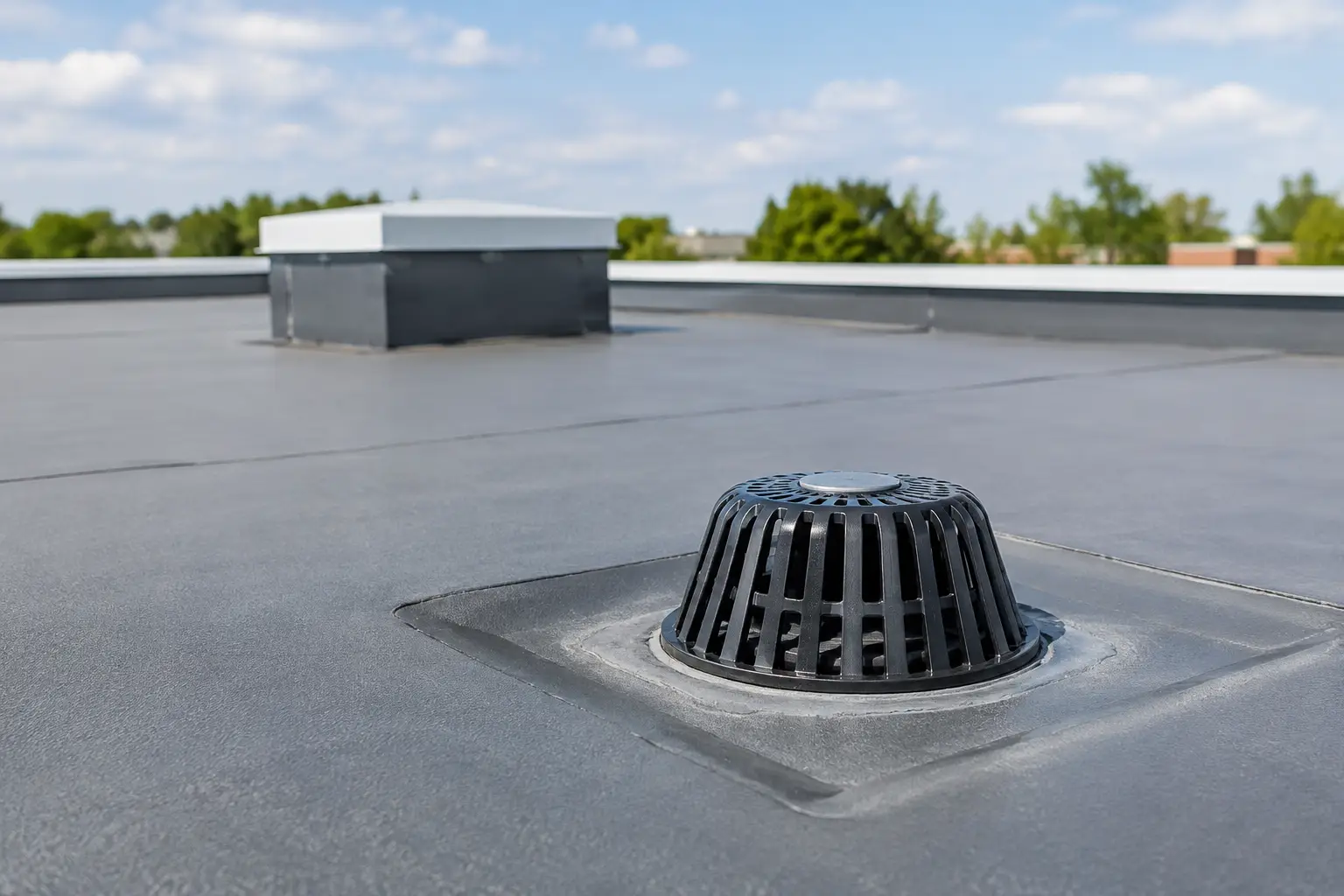
For commercial properties, the decision may be different. Low-slope roofing systems, drainage requirements, rooftop equipment, foot traffic, and membrane compatibility often matter more than shingle impact ratings. A commercial roof should be evaluated based on the specific system and how the building is used.
Historic homes require additional consideration as well. An impact-resistant asphalt product may not be appropriate where architectural character, local requirements, or existing slate and cedar roofing call for a material-specific approach. The goal is to improve protection without compromising the property’s design or long-term value.
Questions to Ask Before Choosing Impact Shingles
Before committing to a shingle line, ask whether the product carries a verified Class 4 rating and whether it is appropriate for your roof’s slope and design. Discuss the manufacturer’s warranty requirements, the planned underlayment and flashing details, ventilation needs, and whether the contractor will inspect the roof deck during tear-off.
It is also wise to ask how the roof will be protected during installation and how storm-related issues will be handled if they are discovered. A clear written estimate should identify the major components of the roofing system, not simply list a shingle brand and a square-foot price.
Rick’s Main Roofing helps homeowners and property owners across Norwalk and Fairfield County evaluate roofing materials based on real conditions, not a one-size-fits-all sales pitch. Whether a roof needs a storm inspection, repair, or full replacement, the right next step is a professional assessment of the roof you actually have – and the weather it must withstand.