

A hailstorm can leave a roof looking unchanged from the driveway while causing damage that shortens its service life. Hail damaged shingles may have bruised asphalt, fractured protective granules, broken edges, or weakened seals that are difficult to identify without a close, safe inspection. For homeowners and property managers in Fairfield County, acting promptly after a storm can prevent a small issue from becoming a leak, interior damage, or an avoidable full replacement.
What Hail Does to an Asphalt Shingle Roof
Asphalt shingles are built in layers. The surface granules protect the asphalt beneath from ultraviolet exposure, while the underlying mat provides reinforcement and the adhesive strip helps shingles resist wind. When hail strikes, it can knock off granules, compress the asphalt layer, crack the shingle, or break tabs along exposed roof edges.
Damage is not always tied to dramatic, golf ball-sized hail. Smaller hail can still cause problems when it falls quickly, hits an older roof, or is driven by strong wind. A roof already affected by age, heat, coastal exposure, or prior storm wear has less ability to absorb impact without damage.
The immediate concern is not always a hole in the roof. A hail bruise can leave the shingle structurally weakened while it still sheds water for the moment. Over time, temperature swings, rain, snow, and wind can expand that weakness. In Connecticut, a roof that enters winter with compromised shingles may also be more vulnerable to ice-related moisture intrusion.
Signs of Hail Damaged Shingles
A ground-level review can help you recognize whether a professional inspection is warranted, but property owners should not walk on a roof to investigate. Steep slopes, wet shingles, hidden soft spots, and loose granules make storm-damaged roofs unsafe to access.
From the ground, look for fresh shingle debris, unusually heavy granules in gutters or at downspout exits, lifted or missing tabs, and new dark or bare-looking areas on the roof. Damage to soft metal components can also provide useful clues. Dented gutters, downspouts, flashing, vents, and metal window wraps may indicate that the roof took a meaningful impact.
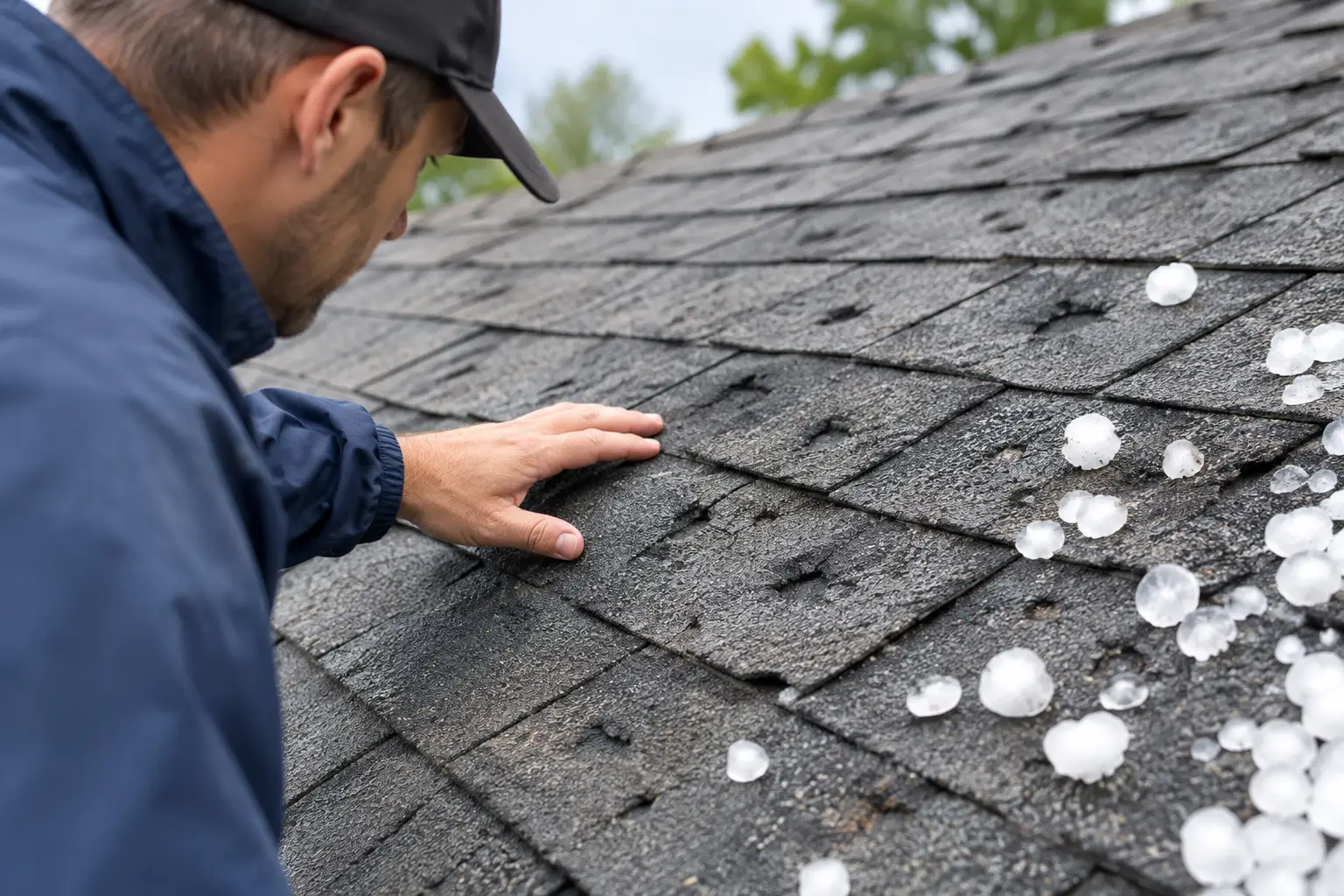
A trained roofer looks for more specific evidence. Hail bruises may appear as circular areas where granules have been displaced and the asphalt feels soft or compressed. There may be cracking, exposed fiberglass mat, sharp-edged fractures, or damage concentrated on the roof slopes facing the direction of the storm.
Hail damage can be mistaken for normal wear
Not every missing granule is storm damage. Shingles naturally lose some granules as they age, particularly near the end of their expected life. Blistering from heat, foot traffic damage, manufacturing defects, and mechanical abrasion can also resemble hail damage at a glance.
That distinction matters. A reliable roof inspection should identify the condition of the full system, not simply point to isolated blemishes. The inspector should consider shingle age, the pattern of damage, slope exposure, flashing condition, attic ventilation, and whether water has entered the structure.
What to Do After a Hailstorm
Start by protecting people and documenting what happened. If water is entering the building, move valuables away from the affected area, place containers under active drips if it is safe to do so, and contact an emergency roofing professional. Avoid climbing onto the roof or attempting a tarp installation without proper training and safety equipment.
Take clear photos and video from the ground of visible roof damage, fallen branches, damaged gutters, and exterior dents. Note the storm date and save any local weather alerts or reports. If you own a commercial property, document disruptions, affected interior areas, and equipment or inventory that may need protection.
Then schedule a professional roof inspection. A thorough assessment helps establish whether the roof needs a targeted repair, temporary weather protection, or replacement. It also creates a documented record of the roof condition soon after the event, which can be helpful if you decide to file an insurance claim.
Do not wait for a ceiling stain before taking action. By the time water reaches the living space, moisture may already have affected roof decking, insulation, wall cavities, or attic framing. Early repairs are usually less disruptive and give you more choices.
Repair or Replacement: How the Decision Is Made
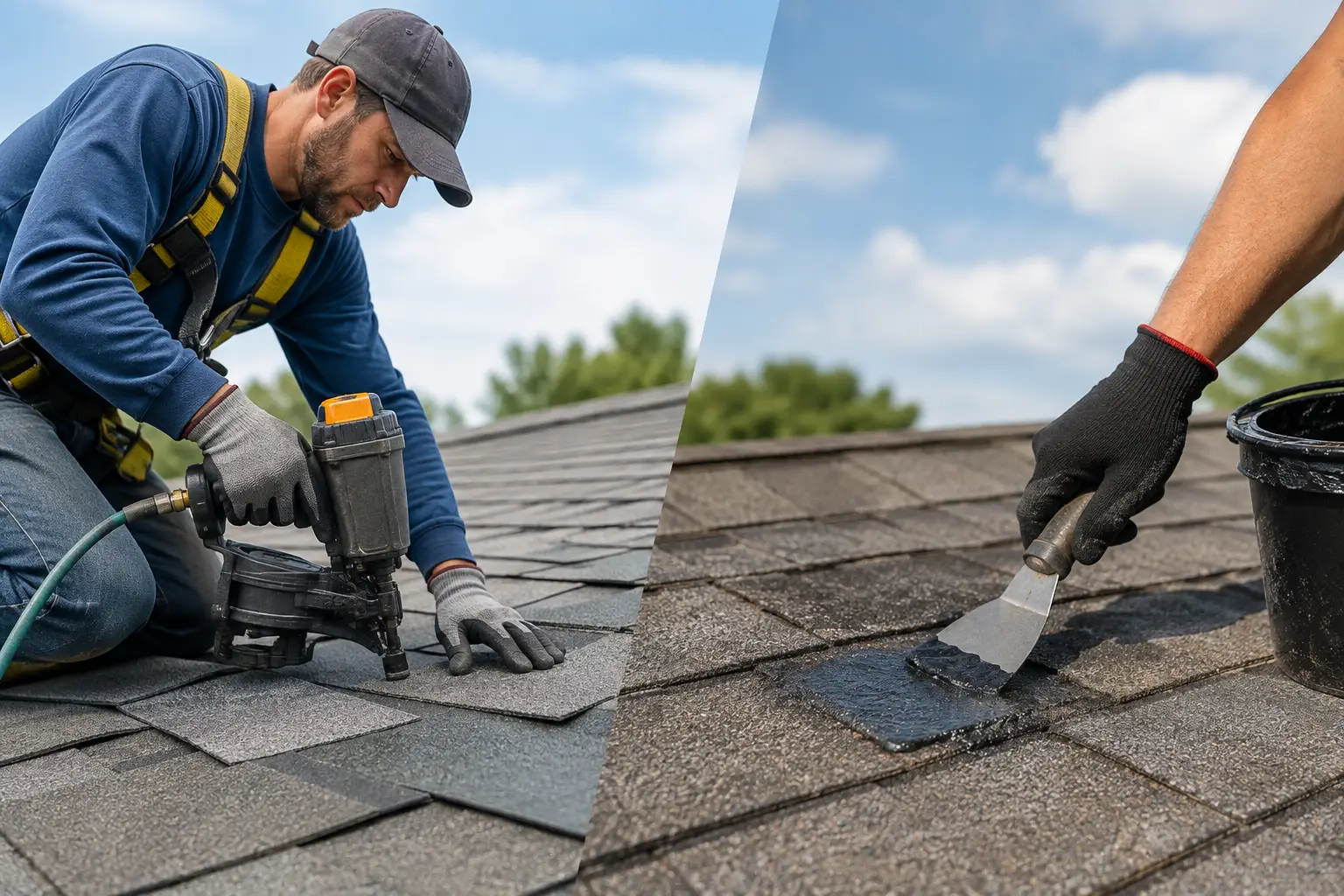
The right solution depends on the extent and location of damage, the roof’s age, the shingle type, and the condition of the remaining roofing system. A repair can be the sensible choice when hail damage is limited to a small, defined area and matching materials are available. Replacing damaged shingles, repairing flashing, and addressing localized leaks may restore reliable performance without replacing the entire roof.
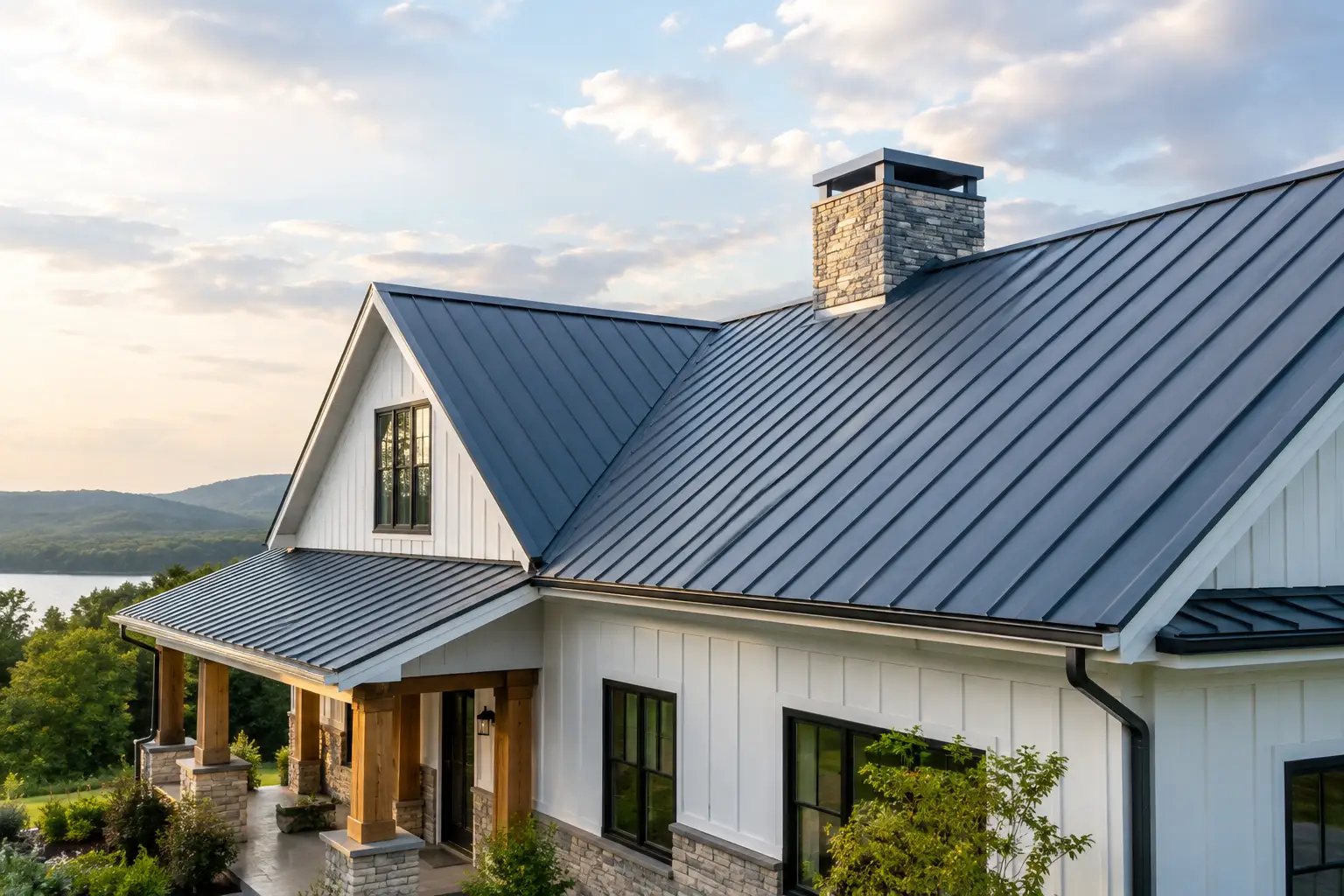
Replacement is often the better long-term investment when damage appears across multiple slopes, shingles have widespread bruising or fractures, or the roof was already near the end of its useful life. A patchwork repair on an aging roof can create color variation and may not solve broader issues such as deteriorated underlayment, failed pipe boots, or poor ventilation.
For commercial buildings, the evaluation is different because low-slope systems can show hail damage through punctures, membrane fractures, displaced seams, or compromised protective coatings. Water may travel beneath the surface before it becomes visible indoors. A commercial inspection should evaluate drainage areas, penetrations, seams, edge metal, and the full membrane system.
Material matching matters
Even when a repair is appropriate, a close match is not guaranteed. Shingles fade over time, and discontinued product lines can make a repaired area stand out. A qualified contractor can explain the visual and practical trade-offs before work begins, so property owners can make an informed decision rather than discovering a mismatch after the repair is complete.
Insurance Claims and Professional Documentation
Homeowners insurance policies may cover sudden hail damage, but coverage, deductibles, exclusions, and claim deadlines vary. Review your policy and speak with your insurer before making assumptions about what will be approved. A roofing contractor can provide an inspection report, photos, measurements, and an estimate for necessary work, but the insurer makes the final coverage decision.
Be cautious about anyone who promises approval before inspecting the roof or pressures you to sign an agreement immediately after a storm. Storm-chasing contractors often arrive quickly after severe weather and may not be available to stand behind their work later. Choose an established local contractor with experience in Connecticut weather conditions, proper credentials, and a clear process for inspections, estimates, and repairs.
Rick’s Main Roofing helps property owners assess storm-related roof conditions with the same attention given to everyday repairs, full replacements, historic roofing, and commercial systems. The goal is straightforward: identify the actual condition of the roof and recommend the work that protects the property.
Preventing Further Damage While You Wait
A hailstorm cannot always be prevented, but regular maintenance can reduce the chance that storm damage turns into a more serious roofing problem. Keep gutters and downspouts clear so water can drain away from the roof. Trim branches that can scrape shingles or fall during severe weather. Have loose flashing, worn sealant, damaged vents, and missing shingles repaired before the next storm tests them.
Attic ventilation also deserves attention. Excess heat and trapped moisture can accelerate shingle aging, making the roof less resilient over time. On coastal and exposed properties, wind-driven rain and salt-laden air add another layer of stress that should be considered during inspections and material selection.
After any significant hail event, a timely professional inspection provides clarity before minor damage has time to spread. Whether the answer is a focused repair or a planned replacement, knowing the real condition of your roof is the best way to protect the building beneath it.