

A roof can look sound from the street and still waste energy through trapped heat, poor attic airflow, or moisture that weakens insulation. Energy efficient roofing trends matter in Connecticut because our roofs must handle humid summers, freezing temperatures, snow loads, wind-driven rain, and coastal exposure – often within the same year. The right solution is rarely just a lighter-colored shingle or a new layer of insulation. It is a roofing system designed around the building, its ventilation, and the way it is used.
Energy Efficient Roofing Trends That Deliver Real Value
The strongest trend is not a single material. It is system-based roof design. Homeowners and property managers are asking how the roof deck, underlayment, insulation, ventilation, flashing, and exterior surface work together to control heat and moisture.
That shift is practical. A roof replacement is a major investment, and it creates an opportunity to correct problems that repairs alone may not solve. If an attic is overheating, if ice dams repeatedly form at the eaves, or if a commercial roof has chronic ponding and high cooling costs, the issue may extend beyond the visible roofing surface.
Cool roofing materials are becoming more practical
Cool roofs reflect more sunlight and release absorbed heat more effectively than conventional dark roofing products. On low-slope commercial buildings, white and light-colored reflective membrane systems have been common for years because they can reduce rooftop temperatures and ease the cooling load below.
For residential properties, the choices have expanded. Reflective asphalt shingles, coated metal roofing, and lighter-toned specialty materials can offer improved solar reflectance without forcing every homeowner into a bright white roof. This matters for Fairfield County properties where appearance, neighborhood character, and historic details all deserve consideration.
A cool roof is not automatically the best choice for every building. A highly reflective surface can reduce summer heat gain, but Connecticut also has a long heating season. Roof orientation, attic insulation, tree cover, HVAC efficiency, and the building’s overall energy use all affect the result. For many homes, the best balance is a durable shingle or metal system paired with proper ventilation and insulation rather than choosing a material based on color alone.
Metal roofing is valued for efficiency and service life
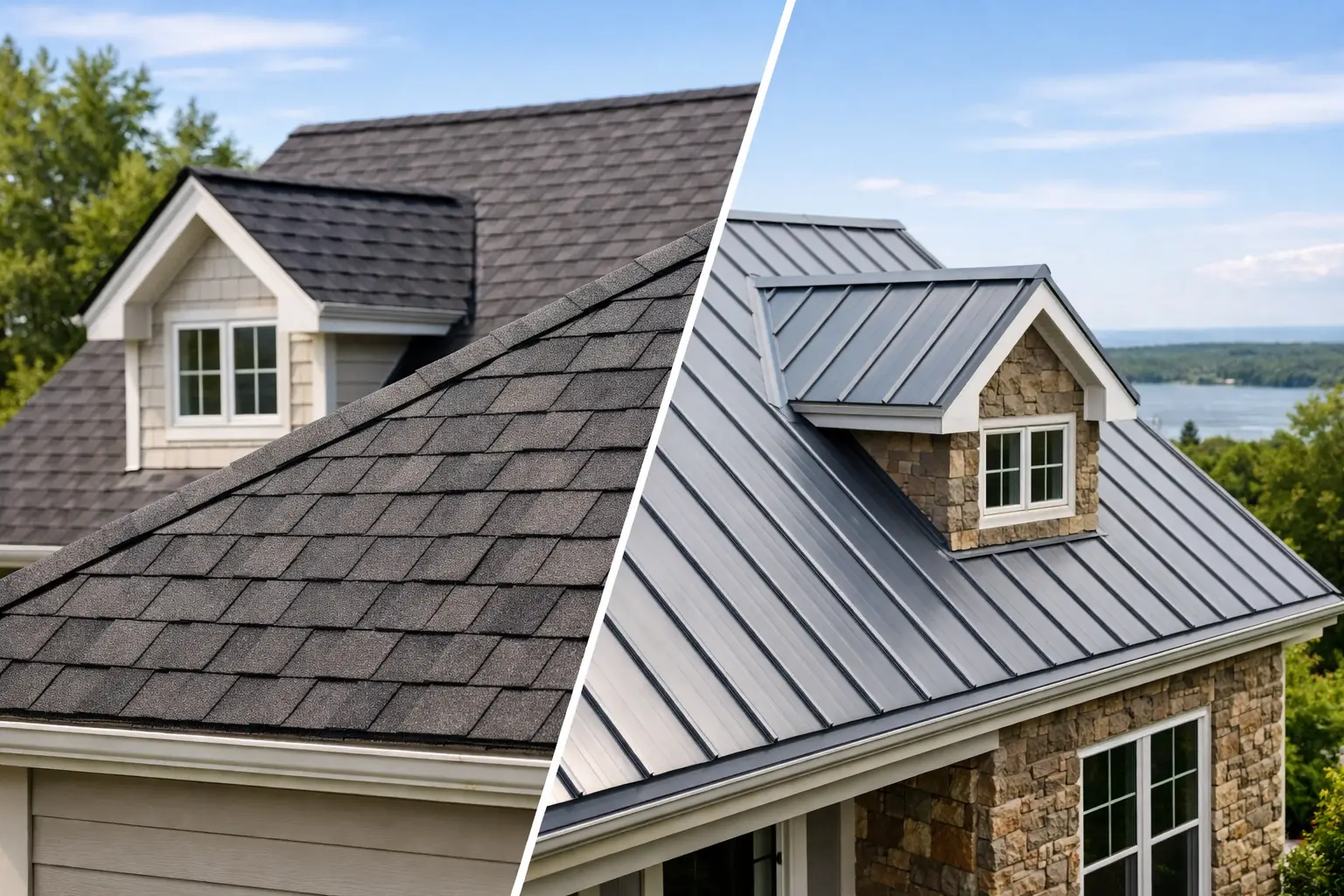
Standing-seam and other quality metal roofing systems continue to gain attention, particularly for coastal homes, premium residences, and buildings where long service life is a priority. Metal reflects a meaningful amount of solar heat, and factory-applied reflective coatings can improve that performance further.
Its energy value is only part of the decision. Metal roofing can be exceptionally durable, sheds snow efficiently when designed correctly, and is well suited to solar panel installations. However, it requires precise installation, properly detailed flashings, and careful attention to expansion and contraction. It also carries a higher initial cost than many asphalt shingle systems.
For a historic home, metal may or may not fit the architectural requirements. For a coastal property, the panel type, fasteners, and corrosion resistance must be selected for the environment. Material choice should follow a roof inspection, not a trend alone.
Better attic ventilation remains essential
Ventilation is one of the most misunderstood parts of energy-efficient roofing. It is not simply about adding more vents. The goal is balanced intake and exhaust airflow that helps remove excess heat and moisture from the attic while supporting the performance of the insulation below.
During summer, a properly ventilated attic can reduce extreme heat buildup beneath the roof deck. During winter, it helps manage moisture and supports more consistent roof-deck temperatures. That is particularly relevant in Connecticut, where warm indoor air can escape into an attic, condense on cold surfaces, and contribute to mold, wood deterioration, or ice dam conditions.
Ridge vents, soffit intake, gable vents, and powered ventilation each have appropriate applications. Mixing systems without a plan can reduce effectiveness. An experienced roofer should evaluate the attic layout, existing intake openings, roof geometry, bath and kitchen exhaust terminations, and insulation levels before recommending changes.
Insulation and Air Sealing Affect Roof Performance
A new roof cannot compensate for inadequate insulation or uncontrolled air leakage. When warm indoor air reaches a cold attic during winter, it can warm the roof deck and melt snow above. The water may refreeze near colder overhangs, creating an ice dam that forces moisture back beneath shingles.
Air sealing attic-floor penetrations and bringing insulation to an appropriate level can reduce heat loss and make ventilation work as intended. This work is often handled alongside, or in coordination with, a roofing project when attic access, roof repairs, or ventilation improvements are already being addressed.
For commercial buildings, the equivalent conversation may involve insulation above the roof deck, tapered insulation for drainage, vapor control, and the condition of the existing membrane. Energy performance and water management are closely connected on a low-slope roof. A roof that holds water or has saturated insulation will not perform as designed, no matter how reflective its surface may be.
Solar-Ready Roofing Is a Growing Planning Priority
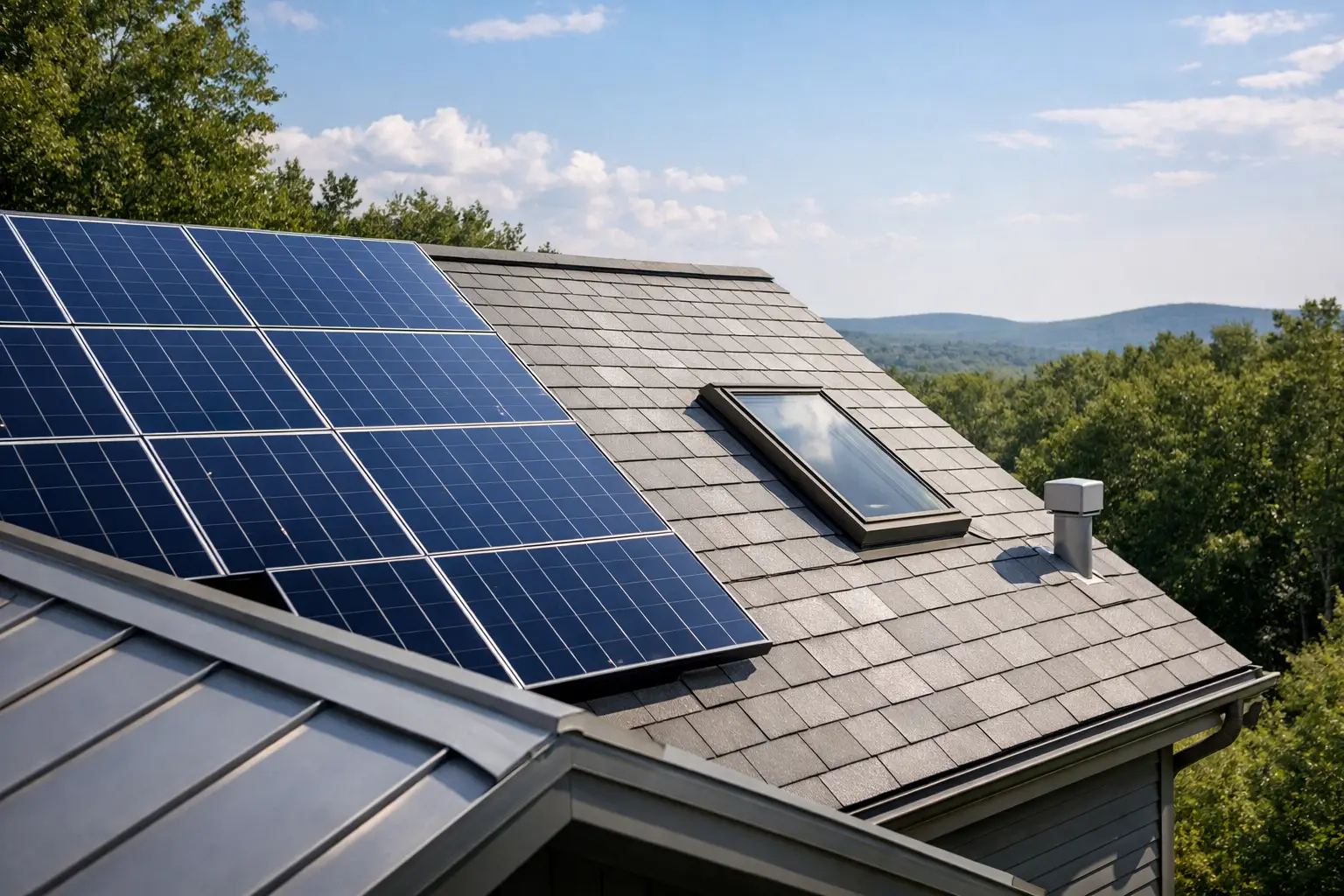
Many property owners are not ready to install solar panels immediately, but they want their next roof to accommodate them later. A roof replacement is the right time to discuss solar readiness because the roof’s remaining life, structural capacity, orientation, penetrations, and attachment details all matter.
Installing solar on an aging roof can create avoidable future costs when the roof must be replaced beneath the array. A new, properly installed roof system offers a stronger foundation for that investment. Metal standing-seam roofs can allow certain solar mounting methods with fewer penetrations, while asphalt shingle roofs can also support solar when the mounting and flashing details are handled correctly.
Solar readiness does not mean every roof needs panels. Shading from mature trees, roof direction, historic district requirements, and project economics may change the equation. Still, planning ahead protects options and avoids rework.
Durable Details Matter More Than Marketing Claims
Energy efficiency is often discussed in terms of product labels, but the installation details determine whether the roof protects the building over time. A high-performing shingle, metal panel, or membrane cannot make up for poor flashing around chimneys, walls, skylights, drains, or rooftop equipment.
Water intrusion reduces insulation performance, damages decking, and can create hidden energy losses. On coastal and storm-exposed properties, wind resistance and secure edge detailing are equally important. The most efficient roof is one that stays dry, remains properly attached, and reaches its expected service life.
Underlayments and ice-and-water protection also deserve attention. In vulnerable areas such as eaves, valleys, roof-to-wall transitions, and around penetrations, these components provide an added layer of defense when snow, wind, or driven rain challenge the exterior roofing surface.
Maintenance protects efficiency after installation
A roof’s energy performance can decline when gutters clog, ventilation openings become blocked, flashing loosens, or minor leaks go unnoticed. Routine inspections help identify these issues before they become expensive interior repairs.
Commercial property managers should watch for membrane seams, drains, ponding water, damaged insulation, and penetrations from equipment work. Homeowners should pay attention to attic odors, uneven snow melt, moisture stains, loose shingles, and recurring ice at the roof edge. These are not always roofing failures, but they are useful warning signs that warrant a professional evaluation.
Choosing the Right Energy Strategy for Your Property
The best energy-efficient roof for a Norwalk home is not necessarily the right answer for a warehouse, a coastal residence, or a historic property. Budget, architectural style, roof slope, local exposure, attic conditions, and expected ownership length all influence the recommendation.
Start with a thorough inspection that looks beyond the visible roof covering. Ask whether existing ventilation is balanced, whether there are signs of moisture at the deck, whether insulation or air leakage is contributing to ice dams, and whether the selected material fits the building’s long-term needs. Request clear explanations of the proposed system, including underlayment, flashing, ventilation, and warranty considerations.
Rick’s Main Roofing approaches these decisions with the local conditions in mind, from coastal weather exposure to winter ice dam risks. A carefully specified roof can improve comfort, protect the structure, and help control long-term operating costs – without sacrificing the appearance or reliability your property requires.