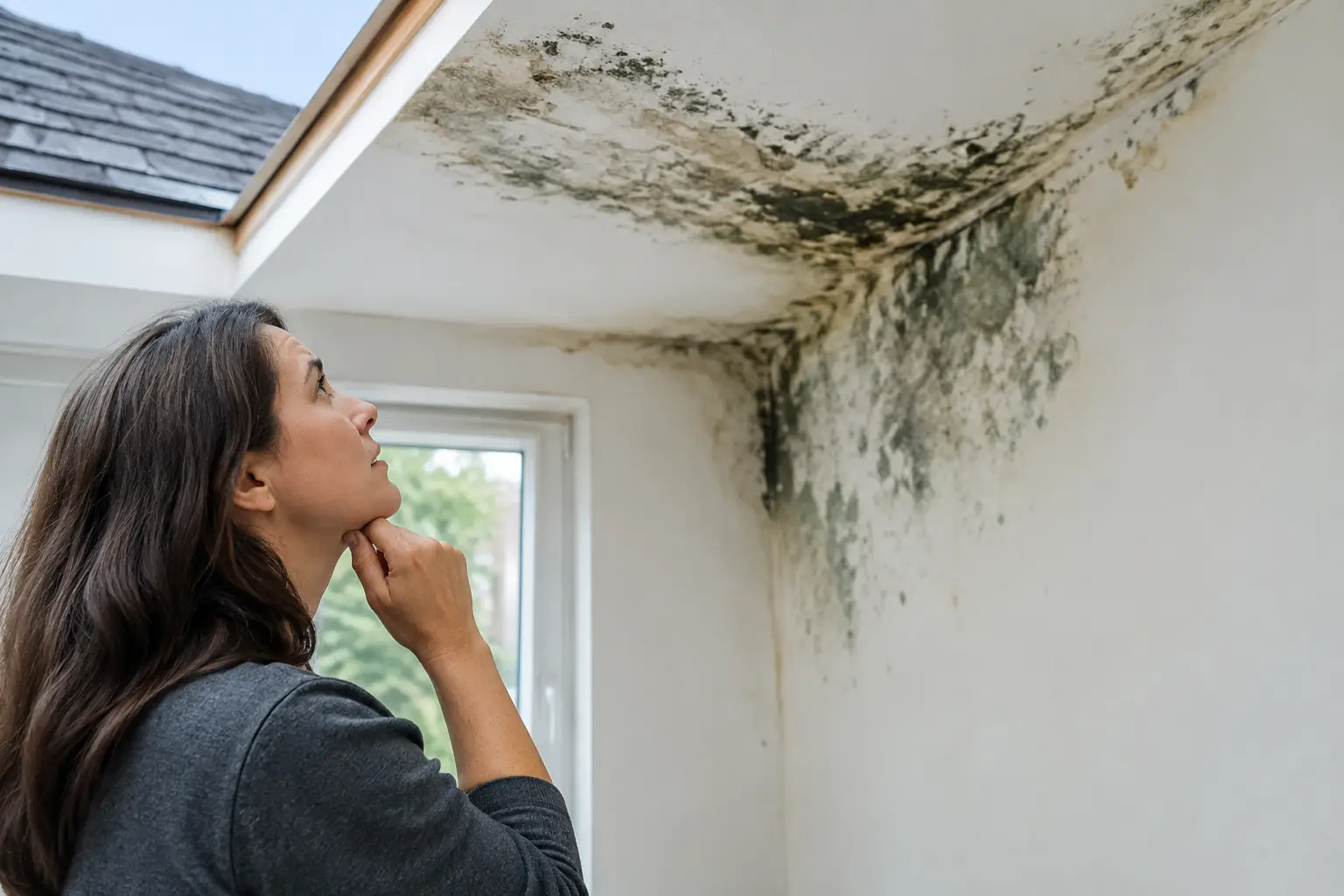


A small brown spot on a bedroom ceiling can signal more than a cosmetic problem. Water may have been moving beneath the roof deck, through insulation, and along framing long before it becomes visible indoors. Can roof leaks cause mold? Yes. When a leak provides enough moisture and the affected materials stay damp, mold can begin growing quickly in concealed areas of a home or commercial building.
For Fairfield County property owners, this is especially concerning after wind-driven rain, coastal storms, winter ice dams, or repeated freeze-thaw cycles. The right response is not simply to cover the stain or wait for the next storm. The source of the water must be located and repaired, then the affected area needs to be properly dried and evaluated.
Can Roof Leaks Cause Mold? How It Happens
Mold needs moisture, a food source, and suitable temperatures to grow. A roof leak can supply all three conditions. Wood roof decking, rafters, insulation facing, drywall paper, ceiling tiles, and dust within an attic can all support mold growth once they remain wet or consistently humid.
Growth can begin within 24 to 48 hours under the right conditions. That does not mean every brief leak automatically creates a major mold problem. A small intrusion that is discovered immediately, repaired, and thoroughly dried may not result in meaningful growth. The risk increases when water enters repeatedly, travels out of sight, or becomes trapped in insulation, wall cavities, or attic materials.
A leak at one point on the roof does not always create damage directly below it. Water follows roof framing, pipes, wiring, and gravity. By the time a ceiling stain appears, the entry point may be several feet away. This is one reason professional roof inspection matters: effective repair requires finding the source, not just the visible symptom.
Why Connecticut Roof Leaks Can Be Hard to Catch
Many local leaks are intermittent. They may only occur during heavy rain from a particular direction, when snow melts rapidly, or when ice backs water beneath shingles. A roof can look acceptable during a dry-day visual check yet still allow water in under storm conditions.
Common causes include damaged or missing shingles, worn flashing around chimneys and skylights, failed pipe-boot seals, aging valleys, and compromised low-slope roofing details. On older homes, deteriorated decking or previous repairs can complicate the issue. Historic slate and cedar roofs, metal roofs, and commercial membrane systems also have material-specific leak points that require the right repair approach.
Ventilation is another factor. An attic with inadequate intake and exhaust ventilation may hold humid air against cold roof surfaces. That condensation can resemble a roof leak and can also contribute to mold. A qualified inspection distinguishes between exterior water intrusion, condensation, plumbing leaks, and other moisture sources before repairs are recommended.
Warning Signs of Mold From a Roof Leak
Visible mold is not always the first warning sign. Many property owners first notice a musty odor after rain, peeling paint near an upper wall, or a ceiling spot that gets darker during storms. Those signs deserve prompt attention, particularly if they occur near roof penetrations, dormers, chimneys, or exterior walls.
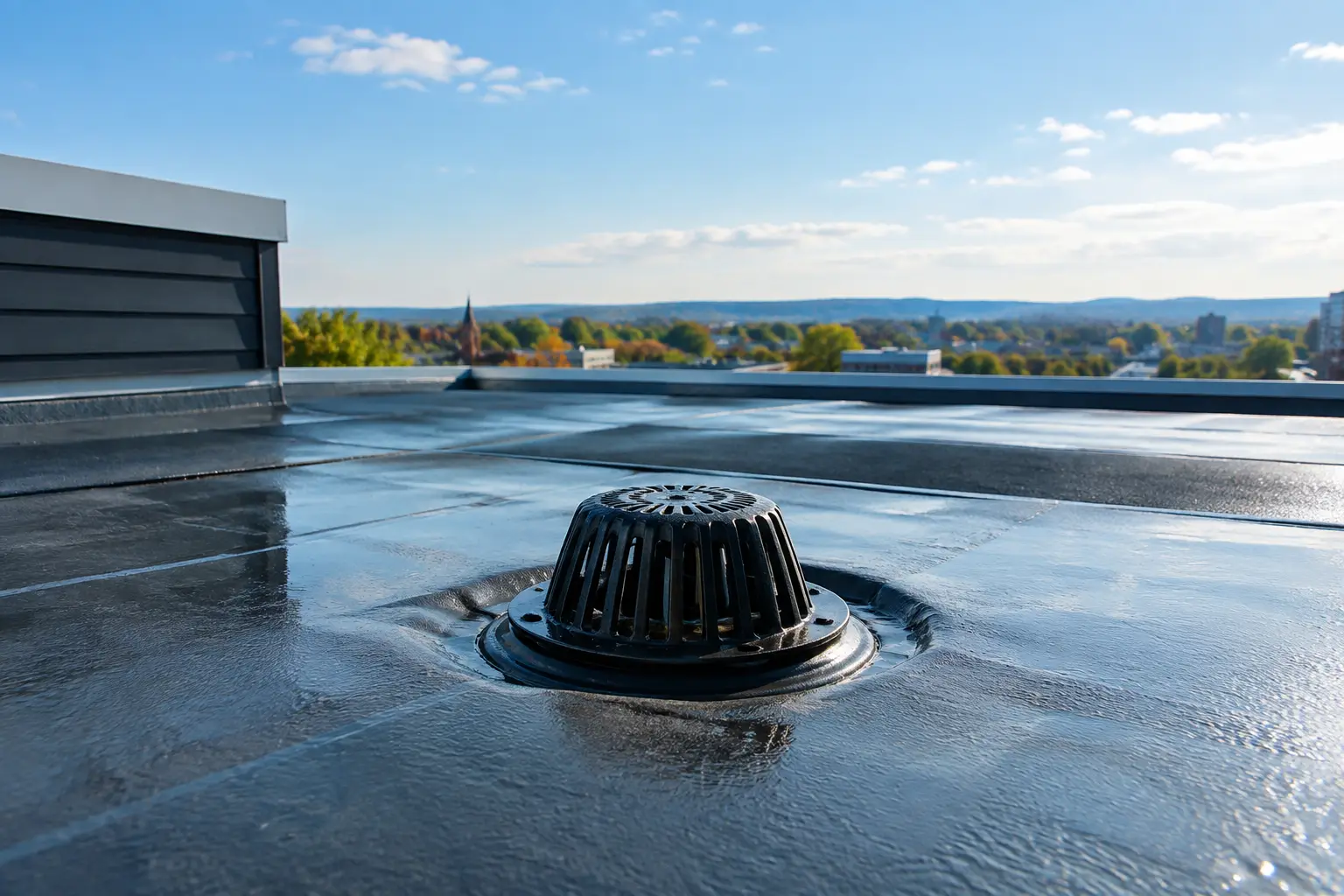
Other warning signs include damp attic insulation, rusted nails or metal connectors, warped drywall, bubbling ceiling paint, and unexplained moisture around light fixtures. In commercial buildings, watch for stained ceiling tiles, persistent odors in top-floor spaces, or recurring leaks near HVAC curbs and roof drains.
Mold can appear in several colors, but color alone does not identify its type or determine its severity. The practical concern is moisture and extent. If there is visible growth, a persistent odor, or water damage across a broad area, a qualified mold remediation professional may be needed after the roofing issue is corrected. Repairing the roof is essential, but it does not remove contamination from damaged interior materials.
What to Do When You Find a Roof Leak
Start by limiting further damage without creating a safety hazard. Move furniture, electronics, and stored items away from the affected area. If water is near electrical fixtures or outlets, avoid touching the area and turn off power to that circuit only if it is safe to do so. Do not climb onto a wet, icy, or storm-damaged roof.
If water is actively entering during a storm, use containers to catch drips and take photos of the damage for your records. A temporary tarp may help when installed safely by a professional, but it is not a substitute for repair. Water can continue traveling beneath roofing materials even when the visible drip slows down.
Next, arrange a professional roof assessment as soon as possible. Emergency roofing response is particularly valuable after a storm or when a leak is actively damaging ceilings, insulation, inventory, or equipment. The inspection should identify the source of the intrusion, evaluate flashing and roof materials around it, and determine whether the roof deck or underlying structure has been affected.
Once the leak is repaired, drying is the priority. Wet insulation often needs special attention because it can retain moisture against wood and drywall. Fans and dehumidifiers may help with minor, accessible moisture, but concealed wet materials may require opening the affected area for proper drying and evaluation. Avoid painting over stains before confirming that the area is dry and the underlying cause has been corrected.
Repair or Replacement: It Depends on the Roof Condition
A localized leak does not always mean a full roof replacement is necessary. If the roof is otherwise in sound condition, a targeted repair to flashing, shingles, a valley, or a penetration seal may provide a reliable solution. The value lies in making a repair that addresses the actual failure point rather than applying caulk where water happens to show up.
Replacement may be the smarter long-term decision when leaks are recurring, shingles are broadly worn, flashing systems have deteriorated in multiple locations, or the roof is nearing the end of its service life. Multiple repairs on an aging roof can cost more over time and leave the building exposed between service calls.
For commercial properties, the decision may also depend on the roofing system, drainage performance, insulation condition, foot traffic, and the impact of downtime. A small puncture in a membrane roof can sometimes be repaired effectively. Widespread seam failure, ponding water, or saturated insulation calls for a more comprehensive evaluation.
Preventing Mold Starts With Roof Maintenance
The most effective mold prevention is keeping water outside the building. Regular inspections allow small defects to be found before they become an interior moisture problem. This is especially useful after major storms and before winter, when loose shingles, aging sealants, clogged drainage paths, and vulnerable flashing can turn into leaks.
Homeowners should keep gutters and downspouts clear, trim branches that scrape or overhang the roof, and look for changes such as loose shingles, damaged flashing, granules collecting in gutters, or stains on attic framing. Property managers should also monitor rooftop equipment penetrations, drains, scuppers, and areas around previous repairs.
Inside, occasional attic checks can reveal early trouble. Look for damp insulation, daylight through the roof deck, darkened wood, or a musty smell. Good attic ventilation helps manage moisture, but it cannot compensate for a failed roof detail. Both ventilation and weather-tight roofing are necessary for a dry, healthy building envelope.
Rick’s Main Roofing provides repair, inspection, maintenance, replacement, and emergency roofing service for homeowners and commercial property owners throughout Norwalk and Fairfield County. With the right diagnosis and timely workmanship, many leak-related problems can be stopped before they become a larger mold and restoration project.
If you see a new ceiling stain, smell moisture after rain, or suspect storm damage, treat it as an early warning rather than a problem that can wait. Acting while the issue is limited gives you more repair options and helps protect the parts of your property you cannot easily see.