

A frosty attic nail, damp roof sheathing, or water stains that appear without an obvious roof leak can all point to the same problem: moisture trapped in the attic. Effective attic condensation prevention protects more than insulation. It helps preserve roof decking, framing, shingles, indoor air quality, and the long-term value of your Connecticut property.
Condensation often becomes visible during cold stretches, when warm, humid air from the living space meets a cold roof surface. The moisture may look minor at first, but repeated wetting can lead to mold, wood deterioration, insulation damage, and premature roof failure. The right solution depends on where the moisture is coming from, how the attic is built, and whether the roof system can move air and moisture as designed.
Why Attic Condensation Happens
Condensation is not always a roofing leak. A roof leak generally allows rain or melting snow to enter at a specific point. Condensation forms when airborne moisture turns to liquid on a cold surface, often across broad areas of the underside of the roof deck or around fasteners.
During a Fairfield County winter, heated indoor air naturally rises. If that air escapes through ceiling gaps, recessed light openings, plumbing penetrations, attic hatches, bath fan ducts, or unsealed chases, it carries moisture into the attic. When it contacts roof decking that is near outdoor temperature, water droplets or frost can form.
The risk increases when an attic has inadequate ventilation. A properly designed ventilation system brings cooler, drier outside air in through intake vents, usually at the soffits, and allows warmer air to exit near the roof ridge. That airflow helps remove moisture before it collects on the roof structure. If soffit vents are blocked by insulation, ridge vents are missing, or the attic has no balanced path for air movement, humidity can remain trapped.
Connecticut homes can be especially vulnerable because the weather shifts dramatically through the year. Cold winters, heavy snow, freeze-thaw cycles, humid summers, and coastal moisture all place demands on roofing and ventilation systems. Older homes and historic properties may also have complicated framing, limited soffit space, or previous renovations that disrupted the original airflow.
Signs You May Have an Attic Moisture Problem
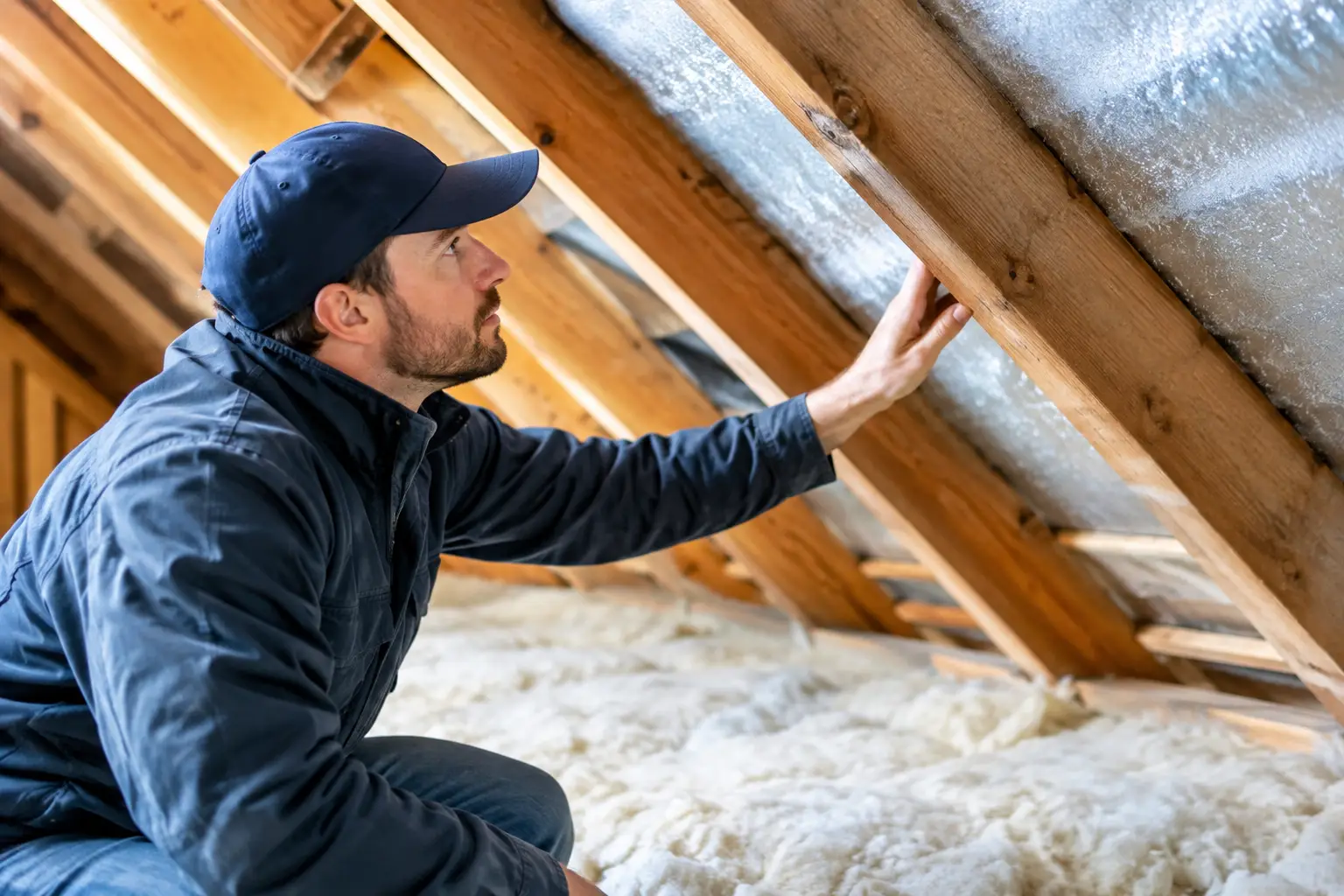
A brief attic check can reveal warning signs before substantial damage develops. Look for water droplets on the underside of roof decking, frost on nails, darkened wood, wet or compressed insulation, musty odors, peeling paint near upper-level ceilings, or rust on metal components.
Mold-like staining should never be ignored, even if it appears limited. Surface staining does not always mean the roof is failing, but it does mean moisture has been present long enough to support growth. A qualified roofing inspection can help distinguish condensation from a roof leak, ice dam damage, flashing failure, or another source of water intrusion.
Property owners should also pay attention to bathroom exhaust fans. If a fan duct ends in the attic instead of venting outdoors, it can release a large amount of humid air directly into the space. Dryer vents should never discharge into an attic for the same reason. Flexible ductwork that has become disconnected, crushed, or poorly insulated can create similar moisture problems.
Attic Condensation Prevention Starts With Air Sealing
Ventilation matters, but ventilation alone cannot correct large amounts of warm indoor air leaking into an attic. Air sealing is often the first and most effective part of attic condensation prevention.
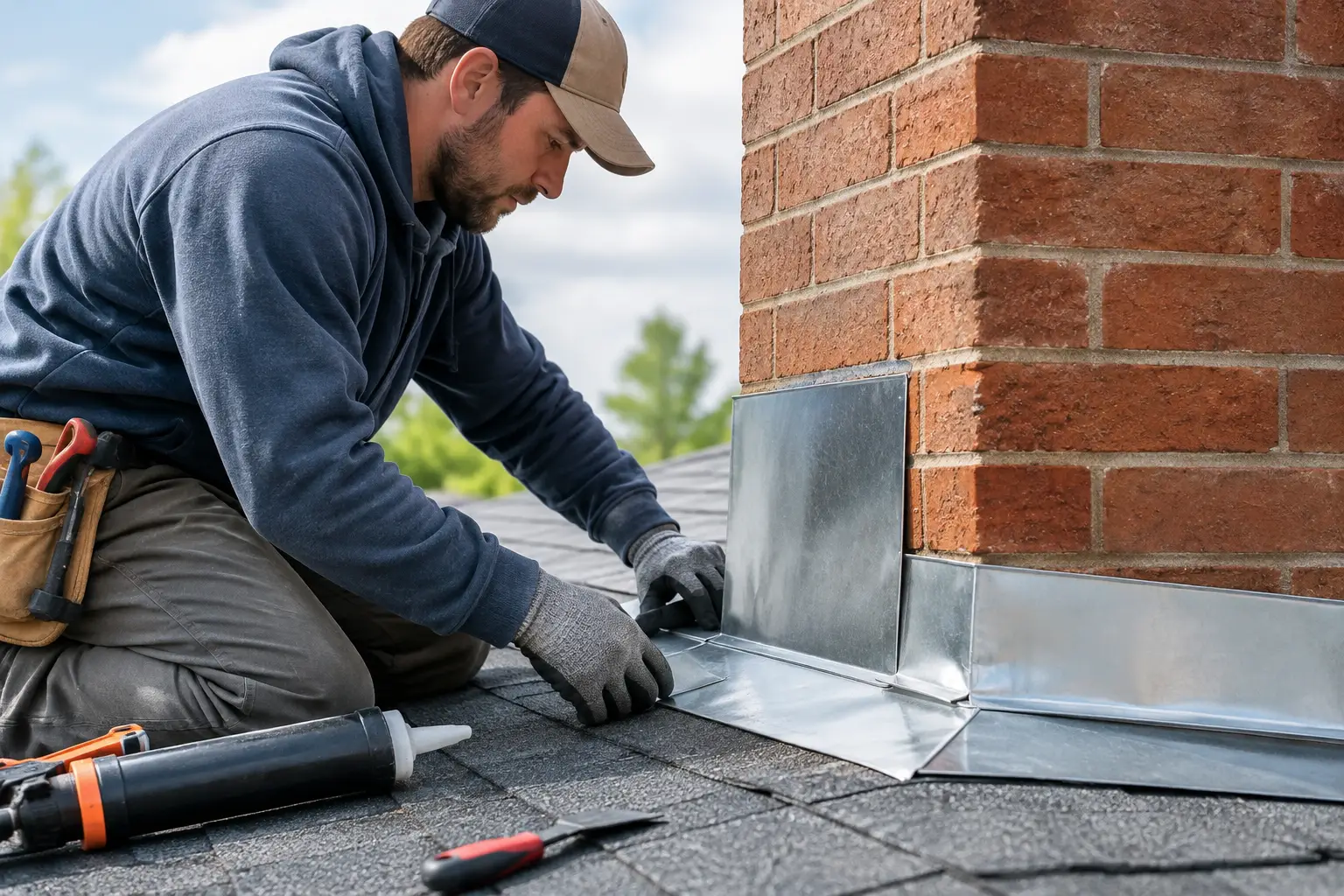
Common leakage points include openings around plumbing stacks, electrical wiring, chimney or flue chases, recessed lighting, attic access panels, and gaps where interior walls meet the attic floor. These details need to be sealed with materials appropriate for their location and temperature exposure. Areas near chimneys, for example, require proper clearances and fire-safe treatment rather than ordinary foam insulation.
An attic hatch deserves particular attention. A loose, uninsulated hatch can act like an open window between the home and attic. Weatherstripping and a properly insulated cover can reduce air movement significantly.
Air sealing should be handled carefully in older homes. Sealing random openings without understanding the home’s ventilation, combustion appliances, and moisture pathways can create new concerns. A professional assessment helps identify the highest-impact gaps while preserving necessary safety clearances and building performance.
Build Balanced Roof Ventilation
After unwanted indoor air is controlled, the attic needs a reliable path for outdoor airflow. Most vented attic systems work best with low intake ventilation and high exhaust ventilation. Soffit vents draw air in near the eaves, while ridge vents or other high-level vents allow warmer, moisture-laden air to leave.
The goal is balance, not simply adding more openings. An attic with plenty of ridge vent but little usable soffit intake may not circulate air effectively. Likewise, adding powered attic fans without addressing air leaks can sometimes pull more conditioned air from the home into the attic. That raises energy costs and can make the moisture problem worse.
Insulation can also interfere with ventilation when it is pushed tightly against the roof edge and blocks soffit vents. Properly installed baffles or ventilation chutes maintain an open channel from the soffit into the attic while keeping loose-fill or batt insulation where it belongs.
Roof design affects the best approach. A simple gable roof may ventilate differently than a hip roof, cathedral ceiling, low-slope addition, or complex roofline with valleys and dormers. Slate, cedar, asphalt, metal, and low-slope roofing systems also have material-specific installation requirements. A roofing contractor should evaluate the entire system rather than treating ventilation as a one-size-fits-all accessory.
Control Indoor Humidity at the Source
An attic can only handle so much moisture. Everyday activities such as cooking, showering, washing clothes, and running humidifiers add water vapor to the air. During the heating season, excessively high indoor humidity can contribute to condensation on windows and in attics.
Use kitchen and bathroom exhaust fans consistently, and verify that they vent completely outdoors. Keep fan ducts insulated when they run through unconditioned spaces, especially in cold weather. A duct that runs long distances through an attic may need a better route or a more effective fan to move moisture outside.
Humidifiers require a measured approach. They can improve comfort in dry winter conditions, but setting humidity too high may create condensation risks. If windows are routinely wet or frosted, indoor humidity may need to be reduced. The right indoor humidity level varies with outdoor temperature, insulation levels, window performance, and the home’s overall air tightness.
Commercial properties face similar issues, often on a larger scale. Warehouses, offices, multifamily buildings, and facilities with specialized operations may have moisture loads from ventilation equipment, kitchens, showers, or manufacturing processes. In those settings, a roof inspection should be coordinated with a review of HVAC and building ventilation conditions.
Do Not Overlook Insulation and Ice Dams
Insulation does not stop condensation by itself, but it helps keep heat in the living space and reduces uneven warming of the roof. When attic insulation is thin, missing, wet, or poorly distributed, warm air can heat the roof deck from below. In winter, that can contribute to snow melt and ice dams along the eaves.
Ice dams and condensation are different problems, yet they often share underlying causes: air leakage, weak insulation, and poor attic ventilation. An ice dam can force water under shingles and create what appears to be a condensation issue. Conversely, damp attic conditions can damage insulation and make heat loss worse.
Wet insulation should be evaluated rather than simply covered with new material. It loses performance when compressed or saturated and may hold moisture against framing. Before replacing insulation, the source of moisture must be corrected.
When to Call a Roofing Professional
If you see widespread frost, dripping roof decking, mold-like staining, recurring ceiling stains, or damp insulation, schedule an inspection before the next storm or cold snap adds to the damage. A professional should examine roof coverings, flashing, decking, ventilation openings, soffit intake, insulation conditions, and likely air leakage paths.
Rick’s Main Roofing evaluates roof systems with Connecticut weather conditions in mind, including the ventilation challenges and ice dam risks common in Fairfield County homes. An inspection can identify whether the problem requires roof repair, ventilation improvements, flashing work, insulation coordination, or a combination of measures.
Attic moisture is easiest to solve when it is treated as a building-system issue rather than a cosmetic stain. A dry, properly ventilated attic gives your roof the conditions it needs to perform through winter storms, humid summers, and the years between major roofing work.