

A roof replacement is not simply a color or curb-appeal decision. In Fairfield County, the choice between an asphalt roof versus metal can affect how your home handles wind-driven rain, winter snow loads, ice dams, summer heat, and long-term maintenance costs. Both materials can protect a Connecticut property well when they are properly specified and installed. The better fit depends on your budget, roof design, ownership plans, and the conditions your building faces.
Asphalt Roof Versus Metal: The Core Difference
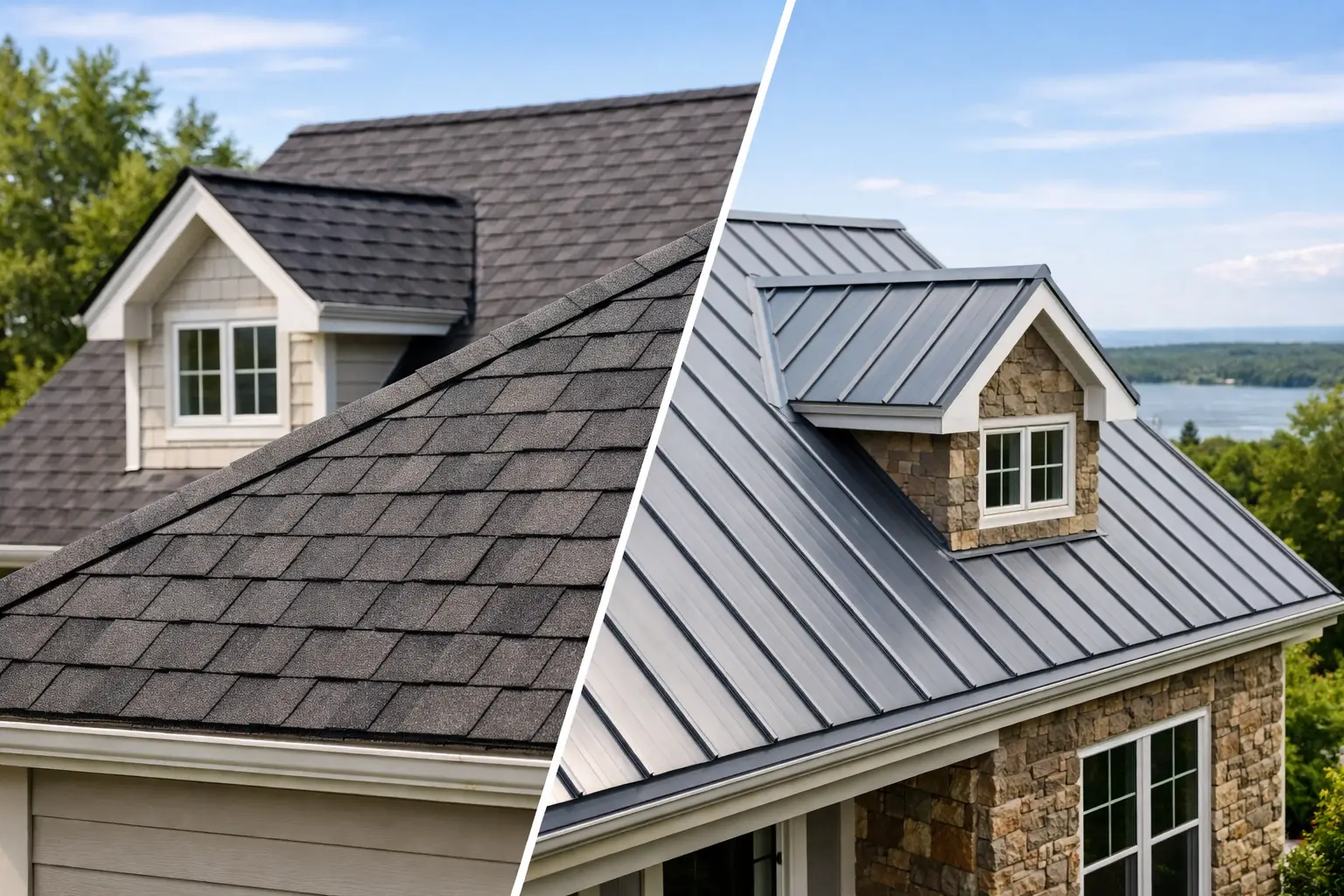
Asphalt shingles remain the most common residential roofing material in Connecticut for good reason. They offer dependable weather protection, broad style options, and a lower initial investment than metal. Architectural shingles, in particular, provide a dimensional appearance and strong performance for many homes throughout Norwalk and Fairfield County.
Metal roofing is a higher-investment system designed for longevity. Standing seam metal panels and metal shingles can last substantially longer than asphalt, shed snow efficiently, resist wind, and offer a clean, distinctive appearance. They are especially worth considering for coastal properties, homes with complex weather exposure, and owners planning to remain in the property for many years.
Neither option is automatically right for every building. A modest ranch home with a straightforward roofline may receive excellent value from architectural asphalt shingles. A coastal home, historic property, or long-term investment property may justify the cost of a carefully designed metal roof system.
Upfront Cost and Long-Term Value
Initial cost is usually the first major difference homeowners notice. Asphalt roofing generally costs less to install because the materials are less expensive and installation is familiar across most residential roof designs. If your roof requires replacement after storm damage or has reached the end of its service life, asphalt can be a practical way to restore protection without stretching the project budget.
Metal roofing typically costs more upfront. The exact difference depends on the panel profile, gauge, finish, roof complexity, flashing details, and whether the existing roof must be removed. A roof with numerous valleys, chimneys, skylights, and wall transitions requires more labor regardless of material, but precision detailing is particularly important with metal.
The long-term calculation can favor metal for owners who expect to keep the property for decades. A well-installed metal roof often has a much longer service life than asphalt and may require fewer full replacements over the life of the home. That does not mean it is maintenance-free. Fasteners, sealants, flashings, penetrations, and drainage areas still need periodic inspection.
For owners selling within several years, asphalt may offer the stronger financial fit. It delivers a fresh, attractive roof with a manageable investment and broad buyer appeal. For a forever home or a property where reduced replacement frequency is a priority, metal deserves serious consideration.
Weather Performance in Connecticut
Connecticut roofs must perform through changing conditions, not just one type of weather. Heavy rain, freeze-thaw cycles, snow accumulation, ice dams, coastal wind, and summer humidity all place demands on the roof system beneath and above the visible surface.
Snow, Ice, and Ice Dams
Metal is known for shedding snow more readily than asphalt. That can reduce the amount of snow sitting on the roof, but it also creates a safety consideration. Snow guards may be needed above entryways, walkways, decks, mechanical equipment, and parking areas to prevent sudden sheets of snow or ice from sliding off.
Asphalt shingles hold snow more readily due to their textured surface. That is not necessarily a disadvantage, provided the roof structure, attic ventilation, insulation, underlayment, and flashing are properly designed. Ice dams are usually less about the roofing material itself and more about heat escaping into the attic, melting snow unevenly, and allowing water to refreeze near the eaves.
A replacement project is the right time to evaluate ventilation and insulation conditions. Even the best shingles or metal panels cannot compensate for persistent moisture, poor attic airflow, or improperly detailed eaves.
Wind and Wind-Driven Rain
Both asphalt and metal can perform well in wind when installed according to manufacturer specifications and local building requirements. The quality of the installation matters as much as the product selection. Proper fastening, starter materials, underlayment, ridge details, and flashing around chimneys, walls, and skylights are all critical to keeping wind-driven rain out.
Metal roofing can offer excellent wind resistance, particularly with standing seam systems engineered for the building and exposure level. This makes it appealing for open lots and coastal locations where wind is a regular concern. Asphalt shingles also come in higher wind-rated options, which can be a sensible choice for many homes without moving to a metal system.
Rain, Humidity, and Coastal Exposure
Water management is the foundation of every successful roof. Asphalt systems rely on overlapping shingles and layered underlayment to direct water down the roof. Metal panels use interlocking seams, concealed or exposed fastening systems depending on the profile, and specialized trim to protect transitions.
For homes near the coast, material selection should account for salt air and moisture exposure. A metal roof needs an appropriate finish and compatible components to resist corrosion. Asphalt shingles can also work well near the coast, but the entire assembly must be installed with careful attention to underlayment, flashing, ventilation, and wind resistance.
Appearance and Architectural Fit
Asphalt gives homeowners considerable design flexibility. Architectural shingles are available in colors and profiles that complement traditional Colonials, capes, ranches, and many contemporary homes. They can create a refined look without changing the familiar character of the neighborhood.
Metal offers a more pronounced architectural statement. Standing seam panels suit contemporary homes, farmhouses, coastal properties, and certain historic designs. Metal shingles can provide a more traditional appearance while delivering metal’s durability benefits. Color, panel width, seam height, and trim details all influence the finished result.
The roof should complement the home rather than compete with it. A material that looks exceptional on one property may feel out of place on another. This is particularly relevant for historic homes, where roof profile, color, and visible details may need to respect the building’s original character.
Installation Details Matter More Than Most Owners Expect
A roof is a system, not just a surface material. The visible shingles or metal panels are only one layer of protection. Decking condition, ice and water protection, synthetic underlayment, ventilation, flashing, drainage, pipe boots, and ridge details all affect performance.
Metal roofs demand experienced installation because panel layout and flashing details must be precise. Improperly installed metal can lead to oil canning, fastener problems, water intrusion, noise concerns, or premature finish issues. Asphalt roofing also requires skilled workmanship. Poor nailing, weak flashing, inadequate ventilation, or shortcuts around valleys can shorten its service life and create leaks.
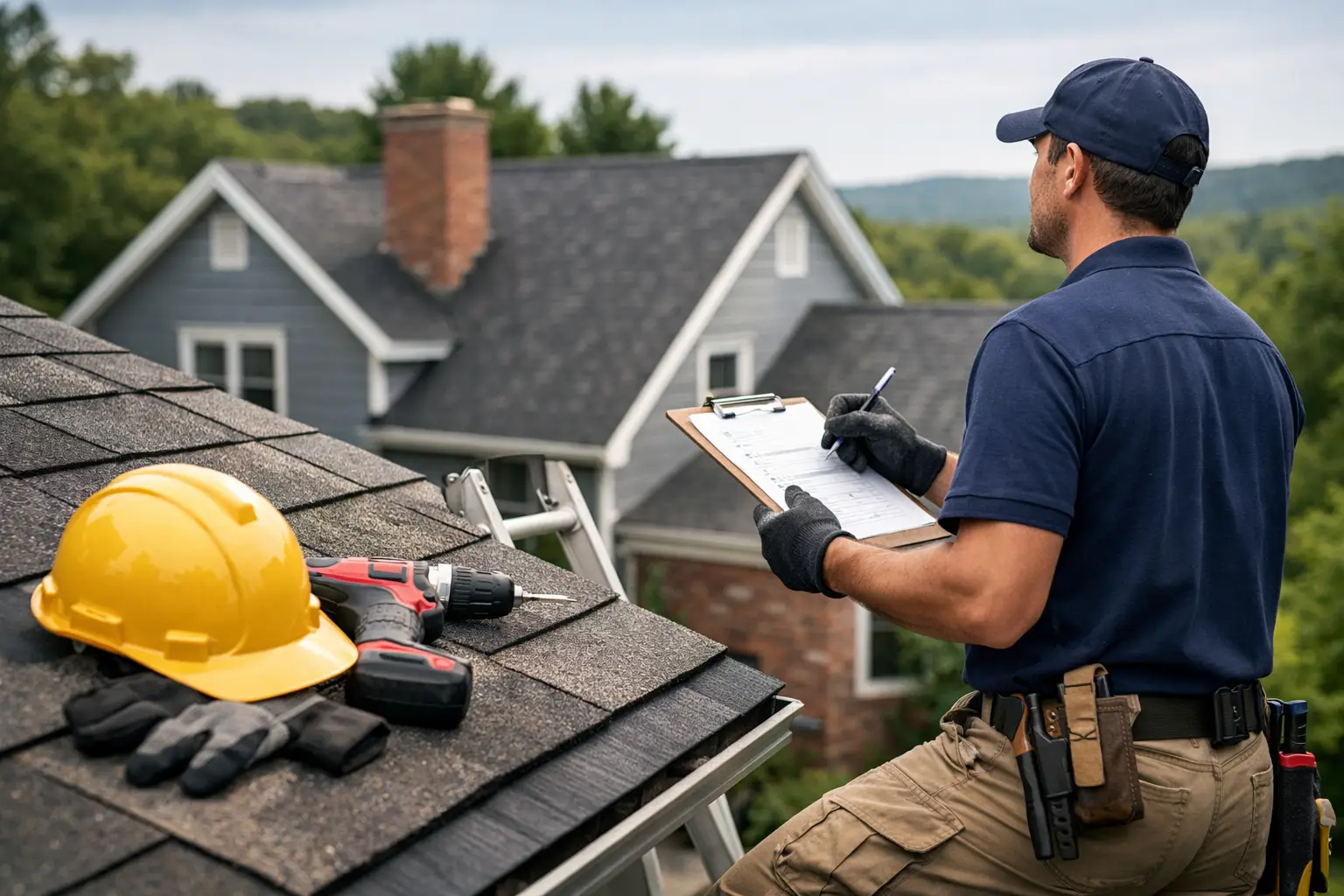
Before choosing either material, have the roof inspected for soft decking, attic moisture, damaged flashing, drainage concerns, and signs of ice dam damage. A complete estimate should explain what will be replaced beyond the field roofing material and identify any conditions that could affect the project scope.
When Asphalt Is Usually the Better Choice
Asphalt is often the right answer when initial cost is a major concern, the home has a conventional roof design, and the owner wants reliable performance with familiar neighborhood styling. It is also practical when a property may be sold in the near future or when a high-quality architectural shingle provides the desired appearance.
For many Fairfield County homes, premium architectural asphalt shingles paired with proper underlayment, ventilation, and flashing offer an excellent balance of protection, appearance, and value.
When Metal Is Worth the Investment
Metal is often a strong fit for owners prioritizing long service life, wind performance, distinctive design, and fewer future replacement cycles. It can be especially valuable on coastal homes, exposed properties, high-end residences, and buildings where long-term ownership changes the cost calculation.
It is also worth considering when snow shedding is desirable, provided the roof plan includes snow retention where people and property need protection below. The best metal roof is not merely a panel choice. It is a fully detailed system designed around the building.
The most useful next step is to evaluate your actual roof rather than choosing based on material alone. A qualified local inspection can identify ventilation issues, storm exposure, flashing needs, and budget priorities before replacement decisions are made. Rick’s Main Roofing can help property owners compare asphalt and metal options with the workmanship details and local weather conditions that will determine how either roof performs.