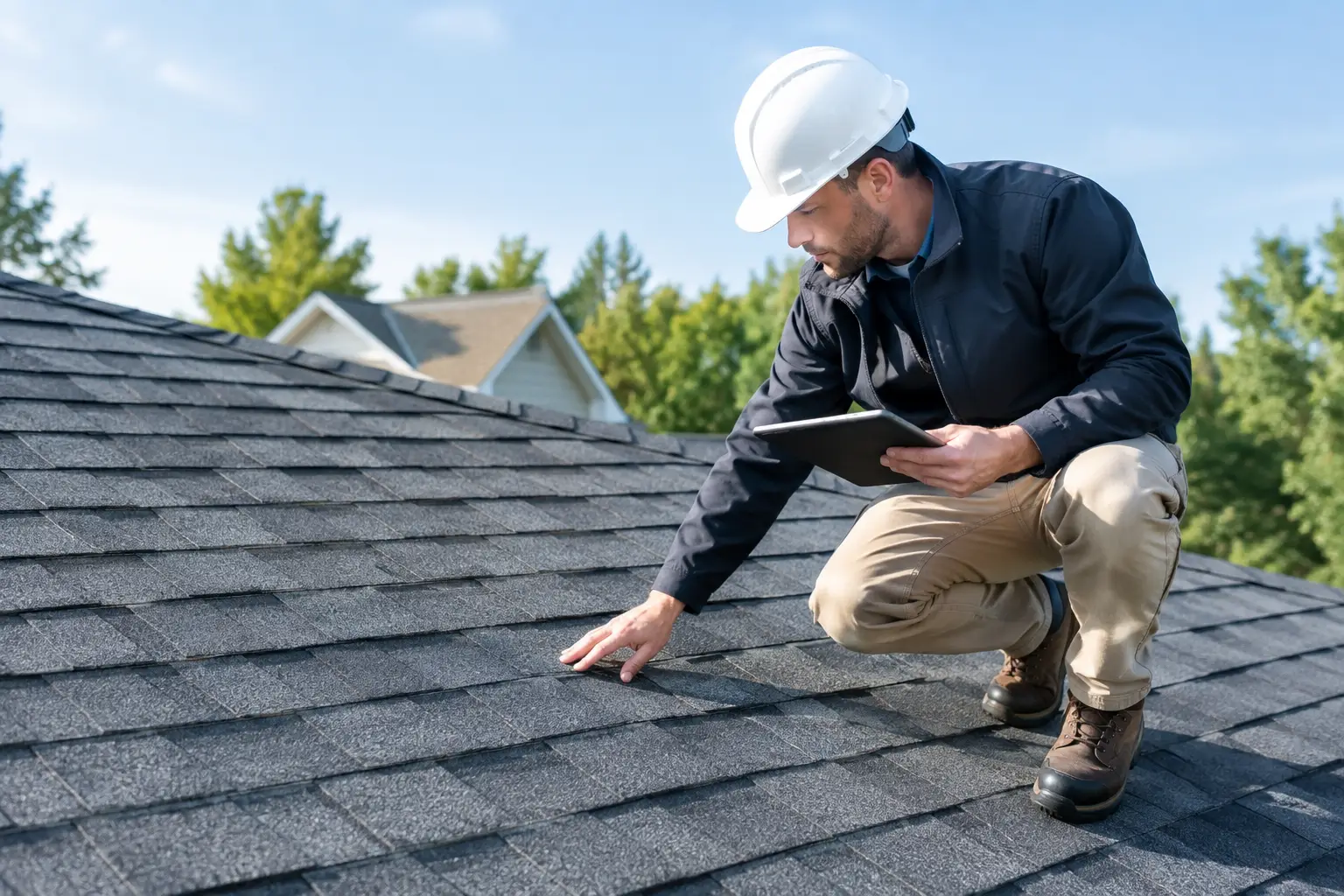


A roof inspection should not feel like an open-ended disruption to your day. For most homes, how long does a roof inspection take comes down to the roof’s size, pitch, material, condition, and whether the inspector finds a concern that needs a closer look. A routine inspection is often completed in under an hour, while a large, steep, historic, or storm-damaged roof may require more time.
For homeowners and property managers in Fairfield County, timing matters – especially after heavy rain, high winds, ice, or a sudden leak. A thorough inspection is not about moving slowly for the sake of it. It is about giving the roof enough attention to identify issues before water reaches the interior, insulation, framing, or business operations.
How Long Does a Roof Inspection Take on Average?
A standard residential roof inspection typically takes 30 minutes to 90 minutes. A smaller, accessible asphalt-shingle roof in good condition may be evaluated in 30 to 45 minutes. A larger home with multiple rooflines, dormers, skylights, chimneys, or steep slopes can take an hour or longer.
Commercial inspections vary more widely. A small, straightforward low-slope roof may take about an hour, while a larger facility with drains, penetrations, HVAC curbs, parapet walls, and multiple roofing sections may require several hours. If the inspection includes a detailed maintenance plan, moisture investigation, or documentation for a property manager, the process can extend beyond the time spent on the roof itself.
The right amount of time is the time needed to inspect the full system. A quick visual glance from the ground is useful in an emergency, but it is not a substitute for a professional roof assessment.
What Affects Roof Inspection Time?
Roof size is the most obvious factor, but it is rarely the only one. Roof complexity often matters more than square footage. A modest-sized home with several valleys, intersecting sections, flashing details, and rooftop features can require more inspection time than a simple, larger roof.
Pitch and accessibility also affect the appointment. Steep roofs, slate roofs, fragile cedar shingles, and roofs with limited access require careful movement and, in some cases, inspection methods that reduce unnecessary foot traffic. An experienced contractor will not rush across a material that can be damaged by improper walking.
Roofing material changes what an inspector looks for. Asphalt shingles may show granule loss, lifted tabs, cracking, exposed fasteners, or worn flashing. Cedar may need review for splitting, cupping, moss growth, and moisture-related deterioration. Slate requires attention to cracked or slipped pieces and the condition of metal components around it. Metal and rubber roofing systems have their own seams, fasteners, transitions, and drainage details to evaluate.
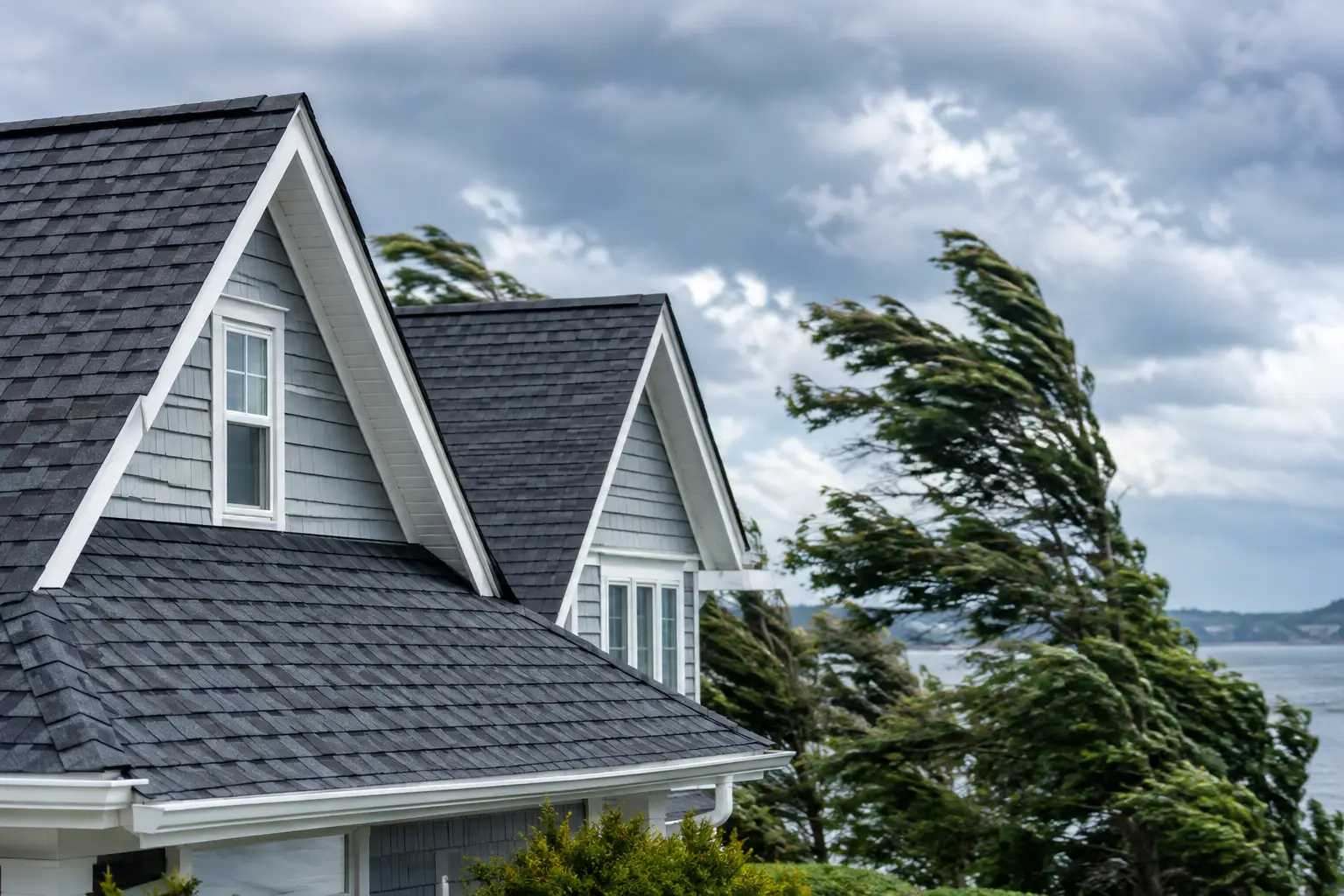
Connecticut weather adds another layer. Ice dams, freeze-thaw movement, wind-driven rain, tree debris, and coastal exposure can cause damage that is not obvious from the driveway. In Norwalk and nearby shoreline communities, salt air and strong storms can make flashing, fasteners, gutters, and exposed edges especially important inspection points.
What Happens During a Professional Inspection?
A qualified roofing contractor begins by looking at the roof as a complete protective system, not just a field of shingles or membrane. The exterior review typically includes the roof covering, ridge and hip areas, valleys, flashing, penetrations, chimney connections, skylights, gutters, drainage paths, and visible signs of sagging or structural movement.
The inspector also looks for evidence of aging and active or potential leaks. That may include missing or damaged materials, loose flashing, open seams, punctures, soft areas, standing water, clogged drainage, algae or moss, and debris accumulation. On a commercial roof, attention is also paid to drainage performance and the condition of areas around mechanical equipment.
An interior or attic review can add time, but it is often where the clearest signs of a roofing problem appear. Water staining, damp insulation, mold-like odors, daylight at penetrations, inadequate ventilation, and condensation can all help determine whether the issue is a roof leak, a ventilation problem, or moisture coming from another source.
If an inspector identifies a concern, they may take photographs, measure the affected area, and explain the repair or replacement options. This discussion is part of a useful inspection. Property owners should understand what was found, how urgent it is, and what could happen if it is left unaddressed.
When an Inspection Takes Longer Than Expected
A longer inspection is not automatically bad news. It can mean the contractor is being appropriately careful with a complex roof or gathering the information needed to provide an accurate repair recommendation.
Storm damage is a common reason for extra time. Wind can lift shingles without removing them entirely, and hail impacts can be difficult to distinguish from normal wear without close evaluation. Water may enter at a flashing detail and travel before becoming visible on a ceiling, so the leak location indoors is not always directly below the roof failure.
Older and historic properties also deserve additional attention. Fairfield County has many homes with aging roof systems, additions, original architectural details, and specialty materials. A reliable assessment considers how repairs can protect the structure and preserve the appearance of the property rather than applying a one-size-fits-all solution.
For commercial buildings, inspection time may increase when the roof has multiple levels, prior repairs, rooftop equipment, or drainage issues. A small defect around a curb or drain can affect a large area of insulation below the membrane. Taking time to investigate the source can prevent repeat repairs and unnecessary disruption later.
How to Prepare for a Roof Inspection
You usually do not need to do much before a professional arrives, but a little preparation helps the visit stay focused. Make sure the driveway or access area is available if possible, and secure pets before the contractor arrives. If attic access is needed, move stored items away from the hatch or entry point.
It also helps to share what you have noticed. Tell the inspector when the leak began, whether it occurs only during wind-driven rain, where you see stains, and whether a recent storm, fallen branch, or ice buildup may be involved. Photos of an active leak or water intrusion can be useful, particularly if the roof is dry by the time of the appointment.
For commercial properties, provide relevant maintenance records and identify any known problem areas. Let the inspector know about access requirements, safety procedures, operational hours, or sensitive areas below the roof. Good communication makes it easier to plan a practical inspection with minimal impact on tenants, staff, or customers.
A Faster Inspection Is Not Always a Better One
Property owners understandably want a clear answer and a prompt recommendation. Still, the goal is not simply to finish the inspection quickly. The goal is to identify the actual condition of the roof and give you a sound basis for repair, maintenance, or replacement decisions.
A brief inspection may be appropriate for a straightforward roof with a visible, isolated repair need. A more detailed evaluation is appropriate when there is recurring leaking, suspected storm damage, a roof nearing the end of its service life, or a complex roofing system. The time spent now can help avoid a rushed emergency decision during the next major rain event.
Rick’s Main Roofing provides inspections for residential and commercial properties throughout Norwalk, Fairfield County, and nearby Connecticut communities. Whether you need a routine condition check, an assessment after a storm, or help finding the source of a leak, an experienced roofing professional can explain what they see in direct, practical terms.
If your roof is showing signs of trouble, schedule the inspection before a small opening becomes interior damage. A well-timed assessment gives you the chance to plan repairs on your terms instead of reacting when the weather forces the issue.