

Key Points:
- Skylights are a great feature that your house can have for aeration and offer durability when properly installed and insulated during winter.
- Poor maintenance is an enemy of skylights and can damage them in harsh weather.
- To avoid dealing with any mishap, it’s better to plan and schedule the roof inspection before the cooler season.
Introduction
Winters in Connecticut always feel special until they show the issues at your home that you couldn’t imagine exist. Properly done skylight insulation, which isn’t less than a blessing during the whole summer, but suddenly becomes a big concern once the temperature begins to fall and snow starts to pile up on the rooftop. It can be in the way of condensation on the glass or a type of faint watermark near the ceiling after a sudden and heavy storm.
Don’t overlook them, as they are the little signs that show the skylight isn’t prepared to endure the winter challenges. And especially when you live in Connecticut, it can be worse; therefore, it becomes mandatory to winter-proof your skylights. To know more about the topic in depth, you have to read it until the end.
Why Skylight Winter-Proofing Is Essential
Connecticut weather isn’t like other regions, as this one gets to face the:
- Heavy snowfall
- Freezing-thaw cycles
- Prolonged cold snaps
And we know that skylights get to sit on the already vulnerable intersection of the glass, flashing, roofing materials, and insulation. When any of these components fail to play their part, damage will show up quickly.
If you aren’t prepared for the winters, skylights can:
- You’ll see the hidden leaks, which’ll get worse under pressure due to snow and ice.
- Lose significant heat from indoors.
- Condensation can cause drywall damage or cause mold growth.
- Build ice dams, which can affect the entire roof.
How Connecticut Winters Affect Skylights
1. Stress on Structure and Frozen Thawing Cycles
The weather of this region keeps changing below and above freezing. Moisture can build up in the small cracks around the frames of the skylight or flashing during the day and then freeze at night. When the expansion of ice occurs, gaps can widen, affecting the seals and the strength of structures. With time, it can cause leaks that aren’t noticeable until interior damages begin to show up.
2. Ice, Snow Load, and the Pressure on the Roof
When snow starts to pile up near the skylights, it can form an even pressure around the roof. And when it keeps melting and freezing, ice ridges form and trap water.
Then the skylights can also interfere with the normal flow of melting snow, leading to the water backup beneath the flashing and shingles.
3. Low Temperatures With Heat Loss
Badly insulated skylights let the indoor air exit. With this loss, you won’t only notice a rise in energy bills but also witness melting snow on the roof. This is an important factor in the formation of ice dams around the skylights.
Pre-Winter Skylight Inspection Checklist
Skylight inspection before winter is a smart move to avoid any damage in the future:
1. Checking Glass, Frames, and Interior Signs
You should always start indoors. Check for the following:
- Stains of water.
- Bubble formation in paint.
- Peeling drywall.
- Soft spots near the shaft of the skylight.
These are the early stages of leaking or condensing. You also have to look for the cracks and fogging between the glass panes, which’ll tell you about the compromised seals.
2. Inspection of Seals, Flashing, and Caulking
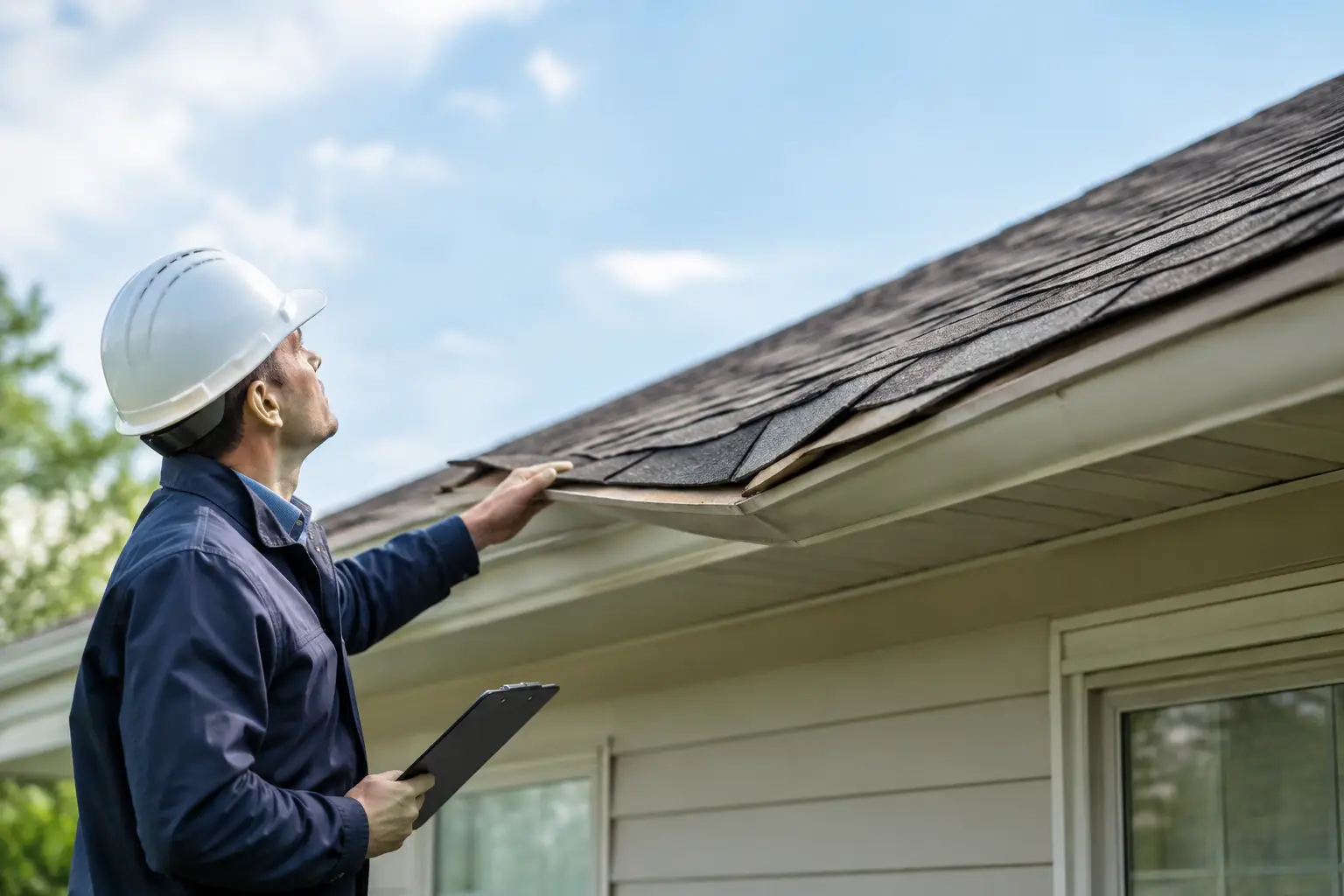
Besides the indoor, you also have to check from the exterior. Do see around the frame of the skylight and surrounding flashes. Missing, dried, or cracked caulk is a common failure. Flashing should always sit tight and flat against the roof without showing even a minimal lifting or corrosion. This region’s weather conditions can make the flashing fail, which is the number one reason behind winter skylight leaks.
3. Identifying Early Leak and Draft Warning Signs
On windy and colder times, place your hand near the skylight frame. If you feel colder air, then this can get worse in the intense winter season. The minor drafts can show the insulation gaps that cause condensation and ice dams to build up.
What Homeowners Should Know About It?
The foremost thing that almost every homeowner must check is whether the skylight insulation is in good shape and how to maintain it in optimal condition:
What Causes Ice Dams Around Skylights
- Heat significantly escapes through the poorly installed skylights.
- Snow freezes and melts near the roof edges.
- Freeze-thawing cycles can make the buildup worse.
How Ice Dams Cause the Leaks in Skylights
Ice dams indeed block the water flow. Melted snow pools around the skylights contribute to a rise in pressure due to their forceful movements under the shingles and flashing, ultimately paving the way for leaks into the walls and ceilings. Skylights become the first noticeable failure aspect.
Effective Ice Dam Prevention Strategies
- You can improve or upgrade the insulation of the attic to decrease the loss of heat through the roof to limit or control the damaging effects of ice dams.
- It’s better to schedule the pre-winter inspections by a professional company to catch the weak aspects on time.
- You can consider attic ventilation to keep the roof temperature stable.
- Go for the installation of better ice and water shield membranes near the skylights.
- Look for the air leaks around the skylight shafts, ceilings, and then seal them tightly.
DIY Skylight Maintenance vs Professional Inspection
People prefer to save money; they always seek the basic cleaning and interior checks on their own. But when it comes to:
- Inspection of flashes.
- Insulation upgrades.
- Checking for leaks.
Hire a trusted roofing company like Rick’s Main Roofing for this purpose. A professional inspection would cost you less than going for emergency repairs.
It’ll make you feel relaxed with the proper roof leak prevention in winter.
When to Consider Replacing or Upgrading Skylights
The principle of replacing or upgrading skylights is simple. Remember, if your skylights have crossed the warranty of 15-20 years, you may have to keep in mind that they’re nearing the end of their lifespan. Old skylights suffer more from old flashing systems, damaged seals, and poor skylight insulation, which are enough to cause leaks. That’s why you should either replace or upgrade the old ones with new skylights instead of spending money on repeated repairs.
Modern skylights have better deals, improved glazing, and increased energy efficiency, which makes them a great choice for intense temperatures.
Conclusion
Skylights are a great addition to homes in Connecticut, but they can give you a tough time in the cooler temperatures. The reason behind this isn’t just the weather but also the aging skylights or poorly done insulation. Besides going for timely repairs, you should always consider the pre-winter inspections for better skylight protection in cold weather.
We know that it’s okay to do this on your own on a minimal level, but when it comes to checking for flashing or leaks, always hire an expert roofing company like Rick’s Main Roofing. We have 50 years of experience in serving this region with our quality roofing services. To know more or hire us, call us and schedule a visit to your place!
Frequently Asked Questions
1. Can snow damage skylights in winter?
Yes, excessive snow pileup and ice formation can cause leaks and stress on the skylights, which aren’t properly installed or maintained.
2. What causes skylight leaks during winter?
These are the common causes:
- Ice dams
- Freeze Thaw Cycles
- Damaged flashing
- Poor insulation
3. How do I prevent condensation on skylights in cold weather?
You can avoid it by doing:
- Reducing the humidity indoors.
- Improve ventilation.
- Ensuring the skylights are properly insulated.
4. Are skylights energy-efficient in Connecticut winters?
Yes, modern skylights are enhancing efficiency with proper installation and insulated glass.