

A roof can look sound from the driveway and still have a problem developing beneath the shingles, around a flashing detail, or inside the attic. If you are asking when should roof be inspected, the practical answer is at least once a year, plus after severe weather or any sign that the roof may be letting water in. In Fairfield County, where winter ice, wind-driven rain, heavy snow, and coastal weather can all take a toll, waiting for an obvious leak is rarely the best approach.
A professional inspection gives property owners a clear picture of a roof’s condition before minor wear becomes interior damage, mold growth, insulation loss, or a more expensive replacement decision. The right timing depends on the roof’s age, material, exposure, and recent weather, but a consistent inspection schedule protects both residential and commercial properties.
When Should a Roof Be Inspected?
For most homes and commercial buildings, schedule a professional roof inspection once every 12 months. Many Connecticut property owners choose spring, after winter weather has passed, because freeze-thaw cycles and ice dams can expose weaknesses in shingles, flashing, gutters, and drainage systems.
Fall is also a smart time for an inspection, particularly for roofs with mature trees nearby or properties preparing for another New England winter. Clearing debris and addressing loose materials before snow and ice arrive can help prevent drainage problems and water backup at vulnerable roof edges.
Twice-yearly inspections are often worthwhile for older roofs, flat or low-slope commercial roofs, coastal properties, historic homes, and buildings with prior leak history. These roofs may require closer attention because their materials, drainage patterns, or exposure create more opportunities for water intrusion.
Inspect after major storms, not just catastrophic ones
A roof should be inspected after a significant windstorm, hail event, heavy snowfall, or prolonged period of driving rain. Damage is not always dramatic. Wind may lift or crease shingles without removing them, hail can shorten the usable life of roofing materials, and storm debris can damage valleys, vents, skylights, or gutters.
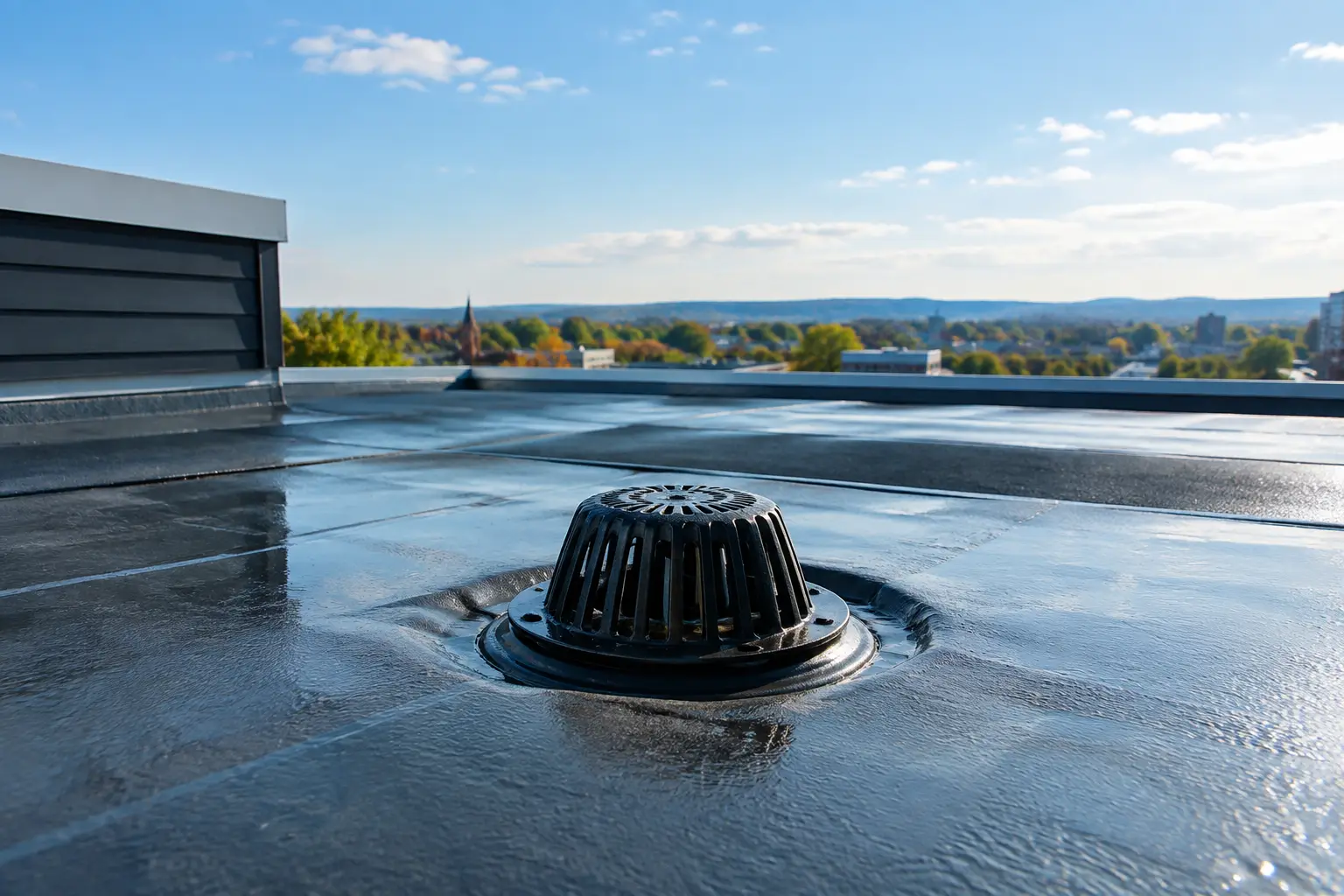
For commercial roofs, ponding water after a major rainstorm deserves attention. Standing water can indicate a drainage issue, membrane deterioration, or structural settlement that should be evaluated before it affects the building interior.
If a tree limb strikes the roof, schedule an inspection even if there is no visible hole. The impact may crack a slate tile, puncture a membrane, loosen flashing, or compromise the roof deck below the surface.
Signs You Should Not Wait for a Scheduled Inspection
An annual inspection is preventive maintenance. Certain warning signs call for a prompt evaluation instead. The most obvious sign is an active leak, but water stains on ceilings, peeling paint near upper walls, damp attic insulation, or a musty odor can be early evidence of roof-related moisture.
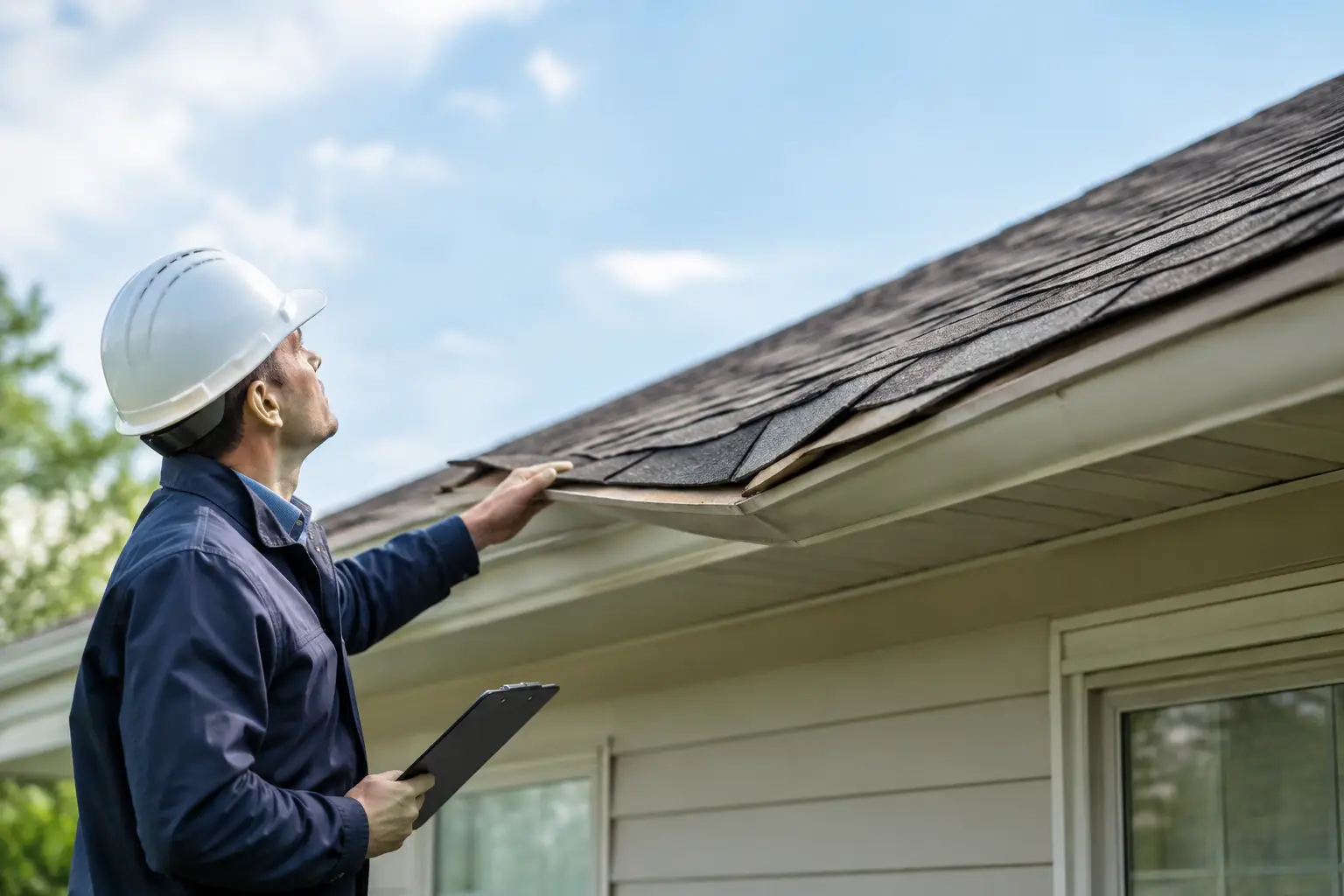
Outside, look for missing, curled, cracked, or buckling shingles; exposed nail heads; loose ridge caps; damaged flashing; and gutters filled with shingle granules. Granule loss is common as asphalt shingles age, but a sudden concentration of granules after a storm may point to accelerated wear.
Other reasons to call for an inspection include:
- A visible sag in the roofline or ceiling
- Ice dams forming repeatedly along eaves
- Moss, algae, or heavy debris that traps moisture
- A sudden increase in heating or cooling costs
- Daylight visible through the attic roof deck
- Loose metal panels, broken slate, split cedar shakes, or damaged roof penetrations
Do not assume every stain or attic issue originates at the roof. Condensation from inadequate ventilation, plumbing leaks, and masonry failures can create similar symptoms. A trained roofer can help identify the actual source rather than treating the wrong problem.
Why Connecticut Roofs Need a Local Inspection Schedule
Connecticut roofs face a demanding mix of seasonal conditions. Winter brings snow loads, freezing temperatures, and ice dam risk. Spring adds rain and freeze-thaw movement. Summer heat can age asphalt roofing and stress sealants around penetrations. Fall leaves can clog gutters, valleys, and drains just before winter weather returns.
Ice dams are especially important to address. They form when heat escaping from the home melts snow on the upper roof, then that water refreezes near colder eaves. The resulting ice can force water beneath shingles and into the structure. An inspection can reveal contributing issues such as poor attic ventilation, insufficient insulation, damaged underlayment, or blocked drainage.
Coastal and near-coastal properties have another concern: wind and salt exposure. High winds place extra stress on edges, flashing, and fasteners, while salt air can accelerate corrosion on certain metal components. A roof that performs well inland may need more frequent attention when exposed to coastal conditions.
Inspection Timing by Roof Age and Material
A new roof still deserves periodic review. During the first few years, inspections confirm that flashings, vents, seals, and drainage details continue to perform as intended. They also establish a maintenance record that can be valuable for warranty and property management purposes.
As a roof enters the second half of its expected service life, annual inspections become more valuable. Materials naturally lose flexibility and weather resistance over time. Small repairs made at this stage can sometimes extend the roof’s useful life, but only if the underlying system remains sound.
Material matters as well. Asphalt shingles should be checked for granule loss, cracking, lifted tabs, and flashing failures. Cedar roofing needs attention for splitting, decay, moss growth, and fastening issues. Slate is exceptionally durable, but individual broken or displaced pieces, failed flashing, and improper foot traffic can create leaks. Metal roofs should be evaluated for fastener movement, seam integrity, coating wear, and corrosion. Rubber and other low-slope roofing systems require close inspection of seams, drains, penetrations, and areas where water may pond.
A roof inspection should not be limited to the surface. A thorough assessment considers the attic or interior ceiling area when accessible, ventilation, insulation conditions, roof drainage, chimney and wall flashings, skylights, vents, and the condition of gutters and downspouts.
What a Professional Inspection Can Catch Early
The value of a roof inspection is not simply finding a leak. It is identifying the conditions that could cause one. A professional can spot failed pipe boot seals, deteriorated caulk, loose counterflashing, soft decking, improperly draining valleys, and shingles that have lost their wind resistance before those issues become visible indoors.
For property managers and commercial owners, inspections also support better budgeting. Knowing whether a roof needs a small repair, targeted maintenance, restoration work, or replacement planning makes it easier to avoid emergency decisions that disrupt tenants or operations.
There is a trade-off to consider. Not every aging roof needs immediate replacement, and not every isolated defect requires a major repair. A dependable roofing contractor should explain what is urgent, what should be monitored, and what can be planned for later. That distinction helps owners make informed decisions without postponing work that could lead to avoidable damage.
How to Prepare for a Roof Inspection
Before the appointment, make note of when you first noticed any stains, leaks, drafts, or changes in the roof’s appearance. If a problem occurs only during wind-driven rain or after snow melts, share that detail. It can help narrow down difficult-to-locate leaks.
Keep access areas clear if the attic, top floor, mechanical room, or roof hatch may need to be reviewed. For commercial facilities, let the roofing professional know about sensitive equipment, tenant schedules, and any areas where work must be coordinated to limit disruption.
Avoid climbing onto the roof yourself to investigate. Steep slopes, wet surfaces, aging materials, and hidden soft spots create unnecessary risk. Photographs from the ground can be useful, but an in-person professional assessment is the safer way to understand the condition of the entire system.
Rick’s Main Roofing provides inspections, maintenance, repairs, replacements, and emergency roofing response for residential and commercial properties throughout Norwalk and Fairfield County. Whether your roof has just weathered a storm or simply has not been evaluated in years, a timely inspection can give you a practical path forward before a small concern becomes a larger repair.