

When a Connecticut storm moves through, roof damage is not always obvious from the ground. A few lifted shingles, compromised flashing, or hail impact marks can turn into active leaks days later. That is why choosing the right storm damage roofing contractor CT property owners rely on is less about who arrives first and more about who can assess the roof correctly, respond quickly, and repair the full problem instead of the visible symptom.
In Fairfield County and nearby coastal communities, storms test roofing systems in different ways. Wind can break the seal on asphalt shingles. Heavy rain can expose weaknesses around chimneys, skylights, and valleys. On older homes, flashing and underlayment may already be near the end of their service life, so a moderate storm can create major water intrusion. On commercial buildings, membrane punctures and edge-detail failures can spread damage across a much larger area than the initial opening suggests.
What a storm damage roofing contractor in CT should actually do
A qualified contractor does more than tarp a leak and hand over an estimate. The first job is stabilization. If water is entering the building, immediate temporary protection matters because interior damage escalates fast. Wet insulation, stained ceilings, damaged drywall, and mold risk can all grow from a relatively small roof breach.
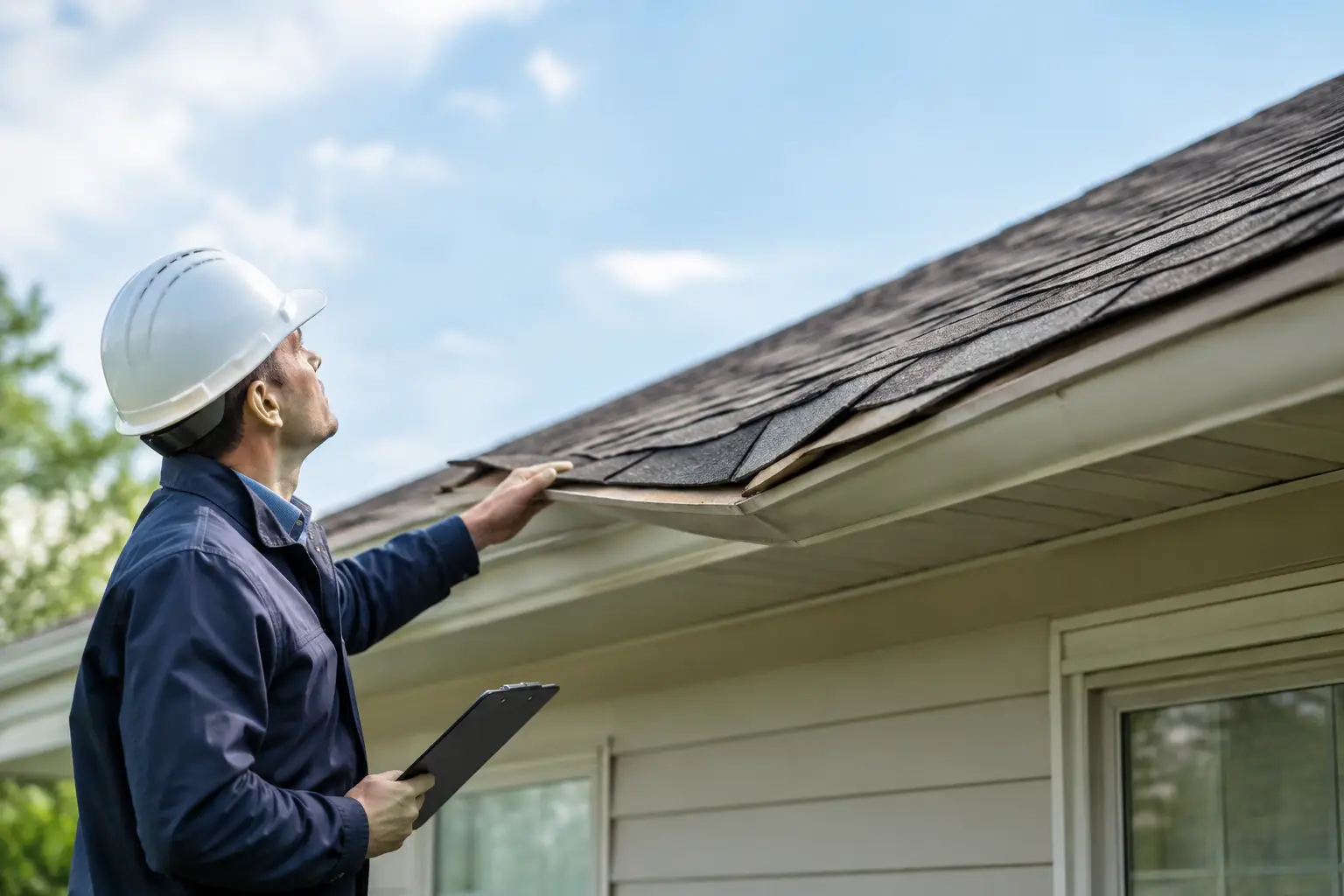
The next step is inspection. This should include the full roofing system, not just the place where water is showing up inside. Storm damage often travels. A leak over a bedroom ceiling may start much higher up the roof plane, or around a flashing transition that looks intact until it is tested closely. On flat and low-slope commercial roofs, water can migrate even farther before it becomes visible.
After inspection, the contractor should explain whether the roof needs repair, partial replacement, or full replacement. There is no one-size-fits-all answer. A newer roof with isolated wind damage may be a good repair candidate. A roof with widespread uplift, brittle shingles, saturated decking, or repeated leak history may not be worth patching. Good advice is specific, not generic.
Why local Connecticut experience matters after a storm
Storm damage in Connecticut is shaped by more than rain and wind speed. Coastal exposure, freeze-thaw cycles, ventilation issues, and ice dam history all affect how a roof performs after severe weather. A contractor with local experience understands the regional patterns that influence both diagnosis and repair strategy.
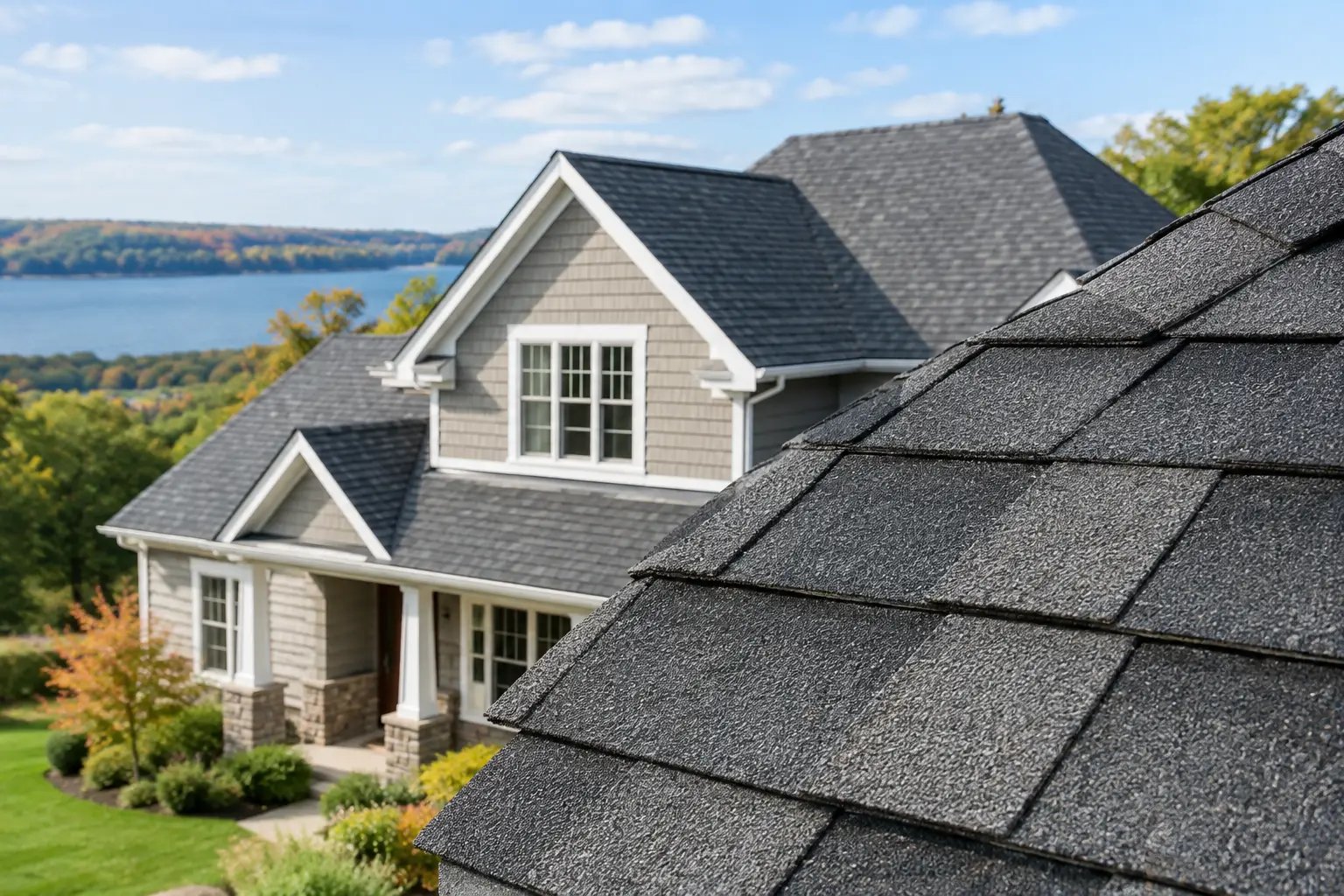
For example, a coastal home may show storm damage differently than an inland property because salt air and moisture exposure can accelerate wear on metal components. Historic homes may require a more careful approach because slate, cedar, and architectural details need material-specific handling. Commercial properties bring another layer of complexity, especially when drainage design, rooftop equipment, and membrane conditions are part of the problem.
That local perspective also matters when timing is critical. After major weather events, many property owners hear from out-of-town contractors moving through the area. Fast availability can sound appealing, but storm work done without local accountability often leads to poor repairs, warranty issues, or incomplete follow-up. A contractor established in the region has more at stake and is more likely to stand behind the work.
Common signs you need a storm damage roofing contractor CT homeowners trust
Some storm damage is immediate and obvious. A tree branch on the roof, missing shingles in the yard, or water coming through the ceiling leaves little room for doubt. Other signs are easier to miss and still need prompt attention.
Inside the building, look for ceiling stains, bubbling paint, damp insulation, attic moisture, or a musty smell after rain. Outside, warning signs include creased or missing shingles, dented metal vents, displaced ridge caps, damaged gutters, loosened flashing, or debris impact around roof penetrations. Even if the roof is not leaking yet, those conditions can shorten its life and create the next failure point.
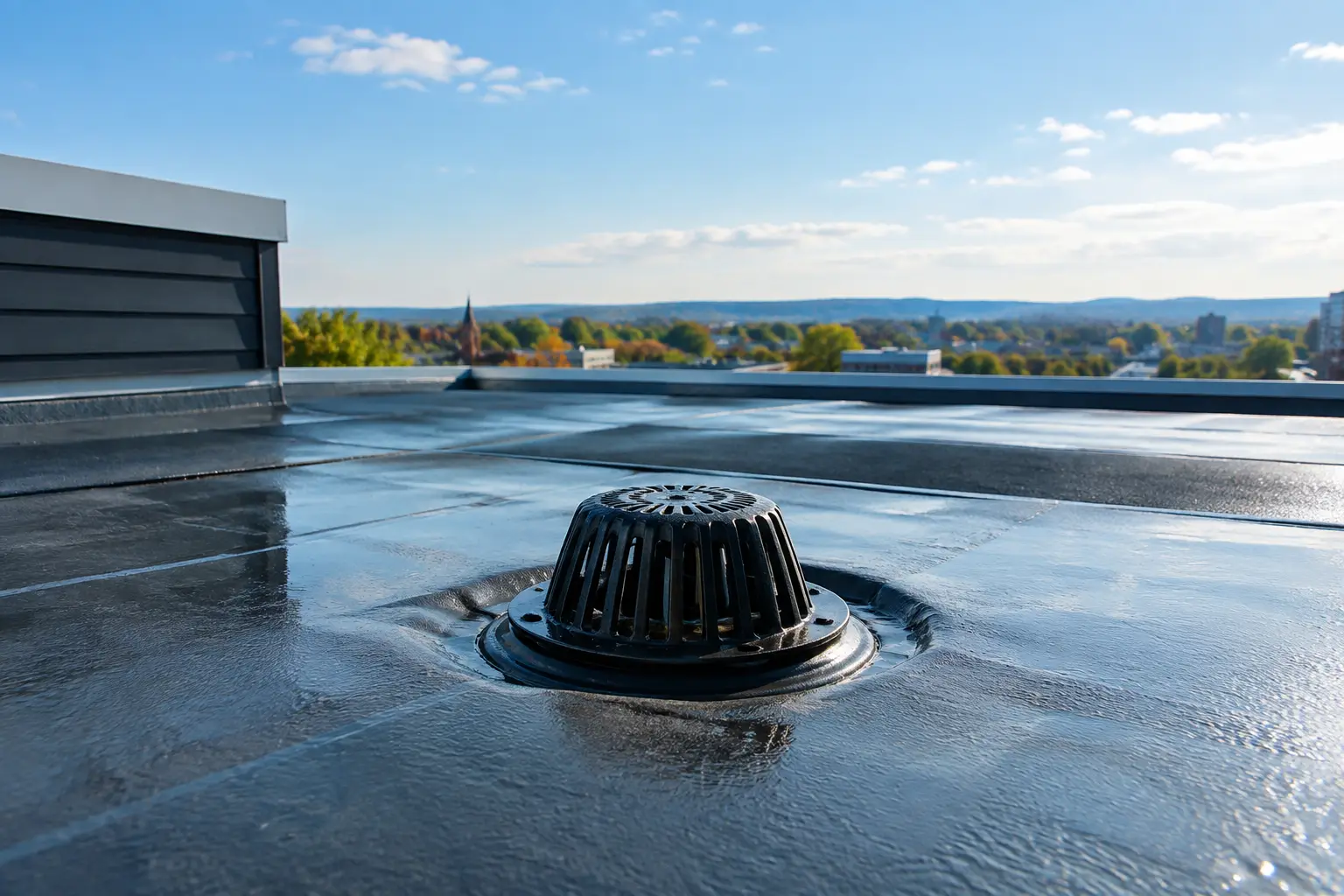
Commercial property owners and managers should also pay attention to ponding water, membrane tears, edge metal movement, and changes around rooftop units. What appears minor on a low-slope system can quickly become expensive if moisture gets trapped below the surface.
Repair or replacement after storm damage
This is where experience shows. Some contractors push replacement too quickly. Others patch damage that should have triggered a broader recommendation. The right answer depends on roof age, extent of damage, material condition, and how well the existing system can accept a durable repair.
If a roof is relatively new and the damaged area is limited, targeted repairs may restore performance effectively. Matching shingles, resecuring flashing, replacing damaged sections, and confirming watertight transitions can be the smart move. If the roof is older or already showing widespread wear, a repair may only buy limited time.
Replacement often makes more sense when storm damage exposes bigger underlying issues such as failing underlayment, soft decking, chronic ventilation problems, or multiple prior repairs. For homeowners, that may also be an opportunity to upgrade materials for better longevity or storm resistance. For commercial properties, it may be the right time to improve drainage performance or update a roof system that has become costly to maintain.
The value of emergency roofing response
Storm damage does not wait for business hours. If a roof has been compromised, fast action protects the structure, contents, and interior finishes. Emergency service should focus first on safety and damage control, then on a clear plan for permanent repair.
That can include temporary tarping, leak containment, securing exposed areas, and documenting visible storm impact. Just as important, the contractor should be ready to return for a thorough inspection once conditions are safe. A temporary measure is necessary in many cases, but it is not the repair itself.
For property managers and commercial owners, responsiveness also affects operations. Roof leaks can disrupt tenants, inventory, equipment, and business continuity. A contractor that understands both urgent stabilization and long-term roofing performance brings more value than one that simply applies a short-lived fix.
Certifications, materials, and workmanship still matter in storm work
Storm urgency can make people focus only on speed. Speed matters, but credentials and system knowledge matter too. Roofing materials behave differently under storm stress, and repair methods need to align with the roof type.
Asphalt shingles require proper sealing, fastening, and matching. Slate and cedar demand specialized handling to avoid causing new damage during the repair. Metal roofs require attention to panel movement, fasteners, seams, and flashing details. Rubber and other commercial systems need compatible repair materials and application methods that preserve system integrity.
This is where proven qualifications help separate serious contractors from temporary storm chasers. Manufacturer certifications, commercial roofing credentials, and a track record across residential and commercial systems indicate that the contractor understands how to repair roofs to a professional standard, not just how to make them look acceptable from the driveway.
What to expect from a strong inspection and estimate
A solid inspection should leave you with clarity. You should understand what was damaged, what is still serviceable, what needs immediate attention, and what can be monitored. The estimate should reflect real scope, not vague language.
That means specific repair areas, material considerations, any temporary measures already taken, and whether hidden damage could affect final scope once the roof is opened. Storm situations sometimes uncover more than what is visible on day one. A trustworthy contractor explains that possibility upfront rather than surprising you later.
Rick’s Main Roofing serves property owners across Norwalk, Fairfield County, and nearby Connecticut communities with the kind of local storm-response knowledge that comes from working on everything from standard residential roofs to historic, coastal, and commercial systems.
Choosing a storm damage roofing contractor CT property owners can trust
Trust comes from a combination of urgency, accuracy, and workmanship. You want a contractor who answers the phone when weather hits, but also one who understands Connecticut roof systems well enough to protect the building properly. That balance matters.
Look for a company with local experience, emergency response capability, material-specific expertise, and the professionalism to provide a detailed recommendation instead of a rushed sales pitch. Free estimates and financing can be helpful, but they should support good roofing decisions, not distract from them.
After a storm, the cheapest option can become the most expensive if the repair fails or hidden damage is missed. A roof is a system, and storm recovery should be handled that way. The right contractor helps you move from immediate worry to a clear plan, with repairs or replacement that are built to hold up through the next round of Connecticut weather.
If your roof has been through a recent storm, the best next step is not to wait for a bigger leak. Have it inspected by a contractor who knows what Connecticut weather leaves behind and how to fix it the right way the first time.