

Introduction
If you are considering living options near South of Post Road in Westport, you can enjoy perks like morning walks near Compo Beach. That salty breeze is coming off the Long Island Sound. Quiet streets with water never far away.
But that same breeze does something most homeowners don’t notice until it’s too late.
It eats roofs.
Salt in coastal air doesn’t just sit on your shingles. It settles into nail heads, flashing seams, and tiny joints you never see from the ground. Over time, it speeds up corrosion, weakens fasteners, and causes leaks that feel sudden, but really aren’t.
The frustrating part? Many of these roofs fail years before they should.
At Rick’s Main Roofing, we’ve worked on enough Westport homes to know this isn’t about bad luck or poor workmanship. It’s about using the wrong materials in a coastal environment.
We are going to talk about why salt air damages roofs, what materials actually last near the water, and how Westport homeowners can avoid replacing a roof long before its warranty runs out.
The Science of Salt Spray: Why Coastal Roofs Age Faster
Salt spray isn’t dramatic. You don’t see it piling up. But chemically, it’s aggressive.
When salt particles settle on metal roofing components, they hold moisture against the surface. That constant dampness creates the perfect environment for corrosion, especially during temperature swings between day and night.
Galvanic Corrosion: What Happens When Salt Meets Aluminum
Most standard roofs use aluminum flashing and galvanized steel nails. Inland, that setup holds up fine.
Near the Sound, it’s a different story.
Salt creates a chemical reaction between different metals. Over time, aluminum flashing starts to pit and thin out. Nail heads lose their protective coating. Once that coating goes, rust takes over fast.
We’ve pulled flashing near the water that literally crumbled when touched. The shingles above it looked okay. Underneath? A mess.
The “South of Post Road” Boundary: Identifying High-Risk Zones.
That Post Road line isn’t just local talk. It’s practical.
Homes closer to the shoreline are exposed to airborne salt year-round. You don’t need to be right on the beach either. A few blocks inland still count.
North of Post Road, materials last longer. South of it, you need to plan differently, or accept replacing things sooner than expected.
Material Upgrades: Aluminum vs. Copper Flashing
Flashing is one of those things homeowners never think about until it fails. And when it fails, water usually follows.
Why Standard Aluminum Pits and Crumbles Near the Water?
Aluminum reacts poorly to salt air. Instead of rusting evenly, it pits. Those tiny pits turn into weak spots, cracks, and leaks.
In coastal Westport homes, aluminum flashing often gives up years earlier than it should.
The Lifespan Benefits of Lead-Coated Copper Valleys.
Copper behaves differently. It doesn’t flake apart. It forms a surface layer that protects the metal underneath.
Lead-coated copper is even better for roof valleys. It handles water flow well and doesn’t mind constant exposure to salty air.
Is it more expensive? Yes.
Is it usually replaced once and never again? Also yes.
The Invisible Danger: Rusted Nails Under Your Shingles
Here’s where things get sneaky.
Most roof leaks we inspect near the coast don’t start with shingles. They start with nails.
Switching to Stainless Steel Ring-Shank Nails.
Standard galvanized nails depend on a thin coating for protection. Salt air wears that coating down.
Once the nail starts rusting, it expands. That expansion pushes shingles up slightly. Over time, they loosen.
Stainless steel ring-shank nails don’t rely on a coating. They resist corrosion and grip the roof decking better, especially in wind.
Signs of “Nail Pop” and Loose Shingles.
- Shingles lifting after moderate wind.
- Random tabs sit higher than others.
- Small leaks with no obvious shingle damage.
These aren’t cosmetic issues. They’re early warnings.
Recommended Maintenance Schedule for Coastal Homes
You don’t need anything complicated. Just consistency.
Annual Rinse-Downs to Remove Salt Accumulation.
A light rinse, especially after winter, helps remove salt buildup from flashing and exposed areas. No pressure washing. Just enough to clean.
Inspecting Rubber Boots and Seals for Dry Rot.
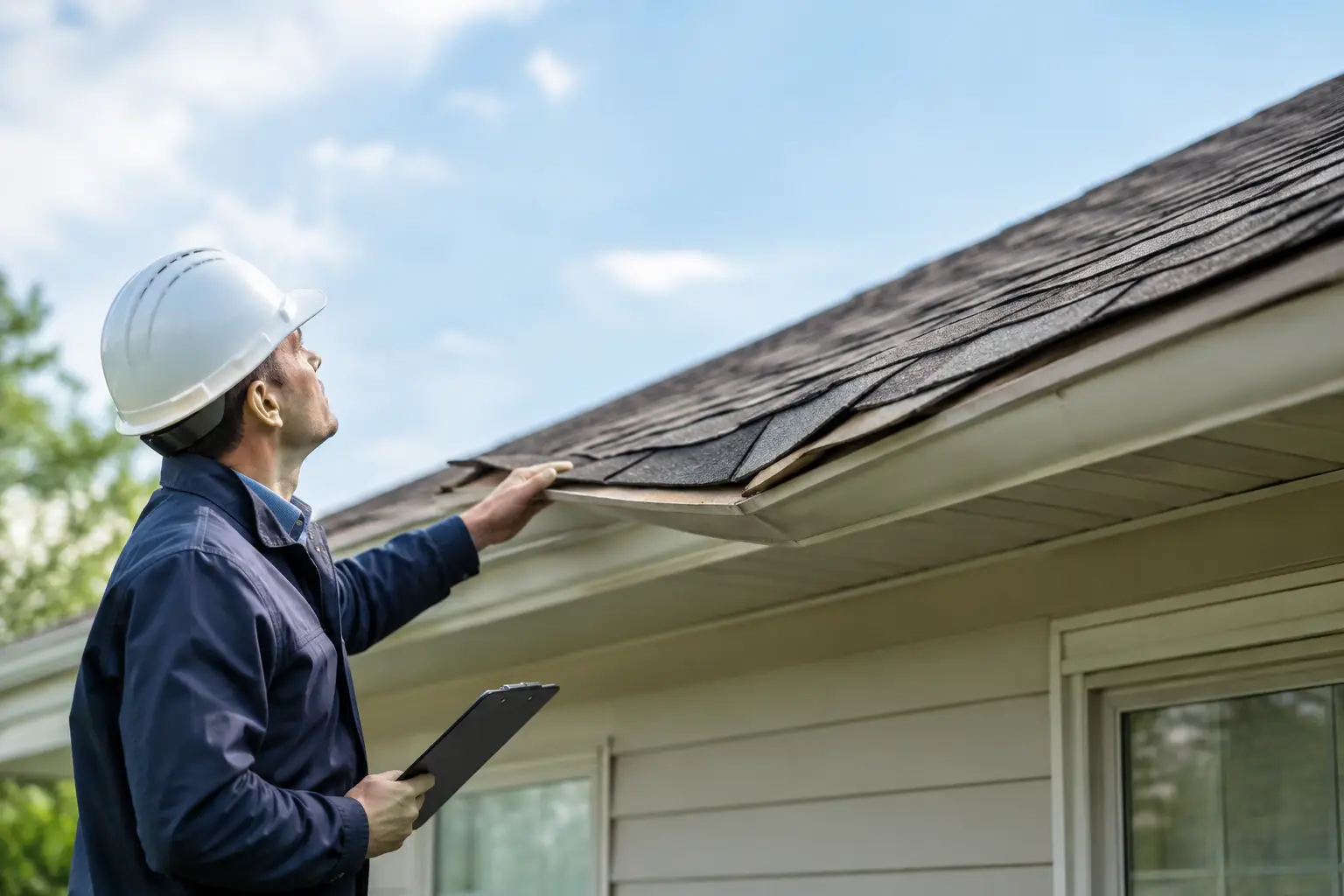
Salt dries rubber faster. Vent boots crack sooner near the water. When they fail, leaks are slow and hard to spot.
Why Westport Homeowners Choose Rick’s for Coastal Protection
Coastal roofing isn’t about upselling materials. It’s about using the right ones in the right places.
At Rick’s Main Roofing, we approach homes near Compo Beach differently from homes farther inland. Different fasteners. Different flashing. Different expectations for wind and salt exposure.
Because Westport roofs don’t all age the same.
Our Pro Tip: High-Wind Ratings & Insurance Coverage
In Westport, wind isn’t just a weather event; it’s an insurance classification. Many homeowners are shocked to find their insurance claims denied after a storm because their standard shingles weren’t rated for the coastal gusts common in our area.
For all properties near the water, we strictly install “High-Wind” rated architectural shingles designed to withstand uplift speeds of 110-130 mph. Installing a system with this specific rating ensures that if a hurricane or Nor’easter strikes, your roof is physically capable of holding on—and your insurance policy remains valid.
FAQs About Home Aging in Westport
1. How often should I inspect my roof if I live near Compo Beach?
At least once a year, plus after major storms. Coastal roofs age faster, even when damage isn’t obvious.
2. Is copper flashing worth the extra cost for a Westport home?
For homes south of Post Road, yes. Copper often outlasts the roof itself and prevents recurring leak repairs.
3. What are “marine-grade” roofing nails?
They’re typically stainless steel fasteners designed to resist salt corrosion and maintain holding power in coastal conditions.