

A hot second-floor bedroom, frost in the attic, peeling paint near the eaves, or ice dams after a Connecticut snowstorm can all point to the same issue: roof ventilation problems. These conditions are easy to overlook because the trouble often begins out of sight. Left uncorrected, however, poor attic airflow can contribute to high cooling costs, damaged insulation, moisture-related wood decay, and a shorter service life for the roof itself.
Ventilation is not an optional add-on to a roofing system. It is part of how the roof, attic, insulation, and home work together. For homes and commercial buildings in Norwalk and throughout Fairfield County, the right solution depends on the roof design, material, attic layout, insulation levels, and whether existing vents are actually able to move air.
What Proper Roof Ventilation Is Supposed to Do
A properly ventilated attic generally uses a balanced path for air movement. Cooler, drier air enters through intake vents at or near the soffits. As the air warms, it rises and exits through exhaust vents located high on the roof, often at the ridge. This steady exchange helps moderate attic temperatures and carry away excess moisture.
The goal is not to make the attic match outdoor temperature every hour of the year. During a humid summer or a cold Connecticut winter, some temperature difference is normal. The goal is to prevent trapped heat and moisture from building up long enough to damage roofing materials, framing, insulation, or interior finishes.
A roof can have several visible vents and still perform poorly. Intake may be blocked by insulation, exhaust vents may be too limited for the attic size, or different exhaust vent types may compete with one another. Ventilation must be designed as a complete system, not installed as a collection of parts.
Signs of Roof Ventilation Problems
Many warning signs appear inside the home before a roofing issue is obvious from the street. A persistent musty attic odor, damp insulation, rusty nail tips, or dark staining on roof sheathing can indicate recurring condensation. In severe cases, mold growth or softened wood may develop.
Summer symptoms often include rooms below the attic that remain uncomfortably hot even when the air conditioning is operating. An overheated attic can force cooling equipment to work harder and may accelerate wear on asphalt shingles. Shingles that curl, blister, or become unusually brittle can have several causes, so ventilation should be evaluated alongside age, installation quality, and storm exposure.
Winter creates a different set of concerns. Warm household air that escapes into a cold attic can condense on the underside of the roof deck. When temperatures drop below freezing, that moisture may turn to frost. As it melts, it can wet insulation and create stains or drips that look like a roof leak.
Ice dams also deserve close attention. They occur when snow melts on warmer upper sections of the roof and refreezes near colder eaves. Insufficient ventilation can contribute, but it is rarely the only cause. Air leaks from the living space and inadequate attic insulation are often major factors. A qualified inspection should look at all three conditions rather than treating ice dams with ventilation alone.
Why Ventilation Systems Fail
Blocked soffit intake
Soffit vents are frequently covered by attic insulation, especially in older homes where insulation has been added over time. Without a clear channel from the soffit into the attic, ridge vents or other high-level exhaust vents cannot draw in replacement air. The result is weak airflow, even if the roof appears well ventilated from outside.
Properly installed baffles help maintain this channel while keeping insulation where it belongs. This is a relatively straightforward correction in some attics, but cramped eaves, cathedral ceilings, and complex framing can require a more tailored approach.
Too much exhaust, not enough intake
Adding more roof vents is not always the answer. An attic needs sufficient intake to support exhaust. If intake is limited, powerful exhaust vents can pull conditioned air from the home through ceiling gaps instead of pulling outdoor air through soffits. That wastes energy and can introduce more moisture into the attic during winter.
This is why the amount and placement of ventilation matter. A roofing professional calculates the net free vent area required for the attic and verifies that intake and exhaust are reasonably balanced.
Mixed exhaust vents that work against each other
A ridge vent, box vents, gable vents, and powered attic fans may all seem helpful, but combining them without a plan can disrupt airflow. Air naturally follows the easiest route. A nearby gable vent, for example, may pull air through the ridge instead of drawing it evenly from low soffit intakes.
Some roof designs do require a combination of ventilation methods. The decision depends on the layout. The key is that each component must support a clear, intentional airflow path.
Air leaks and insulation issues
Ventilation cannot compensate for warm, humid interior air leaking into the attic. Gaps around light fixtures, attic hatches, plumbing penetrations, ductwork, and wall top plates can allow moisture-laden air to escape upward. Poor insulation can also leave roof surfaces warmer than they should be, increasing the risk of ice dams.
For this reason, solving ventilation concerns may include air sealing and insulation improvements. The roofing work and attic work should be coordinated, particularly when replacing a roof or repairing winter-related damage.
The Right Fix Depends on the Roof
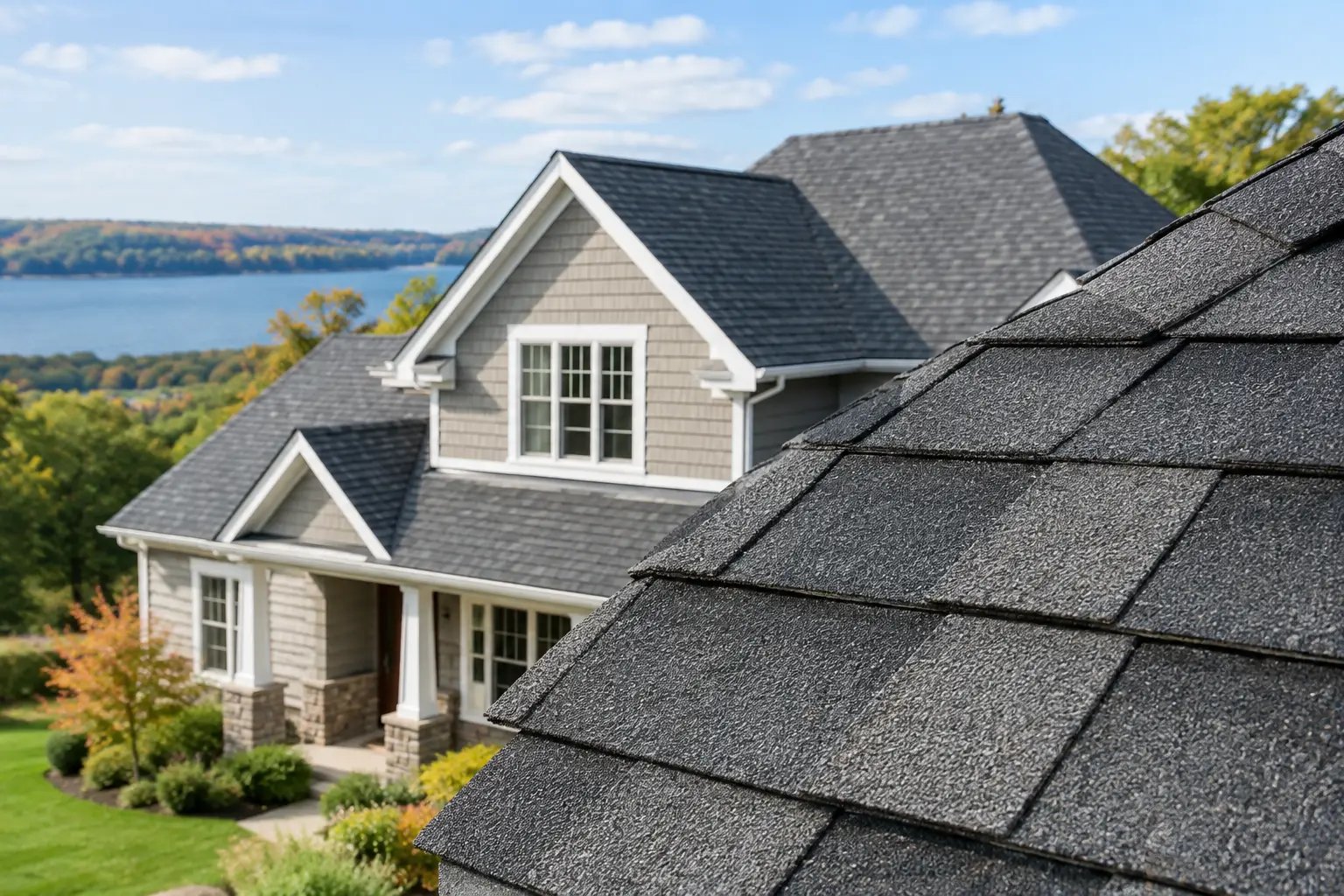
For a conventional sloped roof with accessible soffits, continuous soffit intake paired with a ridge vent is often an effective, low-profile solution. It provides evenly distributed airflow and preserves the appearance of many residential roofs. Yet this arrangement is not automatically right for every property.
Homes with hip roofs, limited ridge length, no overhangs, vaulted ceilings, or intricate architectural features may need alternatives such as carefully placed roof louvers, specialized intake products, or ventilation incorporated into the roofing assembly. Historic homes may require added attention to preserve appearance while addressing moisture and heat concerns.
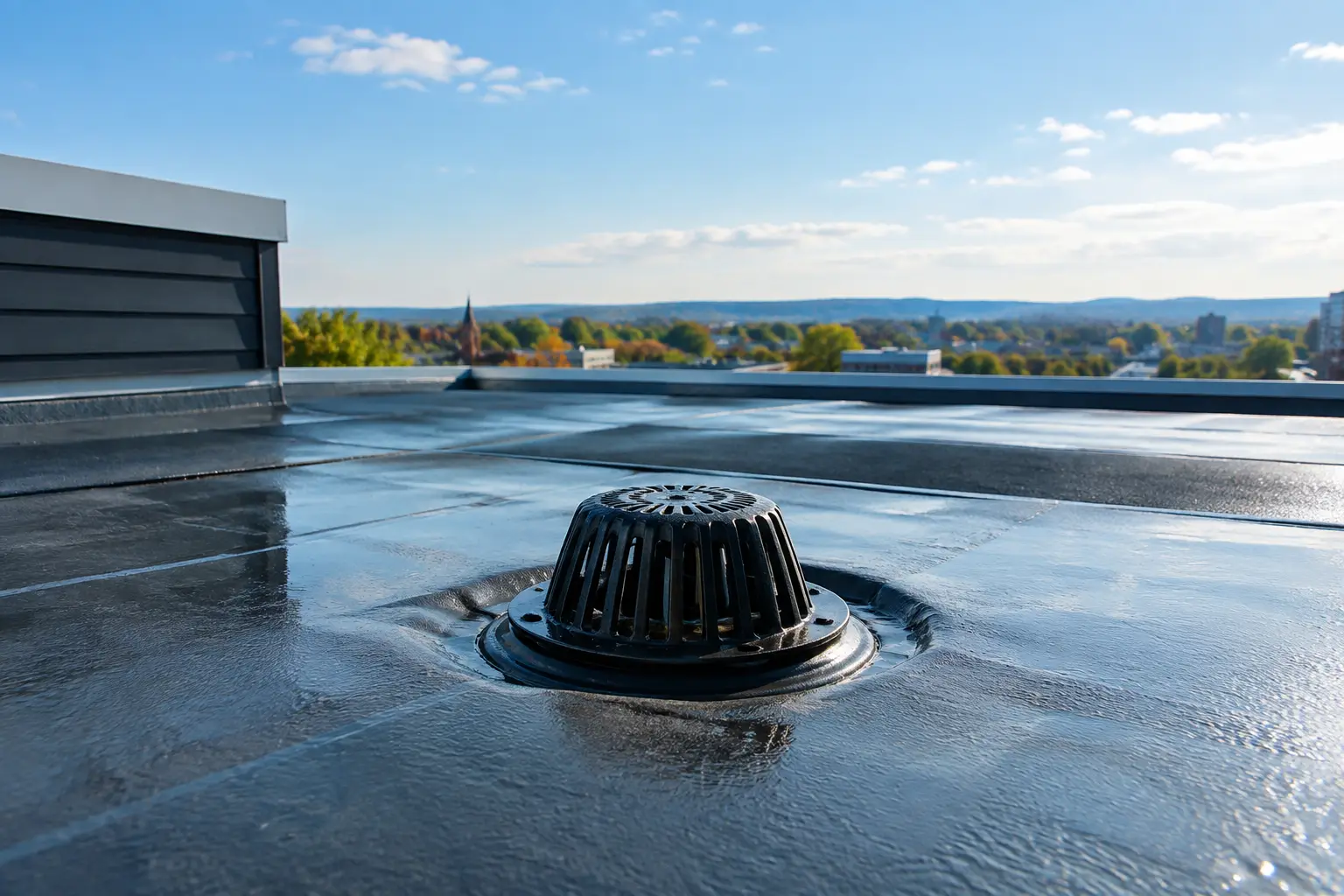
Material matters as well. Asphalt, cedar, slate, metal, and low-slope roofing systems each have different installation details and moisture-management considerations. Cedar roofs, for example, need to dry effectively to help prevent premature deterioration. Commercial properties may have large low-slope roof areas where ventilation questions involve the roof deck, insulation assembly, and building mechanical systems rather than a traditional attic.
Powered attic fans can be useful in limited applications, but they are not a universal cure. They require electricity, may increase maintenance needs, and can depressurize an attic if intake is inadequate. Before recommending a fan, an experienced contractor should determine whether passive ventilation, air sealing, or insulation improvements would address the root cause more effectively.
What a Professional Ventilation Inspection Should Cover
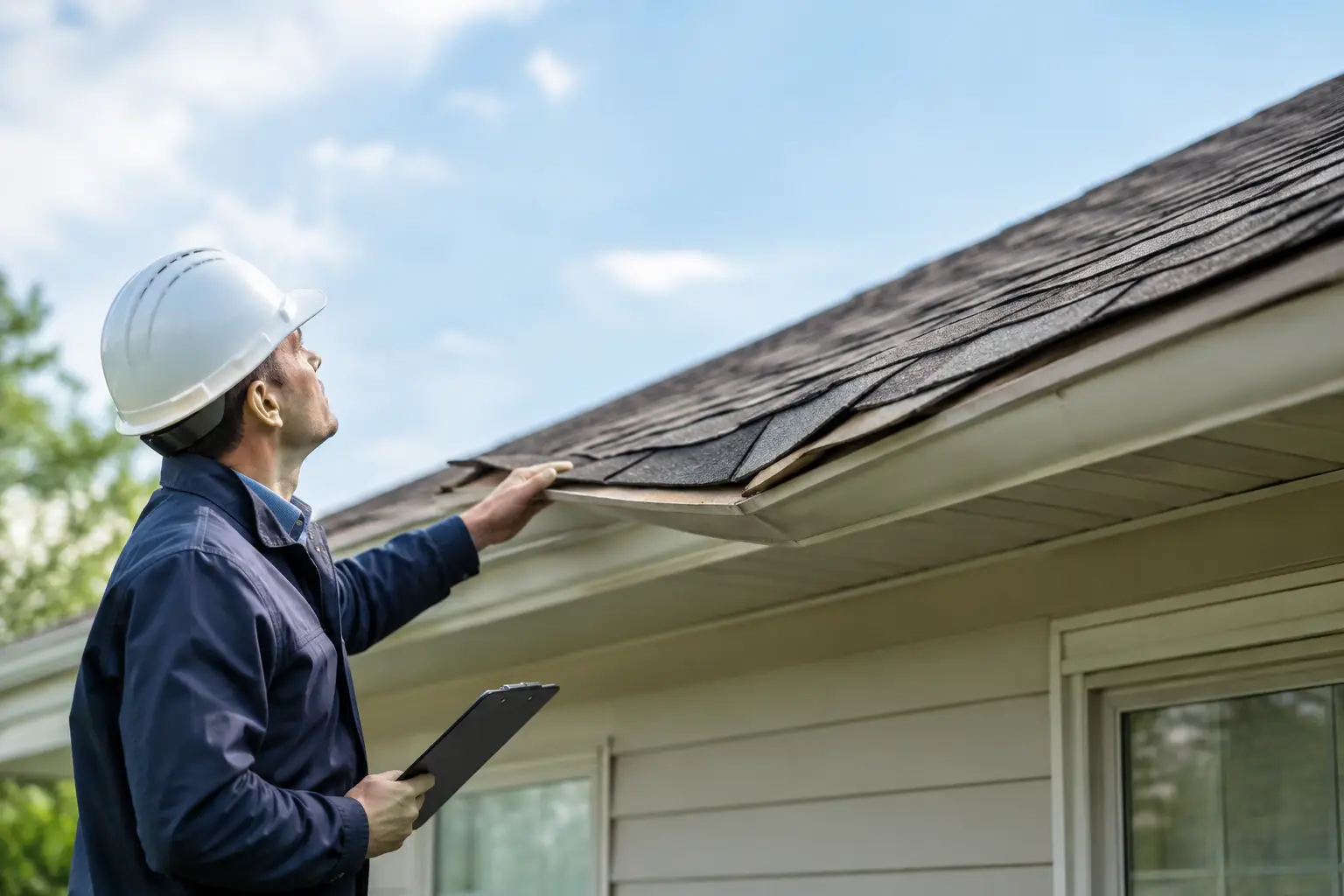
A useful inspection goes beyond counting vents from the ground. The roof and attic should be evaluated together. That includes checking roof deck condition, insulation depth and placement, soffit openings, baffles, ridge or roof exhaust vents, bathroom and kitchen duct termination, and signs of water intrusion or condensation.
The inspection should also distinguish between an active roof leak and condensation. Both can leave wet sheathing, ceiling stains, or damaged insulation, but the repair approach is very different. A leak may require flashing, shingle, membrane, or penetration repairs. Condensation requires controlling moisture movement and restoring proper attic performance.
At Rick’s Main Roofing, ventilation concerns are assessed in the context of the entire roofing system. That matters after storm damage, during a roof replacement, and whenever a property owner is seeing recurring attic moisture or ice dam conditions. Correcting the underlying issue before installing new roofing materials helps protect the investment from the start.
When to Act
Do not wait for visible mold, sagging roof sheathing, or interior water damage to investigate attic conditions. If your home has recurring ice dams, unusually high upper-floor temperatures, attic frost, a musty smell, or shingles aging faster than expected, schedule an evaluation before the next season puts more stress on the roof.
A prompt inspection can identify whether the answer is a ventilation correction, air sealing, insulation work, roof repair, or a combination of these measures. Addressing the cause early is usually far less disruptive than repairing the damage moisture and trapped heat can create over time.