

A stain on the ceiling after a Norwalk downpour can make every roofing decision feel urgent. Yet roof repair versus reroof is not simply a choice between the least expensive option and the most extensive one. The right answer depends on where the water is coming from, how much of the roofing system has aged, whether the deck remains sound, and how well the roof is prepared for Connecticut snow, wind, ice, and coastal moisture.
A focused repair can restore protection and extend the useful life of a roof that is otherwise in good condition. A reroof or full replacement may be the safer investment when problems are widespread, recurring, or tied to the roof’s age. A professional inspection is the practical starting point because the visible symptom is not always the underlying cause.
Roof Repair Versus Reroof: The Core Difference
Roof repair addresses a defined problem. That may include replacing damaged shingles, repairing flashing around a chimney, sealing a vulnerable penetration, correcting a small area of membrane roofing, or addressing storm damage. The goal is to stop the failure without disturbing sound portions of the system.
Reroof is commonly used to describe installing a new roofing surface over an existing roof. In everyday conversation, property owners may also use the term to mean a complete roof replacement. Those are not always the same scope of work. A full replacement generally involves removing the existing roofing materials, examining the roof deck, and installing a new system with appropriate underlayment, flashing, ventilation details, and drainage components.
That distinction matters. A new layer over an old roof may be appropriate in limited circumstances, but it cannot reveal hidden deck damage or correct every underlying issue. Before approving any proposal, ask exactly what will be removed, inspected, repaired, and installed.
When a Roof Repair Is the Better Choice
Repair is often the sensible option when the roof has substantial useful life left and the damage is isolated. A missing shingle after high winds, cracked pipe flashing, a small leak near a skylight, or a localized section of damaged cedar can frequently be corrected without replacing the entire roof.
The rest of the roof is performing well
A repair is more likely to deliver lasting value when shingles are still flexible, granule loss is limited, flashing remains largely intact, and there are no broad signs of water intrusion in the attic. For commercial low-slope roofs, a contained puncture or failed seam may also be repairable if the membrane is otherwise stable.
The key word is contained. A repair should solve the source of the leak, not simply cover the interior evidence of it. Water can travel along rafters, insulation, decking, or framing before it becomes visible on a ceiling. The wet spot in a room is often several feet away from the roof opening.
The damage followed a specific event
A recent storm, fallen branch, ice-related damage, or wind-lifted shingle creates a clearer repair case than a leak that has appeared repeatedly over several seasons. Prompt service is especially valuable after a weather event because exposed underlayment and open seams can allow additional moisture into the roofing assembly.
For historic homes, repairs may also preserve original materials and architectural character when slate, cedar, or specialty components remain serviceable. Matching material, color, thickness, and installation method is essential. A repair that looks out of place or is installed improperly can compromise both appearance and performance.
Repair makes financial sense
The lowest immediate price is not always the best value, but a targeted repair can be a responsible investment when it buys several more reliable years from the existing roof. It can also give owners time to plan and budget for replacement rather than making a major decision under pressure.
When Reroofing or Replacement Is the Safer Investment
A roof nearing the end of its service life can develop multiple small failures at once. Replacing one area may stop one leak, only for another weakness to appear after the next heavy rain or winter freeze-thaw cycle. At that point, repeated repairs can become more disruptive and more costly than a planned replacement.
Problems are widespread or recurring
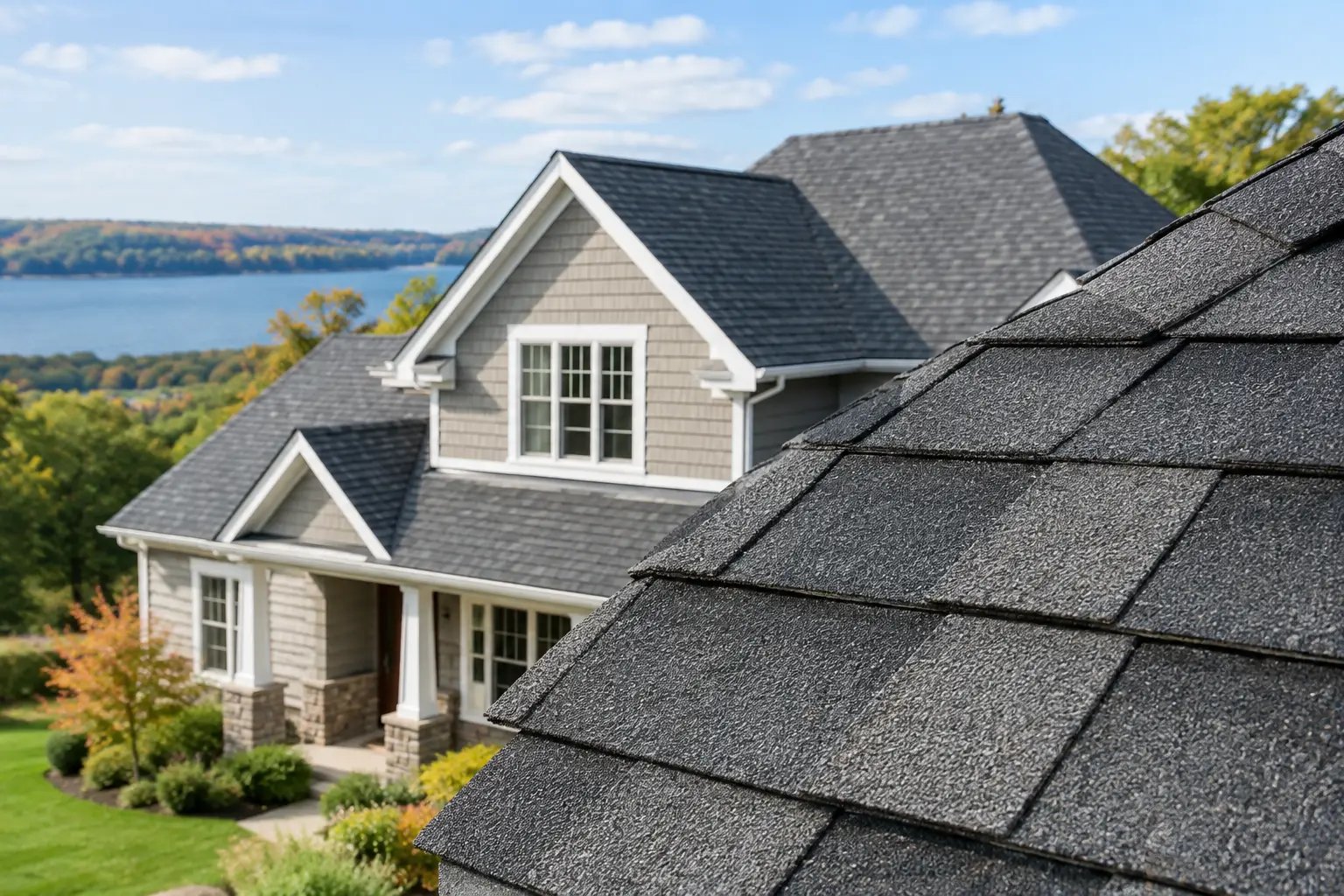
Consider reroofing or full replacement when shingles are curling, cracking, balding, or losing granules across large areas. Other warning signs include multiple leaks, soft or sagging roof sections, widespread flashing deterioration, persistent attic moisture, and daylight visible through the roof deck.
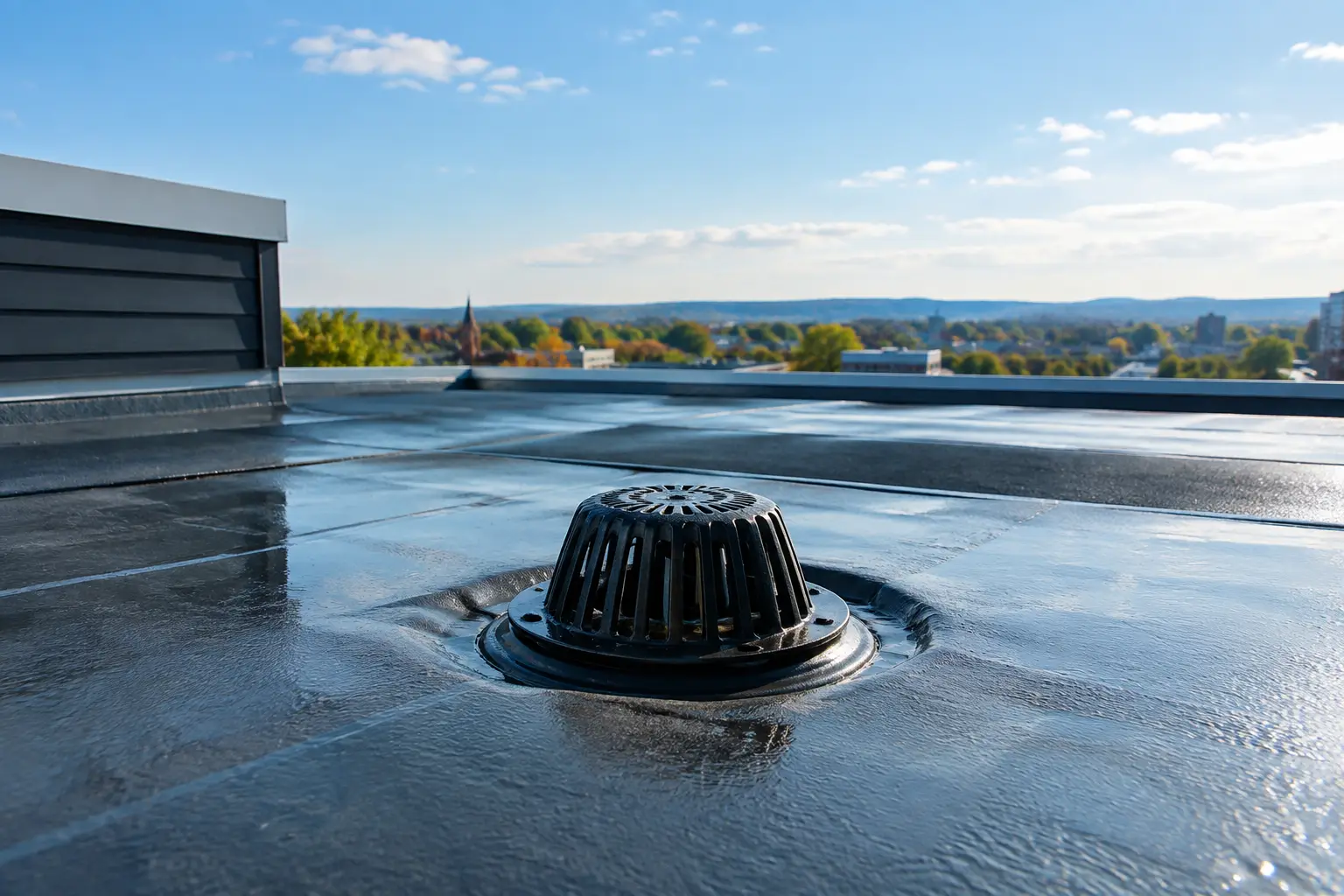
For commercial properties, ponding water, recurring seam failures, blistering, membrane shrinkage, or failing roof transitions can indicate that patching is no longer a durable strategy. Building owners and managers must also consider the operational cost of ongoing leaks, including damaged inventory, interrupted work, tenant complaints, and potential interior repairs.
The roof deck or ventilation needs attention
A full replacement provides access to components that a surface repair cannot address. Once the old roof covering is removed, a contractor can identify deteriorated plywood, moisture damage, hidden leaks, and inadequate attachment. It is also the right time to evaluate ventilation, intake and exhaust balance, insulation conditions, and ice-dam protection.
In Fairfield County, ventilation is not an optional detail. Warm, moist air escaping into an attic during winter can contribute to condensation and ice dams. Those conditions can damage decking, insulation, trim, and interior finishes even when the shingles themselves appear acceptable from the ground.
You need long-term predictability
A replacement is a larger upfront commitment, but it provides a complete, coordinated system and a clearer service-life outlook. It can improve curb appeal, protect resale value, and reduce the uncertainty that comes with repeated leak calls. For coastal properties, the opportunity to upgrade fastening, flashing, edge protection, and weather-resistant materials can be particularly valuable.
Connecticut Conditions Change the Decision
A roof in Connecticut faces more than ordinary rainfall. Winter snow loads, freeze-thaw movement, ice dams, wind-driven rain, humid summers, and coastal exposure all test weak details around valleys, chimneys, skylights, vents, and roof edges.
That is why a small leak deserves careful evaluation. A minor flashing defect may be a straightforward repair. But if ice has backed water beneath shingles in several locations, or wind has lifted materials across multiple slopes, the scope may be larger than it first appears. The same principle applies to flat and low-slope commercial roofs, where drainage performance and membrane condition must be evaluated together.
Material also affects the recommendation. Asphalt roofs, cedar roofs, slate roofs, metal roofs, and rubber roofing systems fail in different ways and require different repair methods. A contractor should assess the specific material rather than apply a one-size-fits-all recommendation.
Compare Cost by Value, Not Just Price
When weighing repair against reroofing, compare the expected cost over the next several years. A repair estimate should explain the cause of damage, the work to be completed, and what conditions could affect the final scope. A replacement estimate should identify the roofing system, underlayment, flashing, ventilation work, deck repairs if needed, and cleanup.
Be cautious about a proposal that recommends replacement without examining the attic, roof penetrations, and affected areas. Be equally cautious about repeated low-cost patching when the roof has several active issues. Good advice recognizes that every property has a different condition, budget, and timeline.
For many owners, the decision also involves timing. If a repair can safely stabilize the roof before winter or while a replacement is being planned, that may be the right approach. If active leaks are already damaging the structure or interior, delaying a full solution can create a much larger expense.
How to Make the Decision With Confidence
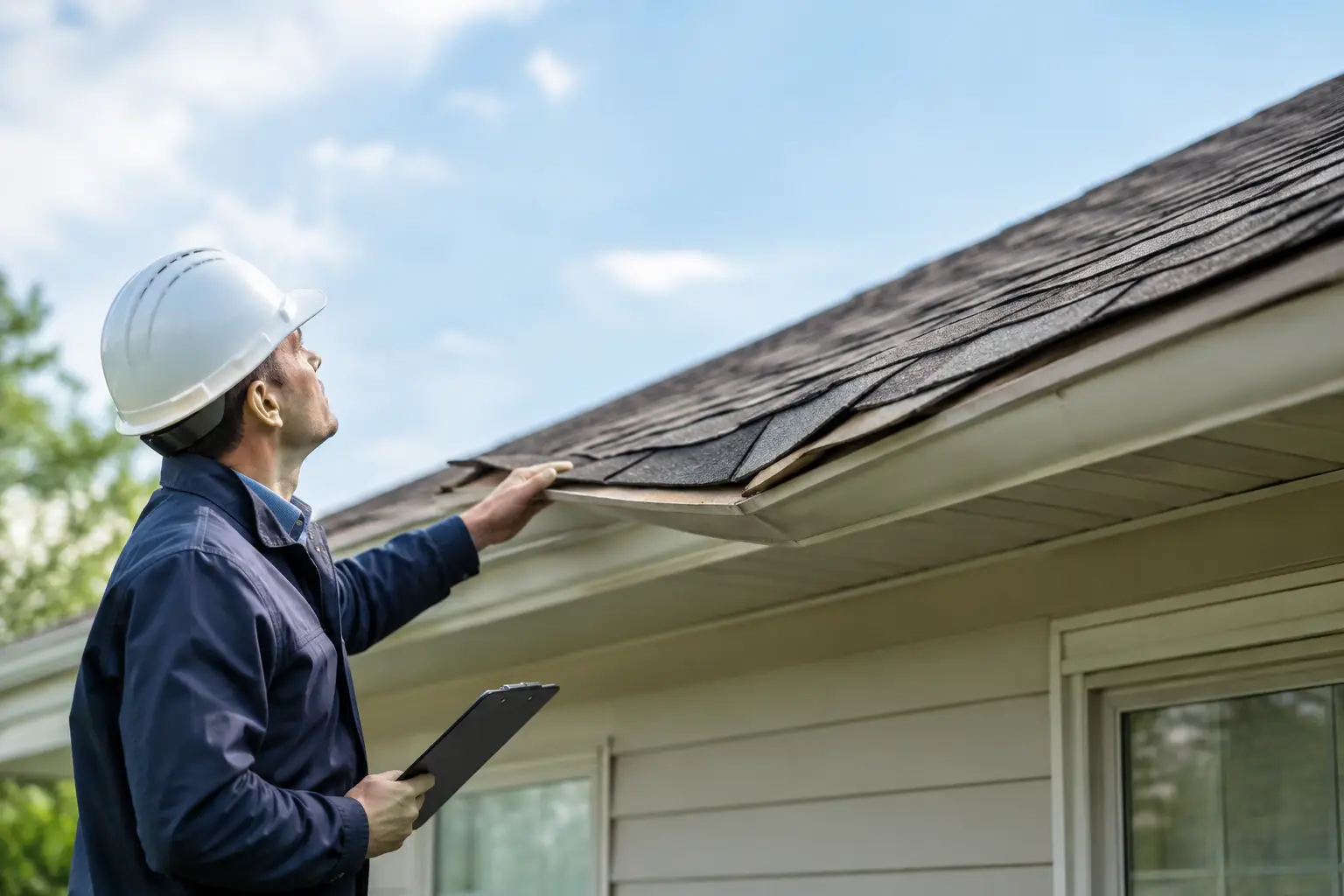
Start with a thorough inspection that includes the exterior roof, attic or interior signs of moisture, flashing details, drainage, and ventilation. Ask for photographs and a plain-language explanation of what is damaged, why it failed, and whether the repair is expected to be temporary or long-lasting.
Then consider the roof’s age, the number of prior repairs, the condition of adjacent areas, and your plans for the property. A homeowner preparing to stay for decades may prioritize a complete system. A property manager may need a repair that protects operations immediately while a capital project is scheduled. Neither approach is automatically right.
Rick’s Main Roofing can evaluate residential and commercial roofing systems throughout Norwalk and Fairfield County, including emergency leaks and storm-related damage. The goal should be a recommendation that protects the building first, then fits the condition of the roof and the owner’s practical needs.
If water is entering the building, do not wait for a larger stain, a sagging ceiling, or the next storm to clarify the problem. A timely inspection can turn an uncertain roofing decision into a clear plan for protecting the property.