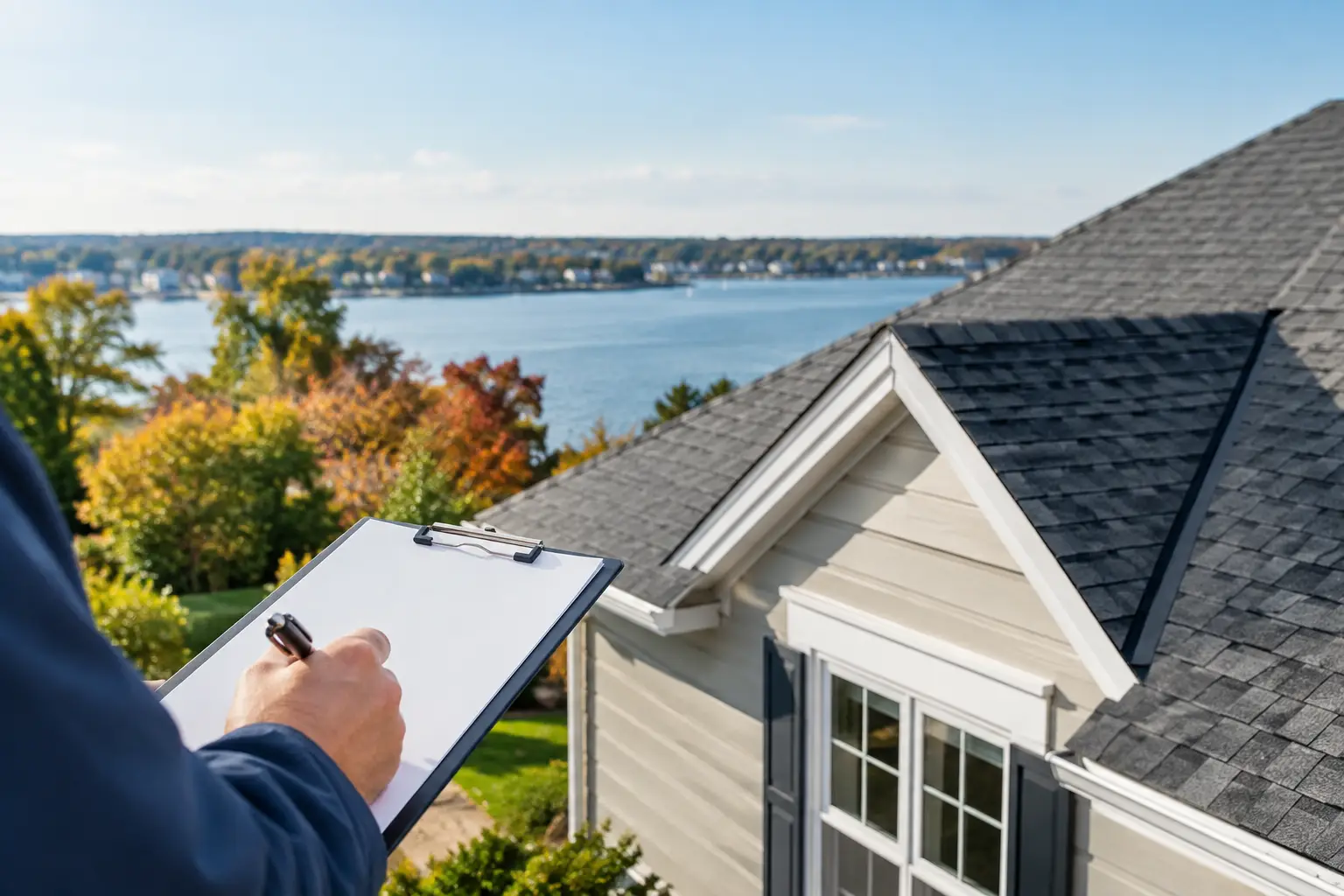


A roof claim often begins with a visible problem: shingles on the lawn after a windstorm, a ceiling stain after heavy rain, or a leak that appears during a winter thaw. But roof insurance trends are changing what happens after that first call. Property owners across Fairfield County are seeing closer inspections, more detailed documentation requests, and greater attention to a roof’s age, condition, and maintenance history.
For homeowners, commercial property owners, and managers, the practical takeaway is simple: do not wait for a major loss to understand your coverage or evaluate your roof. A well-maintained roof and clear records can make a difficult situation easier to manage when severe weather hits.
Why Roof Insurance Trends Matter Locally
Connecticut roofs face more than ordinary wear. Winter ice dams, wind-driven rain, snow loads, coastal exposure, freeze-thaw cycles, and summer storms can all accelerate deterioration. In Norwalk and throughout Fairfield County, trees, older housing stock, historic materials, and salt-air exposure near the coast add another layer of concern.
Insurance carriers assess risk across broad regions, but claims are evaluated property by property. A sudden wind event that tears shingles from an otherwise sound roof may be treated very differently from a leak caused by long-term flashing failure, worn sealant, or an aging roof system. The difference between storm damage and deferred maintenance can determine whether a claim is covered, partially covered, or denied.
That does not mean every older roof is uninsurable or every claim will be difficult. It means owners should expect more scrutiny and prepare accordingly. A professional roof inspection gives you a current condition assessment before an emergency forces decisions.
Insurers Are Looking More Closely at Roof Age and Condition
One of the clearest roof insurance trends is increased attention to the age of the roof. Some policies may limit coverage for older roofing systems, while others may require an inspection, impose a higher deductible, or change how a loss is paid. The details vary by carrier and policy, so assumptions can be expensive.
Replacement cost value and actual cash value are especially important terms to understand. Replacement cost coverage may pay the cost to repair or replace covered damage, subject to policy limits and deductibles. Actual cash value coverage generally factors in depreciation, which can leave an owner responsible for a larger share of replacement costs on an older roof.
Property owners should review their declarations page and policy language before filing a claim. Look for roof-specific deductibles, wind or hurricane deductibles, age-based provisions, exclusions for cosmetic damage, and requirements related to maintenance. If the language is unclear, ask your insurance agent to explain how it applies to your particular building and roofing material.
For commercial properties, the same review should include business interruption concerns, interior damage limits, and the requirements for temporary repairs. A small roof opening can become a much larger loss if water reaches insulation, inventory, equipment, or finished interior spaces.
Documentation Has Become Part of Roof Protection
A roof is easier to defend when its history is documented. After a storm, photographs taken before cleanup can show missing shingles, damaged gutters, fallen branches, punctures, lifted flashing, and other visible conditions. Photos should include wide views of the property as well as close-ups of specific damage when it is safe to do so.
Just as valuable are records from before the storm. Keep copies of roof replacement contracts, warranties, invoices, inspection reports, maintenance records, and photographs of the completed work. If your roof was installed with a specific material or system, retain the product information as well.
These records do not guarantee coverage. They do, however, help establish the roof’s age, prior condition, and maintenance history. That context can be useful when an adjuster is separating recent storm damage from pre-existing deterioration.
For property managers, documentation should be part of the regular maintenance process, not a file assembled after a loss. Seasonal inspection reports, tenant leak reports, repair invoices, and photos of drain or gutter cleaning can create a clearer record of responsible building care.
Maintenance Is Not the Same as a Claim
Insurance is generally designed for sudden and accidental damage from a covered event. It is not a substitute for routine roof maintenance or replacement at the end of a roof’s service life. This distinction is central to many claim disputes.
A leak may have started during a storm, but if the roof already had cracked pipe boots, failed flashing, open seams, or widespread shingle wear, the insurer may view part of the issue as maintenance-related. The same is true when clogged gutters contribute to ice dams or standing water exposes weaknesses in a low-slope commercial roof.
Regular maintenance protects the building first. It can also reduce the risk that a small issue becomes difficult to distinguish from a larger, long-term problem. For residential roofs, that may mean addressing loose shingles, damaged flashing, ventilation concerns, and gutter problems promptly. For commercial systems, it may mean monitoring seams, drains, penetrations, edge metal, and areas where water tends to pond.
There is a trade-off to consider. A repair can be the right financial decision when damage is isolated and the remaining roof has useful life left. A full replacement may be the more responsible choice when recurring repairs are masking widespread deterioration. A qualified roofing contractor can help identify which path makes sense without treating every service call as a replacement project.
Material Type Can Affect the Conversation
Not every roof is evaluated the same way. Asphalt shingles are common and familiar to most carriers, but their condition, installation quality, and age still matter. Cedar, slate, metal, rubber roofing, and specialty systems may require more material-specific expertise during inspection and repair.
Historic homes and higher-end properties can present additional questions. Matching existing slate, cedar, or architectural shingles may be challenging after a partial loss. Policy language may address matching differently depending on the carrier and the nature of the damage. Owners of distinctive or historic properties should not wait for a claim to identify the roof material, document its condition, or understand what restoration could involve.
Coastal and near-coastal buildings deserve particular attention. Wind exposure, salt air, fastener corrosion, and wind-driven rain can affect components that are not obvious from the ground. A roof may look acceptable from the driveway while having compromised flashing, edge details, or penetrations that require professional attention.
What to Do After Storm Damage
Safety comes first. Stay off the roof, keep clear of downed power lines, and protect people and property from immediate hazards. If water is entering the building, take reasonable steps to limit additional interior damage, such as moving belongings, placing containers under active drips, or covering exposed areas only when it can be done safely.
Then document the condition with photos and notes. Record the date, the weather event, and when you first noticed the issue. Contact your insurance carrier to report damage and understand the next steps under your policy. Avoid authorizing extensive work before you know what is needed, but do not delay emergency stabilization when the building is exposed.
A professional roofing assessment can provide a clear scope of damage and identify temporary measures needed to protect the structure. Rick’s Main Roofing provides inspections, repairs, replacements, and 24/7 emergency response for residential and commercial properties throughout the area. An experienced local roofer can also explain the condition of the roof in practical terms, so you can make informed decisions while working through the claims process.
Be cautious of anyone who arrives immediately after a storm and pressures you to sign paperwork, promises that insurance will pay for everything, or encourages you to exaggerate damage. A reputable contractor will document what is present, explain repair options, and respect that coverage decisions belong to the insurer.
Preparing Before the Next Claim
The best time to address roofing risk is when the weather is calm and there is no active leak. Schedule inspections after severe seasons and before winter, especially if the roof is older, trees overhang the building, or past leaks have occurred. Clear gutters and roof drainage paths, correct minor defects promptly, and keep all service records in one accessible place.
For commercial owners and managers, establish a response plan that identifies who can authorize emergency repairs, where roof documents are stored, and how occupants should report water intrusion. Fast reporting and fast stabilization can reduce disruption and protect the rest of the building.
Insurance requirements and policy terms will continue to vary, but one principle remains steady: a roof that is inspected, maintained, and properly documented gives its owner more control when an unexpected event occurs. A professional evaluation now can provide the clarity you need before a storm turns a manageable roof issue into an urgent decision.