

A roof problem rarely starts as a major emergency. A small water stain near a ceiling vent, a few shingles lifted after a coastal storm, or ice building up along the eaves can be an early warning that deserves attention. Professional residential roofing services help Connecticut homeowners identify the source, make the right repair, and avoid letting a manageable issue become interior damage, mold, or premature roof replacement.
For homes in Norwalk, Fairfield County, and nearby communities, roofing decisions should account for more than the roof’s appearance. Winter freeze-thaw cycles, wind-driven rain, heavy snow, summer heat, and salt exposure near the coast all affect how roofing materials perform. The right service depends on the roof’s age, construction, material, and current condition.
Residential Roofing Services That Protect the Whole Home
A roof is a system, not just a layer of shingles. Decking, underlayment, flashing, ventilation, drainage, and the roof covering all need to work together. When one component fails, water can travel well beyond the visible leak, making a prompt inspection especially valuable.
A full-service roofing contractor can provide repair, inspection, maintenance, replacement, and emergency response under one roof. That continuity matters. A contractor who understands the condition of your roof today can offer better guidance when it is time for preventive work or eventual replacement.
Roof Repair for Leaks, Storm Damage, and Wear
Roof repair is often the right answer when damage is limited and the overall system remains sound. Common repair needs include missing or cracked shingles, damaged flashing around chimneys or skylights, pipe boot failures, loose ridge caps, punctures, and leaks caused by wind or fallen branches.
The visible symptom does not always reveal the cause. Water entering near a chimney may appear several feet away on an interior ceiling. Likewise, a leak that occurs only during wind-driven rain can point to flashing, siding transitions, or an installation detail rather than a broad roofing failure. A careful inspection should trace the issue back to its source instead of simply sealing the most obvious spot.
Repair is usually a practical investment when the roof has significant useful life remaining. If repairs are becoming frequent, shingles are failing across multiple areas, or the roof is near the end of its expected service life, replacement may provide better long-term value.
Roof Replacement When Repairs No Longer Make Sense
A roof replacement is a major home improvement decision, but waiting too long can raise the cost. Widespread shingle granule loss, curling, recurring leaks, sagging areas, visible deterioration, and an aging roof are reasons to schedule a professional evaluation.
Replacement provides an opportunity to address the entire roofing assembly. This may include replacing compromised decking, improving attic ventilation, installing appropriate underlayment and ice-and-water protection, and upgrading flashing details. Those components are particularly important in Connecticut, where ice dams can force melting snow beneath roof coverings and create leaks along eaves.
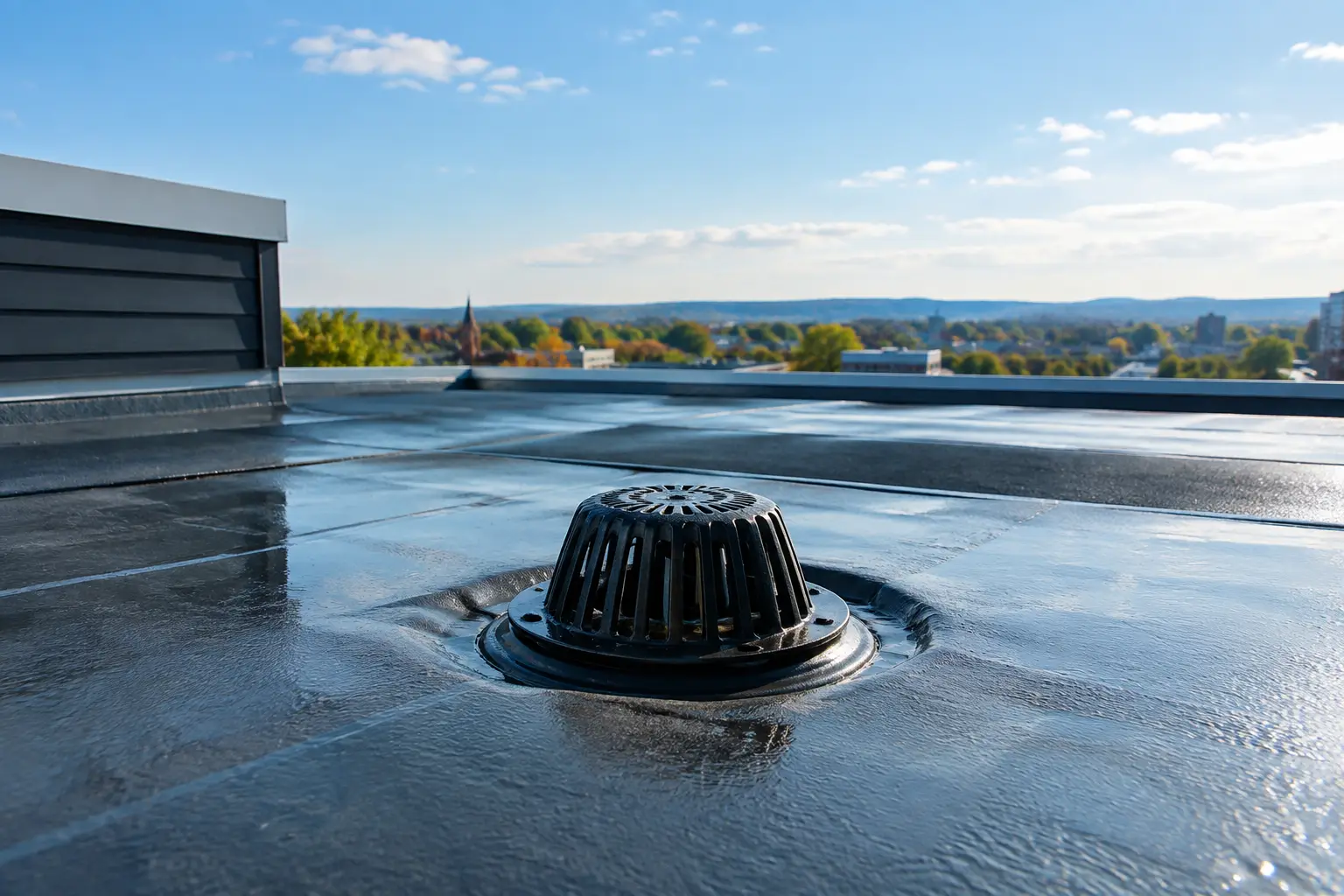
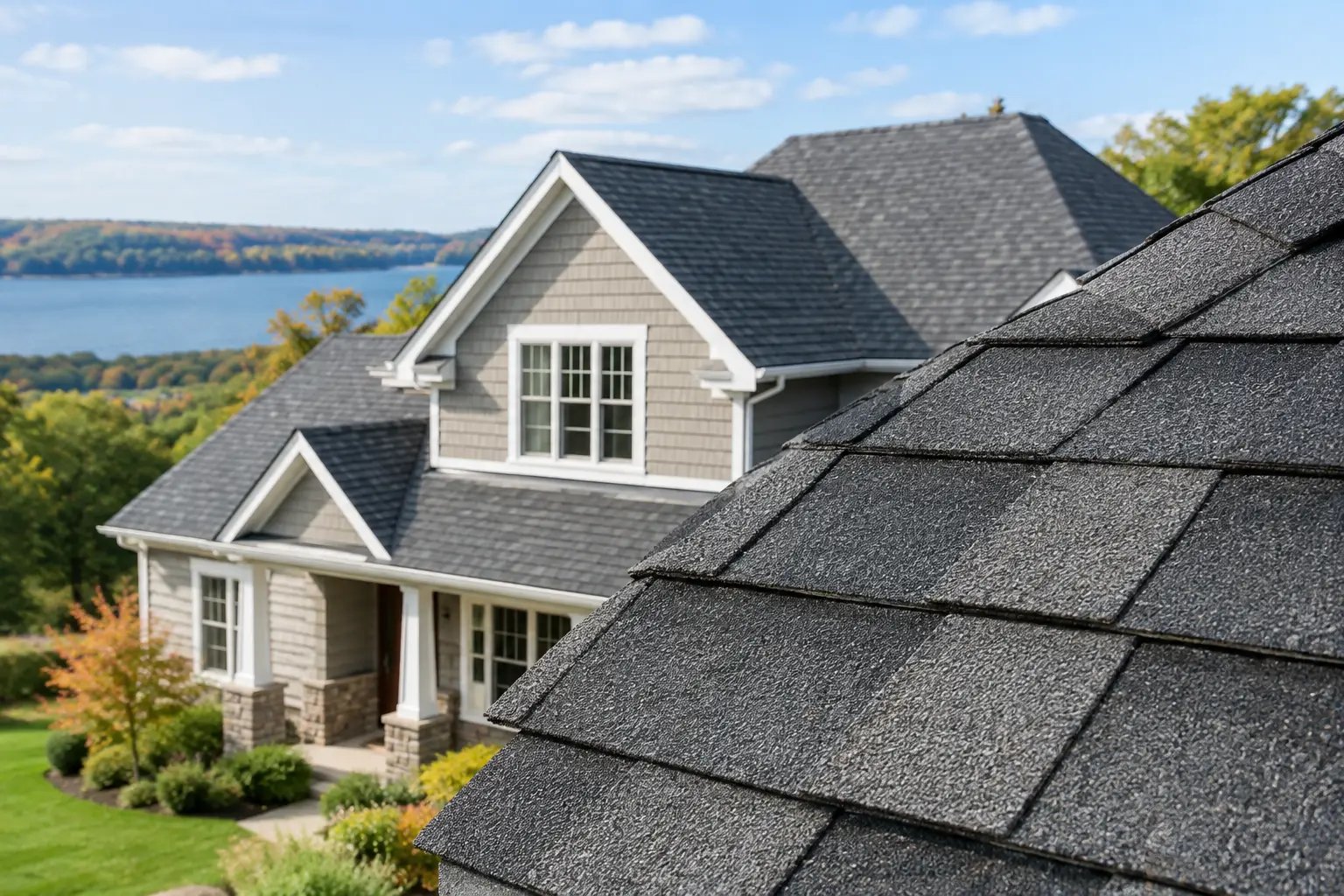
Material selection should be based on performance, architecture, maintenance expectations, and budget. Asphalt shingles are a dependable choice for many homes and come in a wide range of colors and profiles. Cedar offers distinctive character but requires informed maintenance and installation. Slate can complement historic and high-end properties with exceptional longevity, while metal can offer strong weather performance and a clean architectural look. Low-slope roof sections may require rubber roofing rather than shingles.
There is no single best material for every house. A historic home, a coastal property, and a newer colonial may each need a different solution. The best recommendation starts with an on-site assessment of roof slope, framing, drainage, exposure, and the homeowner’s priorities.
Inspections and Maintenance Prevent Expensive Surprises
Many homeowners do not think about their roof until a leak appears. By then, water may have affected insulation, sheathing, trim, or drywall. Regular inspections and maintenance create a clearer picture of the roof’s condition and can catch minor issues before they spread.
An inspection is useful after a severe storm, before buying or selling a home, when planning exterior renovations, or when a roof approaches the later part of its lifespan. It is also a smart annual habit for homes surrounded by mature trees or exposed to strong coastal winds.
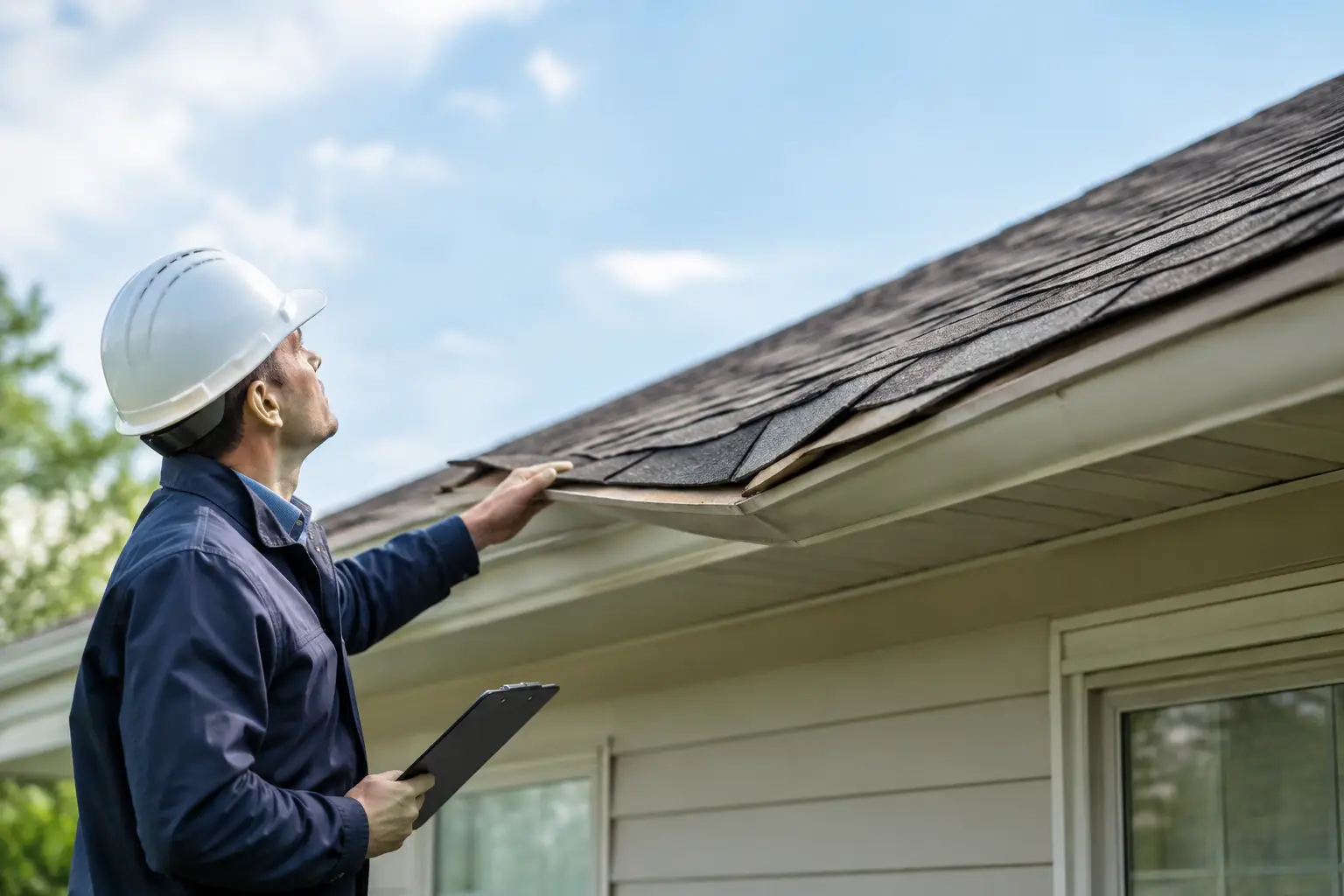
During a professional inspection, the roofer should evaluate the roof covering, flashing, penetrations, valleys, ridge areas, gutters, drainage patterns, and visible ventilation conditions. The goal is not to sell unnecessary work. It is to identify active concerns, explain their urgency, and give the homeowner a realistic plan.
Maintenance can include clearing debris from valleys and gutters, checking sealants and flashing, securing loose components, and addressing small areas of damage. These tasks do not make an old roof new, but they can help a serviceable roof reach its expected life while reducing the likelihood of sudden leaks.
Ventilation and Ice Dams Need More Than a Quick Fix
Ice dams are one of the most misunderstood roofing problems in Connecticut. They form when heat escaping from the home melts snow higher on the roof. Water runs downward, refreezes at colder eaves, and can build a dam that pushes water back under shingles.
Removing visible ice may provide temporary relief, but it does not correct the underlying condition. Effective prevention often involves evaluating insulation, air sealing, attic airflow, roof ventilation, and eave protection. The right approach varies by home. Adding ventilation without addressing air leaks or insulation gaps may not solve the problem.
Poor ventilation can also contribute to excessive attic heat and moisture. Over time, that moisture can affect decking and encourage mold growth. A roof replacement is often the best time to improve ventilation, but existing homes can also benefit from a focused evaluation when warning signs appear.
What to Expect During an Emergency Roofing Response
A fallen limb, blown-off shingles, or an active leak during a storm requires fast action. In an emergency, the first priority is limiting water intrusion and protecting the interior of the home. Temporary measures such as tarping may be necessary until weather conditions allow permanent repair.
Homeowners should avoid climbing onto a wet or damaged roof. Move valuables away from the leak if it is safe to do so, contain dripping water, and document visible damage for insurance purposes. Then contact an experienced roofing contractor that offers 24/7 emergency response.
Once the roof can be safely inspected, the contractor can distinguish between temporary protection and the permanent work required. Some storm damage is limited to a repair. Other situations reveal broader issues that require replacement or coordination with insurance claims. Clear documentation and straightforward communication help homeowners make informed decisions under pressure.
Choosing a Roofing Contractor With Local Experience
Roofing is a high-stakes investment, so contractor selection should go beyond the lowest estimate. Look for a company with demonstrated experience in your roof type, proper insurance, manufacturer certifications, clear written proposals, and a record of serving the local area.
Ask what the scope includes. A detailed proposal should explain the roofing material, underlayment, flashing work, ventilation considerations, decking allowances, cleanup, and warranty coverage. It should also identify any conditions that cannot be confirmed until old materials are removed. Honest contractors explain these possibilities upfront rather than surprising homeowners later.
Rick’s Main Roofing brings full-service residential expertise to homes throughout Norwalk and Fairfield County, including asphalt, cedar, slate, rubber, and metal roofing systems. As a GAF Master Elite contractor, the team combines recognized certification with local knowledge of coastal weather, storm damage, and winter roofing concerns.
The best time to address a roof concern is before a small sign becomes a larger disruption. If you have noticed staining, missing shingles, recurring ice buildup, or storm-related damage, a professional evaluation can give you a clear next step and greater confidence in the roof over your home.