

A slate roof can protect a Connecticut home for a century or longer, but only when small defects are caught before water reaches the roof deck. Knowing how to maintain a slate roof is less about frequent hands-on work and more about careful inspections, prompt repairs, and avoiding the shortcuts that damage this premium material.
Slate is not like asphalt shingles. It is heavy, brittle under concentrated pressure, and usually installed as part of a system that includes copper or galvanized flashing, specialized fasteners, underlayment, valleys, and roof penetrations. A missing slate may be a straightforward repair. A worn valley or deteriorated flashing detail can become a much larger issue if it is left through a season of rain, snow, and freeze-thaw cycles.
How to Maintain a Slate Roof Without Damaging It
The first rule of slate roof maintenance is simple: do not walk on the roof unless you are a trained slate roofing professional using the right access methods. Even high-quality slate can crack when stepped on improperly. Walking can also loosen surrounding slates or damage the fasteners hidden beneath them.
Property owners can do a great deal from the ground. After major storms, look for slipped, cracked, or missing slates with binoculars. Watch for pieces of slate in gutters, on walkways, or near downspouts. Inside the building, inspect the attic or top-floor ceiling for moisture staining, damp insulation, moldy odors, or daylight around chimneys and vents.
An annual professional inspection is a sound baseline for most slate roofs. In Fairfield County, a second inspection after a severe windstorm, heavy snow event, or falling tree branch can prevent a small repair from becoming an interior leak. Older historic roofs and homes near the coast may benefit from more frequent attention because weather exposure can accelerate wear in metal components and flashing.
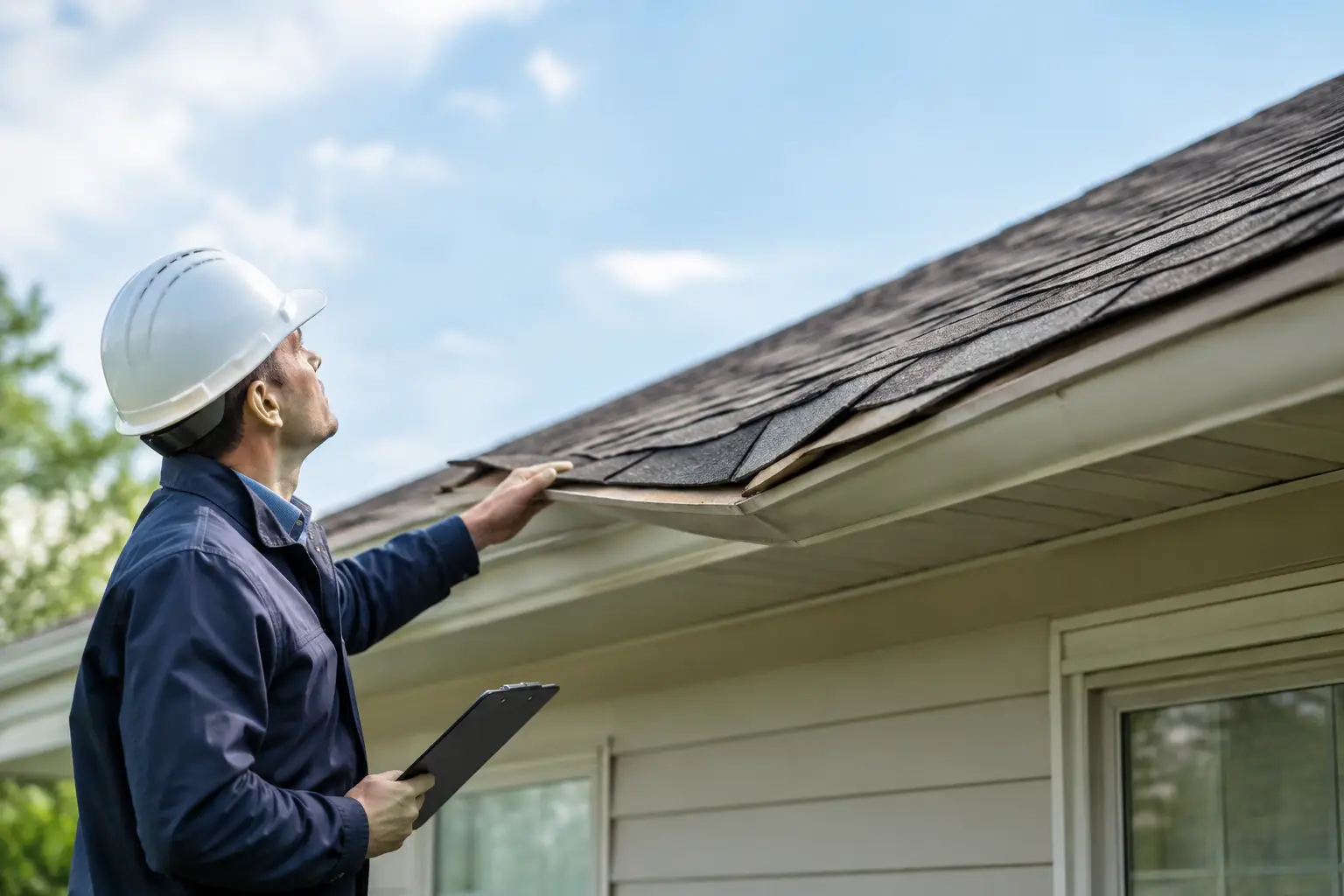
A qualified inspector should assess the slates, fasteners, flashings, valleys, ridge details, chimneys, roof penetrations, gutters, and areas where the roof meets walls or dormers. The goal is not to replace sound slate unnecessarily. It is to identify the few pieces or details that need work before they compromise the rest of the system.
Keep Water Moving Off the Roof
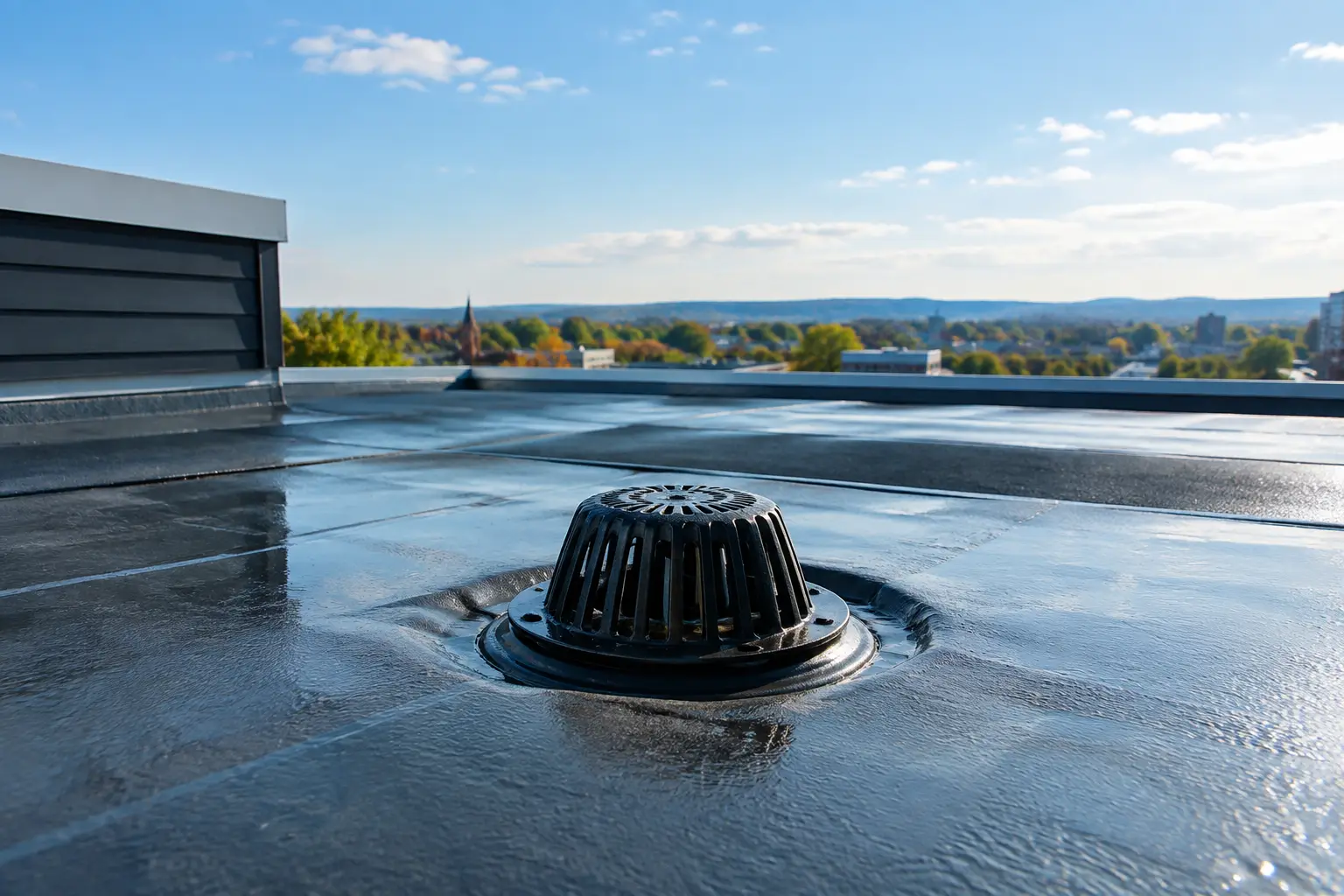
Water management is one of the most practical ways to extend a slate roof’s life. Clear gutters and downspouts in spring and late fall, and remove debris after storms when it is safe to do so. Leaves, twigs, and roof sediment can block drainage, allowing water to back up at the eaves, valleys, and behind chimneys.
Do not use a pressure washer on slate. High-pressure cleaning can crack slates, drive water beneath them, strip weathered surfaces, and disturb aging flashing. Aggressive scraping is equally risky. If moss or algae is present, the right response depends on how extensive it is and whether it is trapping moisture or lifting edges. A roofing professional can recommend a slate-safe treatment and address the underlying drainage or shade conditions contributing to growth.
Overhanging branches deserve attention as well. Trim branches that rub against the roof, drop heavy debris, or create a pathway for squirrels and other animals. The work should be planned carefully so cut branches do not fall onto the slates. On mature properties, a coordinated approach between a tree professional and roofing contractor is often the safest choice.
Pay Close Attention to Flashing and Valleys
A slate roof may outlast several generations of its original metal details. That makes flashing inspection especially important. Chimneys, skylights, wall intersections, valleys, vents, and plumbing stacks are common locations for leaks because they rely on metal and sealant components rather than slate alone.
Copper flashing can last for decades, but seams, solder joints, and connection points still need inspection. Galvanized metal may corrode sooner, particularly in damp, shaded, or coastal environments. Caulk is not a permanent cure for failed flashing. It can provide a limited temporary measure in an urgent situation, but the proper repair usually involves restoring or replacing the metal detail so water sheds correctly.
Valleys require particular care because they carry concentrated runoff. Debris buildup, corrosion, loose slates along the valley edge, and failed lining can all cause water to travel beneath the slate. If a valley looks stained, holds debris, or leaks only during heavy rain, schedule a professional evaluation rather than waiting for visible ceiling damage.
Recognize Early Warning Signs
Slate roof failures often begin quietly. A roof does not need to be actively leaking into a room to require service. Addressing the following signs early can preserve the structure beneath the slate:
- Slates that are cracked, slipped, missing, or visibly out of alignment
- Slate fragments in gutters, on the ground, or near downspouts
- Rust stains, exposed nails, or loose flashing around chimneys and roof penetrations
- Water stains on ceilings, peeling paint, damp attic framing, or musty odors
- Recurring ice dams, especially at eaves where insulation and ventilation may need review
- Moss buildup that is holding moisture at slate edges or in valleys
Some slate deterioration is not obvious from ground level. Certain soft slates can become thin and flaky as they age, while hard slate may remain serviceable for an exceptionally long time. A knowledgeable roofer can distinguish between isolated damage and broader material fatigue, helping owners make a repair-versus-replacement decision based on the actual condition of the roof.
Use Slate-Specific Repair Methods
Replacing a damaged slate requires more than sliding in a similar-looking piece. The replacement should match the existing roof as closely as possible in size, thickness, color, exposure, and type. A poor match can affect appearance, drainage, and the way adjacent slates sit.
Experienced slate roofers use specialized techniques to remove broken pieces without disturbing the surrounding field of slate. New slates are typically secured with appropriate noncorrosive fasteners and repair methods designed to avoid cracking neighboring units. The details matter. Improvised face nailing, excessive sealant, or mismatched materials can create a weak point that is difficult and costly to correct later.
If repairs are needed near a chimney, dormer, or skylight, the contractor should assess the flashing at the same time. Replacing individual slates without correcting the failed metal detail beneath or beside them can leave the original leak path in place.
Prepare for Connecticut Winters
Connecticut winters place particular stress on roofing systems. Snow accumulation, ice dams, freeze-thaw cycles, and wind-driven rain can expose weaknesses that were not apparent during milder weather. The best time to prepare is before the first sustained freeze.
Make sure gutters and downspouts are clear, attic insulation is dry, and ventilation is functioning as intended. Ice dams are not simply a gutter problem. They are often connected to heat escaping from the living space into the attic, where it melts snow unevenly. The resulting water can refreeze at the eaves and back up beneath roofing materials.
Never chop ice from a slate roof with a shovel, axe, or metal tool. This can fracture slates and damage gutters or flashing. Snow removal should be handled cautiously, with methods appropriate for the roof’s pitch, condition, and accessibility. When an ice dam has already caused a leak, prompt professional service can limit damage to insulation, drywall, and framing.
Know When to Call a Professional
A homeowner can monitor a slate roof, keep drainage paths clear, and report changes early. Repairs and close-up inspections should be left to a contractor with real slate experience. This is particularly true for historic homes, steep roofs, complex rooflines, and properties with aging copper work.
Call for service promptly after a tree strike, visible slate loss, a new interior water stain, or storm damage. If water is entering the building, treat it as an active roofing issue rather than waiting to see whether the next storm repeats it. Temporary protection may be necessary, but the permanent repair should address the source of the water intrusion.
Rick’s Main Roofing provides slate roof inspections, repairs, maintenance, and emergency response for property owners in Norwalk, Fairfield County, and nearby Connecticut communities. A professional assessment can identify whether the roof needs a limited repair, flashing work, drainage improvements, or a broader restoration plan.
A slate roof rewards careful ownership. Keep an eye on changes, protect the drainage system, and bring in a qualified slate roofer before a small defect has the chance to work its way beneath a roof built to last.