

A roof can look perfectly fine from the street and still have a ventilation problem that shortens its life from the inside out. If you are wondering how to improve roof ventilation, the right answer starts in the attic, not on the shingles. Heat buildup, trapped moisture, uneven airflow, and poor exhaust design can all lead to mold, insulation problems, higher energy bills, and in Connecticut, winter issues like frost and ice dams.
Proper roof ventilation is not just about adding more vents. It is about creating balanced airflow so fresh air enters low and exits high. When that balance is off, the attic can become excessively hot in summer and damp in colder months. That puts stress on the roof deck, insulation, and the roofing materials above it.
How to Improve Roof Ventilation the Right Way
The most effective way to improve ventilation is to look at the entire roofing system. Intake and exhaust need to work together. Many buildings already have vents, but they are often blocked, undersized, or mismatched.
A common problem is too much exhaust and not enough intake. Another is relying on a few box vents when the attic would perform better with a continuous ridge vent and properly open soffit vents. In older homes, especially in parts of Fairfield County where additions and renovations have changed the roofline over time, ventilation can be uneven from one section of the roof to another.
Before adding anything, it helps to confirm what is actually happening in the attic. Signs of poor ventilation include hot upper rooms, musty smells, damp insulation, rust on nails, peeling paint near eaves, or recurring ice dams along the roof edge. On commercial buildings, the clues may be condensation, interior humidity issues, membrane stress, or repeated repairs in the same areas.
Start With an Attic and Roof Inspection
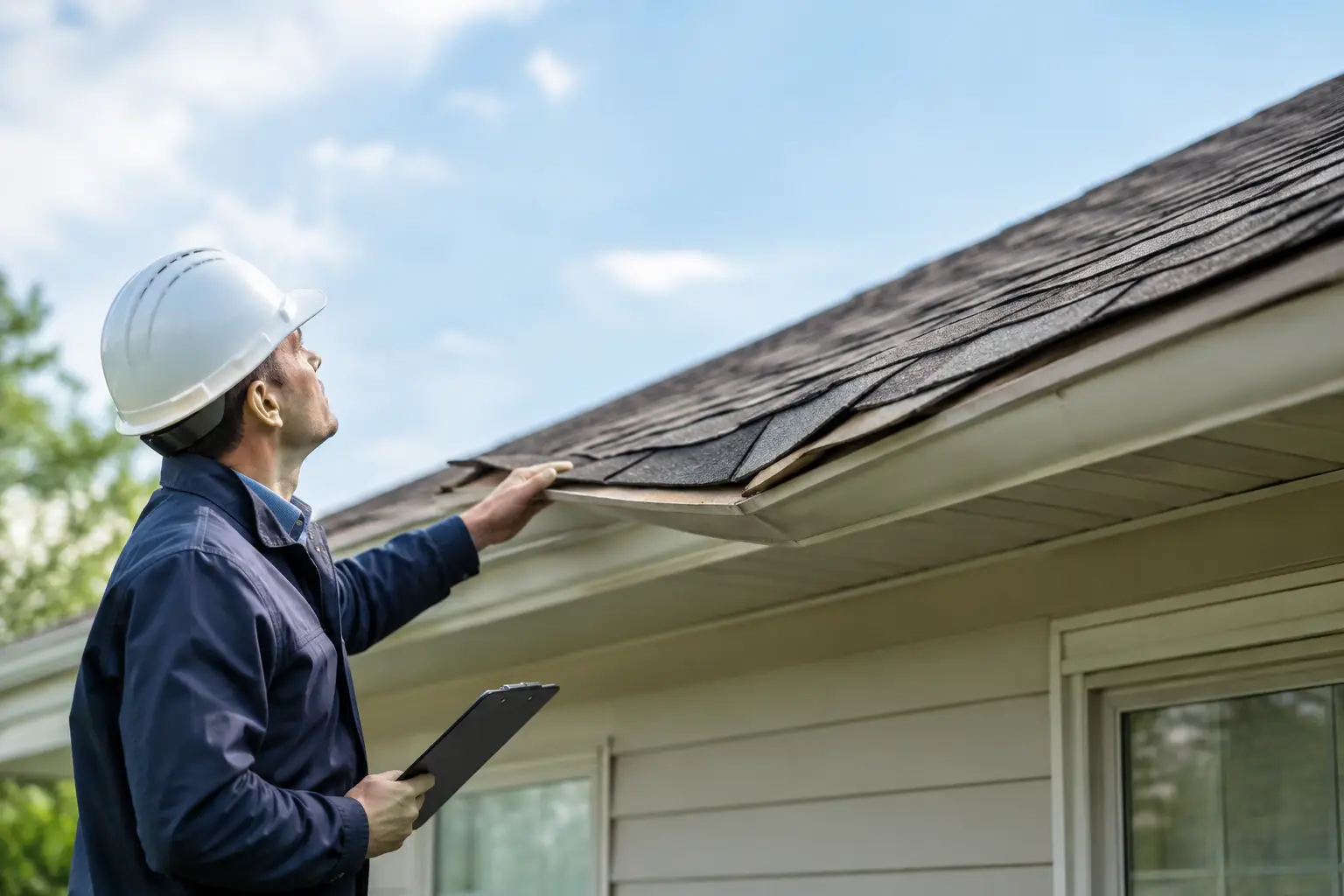
The first step is a professional inspection of both the roof exterior and the attic interior. That inspection should look beyond visible vents and measure how air is moving through the space.
A qualified roofer will typically assess the roof shape, attic square footage, insulation levels, existing vent types, and whether soffit pathways are open or blocked. They will also look for moisture staining, mold growth, wood discoloration, and signs that bathroom or dryer exhaust has been routed improperly into the attic. Those issues are common and can mimic ventilation failure even when the real problem is indoor moisture being dumped into the wrong place.
This is one of those areas where it depends on the building. A simple ranch home may need a straightforward intake and exhaust correction. A steep-slope historic roof, a coastal property exposed to wind-driven weather, or a commercial structure with multiple roof sections may need a more tailored approach.
Check the Intake First
Good ventilation starts at the lower edge of the roof. Soffit vents are often the most important part of the system because they provide the air that feeds the attic.
If soffit vents are painted over, filled with debris, covered by insulation, or too limited for the size of the attic, airflow will stall. In many homes, baffles need to be installed between rafters so insulation does not block the air channel at the eaves. Without that path, even a well-installed ridge vent cannot do its job.
On homes without soffits, other intake options may be available, but they need to be chosen carefully. The wrong solution can create short-cycling, where air exits before it has moved through the attic space.
Then Evaluate the Exhaust
Once intake is addressed, the exhaust side has to match it. Ridge vents are often one of the best options because they allow warm, moist air to escape along the highest point of the roof. When paired with continuous intake, they create consistent airflow across the attic.
That said, ridge vents are not ideal in every situation. Complex roof designs, interrupted ridgelines, or certain material systems may require a combination of static vents, gable vents, or powered ventilation. Mixing systems without a clear plan can reduce efficiency. For example, ridge vents and gable vents may compete with each other instead of pulling air evenly from the soffits.
Ventilation Problems That Need More Than New Vents
Sometimes the answer to how to improve roof ventilation is not simply adding hardware. The attic itself may be creating the problem.
If insulation is installed unevenly, warm indoor air can leak upward and create condensation in colder weather. If recessed lights, attic hatches, and penetrations are not sealed, moisture can rise into the attic and make it seem like the roof is under-ventilated. In winter, that escaping heat can warm sections of the roof deck, melt snow, and contribute to ice dams at the colder eaves.
For that reason, ventilation and insulation should always be evaluated together. Better airflow helps, but if air sealing is ignored, the attic may still experience moisture trouble. The best results usually come from improving both.
Ventilation Options for Different Roof Types
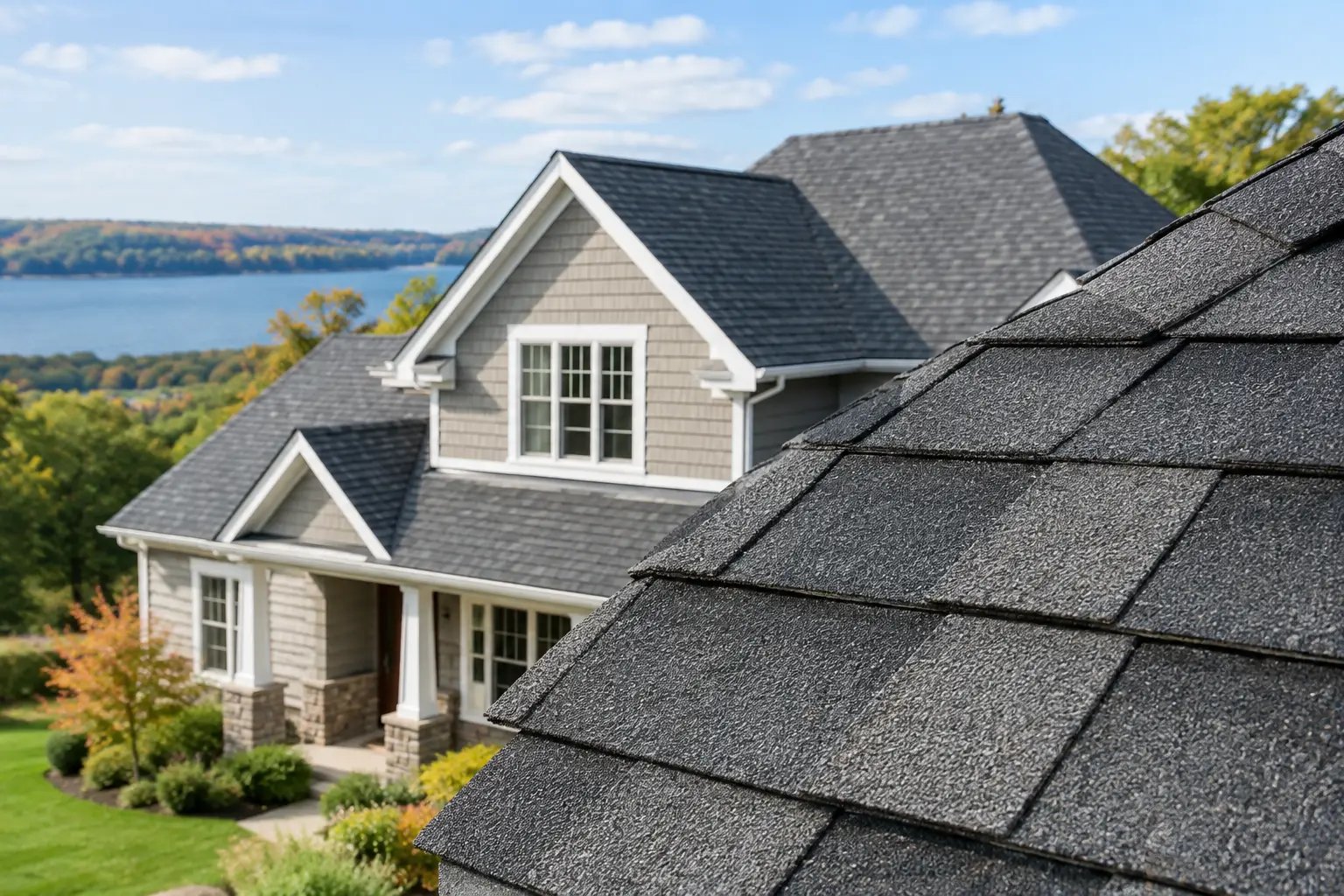
Not every roofing system handles ventilation the same way. Asphalt shingle roofs often benefit from balanced soffit and ridge ventilation, especially on standard pitched homes. Cedar and slate roofs may require more careful planning because preserving the roof assembly and material performance matters. Metal roofs can also perform very well with the right attic ventilation, but details around condensation control are especially important.
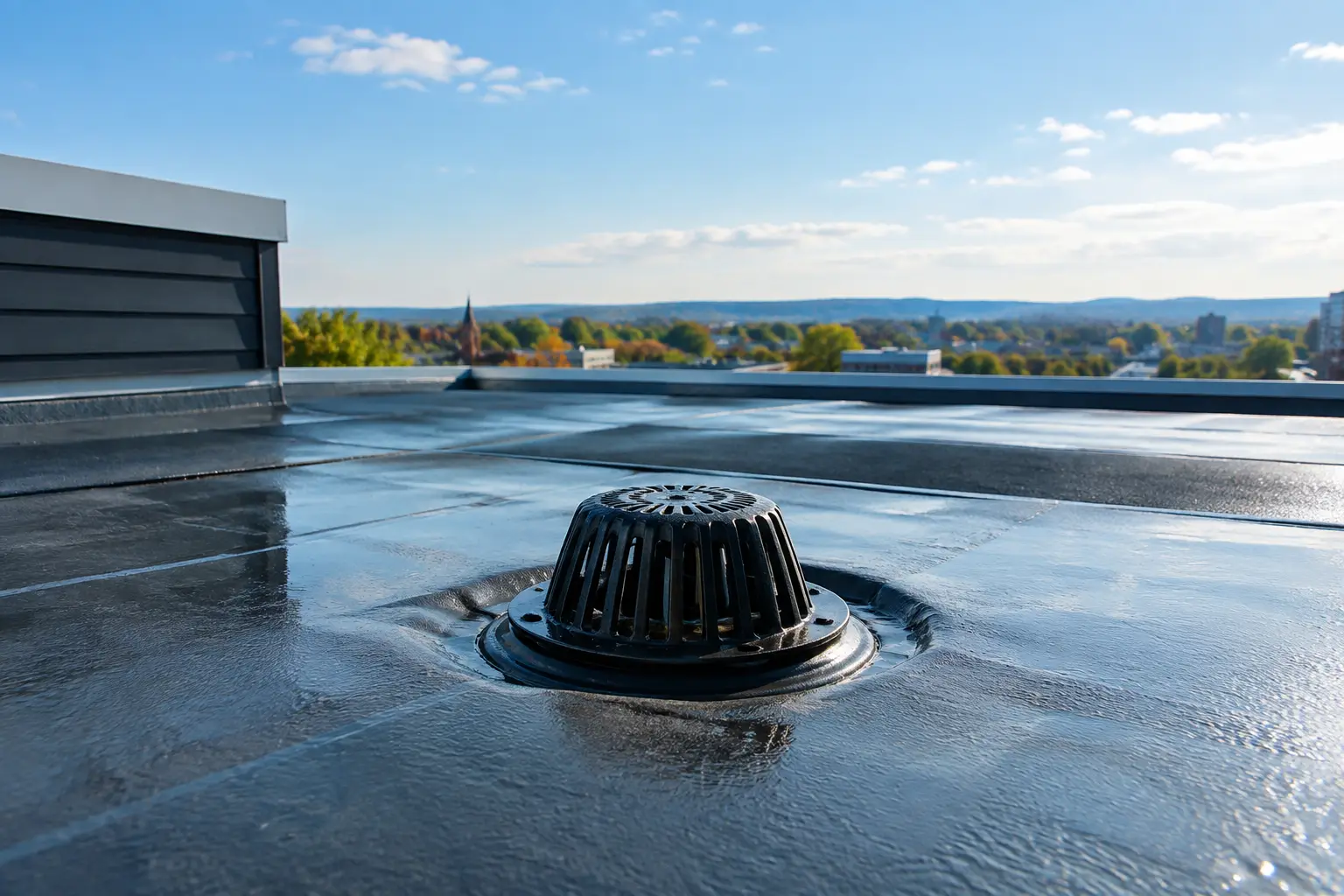
Low-slope and commercial roofs are a different conversation. Some commercial buildings are vented through the attic or plenum space, while others rely more heavily on insulation design, air barrier performance, and mechanical building systems. If there is a recurring heat or moisture problem in a commercial property, the roof should be evaluated as part of the full building envelope, not treated as an isolated issue.
Older and Historic Homes Need Special Attention
In older homes, ventilation upgrades can be more complicated than they look. Framing may not allow for standard airflow channels, and previous repairs may have introduced conflicting vent types. Historic properties also require care so improvements do not undermine the structure or appearance.
That is where local roofing experience matters. In coastal Connecticut and throughout older neighborhoods in Fairfield County, roof design, weather exposure, and seasonal moisture all affect what ventilation strategy makes sense.
Warning Signs You Should Not Ignore
If your attic feels like an oven in summer, if you see frost on the underside of the roof in winter, or if your shingles are aging faster than expected, ventilation should move up the priority list. The same goes for recurring mold concerns, stained roof decking, or higher-than-normal cooling costs.
For property owners, the bigger concern is long-term damage. Poor ventilation can shorten shingle life, warp roof decking, reduce insulation performance, and create hidden moisture problems that spread beyond the attic. By the time you notice interior damage, the repair scope is often larger than expected.
When Repairs Make Sense and When Replacement Is Smarter
If the roof is in otherwise good condition, ventilation improvements can often be made during a repair or maintenance visit. That may involve opening blocked intake paths, replacing ineffective vents, or correcting a poorly designed exhaust layout.
If the roof is nearing the end of its service life, it often makes more sense to address ventilation during a full replacement. That gives the contractor access to the roof deck and the opportunity to rebuild the system correctly from the start. It also prevents the common mistake of installing a new roof over an old ventilation problem.
For many homeowners and property managers, that timing matters. A roof replacement is already a major investment, so it is the right time to correct airflow issues that could otherwise compromise the new system.
Why Professional Evaluation Matters
Ventilation calculations are not guesswork. The size of the attic, the amount of net free vent area, the roof design, and the balance between intake and exhaust all need to be considered together. Local climate matters too. Homes in Connecticut deal with humid summers, cold winters, storm exposure, and the risk of ice dams, so a ventilation plan that works in another region may not be the best fit here.
An experienced roofing contractor can identify whether the issue is ventilation, insulation, air leakage, or a combination of all three. That saves time and helps avoid unnecessary upgrades that do not solve the real problem. At Rick’s Main Roofing, this is part of looking at the full roofing system rather than treating one symptom at a time.
If you suspect your roof is not breathing the way it should, do not wait for a leak or winter ice buildup to confirm it. A well-ventilated roof protects more than shingles – it helps protect the structure, energy performance, and long-term value of the property.