

A roof installation is not simply a matter of putting new shingles over an old surface. It is a coordinated system of decking, underlayment, flashing, ventilation, drainage, and finish materials that must perform through Connecticut snow, wind, rain, humidity, and freeze-thaw cycles. This guide to residential roof installation explains what homeowners should expect before work begins, during construction, and after the final cleanup.
Start With a Thorough Roof Assessment
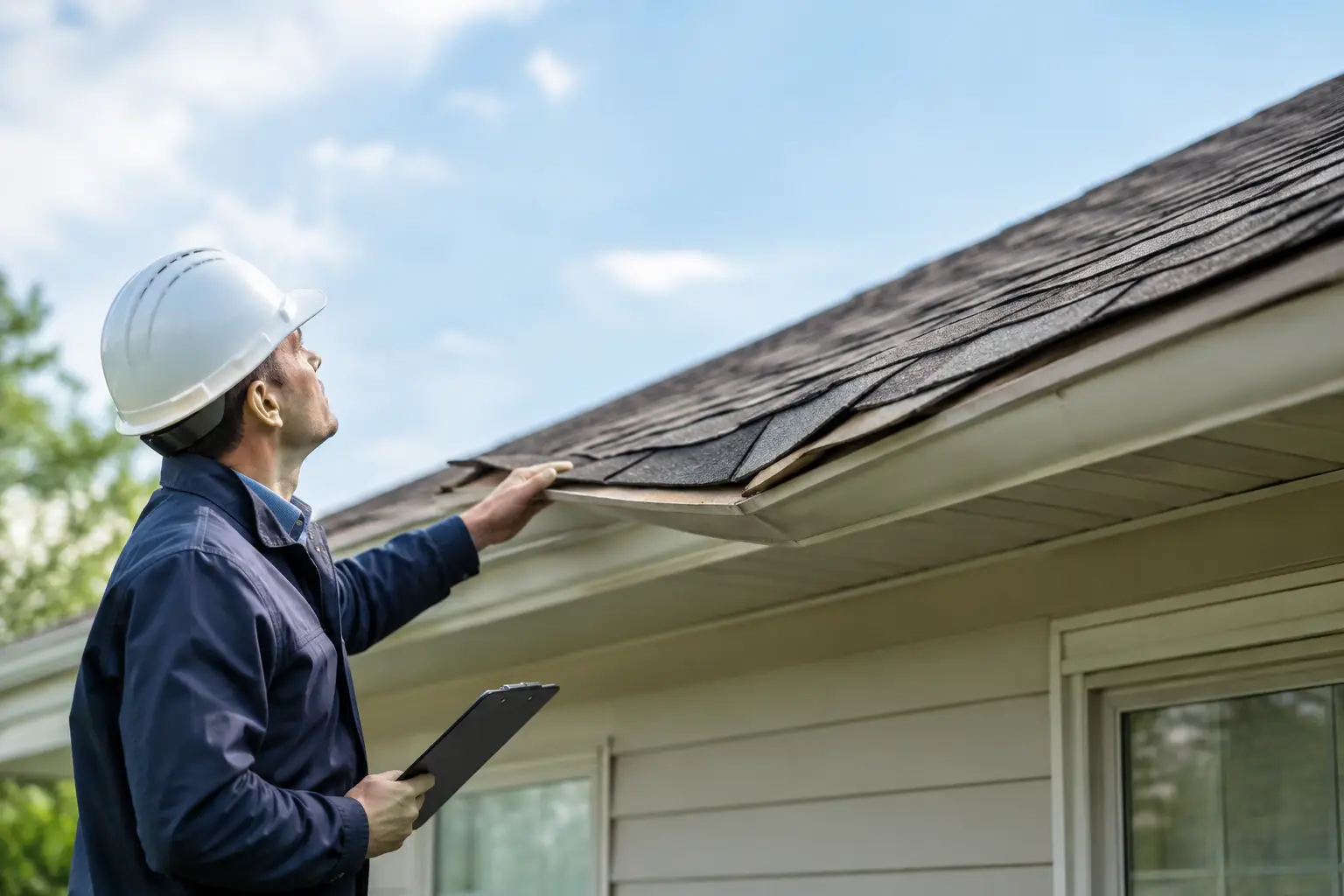
The right installation begins with a clear understanding of the roof beneath the visible material. A contractor should inspect the roof deck for rot, water damage, soft areas, or structural concerns. Replacing shingles without addressing damaged decking can leave a new roof vulnerable to leaks, sagging, and premature failure.
The assessment should also consider roof slope, chimney and wall intersections, skylights, valleys, plumbing vents, gutters, and attic conditions. These details influence material selection, labor requirements, and the installation method. A simple gable roof generally has fewer failure points than a roof with multiple dormers, valleys, and penetrations.
For homes in Norwalk and throughout Fairfield County, the inspection should also account for ice-dam history and coastal exposure where applicable. Wind-driven rain, salt air, and winter freeze-thaw conditions place added demands on flashing, fastening, ventilation, and drainage.
Choose Roofing Materials for the Home and Climate
Material selection affects appearance, budget, maintenance needs, and expected service life. The best choice depends on the home’s architecture, the roof structure, local weather exposure, and the owner’s long-term plans.
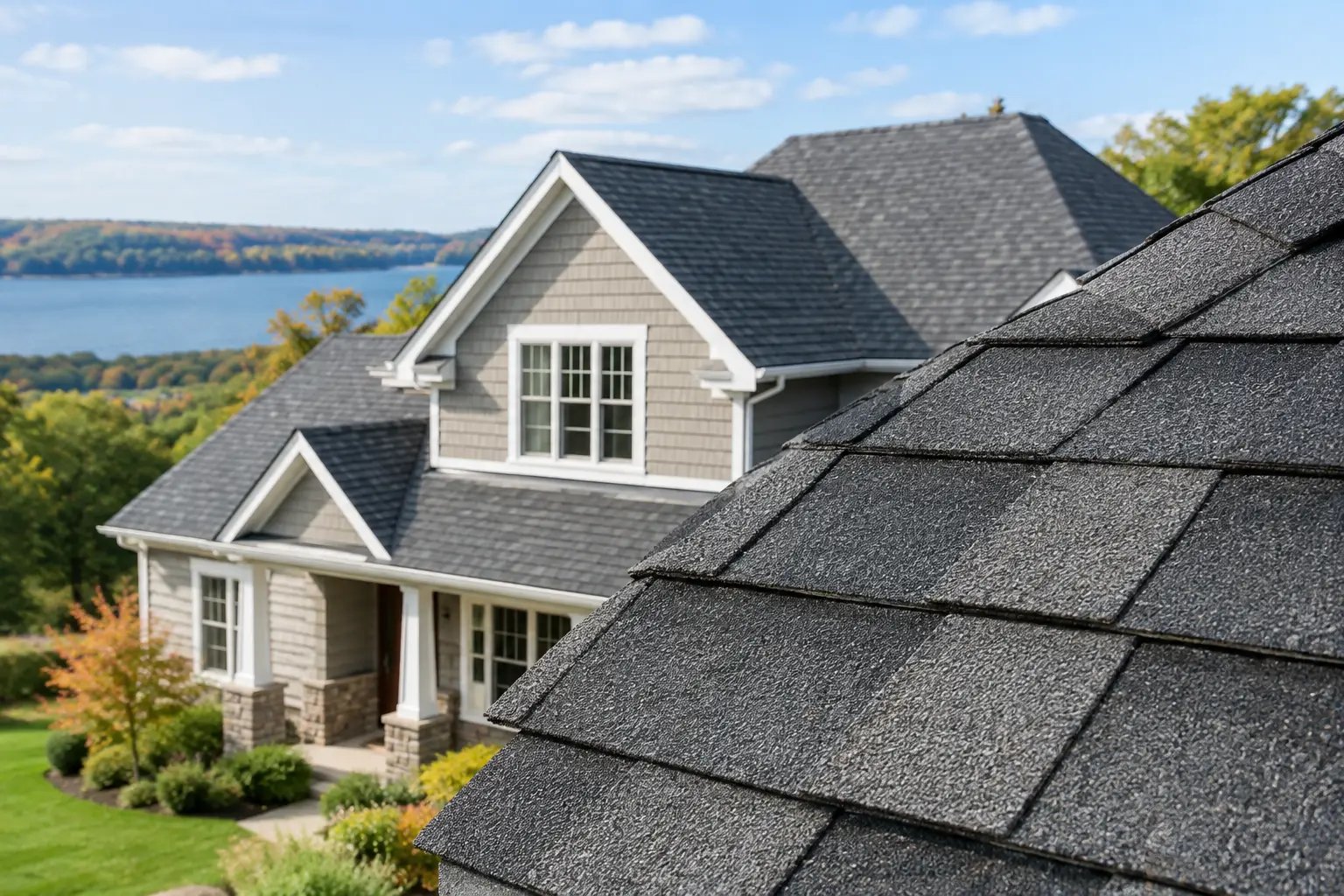
Asphalt shingles remain a practical choice for many Connecticut homes because they offer dependable protection, broad color options, and a manageable upfront cost. Architectural shingles provide more dimension and typically greater durability than basic three-tab shingles. They can be an excellent fit for homeowners who want a traditional appearance with reliable performance.
Cedar roofing offers natural character and can complement historic or higher-end homes, but it requires thoughtful installation and ongoing maintenance. Slate delivers exceptional appearance and longevity, especially on historic properties, yet its weight may require structural review. Metal roofing can perform well in severe weather and sheds snow efficiently, although it has a higher initial cost and requires experienced detailing around penetrations and transitions.
The material itself is only one part of the decision. A premium shingle installed with poor flashing or inadequate attic ventilation will not perform as intended. Homeowners should weigh the entire roofing system, not just the visible surface.
Understand What a Complete Roofing System Includes
A quality roof installation involves several layers working together. The deck provides the foundation. Underlayment creates a secondary barrier beneath the outer roofing material. Ice and water protection is typically installed in vulnerable areas, including eaves, valleys, and around penetrations, to help defend against water backup.
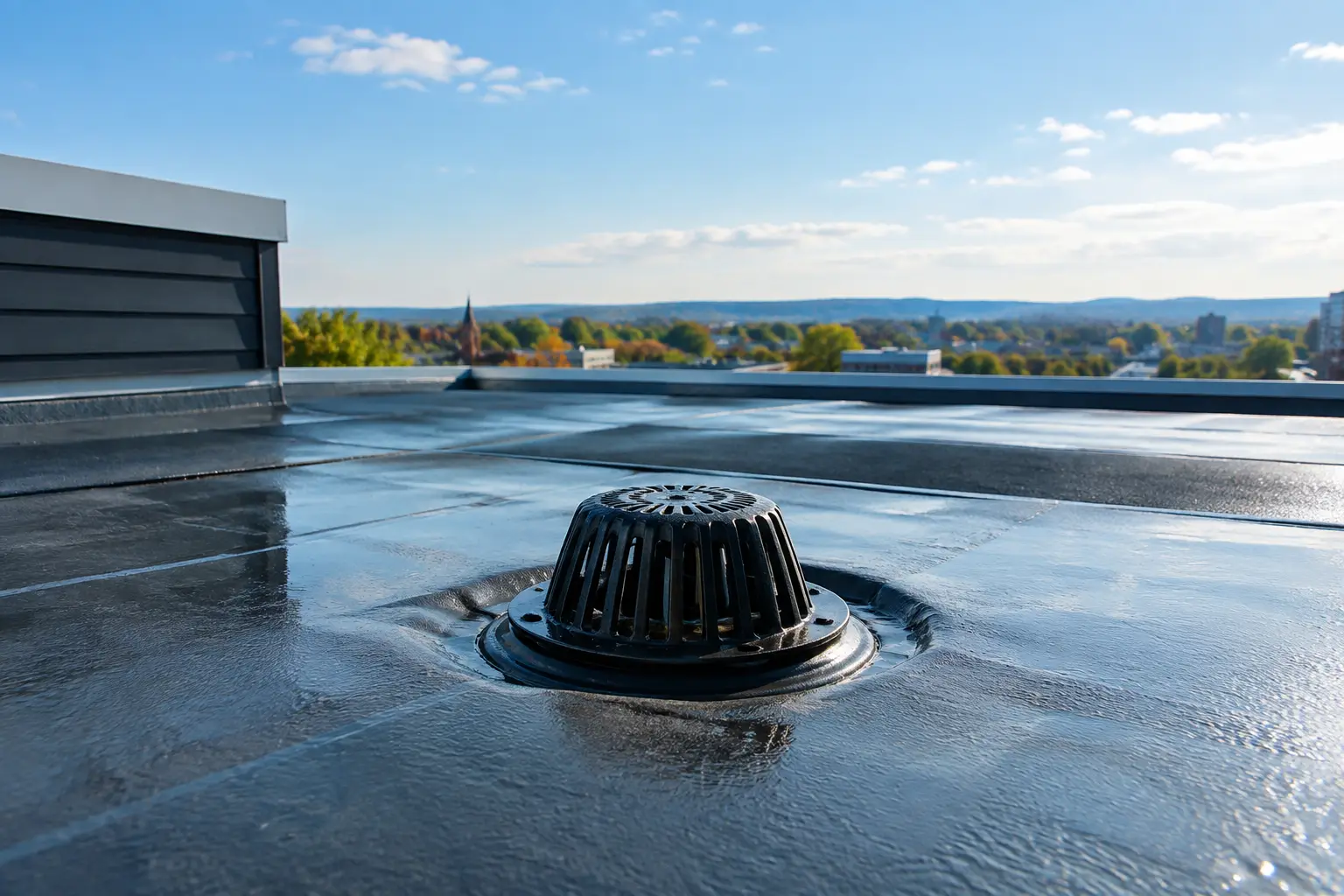
Flashing is equally critical. Metal flashing directs water away from chimneys, sidewalls, skylights, vent pipes, and other roof transitions. Many roof leaks begin at these intersections rather than in the main field of shingles. Reusing worn, corroded, or improperly installed flashing can compromise an otherwise sound replacement roof.
Ventilation completes the system. Proper intake and exhaust ventilation helps manage attic heat and moisture. In summer, it can reduce excessive heat buildup. In winter, it can help limit condensation that contributes to mold, damp insulation, and ice-dam conditions. The exact ventilation approach depends on attic layout, roof design, and existing airflow paths.
Why Ice and Water Protection Matters in Connecticut
Snow accumulates on roofs during winter. When it melts and refreezes near colder eaves, water can back up beneath shingles. This is one reason ice and water barriers are a major consideration for Connecticut roofing projects.
A contractor should evaluate the roof edge, valleys, low-slope sections, and transitions where water may collect or move slowly. Installation practices must follow applicable building requirements and the roofing manufacturer’s specifications. Protection in these areas is not a substitute for ventilation or drainage, but it is an essential layer of defense.
The Residential Roof Installation Process
Most full roof replacements follow a predictable sequence, although timing varies with roof size, weather, material, and complexity. The process should begin with site preparation. Contractors protect landscaping, siding, windows, driveways, and outdoor areas as practical before tear-off begins. Homeowners should move vehicles away from the work zone and secure fragile items inside, since roof work creates vibration and noise.
Old roofing materials are then removed when a full replacement is needed. Tear-off allows the crew to inspect the deck directly and address hidden issues rather than covering them. While a second layer of roofing may be permitted in limited circumstances, it is not always the best long-term choice. It can conceal deck problems, add weight, and make future repairs or replacements more difficult.
After decking repairs are completed, the crew installs underlayment, ice and water protection, flashing components, and the chosen roofing material. Proper fastening patterns, shingle alignment, overlap, and sealing are central to wind and water performance. Ridge caps, vents, pipe boots, and transition details are completed near the end of installation.
A professional project also includes active jobsite management. Debris should be contained, magnetic sweeping should be used to collect nails, and the property should be inspected after completion. Homeowners should receive a clear explanation of the installed system, warranty information, and recommendations for ongoing care.
Permits, Codes, and Contractor Credentials
Roofing work must comply with local requirements. Depending on the scope and municipality, a permit may be required for roof replacement, structural repairs, or changes that affect ventilation. A qualified contractor understands how local codes apply and can clarify the responsibilities associated with permitting and inspections.
Credentials matter because roofing is a high-consequence trade. Ask whether the contractor is properly insured, experienced with the selected material, and able to explain the scope in writing. Manufacturer certifications can also indicate that a contractor has met specific training, installation, and business standards.
The proposal should identify the roofing material, underlayment, flashing approach, ventilation plan, deck repair process, cleanup expectations, and warranty coverage. If an estimate is unusually low, determine what may be missing. The lowest price can become expensive if it excludes necessary flashing, protection layers, disposal, or workmanship safeguards.
Plan for Weather, Timing, and Daily Life During the Project
Roofing crews monitor weather carefully. Light work may be possible under certain conditions, but heavy rain, high winds, or unsafe temperatures can delay installation. A reputable contractor will prioritize a dry, secure roof over rushing to meet an arbitrary schedule.
Most homes can remain occupied during roof installation, but homeowners should expect noise from tear-off, nail guns, and material delivery. Pets may be more comfortable in a quiet area or away from the house during the loudest portions of the work. If you have solar equipment, satellite dishes, skylights, or delicate landscaping, discuss those details before the project is scheduled.
It is also wise to ask how the contractor handles an unexpected weather event after tear-off. A prepared crew has procedures and materials available to protect exposed areas if conditions change.
Protect the New Roof With Maintenance
A new roof is built for protection, not neglect. Clear leaves and debris from valleys and gutters so water can drain freely. Trim branches that rub against the roof or drop excessive debris. Look for missing shingles, lifted edges, damaged flashing, or granules collecting in gutters after major storms.
Homeowners should avoid walking on the roof unless necessary, especially on steep slopes, slate, cedar, or hot asphalt shingles. A professional inspection is the safer choice when there is a concern. Prompt repairs after wind damage or a small leak can prevent insulation damage, mold growth, and more extensive interior repairs.
A well-installed roof should give a home lasting protection, but its performance depends on the details homeowners rarely see from the ground. When you are ready to plan a replacement, Rick’s Main Roofing can provide a careful assessment, explain the right system for your property, and help you make a confident decision before the first shingle is removed.