

A roof replacement is not a purchase most property owners make twice by choice. When leaks, missing shingles, storm damage, or an aging roof force the decision, a GAF Master Elite contractor review can help separate a qualified roofing company from one that simply has a recognizable logo on its truck.
GAF Master Elite status is a meaningful credential, but it should be the beginning of your evaluation, not the end. The right contractor must also understand your roof, your building, Connecticut weather, and the workmanship details that determine whether a new roof performs as expected.
What GAF Master Elite Status Tells You
GAF is one of the largest roofing manufacturers in North America, and its Master Elite program is intended for a select group of residential roofing contractors. Contractors must meet GAF requirements related to licensing, insurance, reputation, and ongoing professional standing to participate in the program.
For a homeowner, that designation provides useful reassurance. It indicates that the contractor has passed manufacturer screening and has access to certain GAF system warranties that may not be available through every roofer. It also suggests that the company has an established business presence rather than operating as a short-term, storm-chasing crew.
Still, certification does not install shingles. The crew’s workmanship, the project supervision, the condition of the roof deck, and the quality of the ventilation plan all matter just as much. A Master Elite contractor can be an excellent choice, but property owners should verify how that contractor handles the actual work on their specific building.
How to Read a GAF Master Elite Contractor Review
Online reviews can reveal patterns that a certification alone cannot. Rather than focusing only on a star rating or a single glowing comment, look for repeated details about communication, cleanup, scheduling, problem-solving, and performance after the job is complete.
A dependable roofing contractor should provide a clear scope of work before installation begins. Reviews that mention detailed estimates, honest recommendations, and responsive answers are particularly valuable. Roof projects often uncover hidden conditions, such as deteriorated decking, failed flashing, or inadequate ventilation. You want a contractor who explains those conditions with photos and options, not one who surprises you with vague charges after materials arrive.
Pay attention to how the company responds when something does not go exactly as planned. Weather delays occur. Supply availability can change. Older homes can reveal unexpected structural issues. The strongest reviews often describe a contractor who kept the customer informed, protected the property, and resolved concerns promptly.
Reviews should also be current and relevant to your project type. A company with excellent feedback for minor repairs may still need to demonstrate experience with full roof replacements, slate repairs, low-slope commercial systems, or coastal properties. Ask to see examples of comparable work when your building has specialized needs.
Look Beyond the Star Rating
A five-star rating is encouraging, but it does not tell the full story. Read enough reviews to understand whether the praise is specific. Comments such as “great job” are positive, but reviews describing careful flashing work, clean job sites, accurate scheduling, or successful leak diagnosis offer more useful evidence.
The same applies to negative feedback. One complaint does not automatically disqualify a contractor. What matters is whether there is a repeated issue and whether the company took responsibility. A professional roofing company should be willing to discuss its process for addressing workmanship concerns and warranty service.
Questions to Ask Before You Sign
A GAF Master Elite designation can give you confidence, but direct questions protect you from assumptions. Ask who will supervise the installation, whether employees or subcontractors will perform the work, and how the company protects landscaping, siding, windows, and driveways during tear-off.
You should also ask what is included in the written proposal. A complete roof system is more than field shingles. It may include underlayment, starter materials, ridge components, flashing, pipe boots, ice and water protection, attic ventilation, and debris removal. If an estimate is dramatically lower than others, determine whether it leaves out components that other contractors have included.
For Connecticut homes, ice dam protection and ventilation deserve special attention. Heavy snow, freeze-thaw cycles, and cold attic spaces can create conditions that push water beneath shingles. At the same time, a poorly ventilated attic can trap heat and moisture, contributing to premature shingle aging, condensation, and winter ice buildup. The best recommendation depends on the home’s design, insulation, existing intake and exhaust ventilation, and roof geometry.
Ask the contractor to explain the proposed warranty in plain language. Manufacturer warranties and contractor workmanship warranties are not the same thing. A manufacturer warranty generally addresses eligible material defects under stated conditions, while a workmanship warranty addresses installation-related issues provided by the roofing company. Understand what registration is required, what exclusions may apply, and who you should call if a problem develops.
Why Local Experience Still Matters
A national manufacturer credential is valuable, but local roofing knowledge is where that credential becomes practical. Fairfield County roofs face wind-driven rain, coastal exposure, summer heat, winter snow, falling branches, and older construction details that do not always fit a standard installation plan.
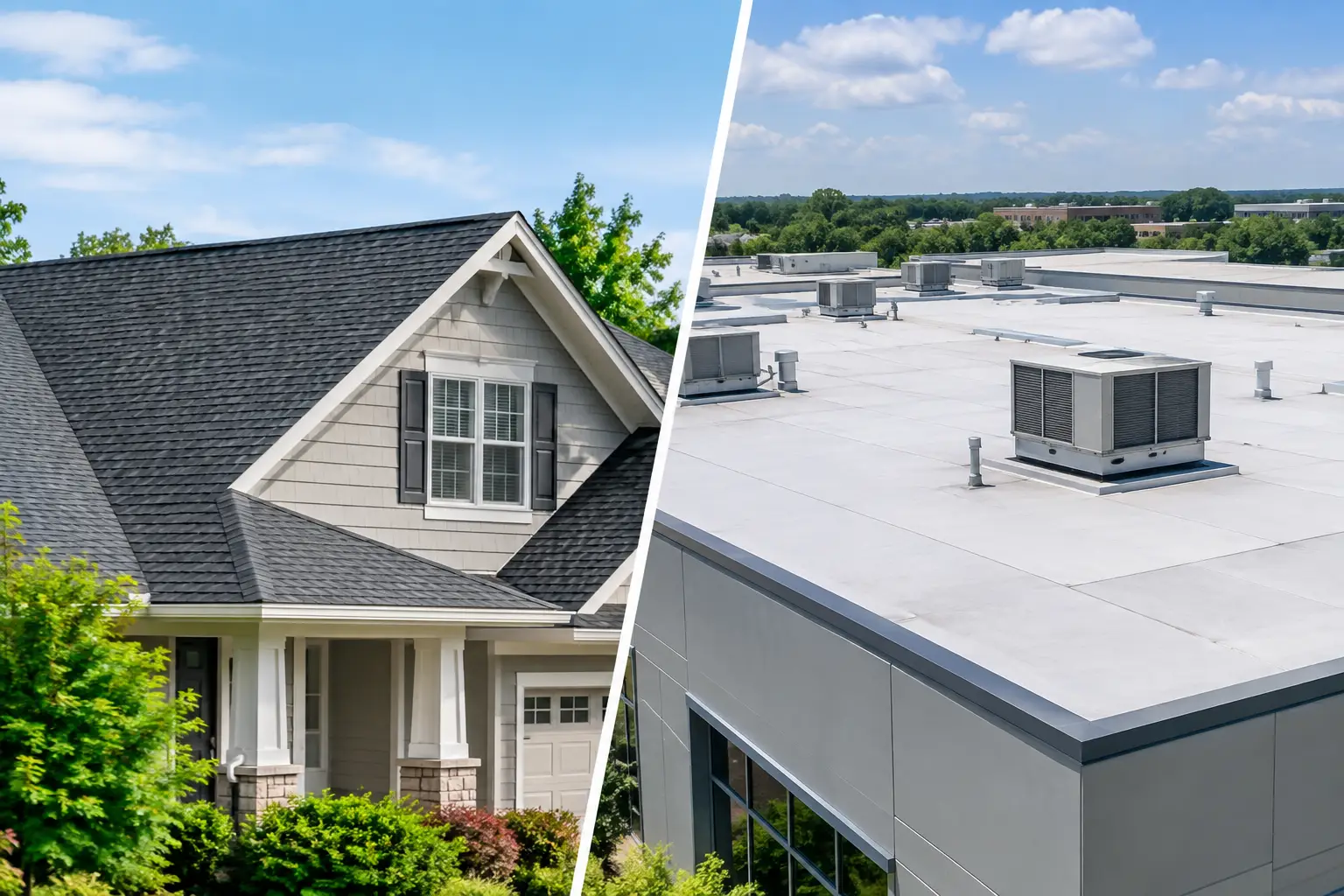
For example, a roof near the coast may need extra attention to wind resistance, flashing, and corrosion-prone metal components. A historic home may require a contractor who understands how to work around older framing, slate, cedar, chimneys, and architectural details without creating unnecessary damage. A commercial building may require a different approach entirely, particularly when it has a low-slope membrane roof, rooftop equipment, drainage concerns, or a need to keep operations running during repairs.
Local experience also affects emergency response. After a severe storm, a contractor who already serves the area can often inspect damage quickly, install temporary protection when appropriate, and develop a realistic repair or replacement plan. That responsiveness matters when water is entering an occupied home, retail space, office, or multifamily property.
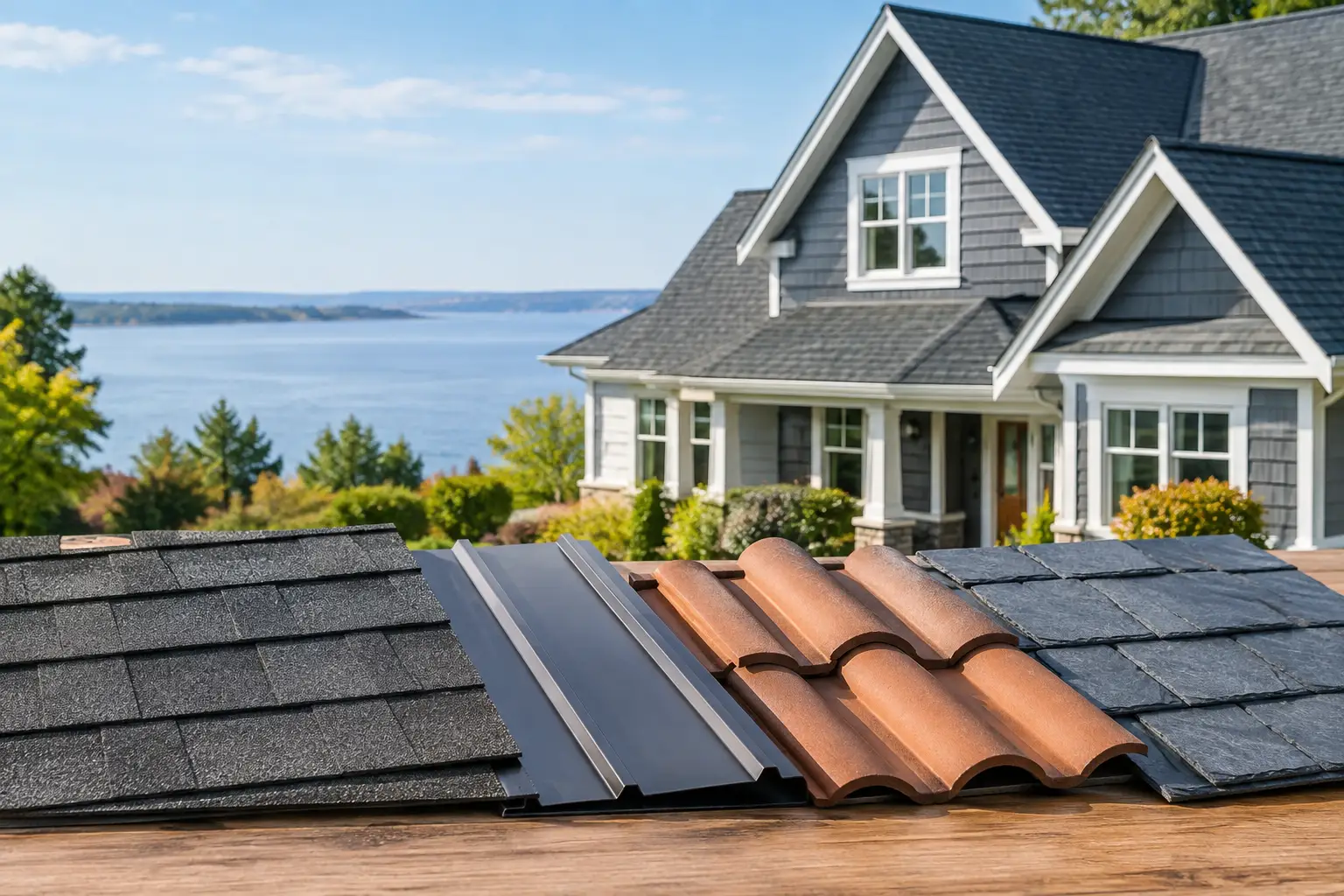
Rick’s Main Roofing brings GAF Master Elite residential credentials and Master Commercial expertise to roofing projects throughout Norwalk and Fairfield County, along with experience across asphalt, cedar, slate, rubber, and metal roofing systems. For property owners, that range matters because the correct repair or replacement method should follow the building’s needs, not a one-size-fits-all sales approach.
Certification Does Not Replace a Thorough Inspection
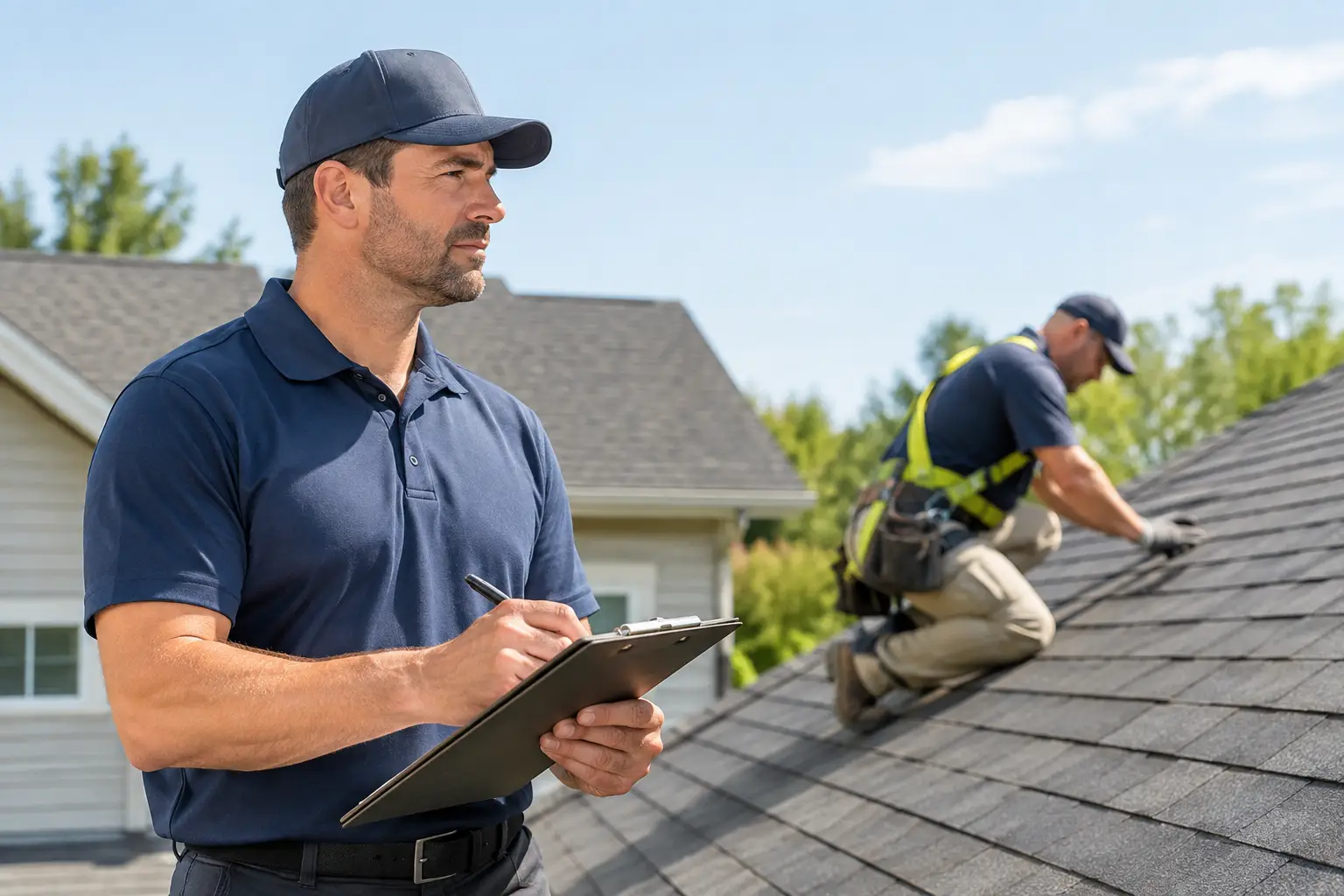
Be cautious of any contractor who offers a firm replacement recommendation without examining the roof carefully. A proper assessment should consider the age and condition of the roofing materials, visible damage, flashing details, roof penetrations, drainage, attic conditions when accessible, and evidence of active or previous leaks.
Replacement is often the right answer when shingles are broadly worn, the roof is nearing the end of its service life, leaks are recurring, or storm damage has compromised a large area. But a focused repair may be more responsible when the issue is isolated and the remaining roof has useful life left. A trustworthy contractor should explain that distinction clearly, even when a repair is the smaller job.
For commercial owners and property managers, the inspection should also account for business continuity. The contractor should discuss access, staging, safety, debris control, scheduling, and how the work will affect tenants, employees, customers, or sensitive equipment. The lowest proposal is not always the lowest-risk proposal if it fails to plan for the realities of an occupied property.
A Practical Standard for Choosing a Roofer
Use certification as one part of a larger decision. Confirm that the contractor is properly insured, provides a detailed written proposal, can explain the roofing system being installed, and has a record of completing comparable work locally. Review the warranty terms before installation, not after the final invoice.
Most importantly, choose a roofing company that communicates directly. You should know who to contact, what the work includes, what could change, and how the company will respond if your roof needs attention after the project is finished. A credential can open the door to confidence, but clear workmanship standards and accountable local service are what protect your property for years to come.
When you are comparing roofers, request an inspection and use the conversation to judge more than the estimate. The contractor who takes time to assess the details, explain the options, and stand behind the work is the one most likely to earn your trust.