

Many homeowners struggle to find the best roof for their home. There are two main options: flat roof vs pitched roof. Both options have their own pros and cons, helping you decide the best option for your home.
But how do you make the final decision for your house? No worries, as this is what we’ll cover in the following piece.
Rick’s Main Roofing understands the complexities of selecting the right roof, so we are here to help you. Instead of wasting time, let’s explore.
What Exactly is a Flat Roof?
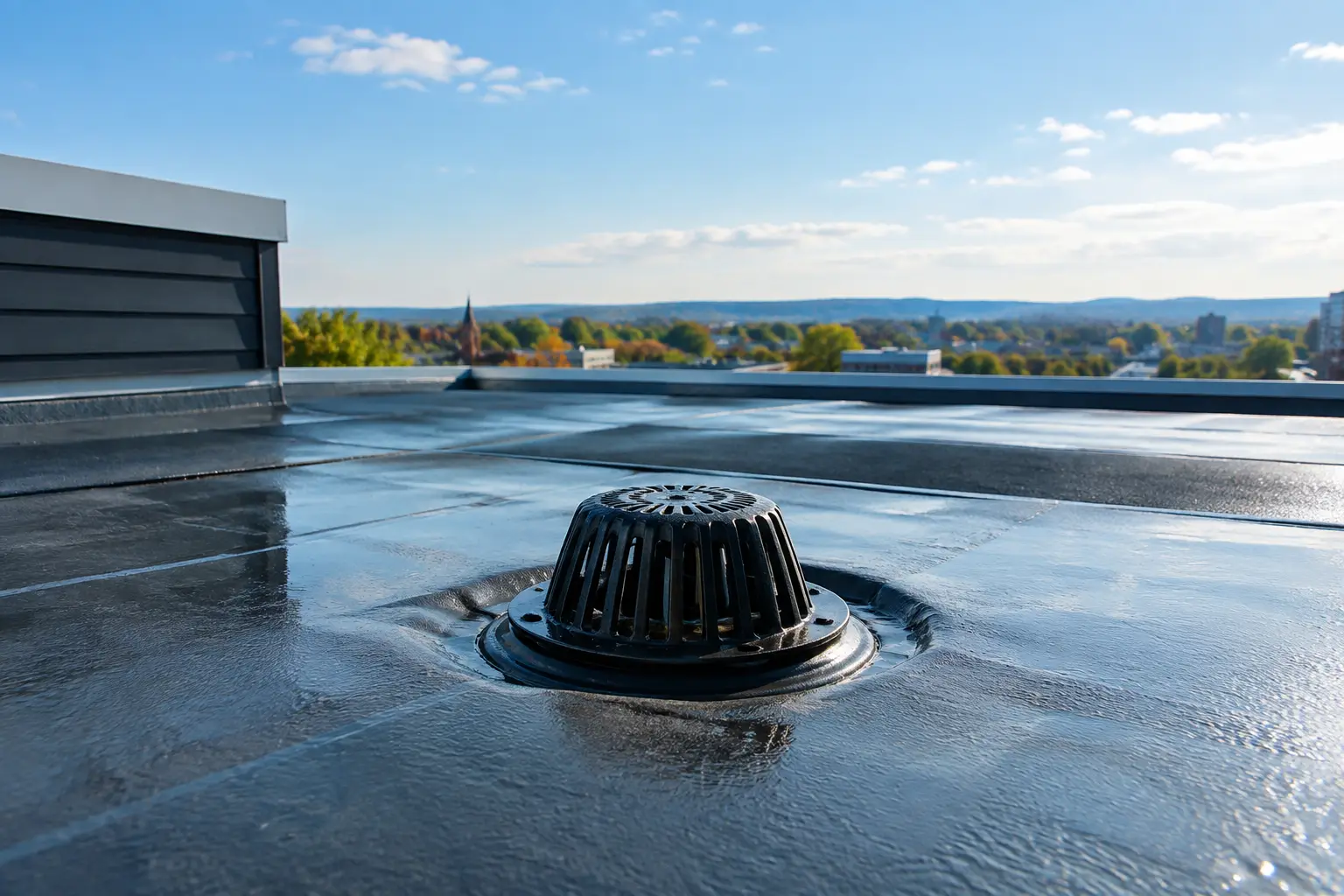
It has a minimal slope, generally less than 10 degrees. It has nearly a horizontal surface and is often used in modern architectural styles. Flat roofs are commonly used in commercial buildings; however, they are also increasing in popularity in residential areas.
Benefits of a Flat Roof
1. Budget Friendly
Flat roof installation usually costs less in comparison to pitched roofs. The materials for flat roofs are generally more affordable. Moreover, the construction process is simple.
2. Extra Space
This type of roof is best for creating extra space to use. It provides extra space for patios, gardens, rooftop areas, and solar panels.
Because you can have the extra area for a rooftop garden, patio, solar panels, etc.
3. Lower Energy Bills
Flat roofs often have green roofing systems, reflective materials, and solar panels, which help to get lower energy bills. With all of this, you’ll have a better indoor temperature.
Disadvantages of a Flat Roof
1. Issues with the Drainage
Such roofs can face issues with the drainage system and water pooling, which may cause the roof to leak over time.
2. Limited Life
These types of roofs have a shorter life than pitched roofs. Moreover, they require more frequent repairs and roof replacement.
3. Challenges with Insulation
The right insulation is very important for such roofs to prevent heat gain or loss. This necessitates additional investments in top-quality insulation materials.
What is a Pitched Roof?
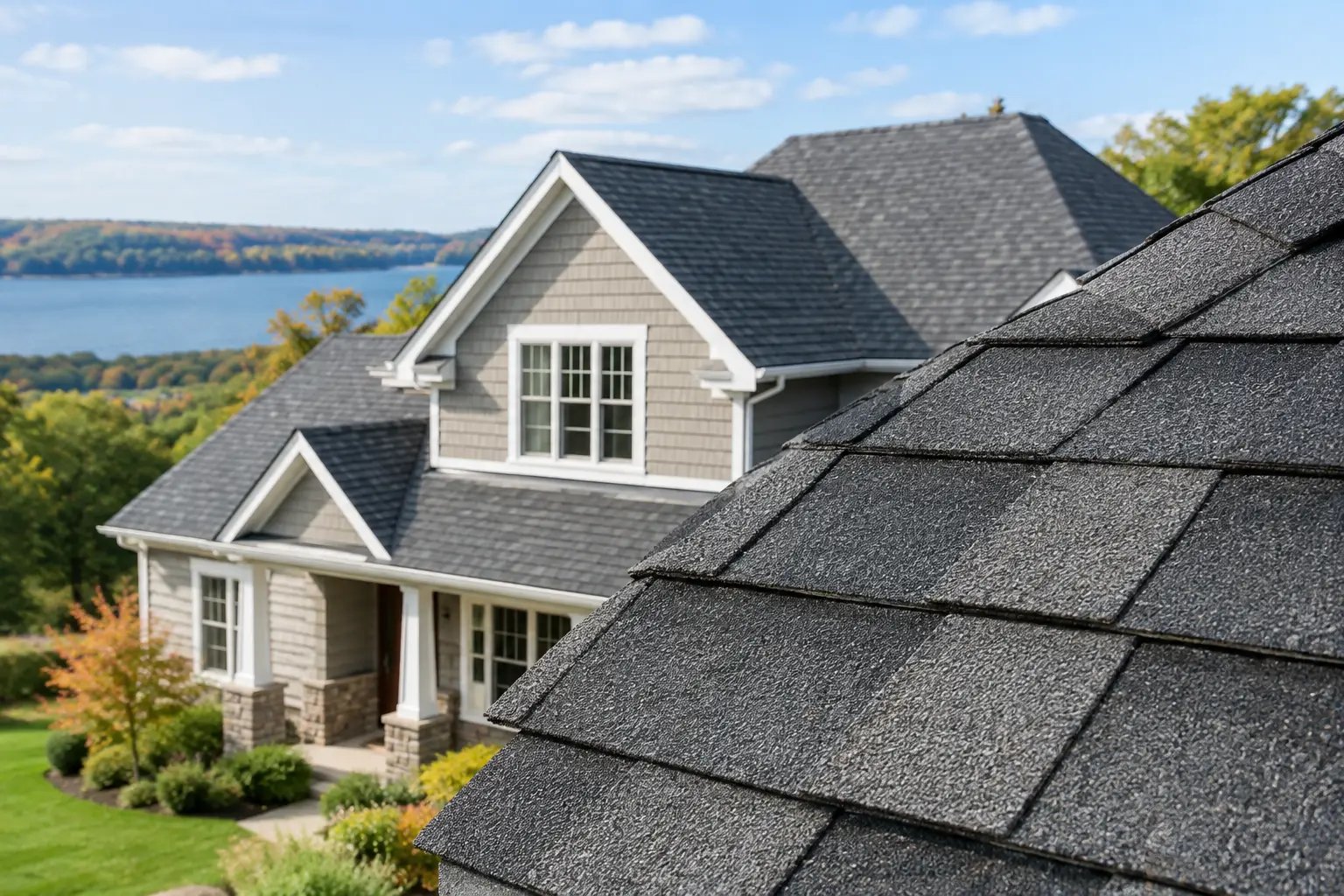
Pitched ones have slopes with angles varying from gentle to steep. They are one of the traditional roof styles. They are generally used in residential properties. Also, these are known for their classic look and effective water drainage.
Benefits of a Pitched Roof
1. Excellent Drainage
The slope of pitched roofs allows snow and rainwater to slide off. This reduces the risks of water damage and leaks.
2. Durability
These types of roofs come with better durability compared to the former ones. This is due to its efficient drainage system and reliability against intense weather.
3. Beautiful Appeal
Pitched ones come in various styles and materials. Also, you’ll have a lot of designs to choose from to increase the appeal of your home.
Disadvantages of a Pitched Roof
1. Higher Prices
This type of construction is complex, which means a higher installation cost. Moreover, its maintenance is also more challenging due to the angle and height of the roof.
2. Limited Space
These roofs have sloping designs, which can restrict the usage of upper spaces or attics.
Hire Rick’s Main Roofing for Roof Installation
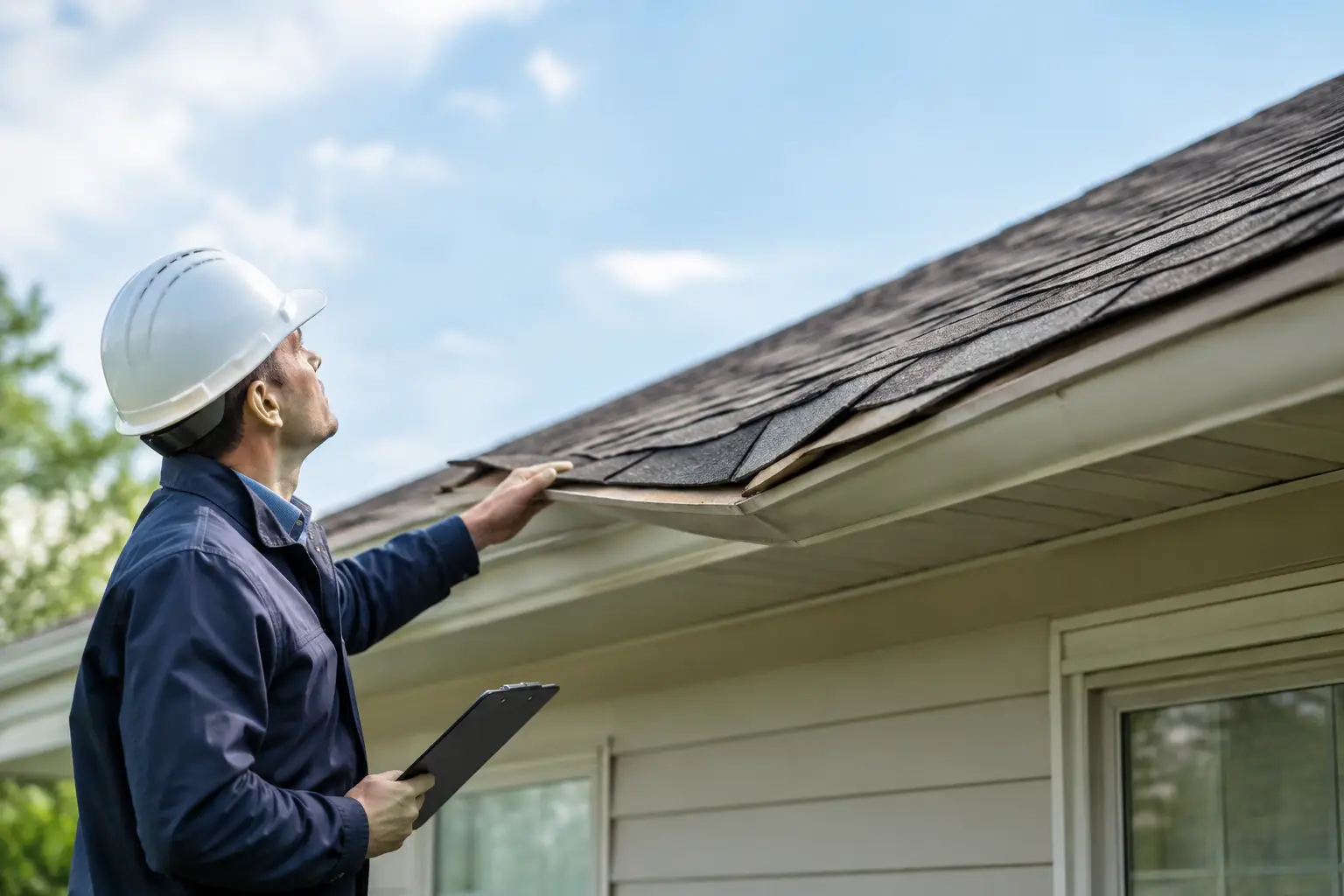
If you have made the final decision between the two options, it’s time to hire a professional company. It’s better to hire a company with local knowledge and expertise in installing the roofs. So, how do you find such a company? You don’t have to when Rick’s Main Roofing is here. We have been offering quality services to the Connecticut community for the last 50 years. So, instead of wasting time, hire us now!
Frequently Asked Questions
1. What is the main difference between a pitched roof and a flat roof?
The biggest difference is that pitch one has a big, steep slope offering natural drainage, while the latter ones have a less steep slope for drainage.
2. Which one is best: flat or sloped roof?
If we compare pricing, the flat roofs are more affordable. But if we talk about protection and longevity, pitched roofs win the battle.