

Key Points:
- Standing water on flat roofs makes the structure weak.
- Even small leaks can destroy walls and insulation.
- Roof membranes shrink under extreme weather or pressure.
- Repairs protect your roof and keep you safe.
- Premium materials provide the utmost protection for roofs.
Introduction
Businesses and homes often have flat roofs. They are easy to build. They are simple to maintain. Yet flat roofs can run into several issues down the line. Little things can grow into larger problems if you neglect them.
We list common problems with flat roofs and their repair solutions.
Common Flat Roof Problems
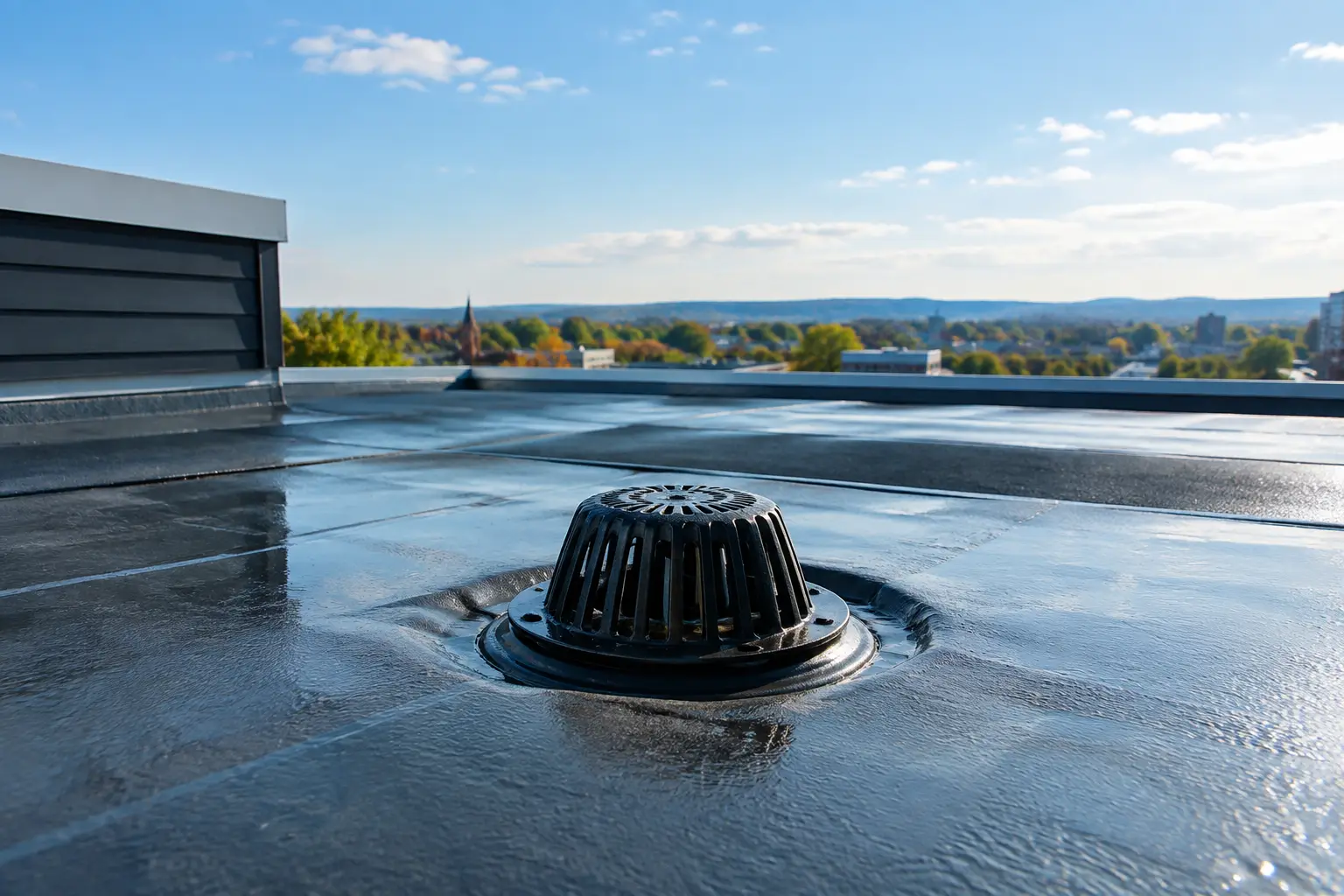
A flat roof is not completely flat. They’re slightly angled to drain water, but water can still gather on the surface. This causes many problems.
1. Ponding Water
Most flat roof problems start with standing water. It occurs when water remains on your roof after a rain. Water can sit in low spots, and it breaks it down eventually. The water starts leaking in the house and makes the structure weak. Here are the indicators:
- Water pools after rain
- Roof edges feel soft
- Stains appear on the ceiling
How to Fix?
- Better roof grade for drainage.
- Install more drains or scuppers.
- Use flat roof materials suitable for ponding water situations.
2. Leaks
Almost all flat roofs leak at some point. They can be little and get bigger. Leaking water gets into your home. It destroys ceilings, walls, and insulation. Here are the common causes:
- Poor roof installation
- Damage from ice or high winds
- Aging roofing material
- Ponding water
How to Fix?
- Find the leak early.
- Replace damaged roofing.
- Apply waterproof coatings.
- Regular checking.
3. Blistering
Blisters occur when water or air becomes stuck under the top layer of the roof. They appear to be bubbles on the roof. Blisters make the roof weak. They can pop in heavy wind or heat. Here are the common causes of blistering:
- Poor installation
- Moisture trapped during installation
- The sun’s heat expands trapped air
How to Fix?
- Pop and repair blisters.
- Replace damaged sections.
- Ensure proper installation in the future.
4. Cracking
Flat roofs crack as they age. Some roofs do not have a covering, so they face direct heat from the sun. The high temperature expands the roof. Later, the temperatures get low, and the roof shrinks. It causes cracks that bring water into the structure. Keep an eye on these signs:
- Visible lines on the roof surface
- Water stains on ceilings
- Loose roofing material
How to Fix?
- Seal small cracks with roofing sealant.
- Replace large damaged sections.
- Consider long-lasting materials for flat roof design.
5. Roof Membrane Damage
Some people often use a membrane on top of the flat roofs. It can be EPDM, TPO, or a modern form of bitumen. These membranes protect the roof from water, but they can rip or get worn down. They can be destroyed by falling branches or any other kind of pressure. These are a few signs:
- Torn or bubbled membrane
- Water seeping through seams
How to Fix?
- Patch small tears.
- Replace large membrane sections.
- Do not step on the roof without proper preparation.
6. Shrinkage
Some roofing materials shrink over time. The material tightens, and it can develop cracks and breaks. You will notice gaps around the border and edges. This happens due to:
- Old materials
- Heat and sun exposure
- Poor installation
How to Fix?
- Replace shrinking sections.
- Seal edges and seams.
- Opt for durable replacement roofing.
7. Ponding Ice and Snow
If you live in a cold area, a flat roof brings even more problems. It has to handle the weight of ice and snow. Water freezes in any gaps and puts pressure on the roof. This destroys drains and gutters. Snow melts and causes leaks.
How to Fix?
- Remove snow carefully.
- Use ice melt products safely.
- Clear the drains before winter.
8. Roof Sagging
Sagging occurs when the roof structure becomes fragile. This can happen if excess water or weight builds up. Old roofs often sag. Sagging leads to more water collection and leaks. Keep an eye on these indicators:
- The roof dips in certain areas.
- Cracks in the walls
- Poor drainage system for flat roofs
How to Fix?
- Add structural support.
- Replace damaged decking.
- Ensure roof drains properly.
9. Ponding Debris
Leaves and dirt block the water drains. This leads to roof water pooling. Debris can also harm the roof surface.
How to Fix?
- Clean the roof regularly.
- Clear drains and gutters.
- Inspect the roof after storms.
Long-Term Repair Options
Repairs for a flat roof are different from a traditional sloped roof and will vary depending on your material. Temporary fixes may not last. When you invest in a coating, the best ones have long-term benefits that protect your roof for years.
Roof Coatings
Roof coatings are fluid-applied membranes that cover the entire surface area. These membranes can make a watertight layer. This coating protects the roof from heat and cracking. Roofs with coating last longer as they are safe from water damage.
Roof Replacement
Sometimes repairs are not enough. In cases where a roof is old or greatly damaged, a complete replacement of the roof is best. A new roof is strong and safe. A new roof eliminates all these issues. You will not struggle frequently with roof repairs and bear their high costs.
Reinforce Roof Structure
Sometimes, when the roofs get weak, they need support. Professionals can add extra support to the roof through metal rods or trusses. It prevents bowing and leaking. This simple trick extends the roof’s life, and it can support the heavy weight.
New Roofing Materials
You help your flat roof last longer if you use better materials. EPDM, TPO, and modified bitumen materials can withstand sun exposure and temperature changes.
Newer materials are stronger and require minimal commercial building roof maintenance. Using better materials can also eliminate the cost of future roof replacement.
Why Choose Rick’s Main Roofing?
Choosing the right roofing contractor is critical. At Rick’s Main Roofing, we are experienced in flat roof repair and installation. We deal with leaks, cracks, ponding water, and roof membrane issues. Our crew works with the latest products and methods. We inspect your roof carefully. We solve flat roof problems before they grow big.
Call us for strong and safe roofs. We complete the work right on time and leave your property spotless. We also provide recommendations for maintenance, so you can avoid future problems. Homeowners rely on us because we are professional and consistent.
When you choose Rick’s Main Roofing, your flat roof will be secure, dry, and durable for generations. Contact us today for expert roofing in CT.
Frequently Asked Questions
1. Can a flat roof handle snow and ice?
Flat roofs can develop problems with snow. They cannot bear intense weight, and so they either collapse or leak.
2. How frequently should I inspect my roof?
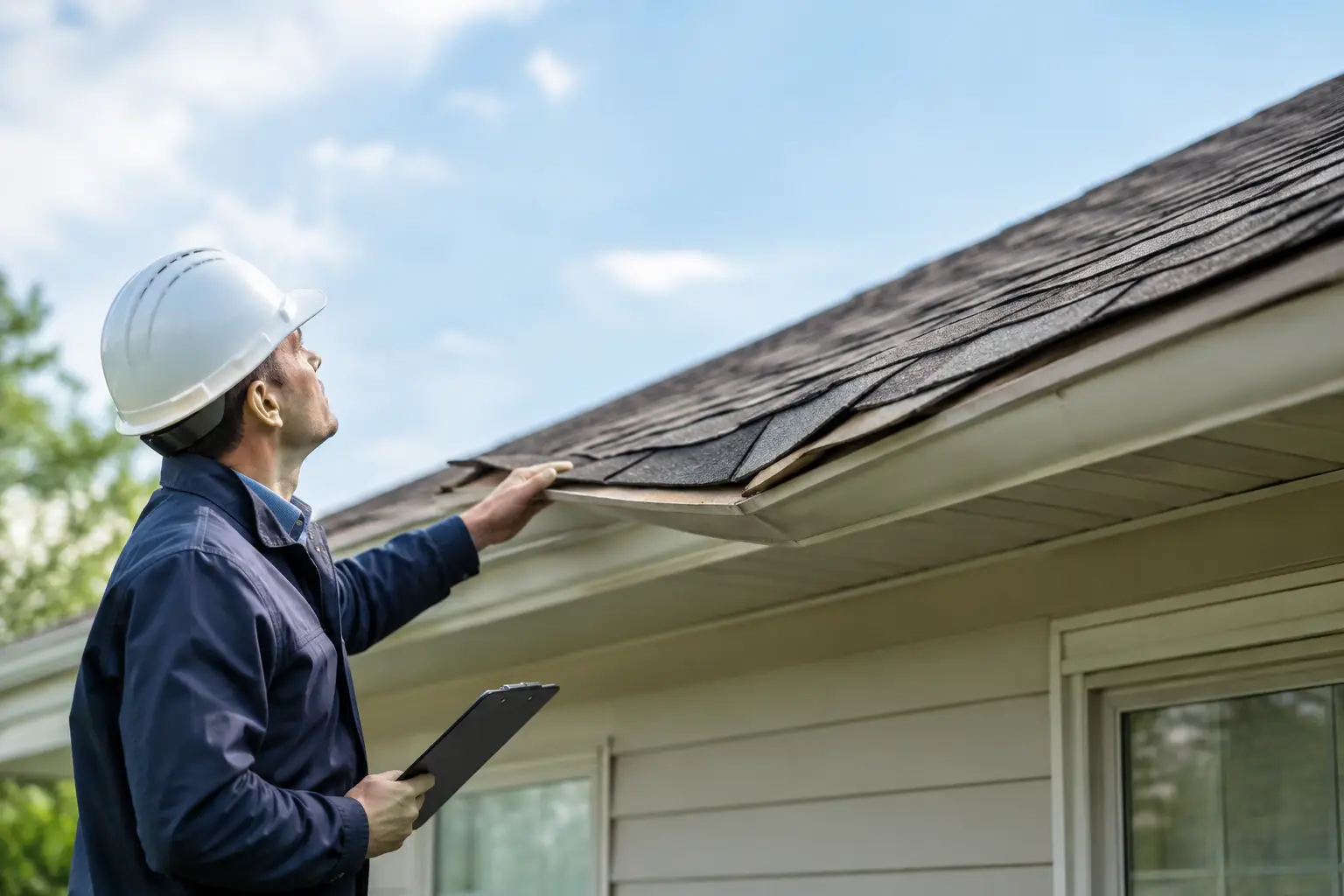
You should check your flat roof at least twice a year. Some indicators of poor performance are cracks, blisters, and debris. Handle them before it’s too late.
3. What is the best material for flat roofs?
EPDM, TPO, and modified bitumen withstand sun and water exposure. They maintain flexibility and also prolong roof life.