

Key Points:
- Remove the leaves and branches that fall in the autumn season.
- The gutters must be clear so that water can flow easily.
- All the shingles must be free from cracks.
- Check for water leaks and structural concerns before winter.
- Trim any branches overhanging your roof.
Introduction
Connecticut is a beautiful state in the fall because the leaves change color. The weather gets cooler. Families start thinking about winter, but fall is also the perfect time to preserve your roof. Some work now can prevent problems later. Your roof has to be strong and ready when the snow and ice come.
Most homeowners don’t notice their roof until it needs to be repaired. Your roof keeps your house dry and damage-free every single day. It prevents rain, wind, snow, and cold. Roofs must be in good condition so they can work as desired. If the roof is weak, you will face numerous problems. Here is how you can prepare your roof for the winter season.
1. Clear All Leaves and Debris
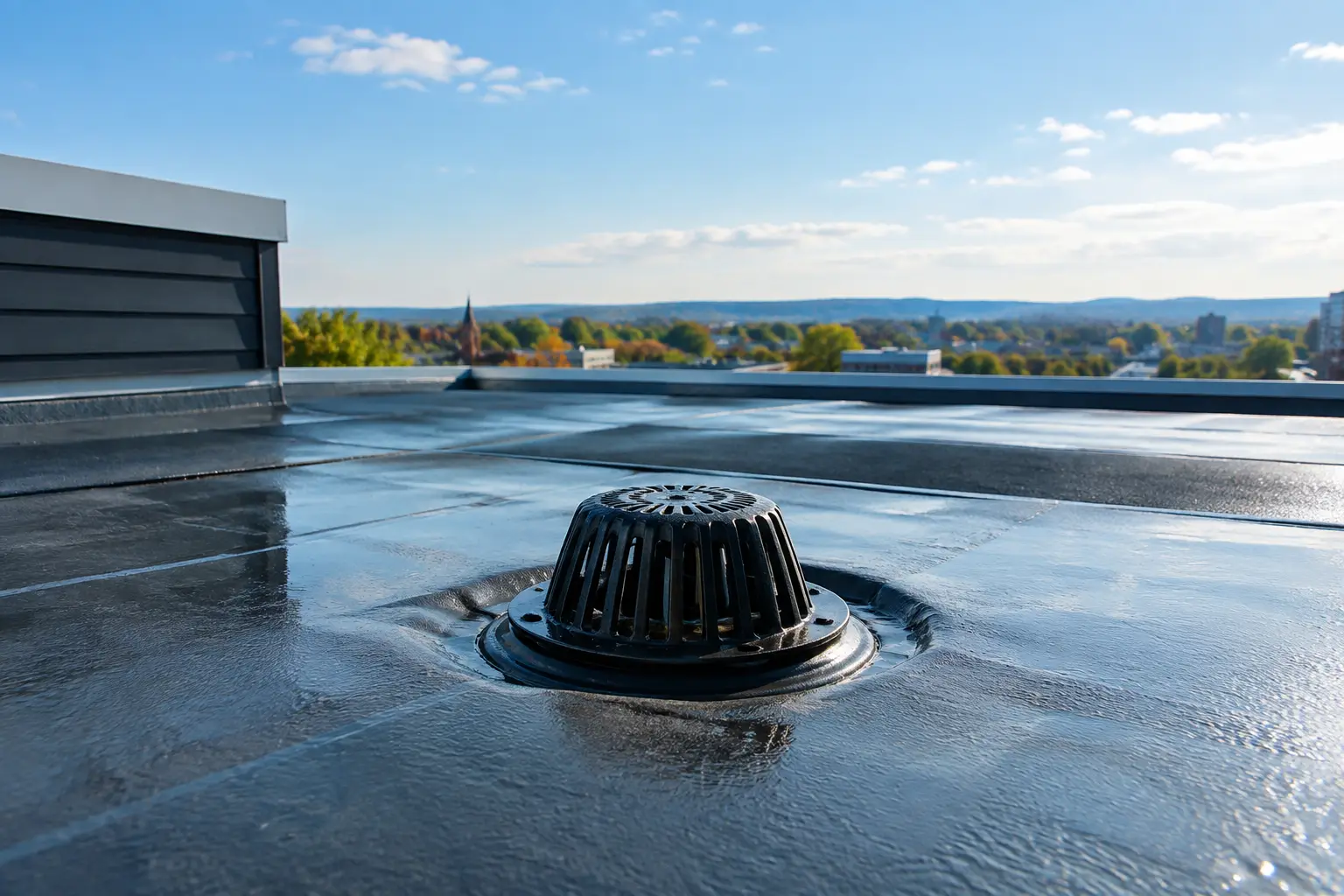
In the fall, leaves drop on your roof. The branches and pine needles also fall on the roof. All of this rubbish can collect water. Never ignore if water collects on the roof, as it can contribute to the growth of mold.
You must remove leaves from your roof and gutters every 5-6 days. Make sure to clean your roof valleys. This is where the two sides join, and there’s a little dip. These points accumulate a lot of debris. Debris blocks the drainage, and water starts to leak from the roof.
2. Clean Your Gutters
Gutters are the pipes that transport water away from your roof for the safety of your house. The leaves fall in autumn and block the gutters. The branches and dirt worsen the problem. The pipes are blocked, so the water cannot move.
The water can stream down your home’s walls and cause damage. In winter, the water converts into ice due to extremely low temperatures. This destroys the gutters. You must check your gutters and remove the dirt.
The downspouts must be clear so that water can stream without any blockage. People often use gutter guards to clean gutters in the fall.
3. See the Chimneys and Vents
Flashing is a material applied around chimneys and vents. This material prevents water from leaking into the attic as it prevents water from seeping into the seams. Over time, flashing can corrode or be pulled off.
Look at your chimney and check around your roof vents. Sometimes, the flashing is damaged or not applied properly. The flashing bends and allows water into your attic. The leak is tiny at first, but it grows after some time.
4. Find Algae and Mold
The weather in Connecticut turns roofs into a great home for moss and algae. Moss keeps moisture against your shingles. This makes the shingles weak, and it will destroy the roof after some months or years.
People often assume that green streaks on the roof are not a problem, but they show the presence of moss. They damage the roof. Use a roof cleaning solution and do it yourself. You can also hire an expert company for roof cleaning before winter.
5. Check Your Attic for Signs of Danger
The roof may look good from the surface, but the problem hides inside. The roof problems are often hidden, and this is why they get bigger. Check the attic while the lights are turned off. If you notice sunshine coming from within the roof shingles, it shows there is a leak. Here are some other elements that show a leak in the roof.
Check for:
- Damp insulation
- Wet wood
- Musty smells
- Dark stains
6. Cut Back Overhanging Roof Branches
Do you have trees near your dwelling? Branches overhanging the roof are dangerous. Winter brings heavy snow that presses on the roof. If the branches also fall on the roof. The weight becomes unbearable. It brings serious damage.
Remove the branches that may fall on the roof. You can cut the longer branches before the winter storms. This protects your roof and cuts down the risks.
7. Check for Ice Dam Risks
Ceiling water damage caused by ice dams is common in Connecticut. This is a common process: snow melts on the roof when the sun comes out. Later, it freezes on the edges when the temperature is low. The ice will not allow water to move, and it will leak from the roof.
Insulation is critical to prevent leaks and for the safety of your place. The vents and gutters must not be blocked. Make sure your attic insulation is not low either.
8. Check Out Your Roof From Various Angles
Sometimes, the problems lurk on just one side of the roof. Stroll around your house and check the roof from various angles. You might notice things you hadn’t noticed before. Inspect the edges and corners closely as winter winds tend to target them.
9. Schedule a Professional Roof Inspection
There are certain things only a roofing professional can see, even if you try hard. A professional can find the little problems that you might miss. They can find where a roof is weak.
You must get a roof inspection each fall. That’s one way to avoid winter roof emergencies, which are stressful and costly. A quick fall check can ease your mind before the cold sets in.
Why Fall Roof Maintenance Matters?
Winter in this state can be brutal due to the heavy snow and cool rain. Ice storms worsen the situation. All of these elements bring problems for the roof. Looking after your roof this fall allows you to:
- Prevent leaks
- Avoid the high costs of repair
- Increase your roof’s life
- Protect your place
- Save money over time
A little effort in the fall will ease winter’s burden.
Final Words
If you want to stay safe in winter, there is no better time than fall. You need to prepare the roof for the winter. Follow all the roof leak prevention tips. A solid and healthy roof can shield your home through all seasons. Follow these simple tips, such as checking your gutters and looking inside your attic.
You must be looking for a trustworthy roofing contractor. Rick’s Main Roofing is at your service. We can check and repair the roof before winter comes. We offer thorough fall roof inspections and repairs in Connecticut. We certify the safety of your roof.
Frequently Asked Questions
1. How should I check on my roof?
The fall is nice because you have to prepare for the winter storms. Fall cleanup removes debris to protect the shingles.
2. Can I clean my roof myself?
Sometimes people try to clean the roofs themselves. You can do the easy tasks, such as removing the leaves. Yet, the big tasks demand help from a professional company.
3. How to prevent the growth of ice dams?
Make sure that your roof has insulation and ventilation. Insulation maintains a good temperature in the attic. Secondly, it stops the collection of ice.