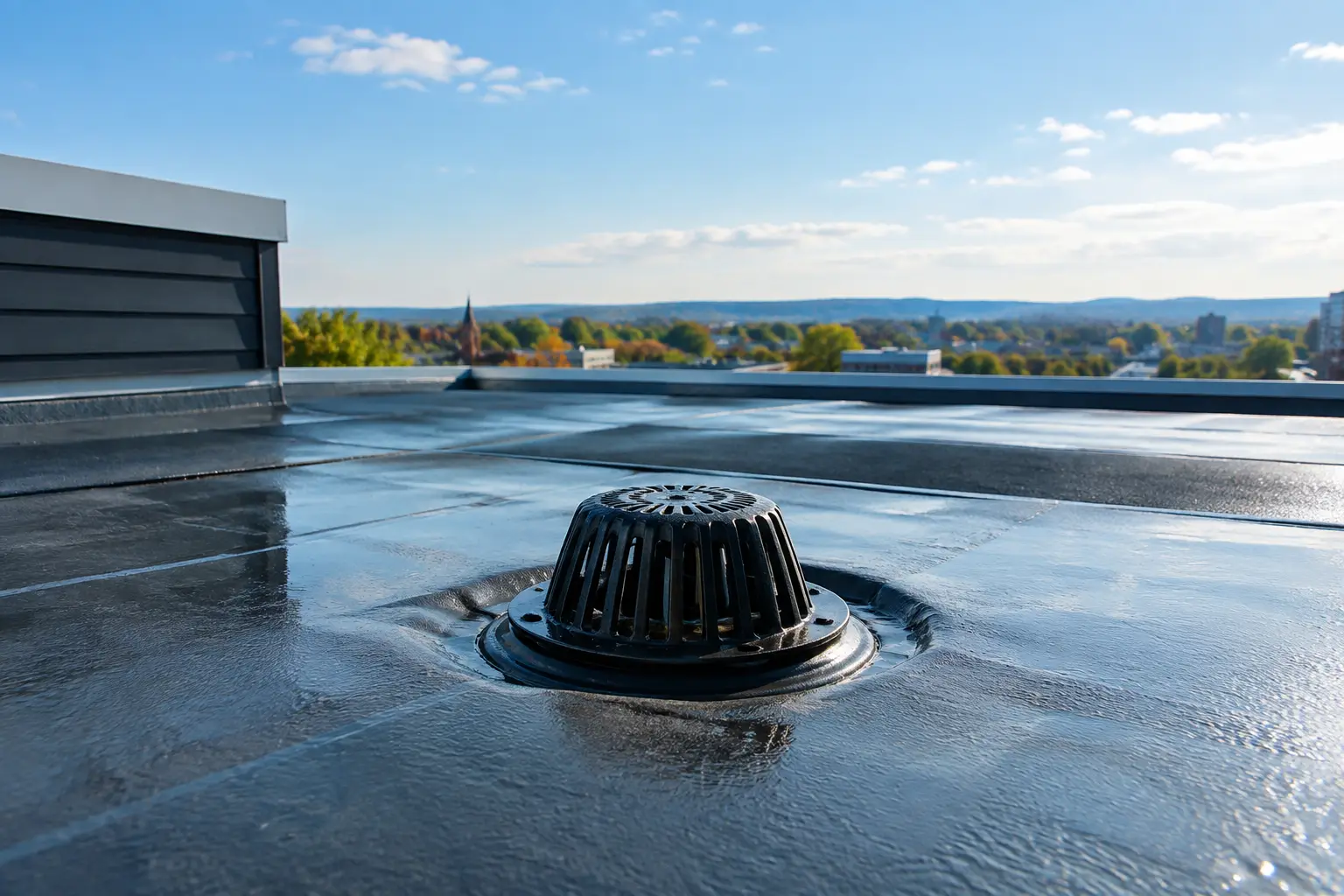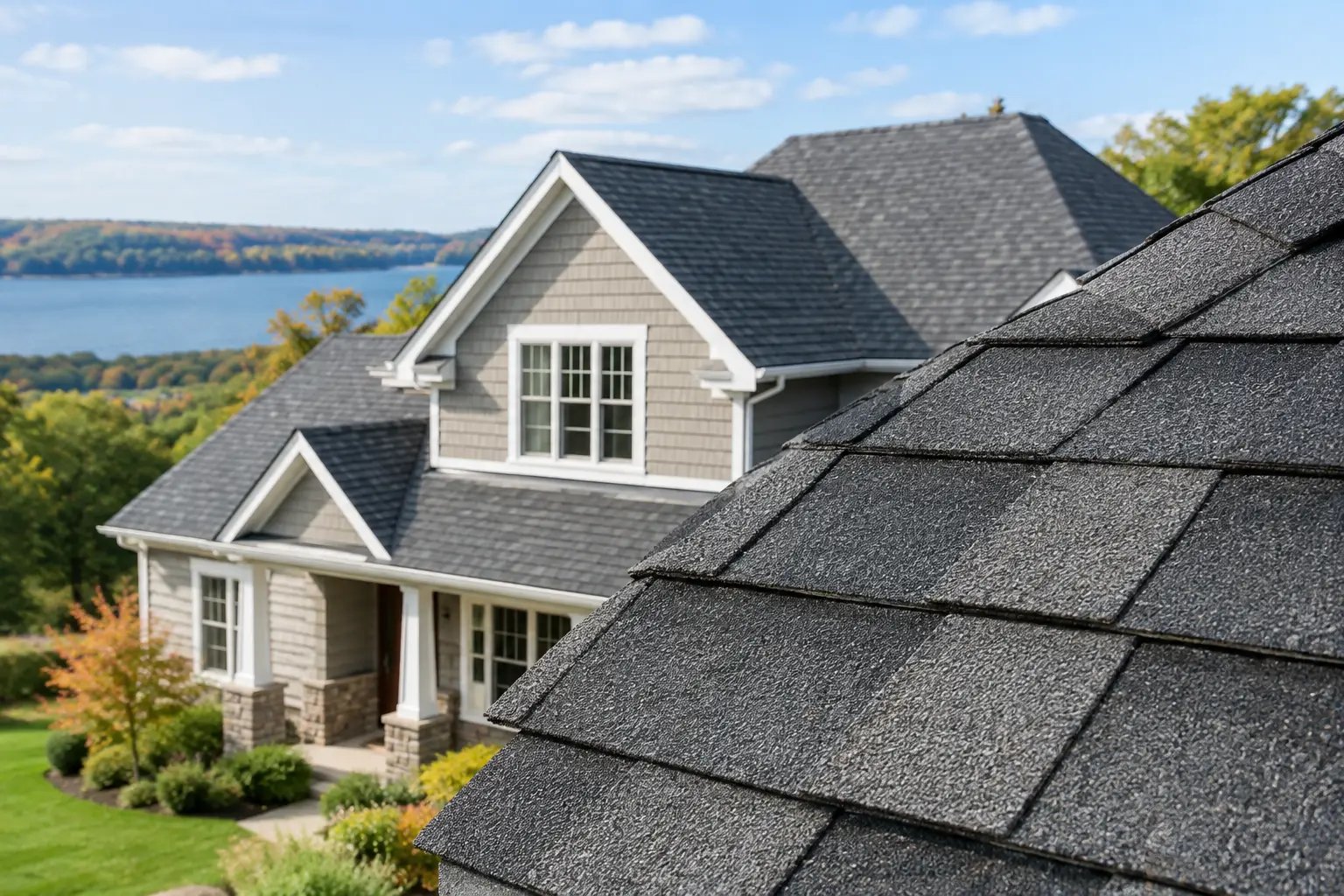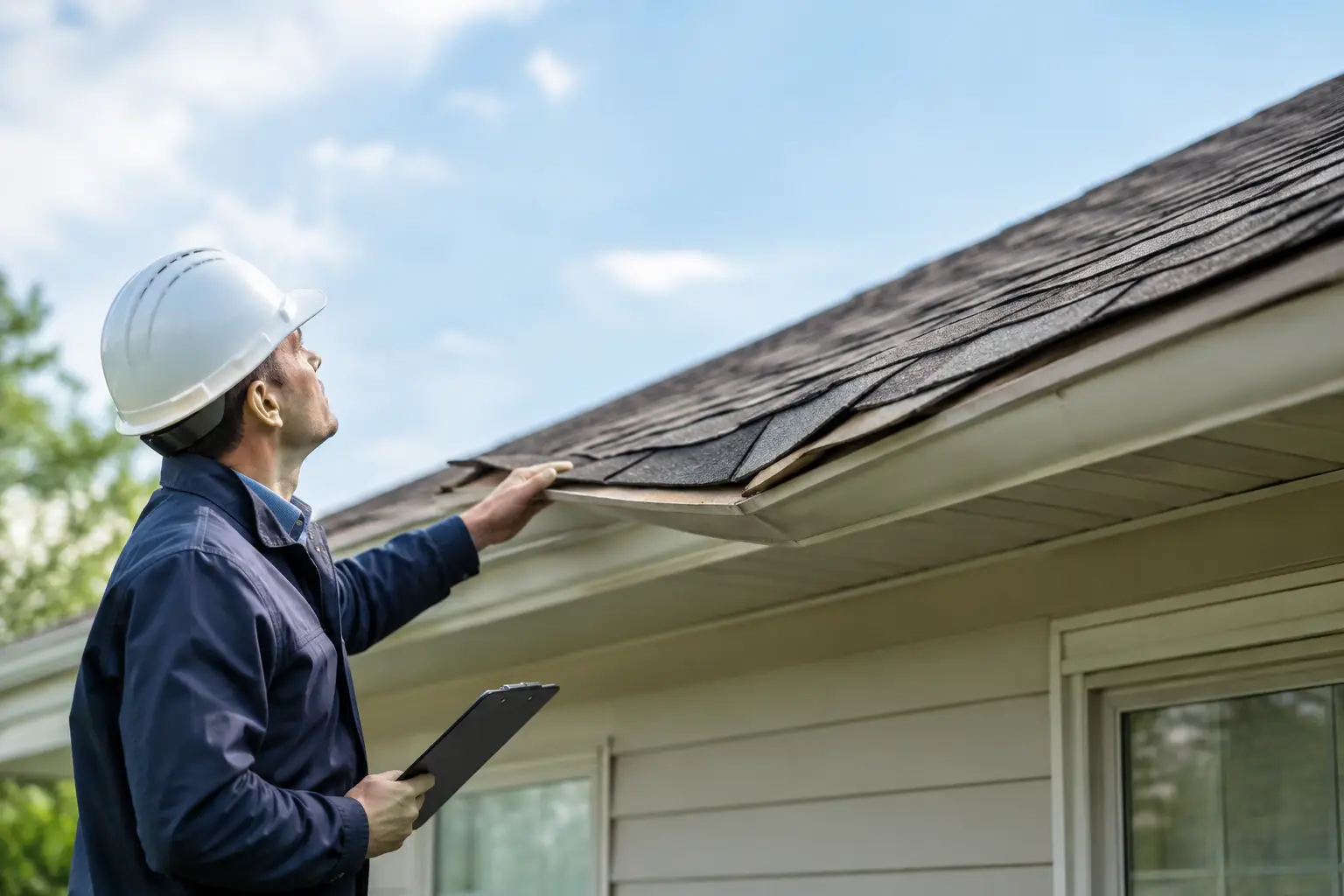


Modern structures, including commercial buildings, tend to lean towards flat roofing. If you make a mistake in picking the wrong roof for your building, it can cost you not only in the short run but the long run. You have to consider that the roof isn’t just a front cover of your home. It serves the purpose of defending it from the surroundings of a harsh climate, particularly in Connecticut, where you need a roof that lasts longer with optimal durability.
Before deciding anything, you need to review which material can best serve your purpose of flat roofing. With EPDM, TPO, and Metal roofing, you can have multiple benefits. The former can be budget-friendly, while the latter two can give your roof a glossy look and save energy.
Understand the Climate Conditions of Connecticut
Before knowing about the pros and cons of flat roofing materials, such as metal roof vs rubber roof, it’s better to understand the weather conditions of Connecticut.
This region’s weather is mixed:
- Humid and hot summers
- Intense snowy winters
- Occasional storms and intense rainfalls
You have to remember that in such weather conditions, you should have a flat roof that can bear harsh conditions like UV exposure, thermal cycling, and accumulated moisture.
Various Flat Roofing Materials
There are many kinds of flat roofing materials, including metal roof vs rubber roof, but we are going to discuss three main ones:
- EPDM
- TPO
- Metal
What is EPDM Roofing?

Ethylene Propylene Diene Monomer (EPDM) flat roofing material is obtained from an industry-level synthetic rubber and is known as a very durable roofing material, especially for low-sloped roofs.
This roofing material is renowned for its longevity and durability. It goes under expansion and contraction as temperature changes, and also shows resistance to UV rays. For the last 50 years, it’s been a very common yet famous choice for flat roofing for commercial buildings.
Although EPDM membranes are very powerful, they can be torn when exposed to sharp objects. Routinely examining and cleaning is very important to maintain an EPDM surface. The roof should also have a proper drainage system.
EPDM Longevity
You’ll be amazed to know that a properly installed residential EPDM flat roofing can last for almost three decades.
What is TPO Roofing?

TPO, Thermoplastic Polyolefin, is a very common roofing material with a single-layer membrane.
It is made up of two main substances:
- Ethylene- Propylene Rubber
- Polypropylene
Both of these materials come in huge rolls, and then the seams are required to be welded with hot air. Although it comes in white, it can also be synthesized in other colors like gray, tan, and can be customized by choice.
It can be completely recycled, which makes it an amazing, eco-friendly material for flat roofing.
The TPO roofs also have to be inspected on a regular basis. This way, their longevity can be increased. Also, you have to see if your TPO roofing has a planned drainage mechanism.
What is Metal Roofing?
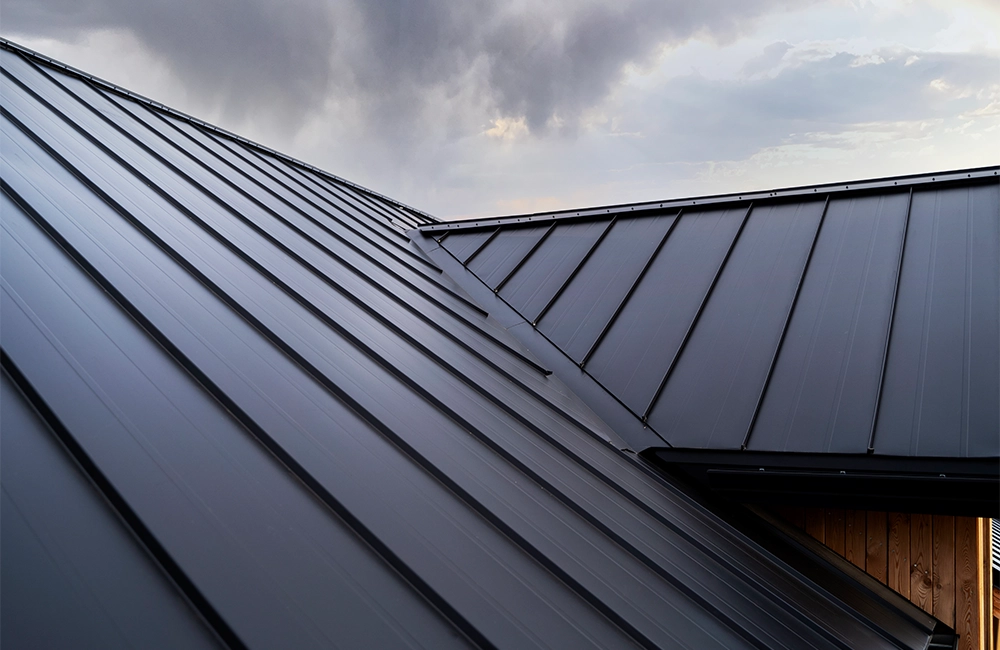
If your building has high-sloped roofs, metal flat roofing material can be the best choice to go with. It is considered best for low-sloped buildings.
Metal roofs are made of strong materials like:
- Aluminum
- Copper
- Steel
Due to the usage of such materials, it offers better durability compared to other options.
With minimal maintenance, it can last for 40-60 years. This roofing material can cause snow accumulation and ice damming. Also, metal is noncombustible.
Don’t overlook the fact that its manufacturing and installation are a bit expensive. It requires precision engineering for thermal movements.
However, it’s the perfect choice for commercial and industrial buildings that prefer durability, low maintenance, and are stylish and aesthetic.
EPDM Vs. TPO Vs Metal Roofing Materials
| Feature | EPDM | TPO | Metal |
| Material Type | Synthetic rubber membrane | Single layer of thermoplastic membrane | Copper, steel, or aluminum panels |
| Lifespan | 25–30 years | 20–30 years | 40–60 years |
| Cost (per sq. ft.) | $3.25 – $14.75 | $3.50 – $14 | $5 – $17 |
| Energy Efficiency | Moderate | High (reflective surface) | High (reflective and insulated) |
| Maintenance | Moderate (requires inspections) | Moderate (needs seam checks) | Low (minimal upkeep) |
| Durability | Good (UV-resistant) | Good (impact & puncture resistant) | Excellent (fire & weather resistant) |
| Eco-Friendliness | Fair | Best (recyclable material) | Good (long-lasting, recyclable) |
| Best For | Affordable large roofs | Eco-friendly buildings | Provides durability & looks. |
Routine Inspection is Non-Negotiable
Whatever material suits you, among metal roof vs rubber roof for your building’s flat roofing needs, never ignore routine or timely inspections of the roof.
Conclusion
Picking up the right roofing material is a very important decision to make. Especially for homeowners living in Connecticut. You have to be very careful of the region’s climate conditions before selecting a roofing material.
According to the weather conditions, we have three best roofing materials for flat roofing, including EPDM, TPO, and metal roofing.
We have explained individually about:
- What is EPDM roofing?
- What is TPO roofing?
- And what is metal roofing?
Each one’s strongest and weakest points have been discussed; now you can decide which is best for your building’s roof.
If you decide to choose the perfect material for your building’s roofing, hire the best flat roofing company in CT. Rick’s Main Roofing can be a good roofing partner for your building needs. Contact our professionals today!
Frequently Asked Questions
- What are the 5 famous types of flat roofing?
Modern flat roofs have several types and are not limited to ones listed below:
- Metal-based roofing for a better surface finish
- Modified Bitumen
- EPDM (Ethylene Propylene Diene Monomer)
- Built-Up Roof (BUR)
- TPO (Thermoplastic Polyolefin) for eco-friendly uses.
- How do you define a flat roof?
From its name, you know that it’s a flat roof, contrary to the sloped one. Basically, the slope that roofs have is called “Pitch”. And in the case of this type of roofing, it’s only up to 10°. Historically, these types of roofs were used in arid climates, and the roof spaces were used as living areas.