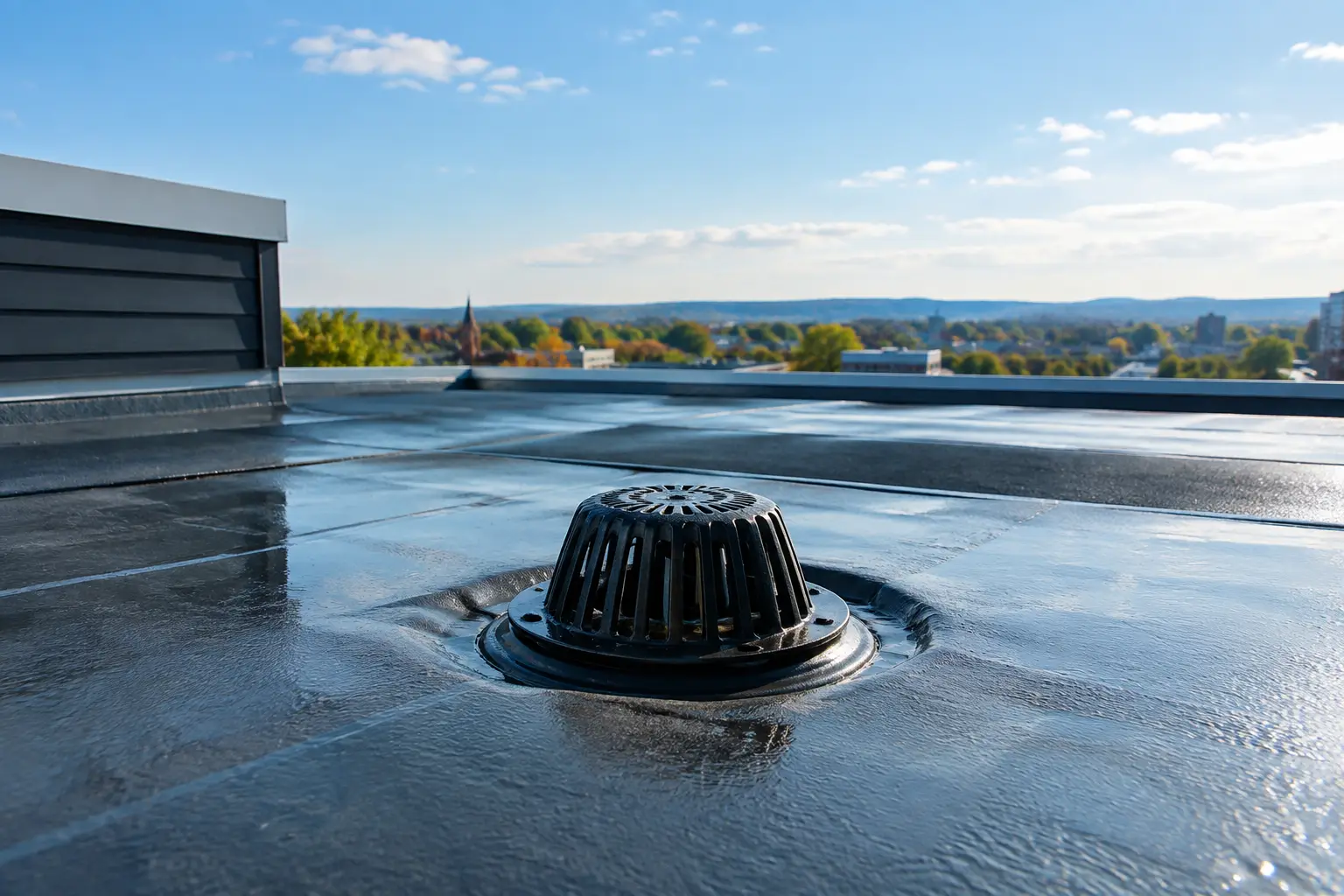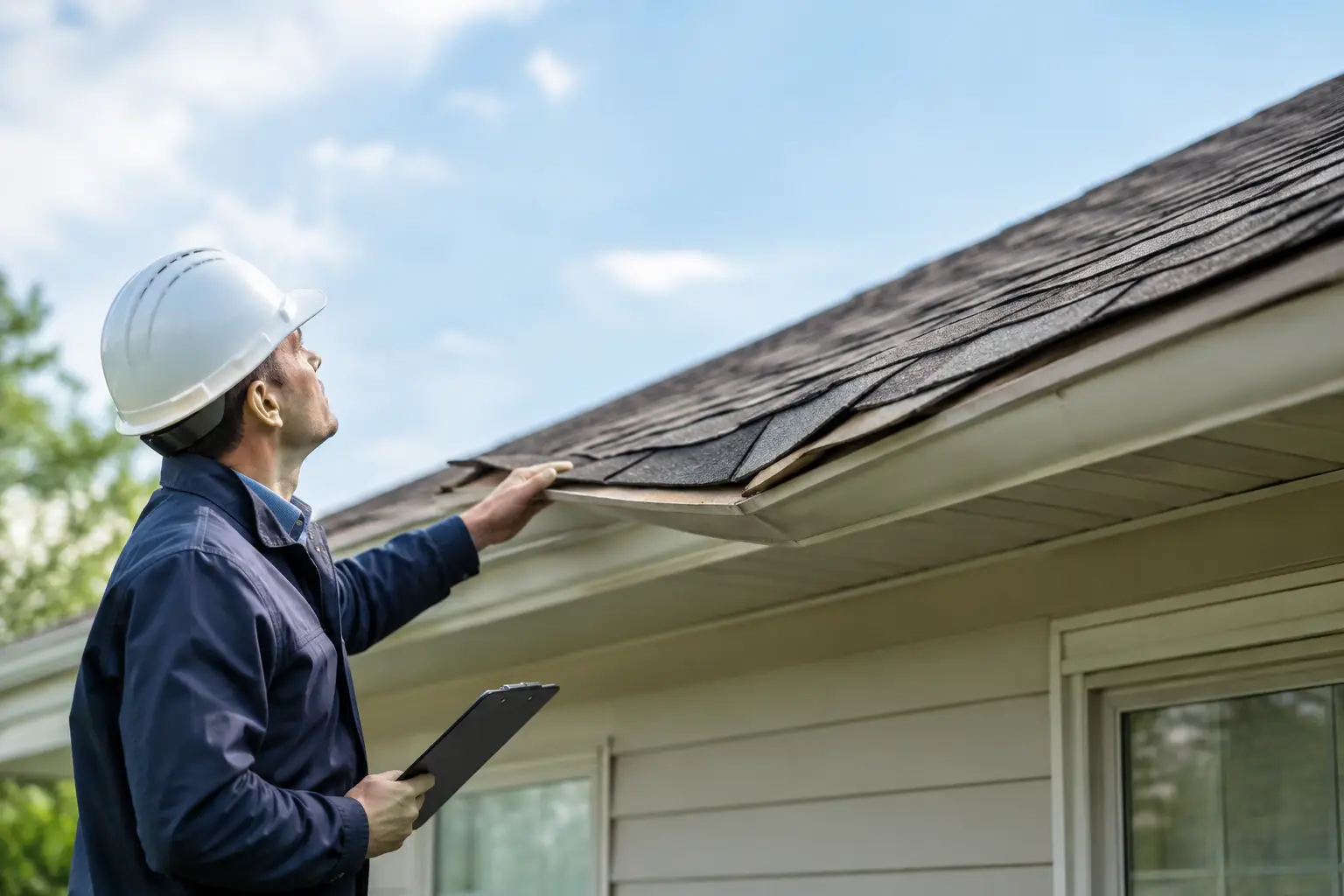


Storms happen unexpectedly, and rain, hail, and wind can ruin your roof. They can result in leakages and make your house weak. Homeowners must act fast. Emergency Roofing Connecticut can help you save your home and loved ones. Identifying the scene of roof leaks following a storm enables you to resolve issues promptly. The enforcement of roof safety tips after severe weather helps to keep everyone safe. Temporary solutions to roof leaks prevent further damage.
Recognizing Signs of Roof Leaks After a Storm
Your roof can conceal grave damage after a storm. These issues do not all appear instantly. Leaks will grow rapidly and can be costly to fix, even minor leaks. To save your home and money, learn to recognize early signs. Monitor both clear and silent signs of damage to be able to take swift action.
1. External Indicators of Damage
See your roof on the ground. Examine any absent shingles, noches, or curl. These signs indicate your roof requires repairs. Inspect flashing, dents, and debris on the roof. Water gets in as a result of broken shingles or debris. Take action promptly to avoid additional loss.
2. Internal Signs of Water Intrusion
Go inside your home. Check ceilings, walls, and the attic. Water entering your house to cause water stains, sagging ceilings, or active leaks. Check to find natural light through the roof or in the attic. These are indications of immediate damage.
3. Subtle Cues to Watch For
Some signs are gradual but show trouble. Shingles wear down on granules in gutters. The presence of mold or discoloration suggests underlying leakages. Spotting these symptoms will help to prevent larger repairs.
Roof Safety Tips After Severe Weather
Thunderstorms leave dangerous debris on your roof. Strong winds, heavy rain, and debris can weaken roofs. Failure to climb or inspect properly also brings accidents. Follow these tips to stay safe on the roof after severe weather. Precautionary measures will eliminate accidents and injuries.
1. Avoid Immediate Climbing
Never mount your roof immediately after a storm. The roof becomes unstable due to storm damage. You can fall and get hurt. Wait until a professional checks the roof.
2. Check for Electrical Hazards
The supply of power should be turned off in case water touches wires or outlets. Water and electricity make deadly contact. Allow specialized professionals to take care of the matter.
3. Evacuate if Necessary
When you can see groundwater accumulating in pools, ceilings dipping down, or cracks in the subceiling or trusses, evacuate. Staying in a dangerous house puts you at risk.
4. Use Protective Gear
Are you checking the minor roof damage? Don’t forget to wear gloves and a helmet. Cover your hands and feet with debris. Eye protection spares you from circulating particles.
5. Avoid Heavy Equipment on the Roof
Never put ladders, tools, or heavy materials into a damaged roof. The roof can collapse due to the excess weight. It’s better to hire professionals for roof work. They have the appropriate work equipment.
Avoid Common Mistakes When Hiring Roof Contractors
Homeowners can get lost in storms. Some contractors provide short-term solutions, but not all of them can be trusted. There are some mistakes homeowners often make when the roof has been damaged, and avoiding such mistakes can assist you in getting enhanced results. Selecting an appropriate contractor is cost-saving and eliminates additional issues.
Contract a trustworthy contractor following a storm. Do not deal with unprofessional individuals who are door-to-door contractors. They may disappear after taking payment, leaving work unfinished. When hiring, always look for licensed, insured, and local professionals in Connecticut.
Record photos and notes of all damage. Share them with contractors. This helps them prepare for repairs and claims of insurance claims. Review leases and pricing before any lease is signed. Clear-cut deals save you the errors.
Apply Temporary Solutions for Roof Leaks
When your roof starts leaking following a storm, a prompt response can help avert damage. Firstly, seal the damaged side using a waterproof tarp and fix it down properly, excluding the entrance of rain.
In the case of small cracks or holes, roofing tape that has a great deal of strength, or thick pieces of plastic, could serve as a temporary repair. Within your house, place buckets or containers beneath leaks to collect water to prevent wetness in your floors and furniture.
Ensure that water does not accumulate around your possessions, and this will create more trouble. These temporary roof leak solutions can save your house and provide you with time to invite professional roofing specialists to repair the damage under their care.
Engaging Insurance and Building Resilience
Once a storm hits, you should make calls to your insurance company within the first instance so that your home can be secured and you can claim damage. This coverage awareness and knowledge of how to prepare in case another storm happens enhances resilience. Follow these steps:
- Dial your insurance firm quickly. File a report about the damage as soon as possible.
- Document all damage. Take pictures and notes of your roof, attic, ceilings, and possessions.
- Check your coverage. Include hail, wind, or debris damage. This will keep you away from unexpected expenses.
- Keep receipts and records. Save invoices for temporary repairs or emergency tarping. These support your claim.
- Plan for future storms. Enroll in weather alerts and mitigation programs in Connecticut.
- Invest in preventive maintenance. Regular maintenance and inspection of roofs minimizes erosion from storms.
The best way to save money is by staying organized. Build resilience now, and your home and family later will be safe from storm damage.
Conclusion
Act quickly to secure your house after a storm. To prevent errors, it is essential to record damage and contract reliable professionals. Businesses should call the commercial roofing emergency service immediately. Immediate response prevents larger losses and reduces costs.
At Rick’s Main Roofing, we offer professional repair and emergency services. Our team ensures all the damage caused by the storm is checked carefully, repaired temporarily with safety, and fully repaired. Get in touch for a free quote.
Frequently Asked Questions
1. How fast can emergency roof repairs be done?
The speed of repairs depends on the level of damage. Most Connecticut roofing companies arrive promptly, and they mostly give temporary coverage on the same day, as they plan the actual repair to be done efficiently and safely.
2. What is a roofing emergency?
When a roof has leaks, you notice missing or broken shingles, holes from fallen branches, and sagging parts; it means that the roof needs replacement.
3. Does insurance cover storm roof damage?
Most homeowners’ insurance policies cover storm, hail, or wind damage. It is always good to go through your policy and to call your insurance company to find out important details on how to claim.
4. How to stay away from roofing scams?
Never accept unsolicited work after a storm. You should check licenses and insurance. Never let any work begin without a detailed written contract.