

A roof leak after a Nor’easter creates two urgent questions: how do you stop more water from getting in, and will your insurance help pay for the damage? Does homeowners insurance cover roofs? Often, yes, when a sudden covered event damages a roof. But coverage is not the same as a guaranteed new roof, and the cause of the damage matters as much as the damage itself.
For Connecticut homeowners, that distinction is especially important. High winds, fallen branches, heavy snow, ice dams, wind-driven rain, and coastal exposure can all affect a roofing system differently. The right first move is to protect the property, document what happened, and get a qualified roofing professional to assess the condition before minor damage becomes a larger interior loss.
Does Homeowners Insurance Cover Roofs for Storm Damage?
Most standard homeowners policies cover damage caused by a sudden, accidental event listed or covered under the policy. In practical terms, that may include wind lifting shingles, hail striking the roof surface, a tree falling onto the home, or fire damage. If the event is covered and the damage is directly related to it, the policy may pay for repairs or replacement after the deductible.
The insurer will evaluate the roof’s age, material, existing condition, cause of loss, policy language, deductible, and the scope of necessary work. A claim adjuster may approve a localized repair, while the homeowner and roofer may identify additional work needed to restore the roof to a sound, weather-resistant condition. Those differences should be documented carefully and addressed with facts, photographs, and a detailed professional estimate.
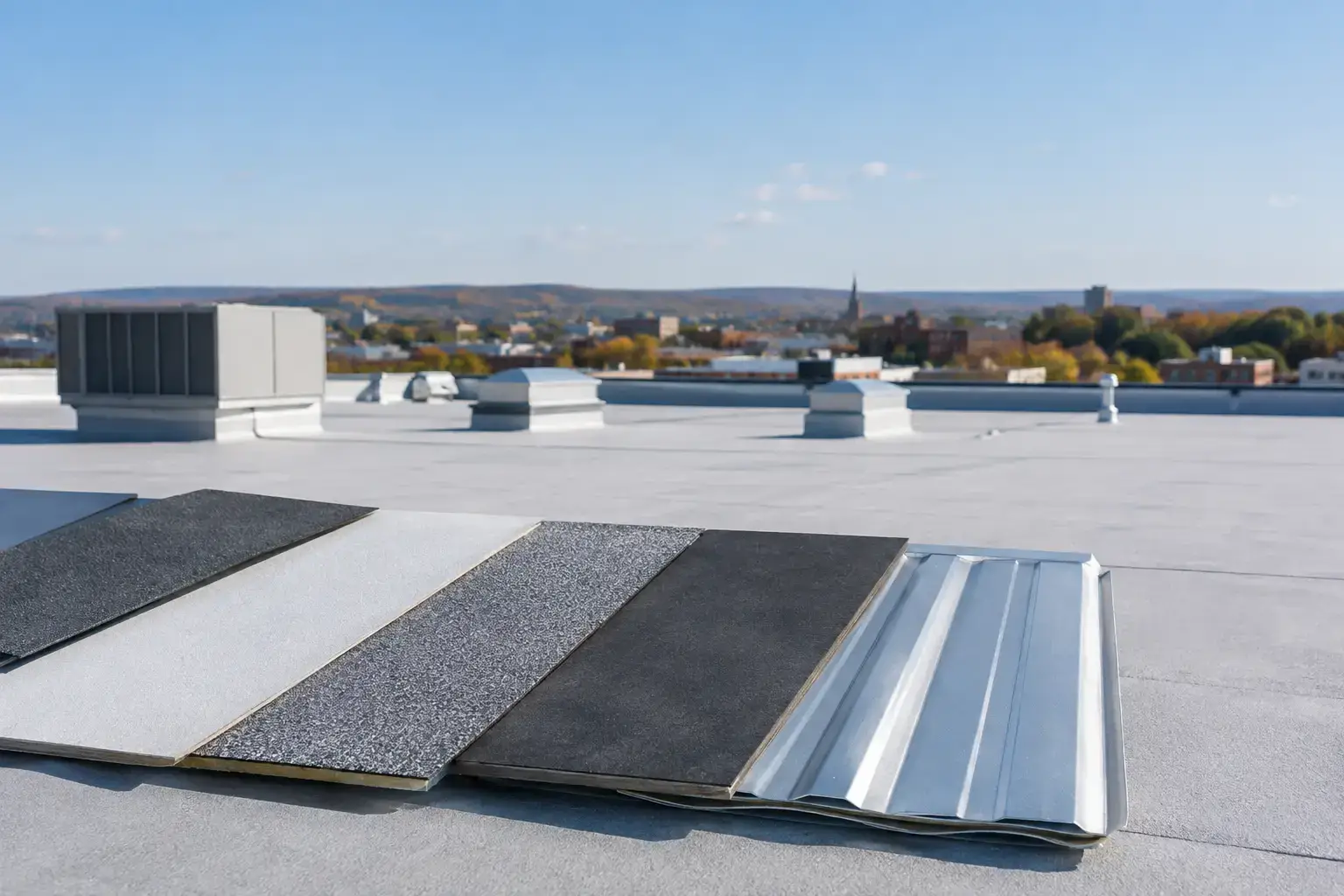
Coverage can also vary by material. A slate, cedar, metal, or specialty roofing system may require material-specific repair methods and skilled installation. Historic and higher-end homes may present matching concerns when original materials are no longer readily available. The policy, endorsements, and local building requirements will influence the final outcome.
What Roof Damage Is Usually Covered?
Insurance is generally designed for unexpected losses, not routine ownership costs. A claim may be appropriate when there is clear evidence that a covered event caused the damage.
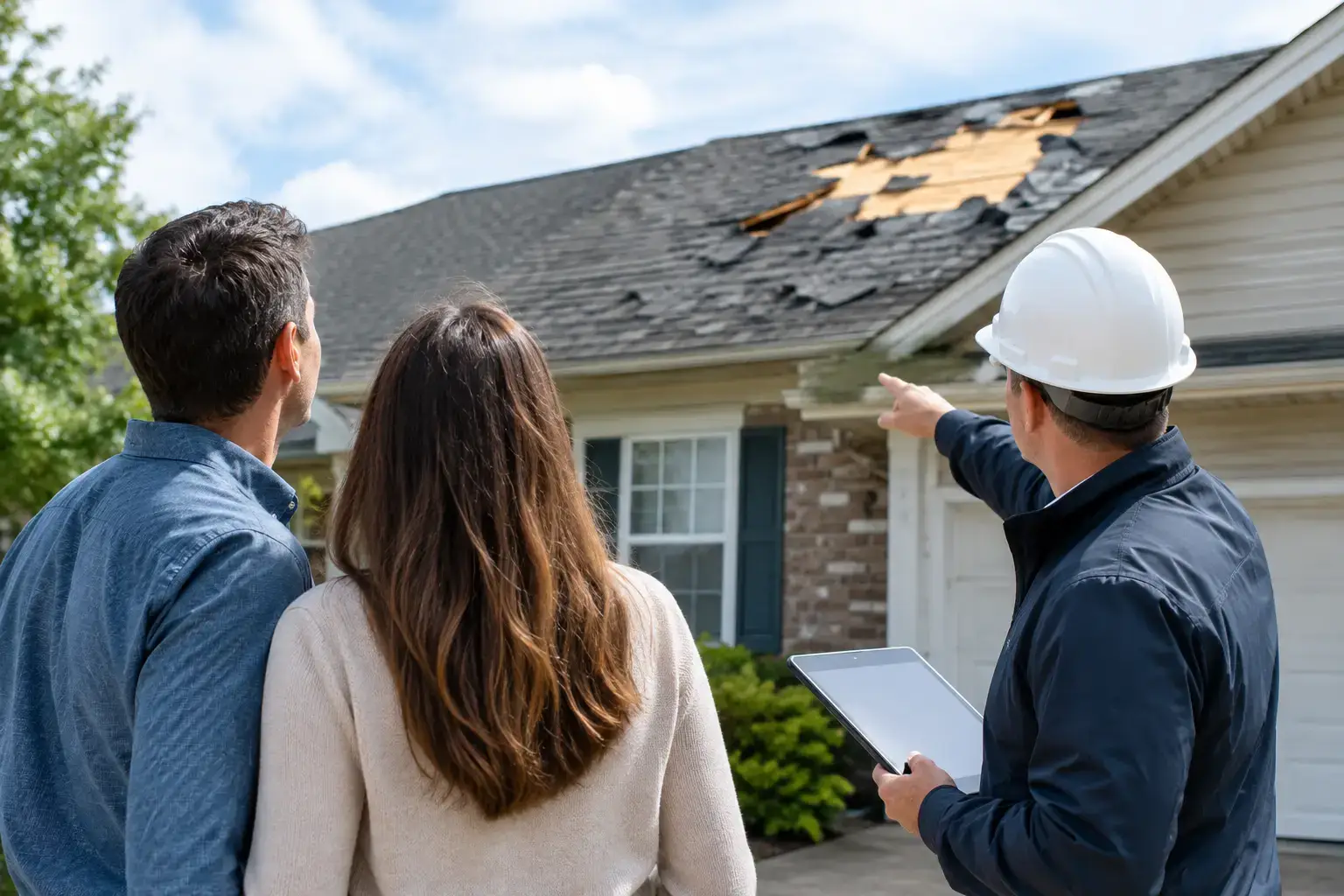
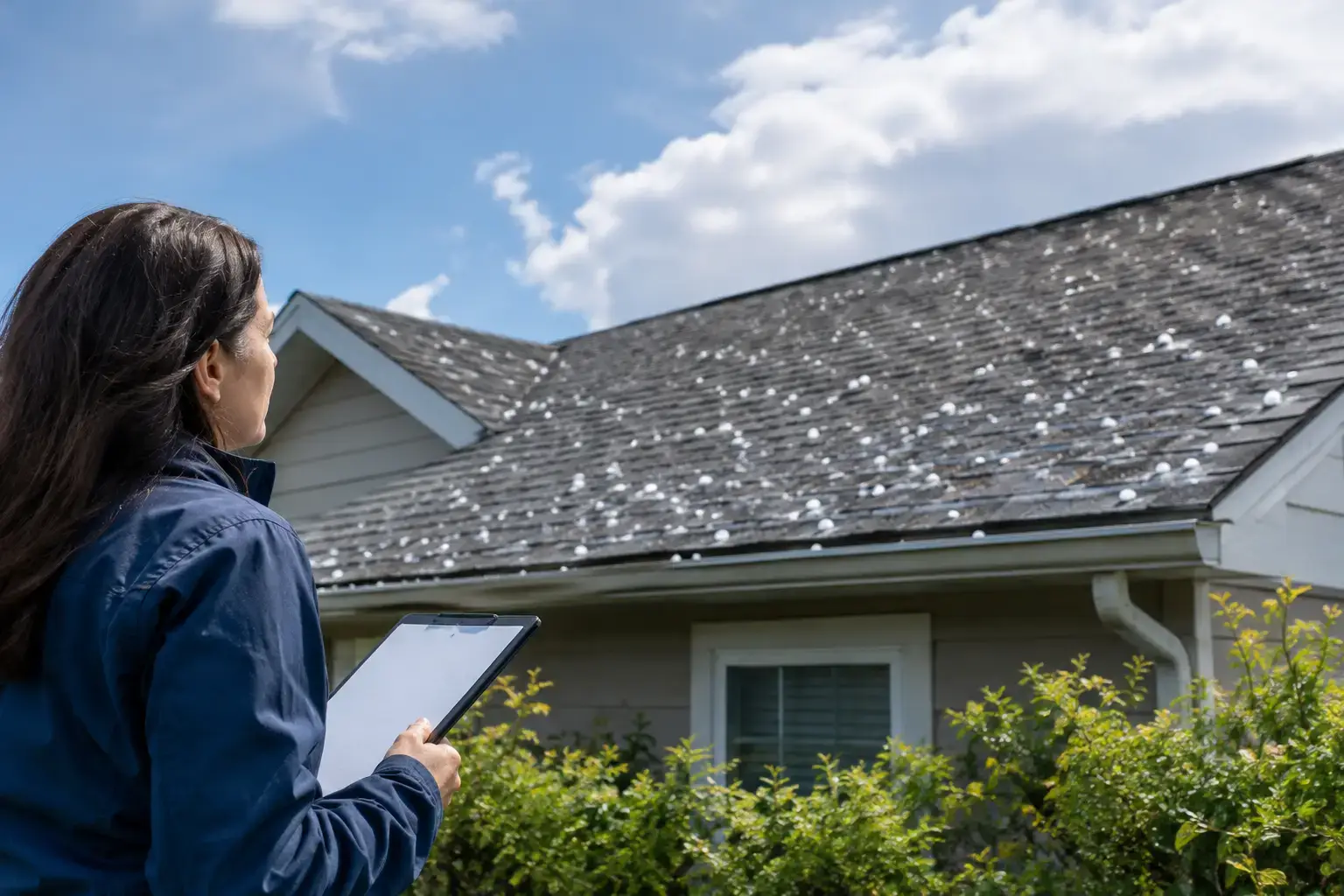
Common examples include wind damage that creases, tears, or removes shingles; hail impact that compromises shingles or metal components; a falling tree or limb that punctures the roof; fire damage; and damage from the weight of snow or ice. In some cases, water damage inside the home may also be covered if it resulted from a covered event damaging the roof.
A leak alone does not establish coverage. For example, water entering through shingles blown off during a storm is different from water entering through a long-standing flashing failure. Both need prompt repair, but insurance may treat them very differently.
What Is Usually Not Covered?
Homeowners insurance typically does not pay to replace a roof that has simply reached the end of its service life. Normal wear, aging, deterioration, neglect, poor maintenance, and pre-existing damage are common exclusions or limitations. If an inspection finds brittle shingles, worn sealant, deteriorated flashing, or a recurring leak that was never addressed, the insurer may determine that maintenance rather than a sudden covered event caused the problem.
Mold, rot, and interior water damage can also become more difficult to claim when the underlying issue developed gradually. That is why a small ceiling stain or loose shingle deserves attention before the next heavy rain.
Ice dams are another situation where details matter. A policy may address certain resulting damage, but coverage can depend on the policy language and the specific cause. Ice dams are often tied to insulation, ventilation, heat loss, roof design, and weather conditions. A roofing inspection can identify the roof-side concerns, while an insurance professional can explain the policy’s specific terms.
Flood damage is generally not covered by a standard homeowners policy. If water enters because of rising water, storm surge, or flooding, separate flood coverage may be necessary. Coastal property owners should review this distinction before severe weather arrives.
Replacement Cost vs. Actual Cash Value
The way a policy values the roof can significantly affect a claim payment. Replacement cost value coverage is intended to pay the cost to repair or replace covered damage with similar materials, subject to the policy limits, deductible, and conditions. Some policies initially pay a depreciated amount and release the remaining eligible funds after completed work is documented.
Actual cash value coverage subtracts depreciation for age and condition. On an older roof, that difference can be substantial. Some insurers also apply roof-specific payment schedules, higher wind deductibles, or coverage limitations once a roof reaches a certain age.
Before filing a claim, review your declarations page and ask your insurer or agent direct questions: Is the roof covered at replacement cost or actual cash value? Is there a separate wind or hurricane deductible? Are there special conditions for older roofs? Does the policy include ordinance or law coverage if current codes require additional work during replacement?
These answers help you make a sound financial decision. A claim that is only slightly higher than the deductible may not be worthwhile, while significant storm damage should be addressed without delay.
What to Do After Roof Damage
Safety comes first. Stay off a damaged roof, especially after high winds, snow, or a tree impact. Loose materials, hidden structural damage, and wet surfaces create serious risks.
Take clear photos and video from the ground, including missing shingles, fallen limbs, damaged gutters, interior staining, and any personal property affected by water. Note the date of the storm and save weather alerts or other relevant records. Do not discard damaged materials unless your insurer tells you to do so, but do take reasonable steps to prevent further damage.
Temporary protection is usually necessary and expected. Emergency tarping or other measures can limit additional water intrusion while the claim is being reviewed. Keep receipts for reasonable emergency work and request written documentation of what was done.
Next, arrange a professional roof inspection. A contractor can identify storm-related damage that may not be visible from the ground, distinguish recent impact from older wear, and provide a detailed repair or replacement estimate. The inspection should identify affected components such as shingles, underlayment, flashing, vents, ridge caps, gutters, decking, and interior areas where relevant.
Then contact your insurance carrier to report the loss. Be accurate about what you observed, but avoid guessing about the cause or scope before the roof has been evaluated. The insurer may schedule an adjuster inspection. You have the right to be present, and it is often helpful for your roofing contractor to be available to discuss observed conditions and the proposed scope of repair.
Why Documentation and Local Roofing Expertise Matter
A roof claim is not just about visible shingles. Water travels, wind damage can be subtle, and a repair must preserve the roof’s ability to shed water through every season. In Fairfield County, roofs also need to stand up to winter freeze-thaw cycles, heavy rain, wind exposure, and, for many properties, salt air and coastal weather.
A thorough inspection provides a record of the roof’s condition and helps separate storm damage from maintenance issues. It also gives homeowners a practical repair plan if the insurer denies or limits coverage. Not every roofing problem should become an insurance claim, but every active leak, storm impact, or suspected wind event should receive timely professional attention.
Protect Your Roof Before the Next Claim Question
The strongest insurance position starts before a storm. Keep records of past roof repairs and replacements, schedule periodic inspections, clear loose branches that could strike the roof, and address damaged flashing, missing shingles, and blocked drainage promptly. Maintenance cannot prevent every storm loss, but it reduces the chance that an insurer will find that a preventable condition worsened the damage.
If your roof has been through a recent storm or you have noticed a leak, missing shingles, or debris impact, a professional inspection can provide the clarity you need. Rick’s Main Roofing helps property owners identify urgent risks, protect their homes from further damage, and understand the practical repair or replacement options available.