

Salt air changes the equation. A roof that performs well inland can wear differently along the Connecticut shoreline, where wind exposure, moisture, and storm-driven rain put more stress on every component. If you are looking for a coastal roofing contractor Connecticut property owners can rely on, the right choice comes down to more than basic installation. It takes local knowledge, material expertise, and a contractor who understands how coastal conditions affect long-term performance.
For homes and commercial buildings near the water, roofing decisions have higher stakes. A small flashing problem can become an interior leak faster in a wind-driven storm. Ventilation issues can compound moisture problems. Metal components may corrode sooner if the wrong product is used or if maintenance is ignored. Coastal roofing is not a separate trade, but it does require a more disciplined approach to installation, repair, and ongoing care.
What a coastal roofing contractor in Connecticut should understand
A contractor working on shoreline properties should know how Connecticut weather behaves across seasons, not just after major storms. Winter can bring ice dams, attic condensation, and freeze-thaw stress. Spring and summer add humidity, salt exposure, and heavy rain. Hurricane season raises the risk of lifted shingles, flashing failure, and water intrusion around roof penetrations.
That means the contractor should evaluate the whole roof system, not just the visible surface. Underlayment, ventilation, edge details, fastener selection, flashing, drainage, and material compatibility all matter. On many coastal properties, the biggest issue is not one dramatic failure. It is gradual deterioration caused by repeated exposure to wind, moisture, and salt over time.
Experience with different building types matters too. A simple asphalt shingle roof on a single-family home has different needs than a slate roof on a historic property or a low-slope membrane system on a commercial building. The best contractor for a shoreline property should be comfortable working across systems and explaining the trade-offs clearly.
Why coastal roofs in Connecticut fail differently
Not every roof near the coast is failing for the same reason. Some problems start with weather exposure, but many come from installation details that were never right to begin with. When strong winds hit, weak attachment points and poorly installed flashing are often exposed first. Water does not need a large opening to create expensive damage.
Salt air is another factor that gets overlooked. It does not destroy a roof overnight, but it can accelerate corrosion in metal components, especially around flashing, fasteners, vents, and roof edges. If those elements break down before the main roofing material does, the roof system can start leaking long before the property owner expected replacement.
Ventilation is also a major issue in Connecticut. In coastal environments, trapped heat and moisture in the attic or roof assembly can shorten shingle life, contribute to mold risk, and increase the likelihood of winter ice dams. A roof replacement that ignores ventilation may look good on day one and still underperform within a few seasons.
Material choices for coastal properties
The right roof is not just about appearance. It is about how the material performs in local conditions, how it fits the building, and how much maintenance the owner is prepared to handle.
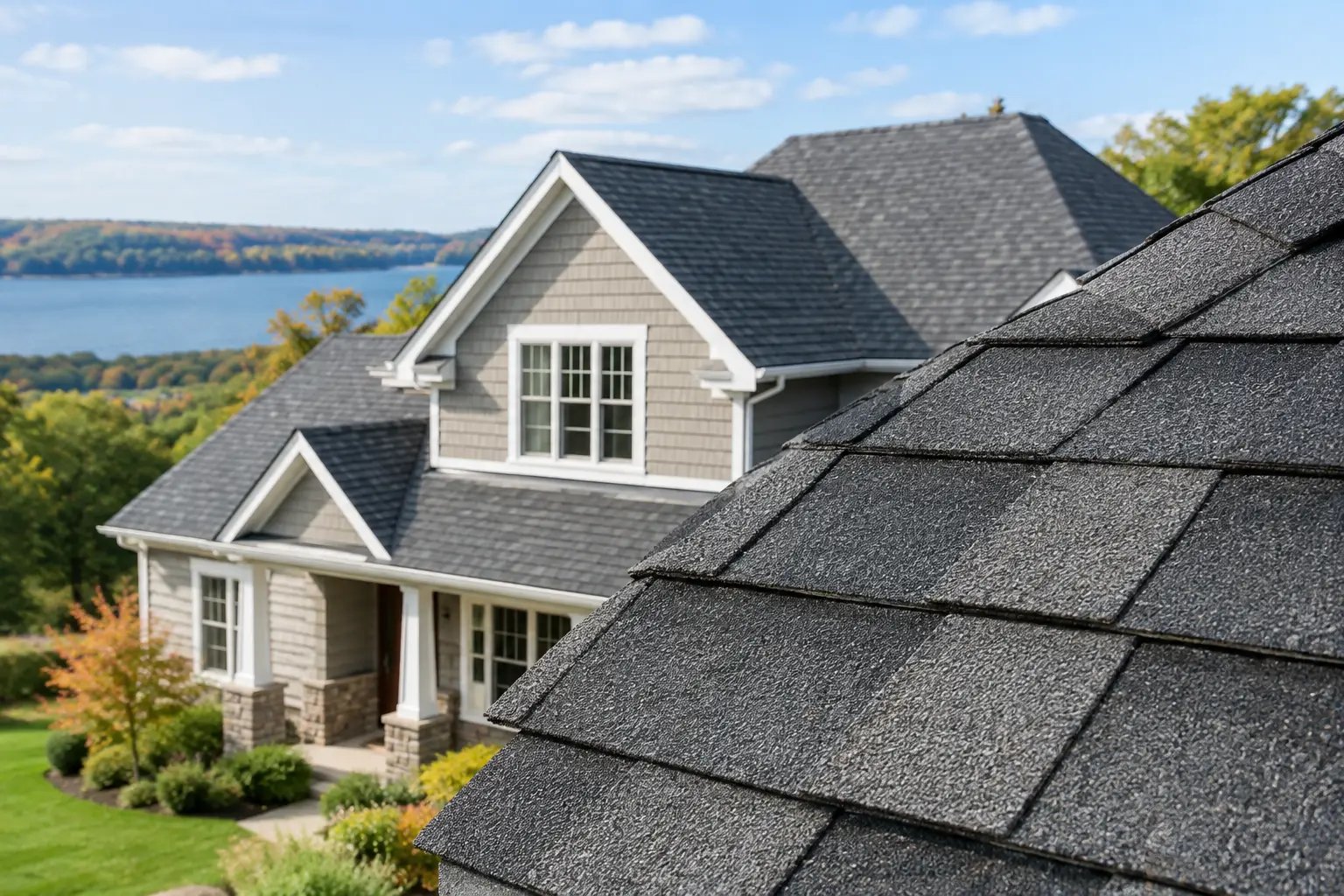
Asphalt shingles remain a practical choice for many Connecticut homes because they are cost-effective, widely available, and suitable for many architectural styles. The key is product quality and installation quality. Not every shingle system is equally suited for higher wind exposure, and the surrounding components matter just as much as the shingles themselves.
Cedar offers strong curb appeal and can be a good fit for certain high-end or traditional homes, but it requires more attention. In a coastal environment, moisture management becomes especially important. Owners should go into that decision understanding the maintenance expectations.
Slate is durable and well-suited to many historic and premium properties, but repair and replacement work must be handled by a contractor with genuine slate experience. The material is long-lasting, but only when the underlayment, flashing, and detailing are treated with the same level of care.
Metal roofing can be an excellent option for some coastal buildings because of its longevity and wind performance. Still, the exact system matters. Panel type, finish quality, attachment method, and compatibility with the surrounding environment all affect results. A poorly chosen metal roof near the shoreline can create problems that a properly specified system would avoid.
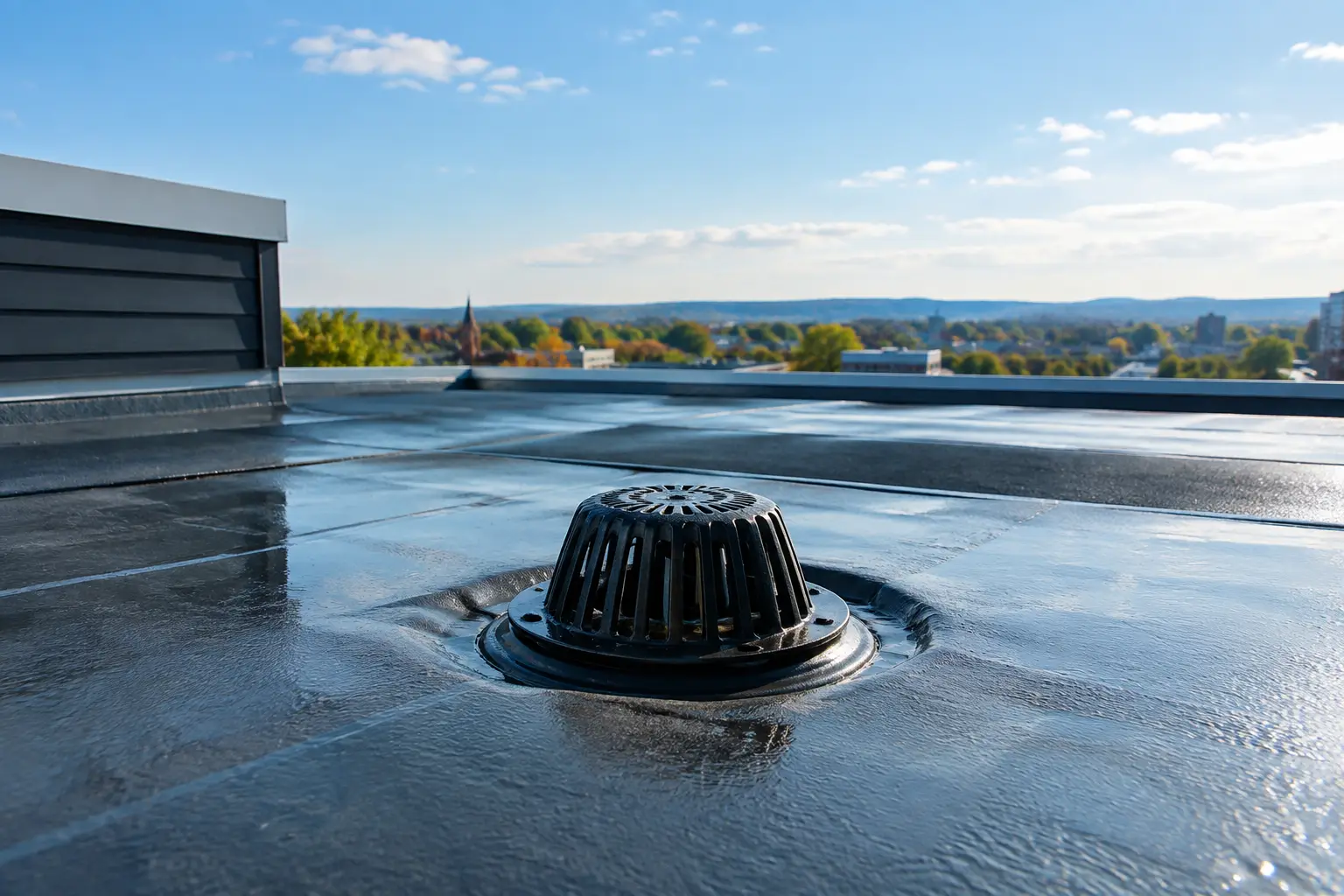
For commercial buildings and some residential low-slope applications, rubber and other membrane systems are often the right fit. These roofs depend heavily on seam quality, drainage design, and regular inspection. Coastal conditions can expose weak spots quickly, particularly after severe weather.
Repair or replacement – what makes sense?
One of the most common questions property owners ask is whether a roof can be repaired or if it is time to replace it. The honest answer is that it depends on the age of the roof, the type of damage, the number of problem areas, and the condition of the underlying system.
A targeted repair may be the right decision if the damage is localized, the roof still has useful life left, and the surrounding materials remain sound. This is often the case after isolated storm damage or a leak traced to flashing, a vent, or a specific section of roofing.
Replacement becomes more cost-effective when issues are widespread, when leaks are recurring, or when the roof is already near the end of its service life. On coastal properties, repeated repairs on an aging roof can become an expensive cycle. Sometimes the better investment is a full replacement that addresses ventilation, underlayment, drainage, and weather resistance at the same time.
A dependable contractor should not force one answer. The right recommendation should come from inspection findings, not sales pressure.
What to look for in a coastal roofing contractor Connecticut property owners can trust
Credentials matter, but they should be paired with real local experience. Manufacturer certifications can signal a higher level of training and accountability, especially for both residential and commercial systems. That said, certifications alone do not tell you whether a contractor understands shoreline exposure, historic homes, or the urgency of emergency leak response.
You want a roofing company that can inspect thoroughly, explain clearly, and handle the full lifecycle of the roof. That includes repairs, replacement, maintenance, and emergency service. A property owner should not have to start over with a new contractor every time conditions change.
It also helps to work with a company that knows Fairfield County conditions specifically. Roofing in Connecticut is local work. Wind patterns, winter weather, permitting realities, building styles, and common problem areas vary from town to town and property to property.
For that reason, many homeowners and building owners prefer a contractor with broad expertise across asphalt, cedar, slate, metal, and flat roofing systems. Rick’s Main Roofing is one example of a local contractor known for that kind of range, along with the certifications and service responsiveness that matter when decisions carry real cost.
Inspections and maintenance are not optional near the shoreline
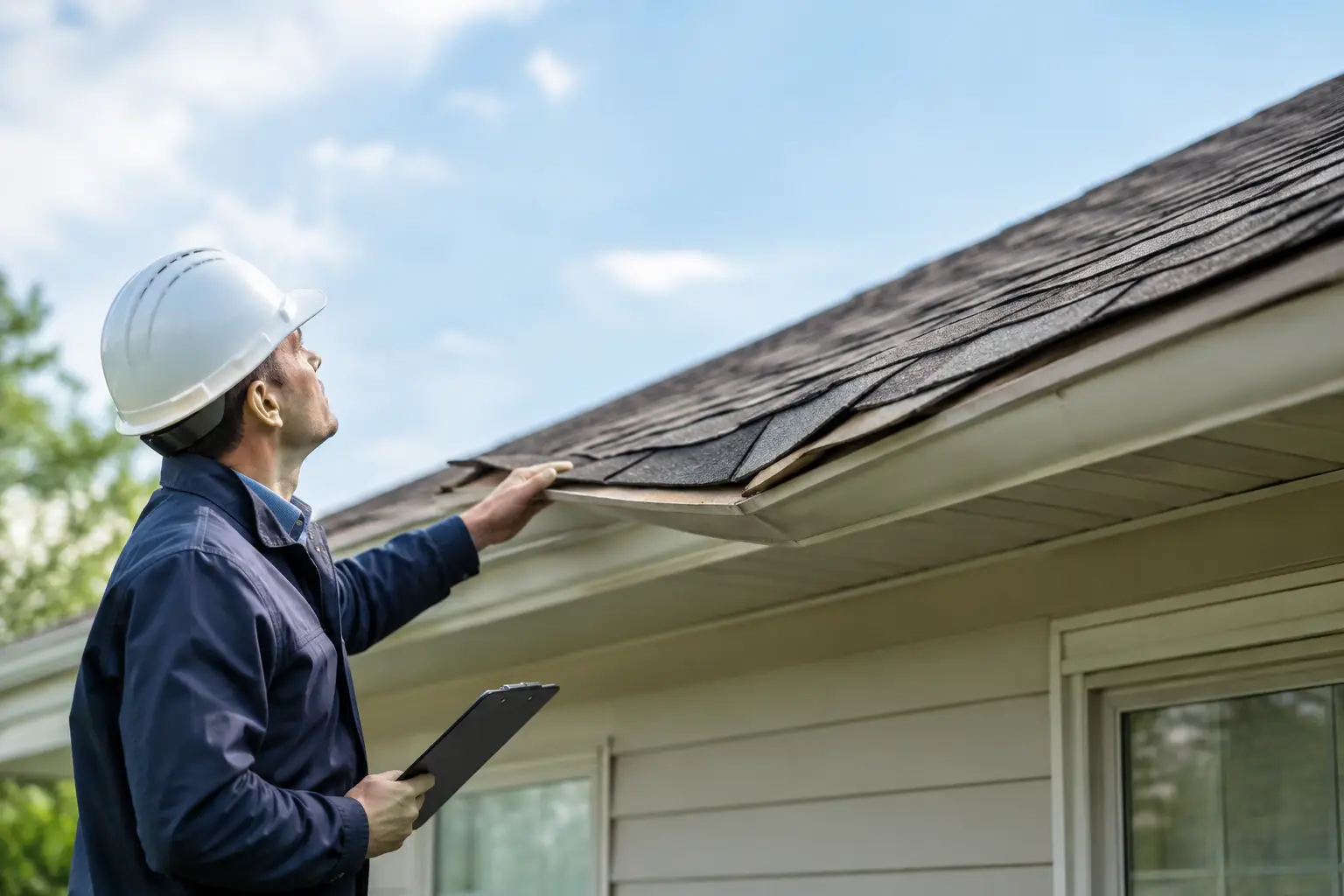
Many expensive roofing problems start as minor defects that went unnoticed. A cracked pipe boot, loosened flashing, small puncture, or blocked drainage area may not seem urgent until the next storm pushes water into the building envelope.
For coastal properties, regular inspections are one of the smartest ways to control long-term costs. This is especially true after major wind events, heavy snow, or prolonged rain. Inspections help identify wear before interior damage, insulation issues, mold growth, or structural repairs enter the picture.
Maintenance is equally important. Roof debris should be cleared, drainage paths kept open, sealants checked, and suspect areas reviewed before they turn into active leaks. For commercial properties, maintenance planning can also help reduce disruption by addressing roofing work before it affects operations.
Emergency response matters more on coastal properties
When a roof leak starts during a coastal storm, waiting is rarely a good strategy. Water intrusion can spread quickly through insulation, ceilings, wall systems, and electrical areas. Fast response helps limit damage, but only if the contractor is equipped to stabilize the issue and follow through with a permanent solution.
That is why emergency roofing availability matters. Temporary protection, quick assessment, and a clear repair plan can make the difference between a manageable service call and a major restoration project. For property managers and business owners, that kind of responsiveness is often just as important as the roof installation itself.
Choosing the right contractor for a shoreline property is really about reducing risk. The right team understands how coastal Connecticut weather affects roofing systems, recommends materials with clear reasoning, and stands ready when conditions turn urgent. A roof near the water does not need guesswork. It needs experience, careful workmanship, and a contractor who treats the whole system like the protection it is.