

A cedar roof can handle a lot, but Connecticut weather has a way of exposing weak spots fast. Between freeze-thaw cycles, coastal moisture, wind-driven rain, and winter ice, cedar roof repair Connecticut property owners put off for too long often turns into a much larger problem.
Cedar is one of the most attractive roofing materials available, and on the right home or building, it adds character that asphalt simply cannot match. It is also a specialized system. Repairs need to protect the appearance of the roof, preserve the performance of the cedar, and address the underlying issue that caused the damage in the first place.
Why cedar roofs fail differently
Cedar does not age the same way as asphalt shingles or metal panels. It expands and contracts with moisture changes, it can split along the grain, and it depends heavily on proper ventilation and drainage to stay stable over time. A repair that works on a standard shingle roof may not be the right approach for cedar.
In Connecticut, the biggest issues usually come from a combination of weather exposure and deferred maintenance. A few cracked shakes after a storm may seem minor. The real concern is what happens underneath. Once water begins reaching the underlayment or decking, the cost and scope of repair can change quickly.
That is why cedar roof problems should be evaluated by a roofing contractor who understands the material. Matching the size, thickness, exposure, and fastening method matters. So does understanding whether the damaged area is isolated or part of a larger pattern of wear.
Common signs you need cedar roof repair in Connecticut
Some warning signs are obvious, like active leaks or shakes blown off after high winds. Others are more subtle and easy to miss from the ground.
A cedar roof may need repair if you notice split or curled shakes, dark staining, moss or algae growth, soft spots, loose ridge caps, or debris collecting in valleys where water should be flowing freely. Inside the property, water marks on ceilings, damp insulation, or a musty smell in the attic can point to roof trouble before you ever see exterior damage.
On older cedar roofs, uneven weathering is another red flag. One slope may still look serviceable while another has become brittle from harsher sun or wind exposure. That does not always mean a full replacement is necessary, but it does mean the roof should be inspected carefully.
For homes near the coast, salt air and wind exposure can accelerate wear. For inland properties, heavy tree cover often creates a different issue – trapped moisture, falling limbs, and shaded roof sections that stay wet longer than they should. Each condition affects cedar differently, which is why local experience matters.
What a proper cedar roof repair should address
Good repair work is not just about replacing a few damaged shakes. The goal is to restore the roof system so it sheds water correctly and continues aging as evenly as possible.
That starts with identifying the source of the problem. If the issue came from storm impact, the repair may be straightforward. If the issue came from poor ventilation, flashing failure, ice damming, or long-term moisture retention, those conditions need to be corrected too. Otherwise, the same section can fail again.
A professional cedar repair may involve replacing broken or missing shakes, securing loosened sections, repairing flashing around chimneys or valleys, correcting ventilation problems, and checking for deck or underlayment damage beneath the visible surface. On historic or high-end homes, appearance is part of the repair strategy as well. The new cedar should blend as naturally as possible with the existing roof.
Repair or replace? It depends on the roof’s condition
This is one of the most common questions Connecticut property owners ask, and the honest answer is that it depends on how widespread the damage is.
If the roof has localized storm damage, isolated cracking, or limited flashing issues, repair is often the smarter and more cost-effective choice. A targeted repair can extend the service life of the roof and avoid premature replacement.
If the cedar is brittle across multiple slopes, if leaks are recurring in different areas, or if the roof structure underneath has been compromised by moisture, replacement may be the more responsible investment. At that stage, repeated patching can cost more over time without giving you dependable protection.
Age matters, but age alone does not decide it. Some cedar roofs are maintained well and perform longer than expected. Others decline early because of poor ventilation, installation errors, or exposure conditions. A thorough inspection tells a much clearer story than a simple estimate based on years.
Connecticut weather makes timing critical
With cedar, waiting usually makes repairs more expensive. A split shake in dry summer weather is one thing. The same opening during a winter freeze or a heavy coastal storm is another.
Connecticut roofs deal with snow loads, ice dams, wind gusts, and sharp seasonal swings. Water can enter a small gap, freeze, expand, and open the damage further. Once that cycle starts, what began as a limited repair can spread into surrounding cedar, flashing, and roof decking.
That is why prompt service matters, especially after storms. Emergency tarping or temporary protection may be needed to prevent interior damage while a permanent repair plan is put in place. For homeowners and property managers, fast action can also help document storm-related conditions before they worsen.
Cedar roof repair Connecticut owners should expect from a qualified contractor
Not every roofing company handles cedar with the same level of experience. This is not a material where shortcut repairs hold up well. The contractor should understand how cedar roofs are installed, how they ventilate, and how to repair them without causing collateral damage to surrounding shakes.
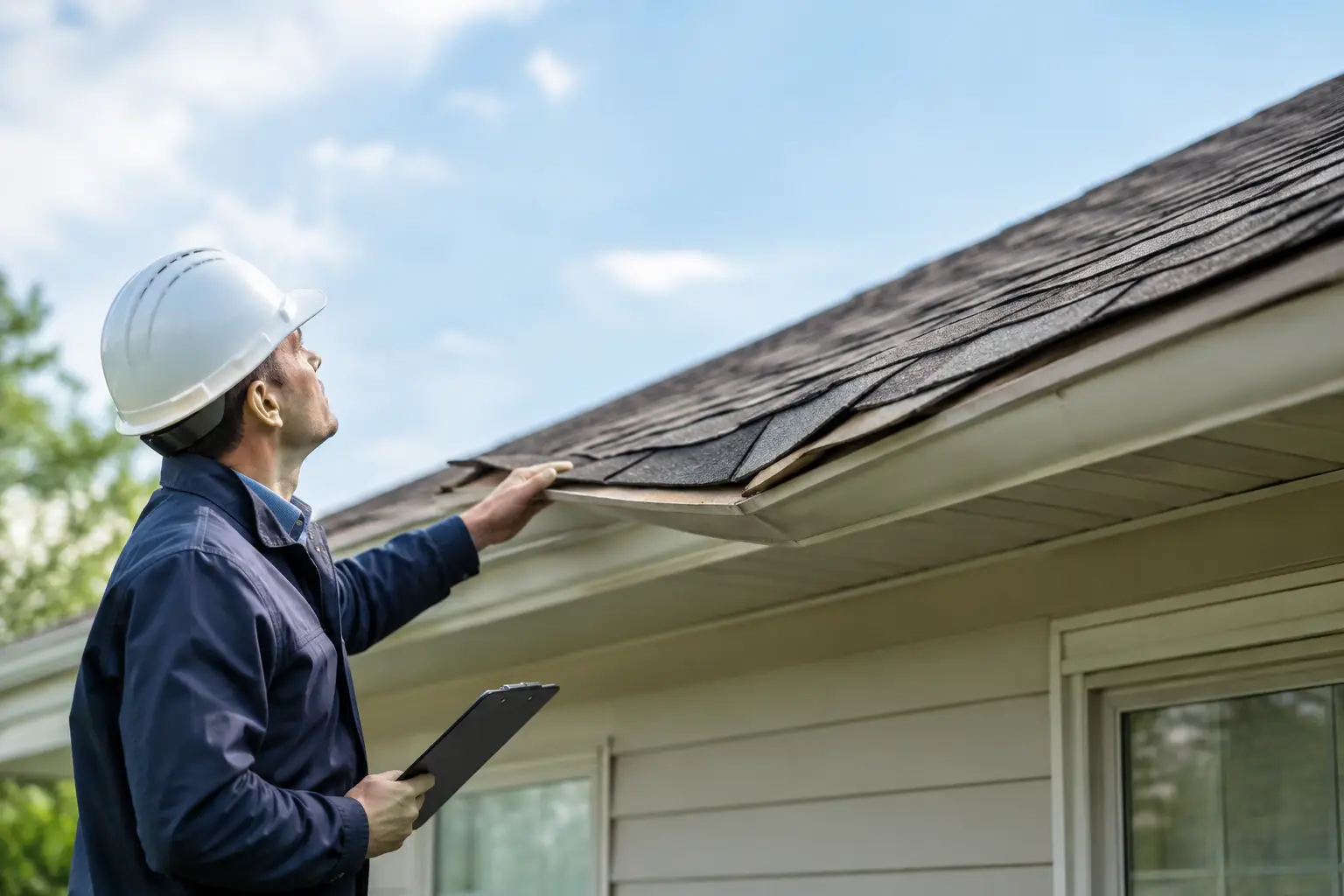
A qualified repair process should begin with a close inspection, not a guess from the driveway. The roofer should look at the damaged section, assess adjoining areas, evaluate flashing and ventilation, and determine whether moisture has reached the layers below. You should also get a clear explanation of whether the issue is isolated or likely connected to broader roof aging.
For Connecticut properties, local knowledge adds real value. Ice dams, wind-driven rain, and coastal exposure are not abstract concerns here. They affect how roofs fail and how they should be repaired. A contractor with experience in Fairfield County and nearby communities is more likely to spot the conditions that out-of-area companies miss.
Rick’s Main Roofing works on cedar, slate, asphalt, rubber, and metal systems across Norwalk and surrounding Connecticut communities, which matters when a roof has transition details, custom flashing, or complex design features that require broader system knowledge.
Maintenance after repair matters
A cedar roof does not need constant attention, but it does benefit from regular inspection and upkeep. Once a repair is completed, the next step is making sure the roof has a chance to perform well for years, not just through the next storm.
That usually means keeping gutters clear, trimming back overhanging branches, watching for moss growth, and scheduling roof inspections after severe weather. It also means paying attention to attic ventilation and moisture levels inside the building. Many cedar issues begin below the surface, where heat and humidity create conditions that shorten the roof’s lifespan.
For commercial properties and larger homes, maintenance planning is especially useful. A small issue found early is easier to manage than interior water damage, tenant complaints, or emergency service during a storm.
When to schedule an inspection
If you can see visible damage, the right time is now. The same goes for any active leak, staining on ceilings, or signs that part of the roof is aging faster than the rest.
Even without obvious damage, cedar roofs should be inspected after major wind events, hail, falling tree limbs, or harsh winters with repeated ice buildup. Property owners of older cedar roofs should also consider periodic inspections as a preventative step. You do not need to wait for water to appear inside to find out the roof needs attention.
The right repair at the right time can preserve the life of a cedar roof, protect the structure below it, and help you avoid the higher cost of delayed action. If your roof is showing signs of wear, movement, or moisture trouble, getting an experienced Connecticut roofer to inspect it is the most practical next step.