

A Connecticut roof can look perfectly sound in October and reveal its weaknesses after the first cycle of snow, thaw, refreeze, and wind-driven rain. Choosing the best roofing materials for snow is not only about whether a surface can hold weight. It is about controlling meltwater, resisting ice dams, protecting vulnerable flashing, and matching the roofing system to the building beneath it.
For homes and commercial properties in Norwalk, Fairfield County, and nearby coastal communities, material selection should account for winter weather and year-round exposure. A roof that sheds snow quickly may need snow-retention accessories. A roof with a long service life may require a stronger structure and specialized installation. The right answer depends on roof pitch, framing, insulation, ventilation, architectural style, budget, and the quality of the installation.
What Snow Actually Demands From a Roof
Snow itself is not always the main problem. Light, dry snow may add relatively little weight, while wet snow can become extremely heavy. Then there is the freeze-thaw cycle. Heat escaping from the home can melt snow near the upper roof, sending water down to a colder eave where it refreezes. That ridge of ice can trap water behind it and force moisture beneath shingles, flashing, or underlayment.
A snow-ready roofing system needs several layers of protection. The roof deck and framing must be sound. The underlayment and ice-and-water barrier must protect the most vulnerable areas. Flashing around chimneys, skylights, walls, and valleys must be correctly detailed. Attic insulation and ventilation should limit uneven roof temperatures that contribute to ice dams.
Material matters, but it cannot compensate for poor installation or unresolved ventilation issues. This is why a professional inspection before replacement is valuable, particularly for older homes, historic properties, and buildings that have experienced recurring winter leaks.
Best Roofing Materials for Snow: The Leading Choices
Metal Roofing
Standing seam metal is often one of the strongest choices for snowy climates. Its smooth surface helps snow slide off more readily than textured roofing materials, which can reduce prolonged snow accumulation. Metal panels are also highly resistant to wind, moisture, and freeze-thaw movement when installed with the proper clips, seams, underlayment, and flashing details.
For Connecticut homeowners, the key consideration is snow release. Snow can slide off a metal roof in large sheets, creating a hazard over entrances, walkways, decks, vehicles, or lower roof sections. Snow guards are often necessary to break up and control that movement. They should be engineered and installed for the roof system rather than added as an afterthought.
Metal roofing usually has a higher upfront cost than asphalt shingles, but its long service life and low maintenance needs can make it an excellent long-term investment. It is especially well suited to homes exposed to coastal wind, properties with steep roof slopes, and owners who want a clean architectural look with strong winter performance.
Slate Roofing
Natural slate has a long record of performance in cold, wet climates. It is dense, noncombustible, exceptionally durable, and naturally resistant to moisture. Properly installed slate can last for generations, making it a strong option for premium and historic properties throughout Fairfield County.
Slate’s weight is its major trade-off. The roof framing must be evaluated to confirm it can support the system, particularly where snow loads are already a concern. Slate also requires a contractor with specific experience in slate installation and repair. Individual pieces can crack from impact, and improper walking or repairs can damage the roof.
When the structure and budget support it, slate delivers outstanding resistance to winter weather while preserving the character of traditional and historic homes. It is not the lowest-cost choice, but it is among the most enduring.
Architectural Asphalt Shingles
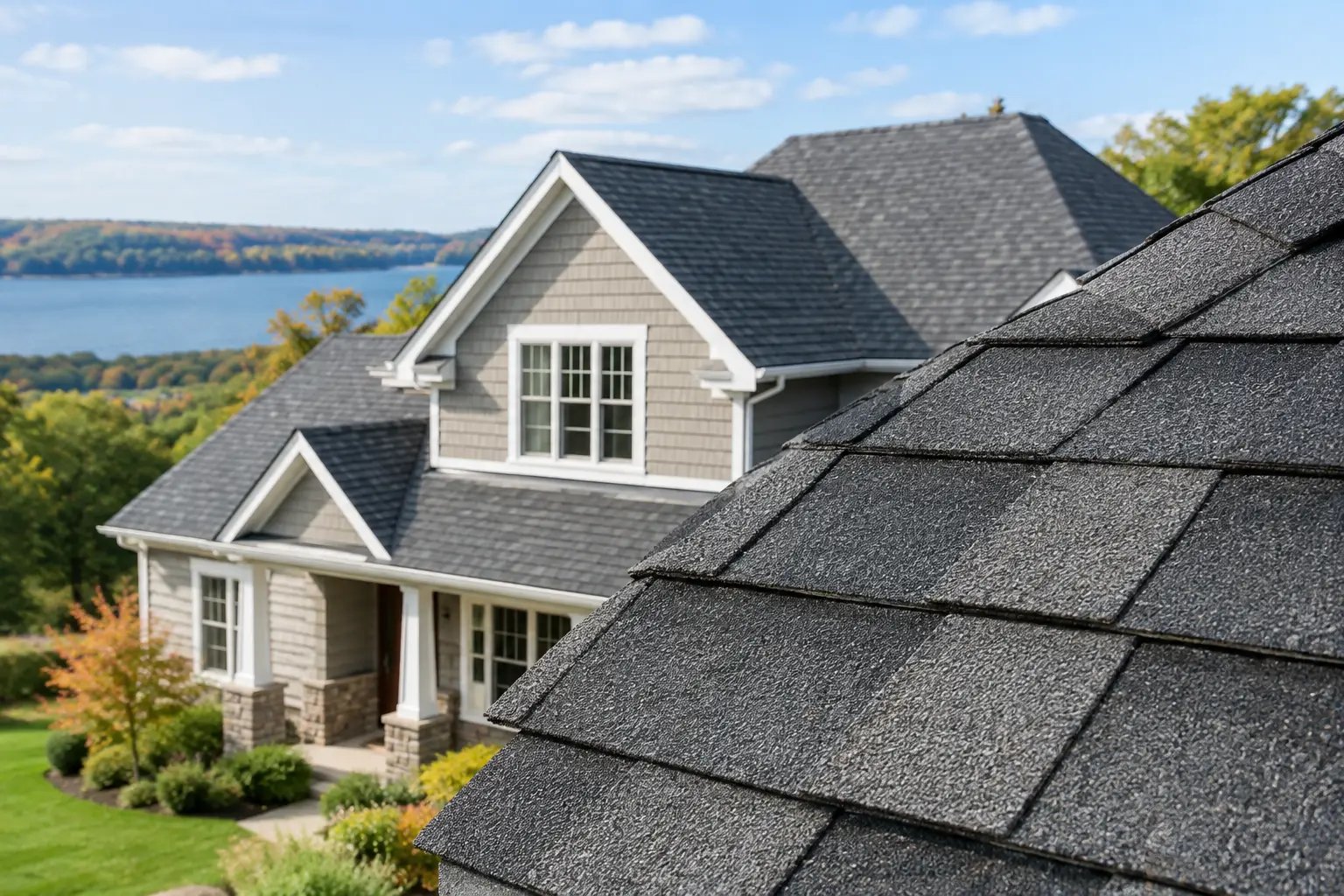
Architectural asphalt shingles remain the most practical choice for many Connecticut homes. They offer dependable protection at a more accessible price point, come in a broad range of colors and profiles, and can perform well through snow and ice when the complete roofing system is installed correctly.
Unlike metal, asphalt shingles have a textured surface that tends to hold snow in place longer. That can be useful where uncontrolled snow shedding would create safety concerns. However, longer snow retention also makes proper attic ventilation, ice-and-water protection, and flashing details more important.
Not all shingles offer the same performance. Higher-quality architectural shingles generally provide better dimensional strength, wind resistance, and manufacturer-backed system options than basic three-tab products. For many residential replacements, a premium architectural shingle combined with proper ventilation and ice-dam protection provides the best balance of cost, appearance, and winter reliability.
Cedar Shake and Shingle Roofing
Cedar brings natural warmth and distinct curb appeal that many coastal, traditional, and high-end homes require. It also performs well in cold temperatures because wood has natural insulating properties. A properly installed cedar roof can manage snow effectively, particularly on a roof with sufficient pitch and well-designed ventilation.
The trade-off is maintenance. Cedar must be installed to allow drainage and drying, and it should be inspected regularly for splitting, moss, algae, loose shakes, and flashing issues. In shaded areas where snow and moisture linger, neglected cedar can deteriorate faster than other materials.
Cedar is a good fit when appearance is a priority and the owner is prepared to maintain the roof. It is not the right choice for every budget or every low-slope roof, but it remains a respected option for the right property.
Synthetic Slate and Composite Roofing
Synthetic slate and composite roofing products can provide the appearance of slate or cedar with less weight and, in many cases, lower maintenance demands. Their lighter weight can make them suitable for homes that cannot support natural slate without structural upgrades. Many products also offer strong impact and wind ratings.
Performance varies widely by manufacturer and installation method, so material specifications should be reviewed carefully. A composite roof may be an excellent compromise for a homeowner who wants a premium appearance and snow-ready durability without the structural demands of real slate.
Materials That Need Extra Attention in Snow Country
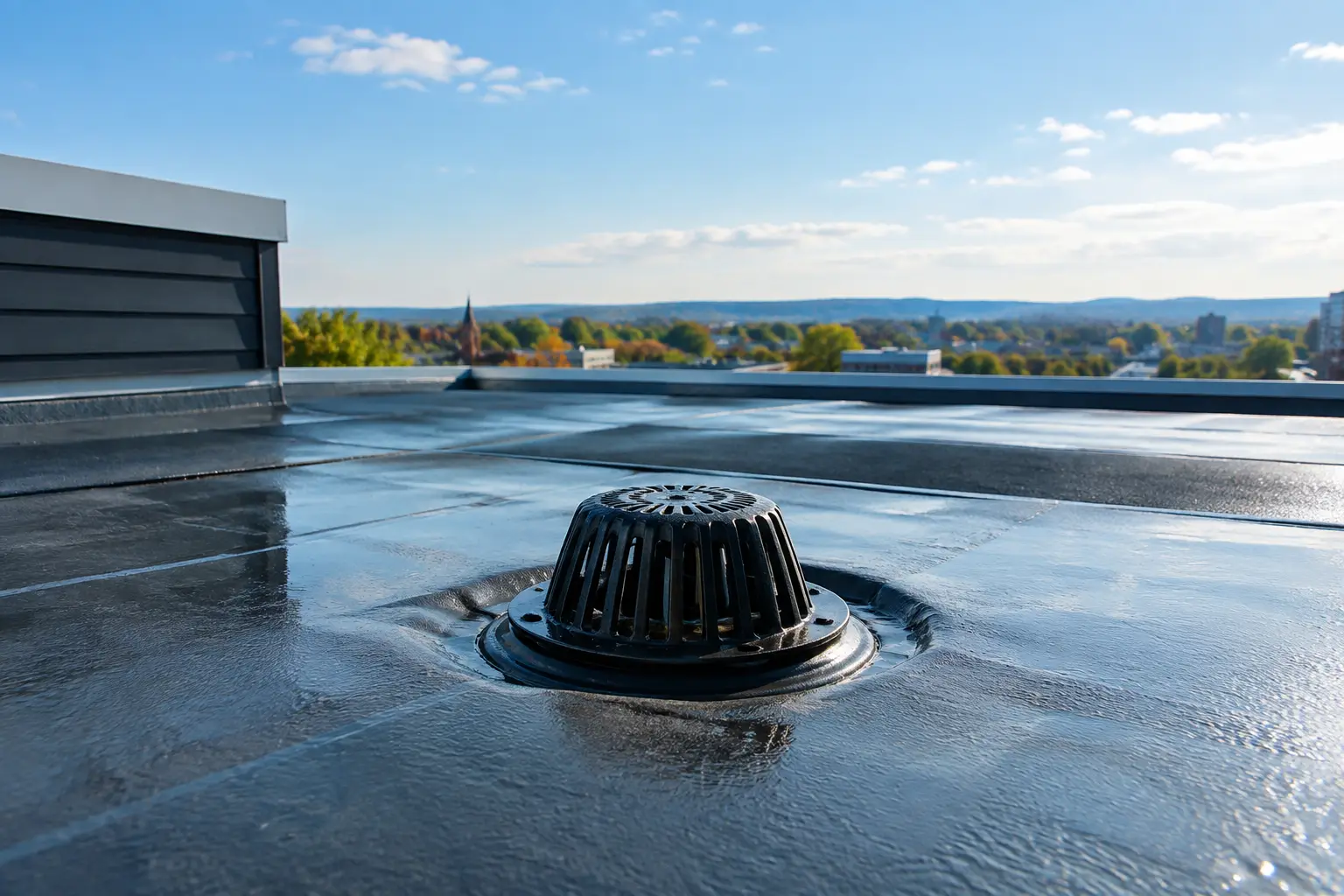
Low-slope and flat commercial roofs require a different approach. Rubber roofing systems, including EPDM, as well as other commercial membrane systems, can perform reliably in winter when drainage is properly designed and maintained. The critical issue is preventing standing water from remaining on the roof after snow melts.
Commercial property owners should keep drains, scuppers, gutters, and overflow paths clear before winter weather arrives. Ponding water, blocked drains, damaged seams, and compromised edge details can turn a snow event into an interior leak. Regular inspections are particularly important after heavy storms or repeated freeze-thaw conditions.
Wood framing, roof deck condition, and drainage capacity are as important as the membrane itself. If snow appears to be accumulating unusually deep or the roof deck visibly sags, the situation should be evaluated promptly rather than handled through improvised snow removal.
Installation Details Matter More Than Most Owners Expect
The best material can fail early if the roof system is incomplete. In snowy Connecticut conditions, the details that deserve attention include ice-and-water barrier along eaves and valleys, correctly installed flashing, protected penetrations, balanced attic ventilation, and gutters that can drain effectively.
Roof pitch also changes the conversation. A steep roof sheds snow more easily but may need snow guards, especially over high-traffic areas. A low-pitch roof holds snow longer and requires close attention to waterproofing and drainage. Valleys deserve special care because they concentrate runoff from multiple roof planes.
Avoid assuming that a roof leak during winter is simply a shingle problem. Ice dams often point to heat loss, insufficient insulation, blocked soffit vents, inadequate ridge ventilation, or a combination of issues. Replacing shingles without addressing the cause can leave the property exposed to the same problem next winter.
Choosing the Right Roof for Your Property
A homeowner replacing a standard pitched roof may find that architectural asphalt shingles deliver the most sensible value. An owner of a historic residence may need slate or a carefully selected synthetic alternative. A coastal home with strong wind exposure may benefit from standing seam metal, while a commercial facility may need a membrane system with improved drainage and a proactive maintenance plan.
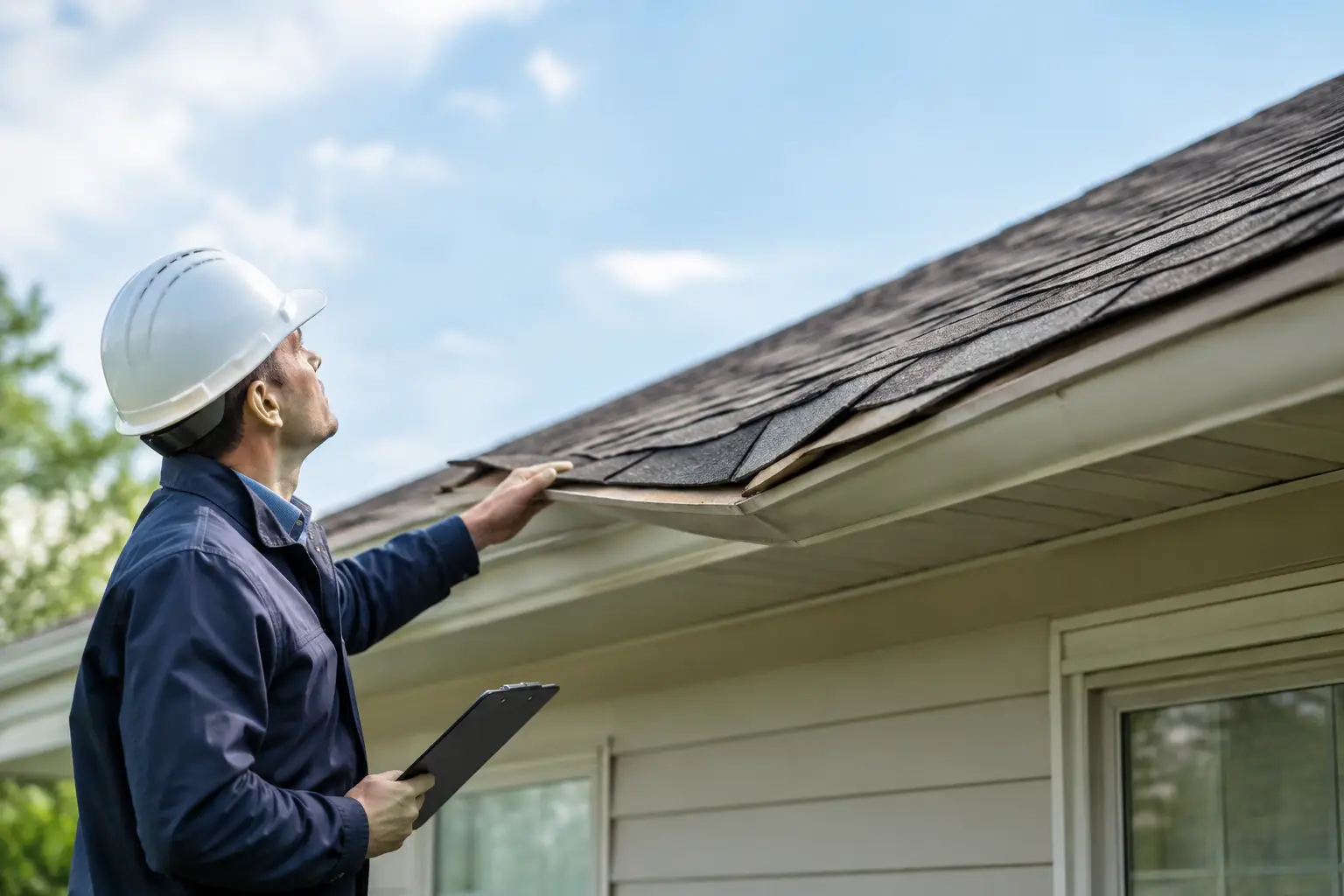
The decision should be based on the complete building, not material samples alone. A roofing professional should assess the existing deck, roof slope, ventilation, insulation indicators, drainage, flashing condition, and local exposure before recommending a system. That is particularly important when a roof has already shown signs of ice dams, recurring leaks, missing shingles, or storm damage.
Before the next heavy snowfall, a qualified inspection can identify small vulnerabilities while they are still manageable. Rick’s Main Roofing helps property owners evaluate roofing materials, winter risks, and system-level repairs so they can make a confident decision before a minor issue becomes an emergency.