

A Connecticut roof has to do more than look good from the street. It must stand up to wet spring weather, heavy snow, freeze-thaw cycles, summer heat, falling branches, and, near the shore, wind-driven rain and salt air. Choosing the best roofing materials Connecticut homes need starts with the home itself: its slope, architecture, location, age, ventilation, and the length of time you plan to own it.
The right material is rarely the one with the highest price or the longest advertised lifespan alone. A dependable roof is a complete system. Proper underlayment, flashing, ventilation, ice-and-water protection, and experienced installation matter just as much as the shingles, panels, or tiles visible from the ground.
What Connecticut Weather Demands From a Roof
Connecticut’s weather makes small roofing weaknesses expensive. When snow melts and refreezes along the eaves, ice dams can push water beneath roofing materials and into the home. Strong coastal storms can test fasteners, flashing, and ridge details. Repeated temperature swings can cause materials to expand and contract, exposing installation errors over time.
That is why material selection should begin with performance rather than appearance. A roof should shed water efficiently, resist wind uplift, work with a well-ventilated attic, and have the right protection at vulnerable areas such as valleys, eaves, skylights, chimneys, and wall intersections.
For homes in Norwalk, Fairfield County, and nearby shoreline communities, the roof’s exposure deserves special attention. A protected inland neighborhood and a waterfront property may require very different specifications, even when the homes have similar rooflines.
Best Roofing Materials for Connecticut Homes
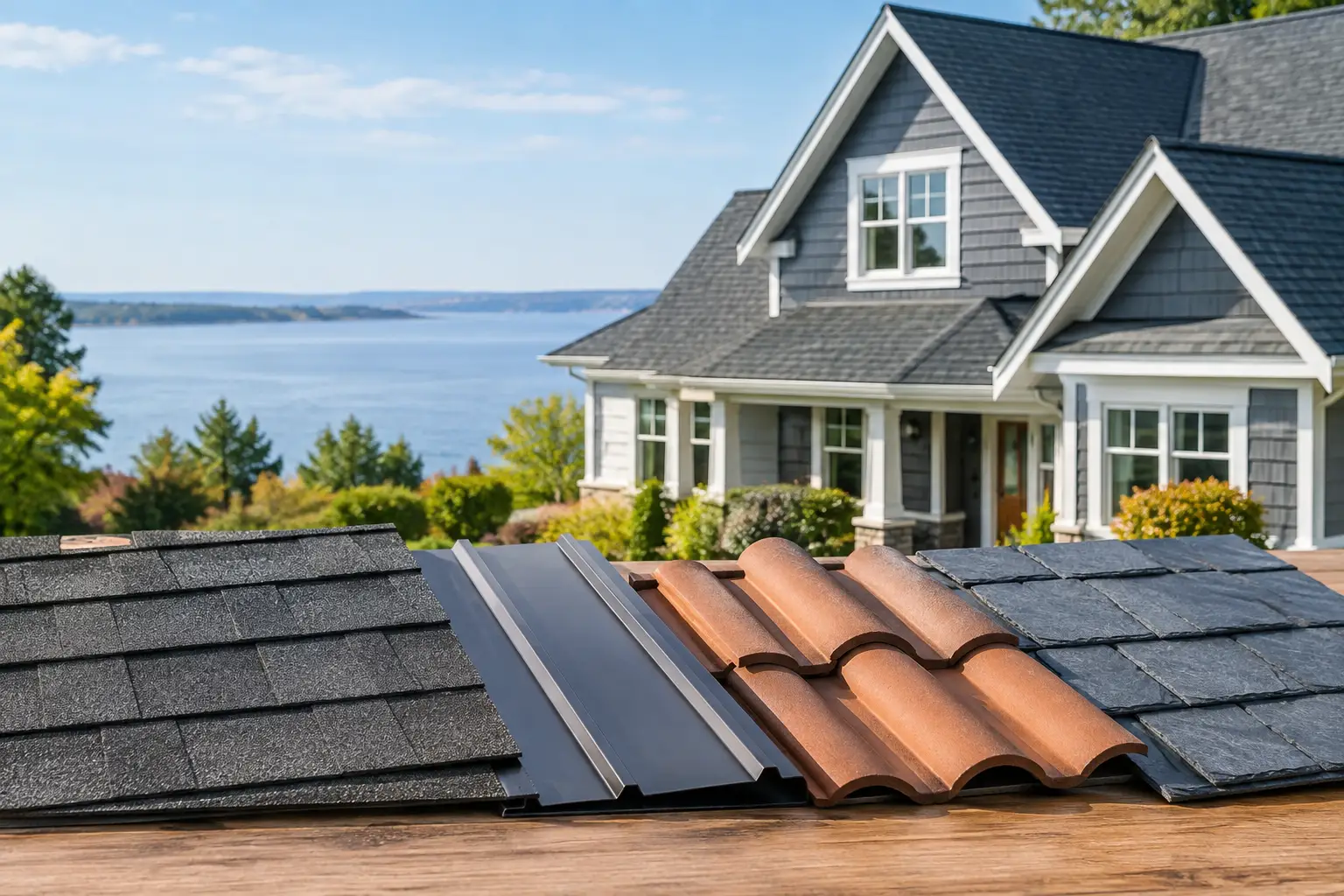
Asphalt shingles: the practical choice for most homes
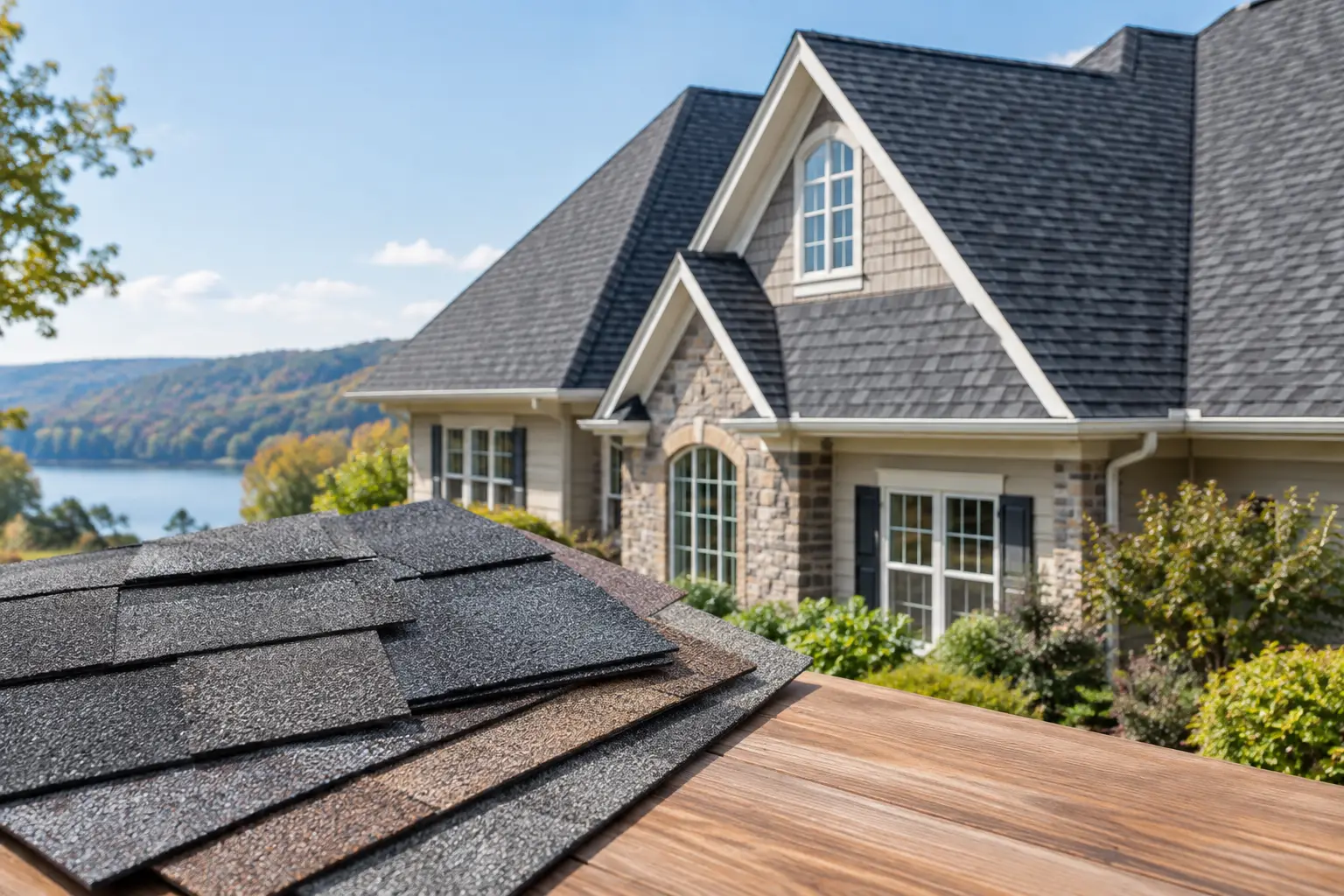
Architectural asphalt shingles remain the most common roofing choice for Connecticut homeowners, and for good reason. They offer a strong balance of cost, appearance, dependable weather protection, and repairability. Available in a wide range of colors and dimensional profiles, they can suit everything from a traditional Colonial to a contemporary home.
A quality architectural shingle roof is often a sensible choice for homeowners who want reliable performance without the investment required by slate or metal. It can also be easier to match and repair after localized storm damage than some specialty materials.
The trade-off is lifespan. Asphalt generally will not last as long as properly installed metal or natural slate, and lower-grade shingles can be more vulnerable to wind damage and premature wear. Product quality, attic ventilation, installation standards, and maintenance make a major difference. For Connecticut homes, a roofing system with properly installed ice-and-water protection at the eaves is especially important.
Cedar: natural character with real maintenance needs
Cedar shingles and shakes provide a distinctive appearance that works particularly well on historic homes, coastal properties, cottages, and upscale traditional residences. Few materials match the warmth and texture of natural wood. Cedar also has natural insulating properties and can perform well when installed as part of a properly designed roofing system.
However, cedar is not a set-it-and-forget-it roof. Connecticut’s moisture, shade, leaf debris, and freeze-thaw weather can encourage moss, mildew, and deterioration if the roof is neglected. Cedar requires periodic inspection, cleaning when appropriate, and attention to damaged or split pieces.
It is a worthwhile option for homeowners who value authentic character and are prepared for ongoing care. The installation contractor must understand wood roofing details, ventilation, flashing, and the specific needs of older structures. A cedar roof installed without those details can lose much of the benefit of the material itself.
Slate: unmatched longevity for the right structure
Natural slate is one of the most durable and visually distinguished roofing materials available. It is an excellent fit for many historic Connecticut homes and premium properties where architectural authenticity and long-term value are priorities. A well-installed slate roof can last for generations, making it a material with a very different ownership profile than asphalt shingles.
Slate’s limitations are substantial weight and cost. Before installation, the home’s framing must be evaluated to confirm it can support the roofing system. Repairs also require specialized expertise. Walking carelessly on slate can crack tiles, and replacing a damaged piece is not the same as replacing an asphalt shingle.
For a historic home with an existing slate roof, repair may be more appropriate than replacement. A careful inspection can identify whether the issue is limited to individual slates, flashing, fasteners, or another serviceable component. Replacing an entire slate roof without evaluating repair options can be an unnecessary expense.
Metal: long-term protection and clean architectural lines
Metal roofing has become an increasingly popular option for Connecticut homes, especially for homeowners planning to stay in place for many years. Standing-seam metal roofs offer excellent water shedding, strong wind performance, and a clean appearance that complements both modern and traditional architecture. Metal can also be a practical choice for lower-slope residential sections where conventional shingles may not be appropriate.
A properly specified metal roof can handle snow and rain effectively, but it needs professional detailing. Snow guards may be necessary where sliding snow could damage gutters, landscaping, or walkways. Coastal projects also require material and fastener selections suited to salt-air exposure.
The initial cost is usually higher than asphalt, and repairs must be handled with care to avoid compromising panels or finishes. Still, for homeowners focused on longevity, low routine maintenance, and strong weather resistance, metal is often one of the strongest long-term investments available.
Rubber roofing: the right answer for low-slope areas
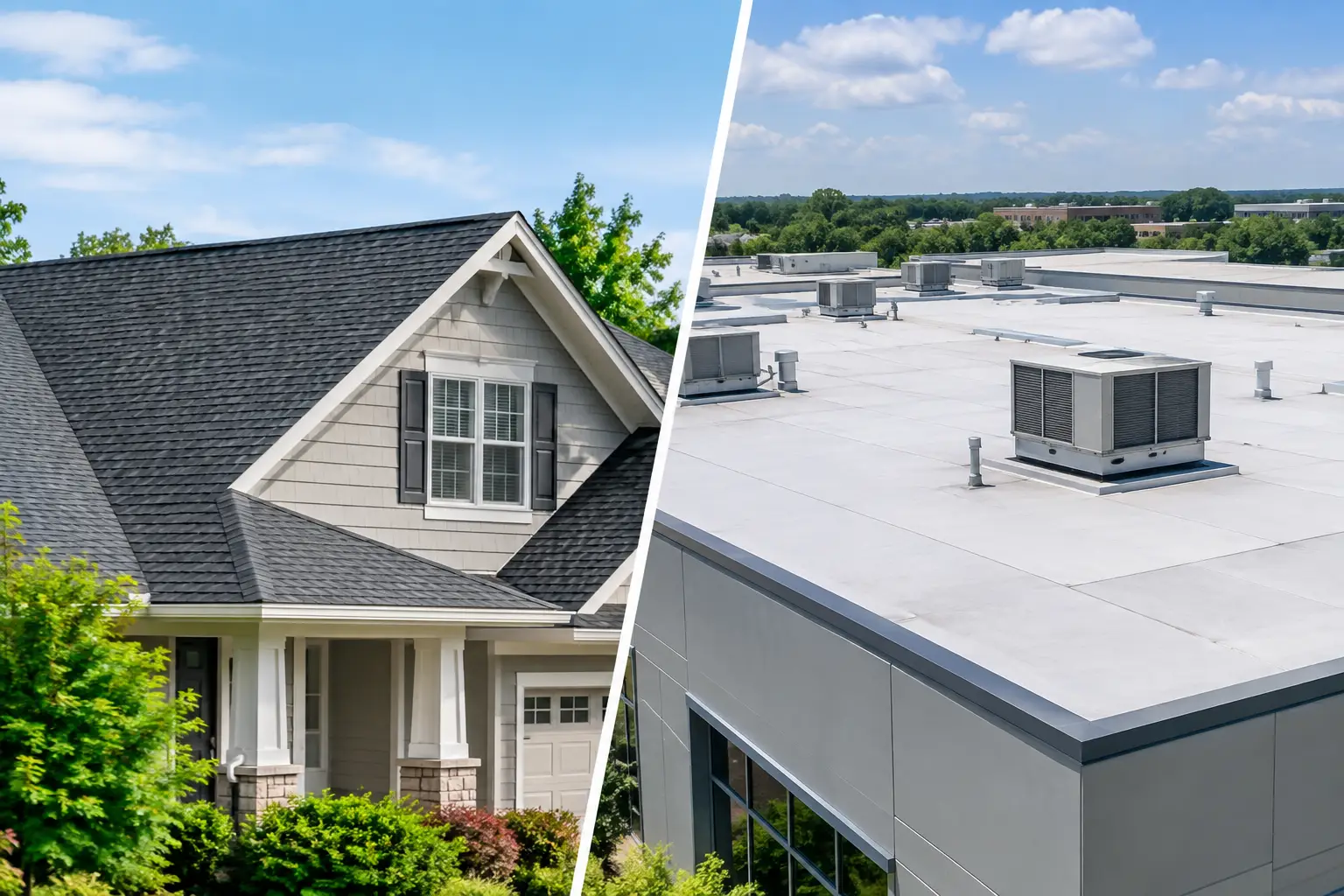
Many Connecticut homes have low-slope roof sections over additions, porches, garages, or dormers. These areas should not automatically receive the same materials used on the home’s main pitched roof. Rubber roofing systems, commonly used on low-slope surfaces, are designed to manage standing water and reduce leak risks where shingles would not perform properly.
The value of a rubber roof depends heavily on the condition of the decking, drainage, perimeter flashing, seams, and transitions to other roofing materials. A leak on a flat or low-slope section may originate at a drain, edge detail, wall flashing, or nearby chimney rather than the membrane field itself.
For a home with both steep-slope and low-slope sections, a mixed-material roof system may be the most reliable solution. Matching the right material to each roof area is better than forcing one product across every surface.
The Roofing Details That Matter as Much as the Material
Even the best material can fail early if the roof system is incomplete. Connecticut homeowners should pay close attention to attic ventilation, which helps manage heat and moisture that can shorten roof life and contribute to ice dams. Intake ventilation at the eaves and exhaust ventilation near the ridge need to work together rather than being added randomly.
Flashing is another critical component. Chimneys, skylights, valleys, roof-to-wall connections, vent pipes, and step transitions are common leak locations because they interrupt the main roofing surface. High-quality flashing materials and precise installation are essential, particularly on complex rooflines.
Underlayment and ice-and-water protection also deserve more than a passing mention in a proposal. These layers provide secondary defense when wind-driven rain, ice backup, or damaged exterior materials allow water to reach beneath the primary roof covering.
How to Choose the Right Material for Your Property
Start with the home’s practical needs. An asphalt roof may be the sensible answer for a well-maintained family home where budget, appearance, and dependable protection are the priorities. Metal may make more sense for a homeowner seeking long-term performance. Cedar or slate may be the right fit when preserving the character of a historic or high-end property is central to the project.
Then consider your location and roof design. A coastal roof requires attention to wind ratings, corrosion resistance, and flashing details. A heavily shaded property may need a material and maintenance plan that addresses moisture and debris. A roof with valleys, skylights, multiple dormers, or low-slope transitions requires more installation skill than a simple gable roof.
Finally, compare proposals based on the complete system, not just a material name or a low price. Ask what is included for tear-off, decking repairs, ventilation, underlayment, ice-and-water protection, flashing, cleanup, and warranty coverage. A clear, detailed scope protects you from surprises and makes it easier to compare contractors fairly.
Rick’s Main Roofing helps Connecticut property owners evaluate these choices based on actual roof conditions, not a one-size-fits-all recommendation. For a replacement, repair, or storm-related concern, a professional inspection can identify the material and system details that will protect the property for the years ahead.
A roof decision should give you confidence when the next nor’easter, ice event, or summer storm arrives. Choose a material that suits your home, then make sure it is installed by a contractor with the local experience to make every layer of the system perform as intended.