

A coastal roof in Fairfield County has a tougher job than most. It faces wind-driven rain, salt air, nor’easters, summer humidity, winter ice, and debris carried in from the water. Choosing the best roofing materials for coastal homes means looking beyond color and initial price. The right roof must protect the structure, hold up against local weather, and fit the home’s design for decades to come.
For homes near Long Island Sound, material selection is only part of the decision. Installation details, ventilation, flashing, underlayment, and fastener choice all affect whether a roof performs as it should when the next major storm arrives.
What Coastal Connecticut Roofs Must Withstand
Salt air is often discussed as a coastal roofing concern, but it is not the only one. Salt can accelerate corrosion on exposed metal components, including nails, flashings, gutters, and rooftop equipment. A roofing system with the wrong fasteners or untreated metal accessories can develop problems long before the primary roofing material reaches the end of its expected service life.
Wind is another major consideration. Coastal storms can lift shingles at roof edges, force rain beneath poorly installed materials, and damage ridge caps, flashing, and vents. A roof needs a secure attachment method and a complete system designed for local wind conditions, not simply a weather-resistant surface.
Connecticut’s winter weather adds another layer of complexity. Ice dams can form when attic heat melts snow on the roof and the water refreezes near colder eaves. Proper insulation, ventilation, ice-and-water protection, and drainage design are especially important on coastal homes where wind and driving rain already put pressure on the roof assembly.
Best Roofing Materials for Coastal Homes: A Practical Comparison
There is no single best choice for every waterfront property. Roof pitch, architectural style, budget, local exposure, maintenance expectations, and the condition of the underlying structure all matter. These are the roofing materials most often worth considering for coastal homes in Norwalk and throughout Fairfield County.
Standing-Seam Metal Roofing
Standing-seam metal is one of the strongest options for a coastal home when it is properly specified and installed. Its interlocking panels create a clean, durable surface that sheds rain, snow, and debris efficiently. Because the fasteners are concealed beneath the seams, there are fewer exposed points where water can enter or corrosion can begin.
Metal roofing also offers excellent wind resistance. That makes it particularly appealing for homes with open water exposure, elevated sites, and properties that receive the full force of storms moving across the Sound. High-quality aluminum is often a strong coastal choice because it does not rust like standard steel. Galvanized or coated steel can also perform well, but coating quality, cut-edge protection, and compatible accessories must be evaluated carefully.
The trade-off is cost. Metal has a higher upfront investment than standard asphalt shingles, and installation demands experienced workmanship. It can also be noisier during heavy rain if the roof assembly is not properly designed, though sound is greatly reduced by decking, insulation, and attic space. For homeowners planning to stay in their property for many years, the longevity and low maintenance requirements can make metal a compelling value.
Natural Slate Roofing
Natural slate is a premium roofing material with exceptional longevity and a classic appearance that suits many of Fairfield County’s historic and high-end coastal homes. Slate is noncombustible, highly resistant to rot, and unaffected by salt air in the way metal components can be. A properly installed slate roof can last for generations.
Its weight is the primary consideration. Before installing slate, a roofing professional must confirm that the home’s framing can support it. Slate also requires specialized installation and repair knowledge. Individual pieces can crack from impact, and improper foot traffic can cause damage. The flashing system beneath and around the slate remains critical, especially near chimneys, valleys, dormers, and roof transitions.
For a historic coastal property, slate can be the right long-term choice when the structure, budget, and architecture support it. It is not a material to treat as a standard replacement project. Quality craftsmanship is essential.
Architectural Asphalt Shingles
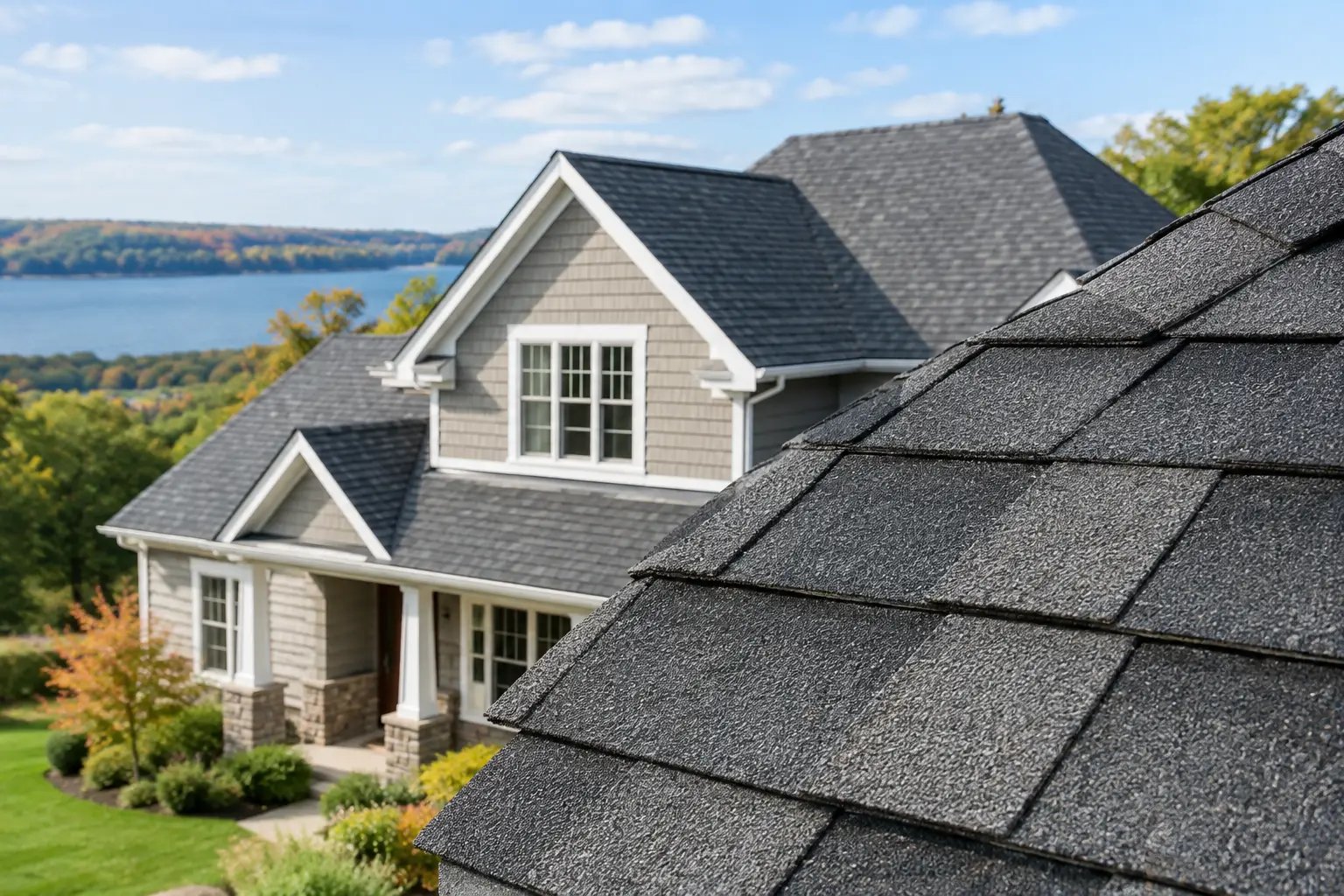
Architectural asphalt shingles remain one of the most practical and widely used roofing options for coastal Connecticut homes. They provide dependable protection, broad style selection, and a more accessible price point than metal or slate. Modern architectural shingles are thicker and more dimensional than basic three-tab shingles, offering improved durability and a stronger appearance.
For a coastal installation, homeowners should focus on a high-quality shingle system with enhanced wind ratings, proper starter strips, correctly installed ridge caps, and upgraded underlayment. The manufacturer’s installation requirements matter. A shingle may carry a strong wind rating on paper, but that performance depends on the full system being installed correctly.
Asphalt is not as long-lived as metal or slate, and it may need replacement sooner on highly exposed properties. Still, it is an excellent choice for many homes when selected for wind performance and paired with sound ventilation, flashing, and ice protection. It also works well with a broad range of architectural styles, from traditional Colonials to newer coastal designs.
Cedar Shake and Shingle Roofing
Cedar offers a natural, distinctive look that fits coastal cottages, historic homes, and properties where architectural character is a priority. Over time, cedar develops a weathered appearance that many homeowners value. It also provides natural insulating properties and can perform well when installed with proper spacing and ventilation.
However, cedar requires more maintenance than metal, slate, or asphalt. Moisture, shade, algae, moss, and wind exposure can shorten its service life if the roof is not regularly inspected and cared for. In coastal conditions, the details below the cedar are especially important. Proper underlayment, drainage, flashing, and ventilation help prevent trapped moisture and premature deterioration.
Cedar is best suited for owners who understand its maintenance needs and want the appearance only a natural wood roof can provide. It is not the lowest-maintenance option, but it can be a beautiful and durable one in the hands of an experienced roofing contractor.
Rubber Roofing for Low-Slope Areas
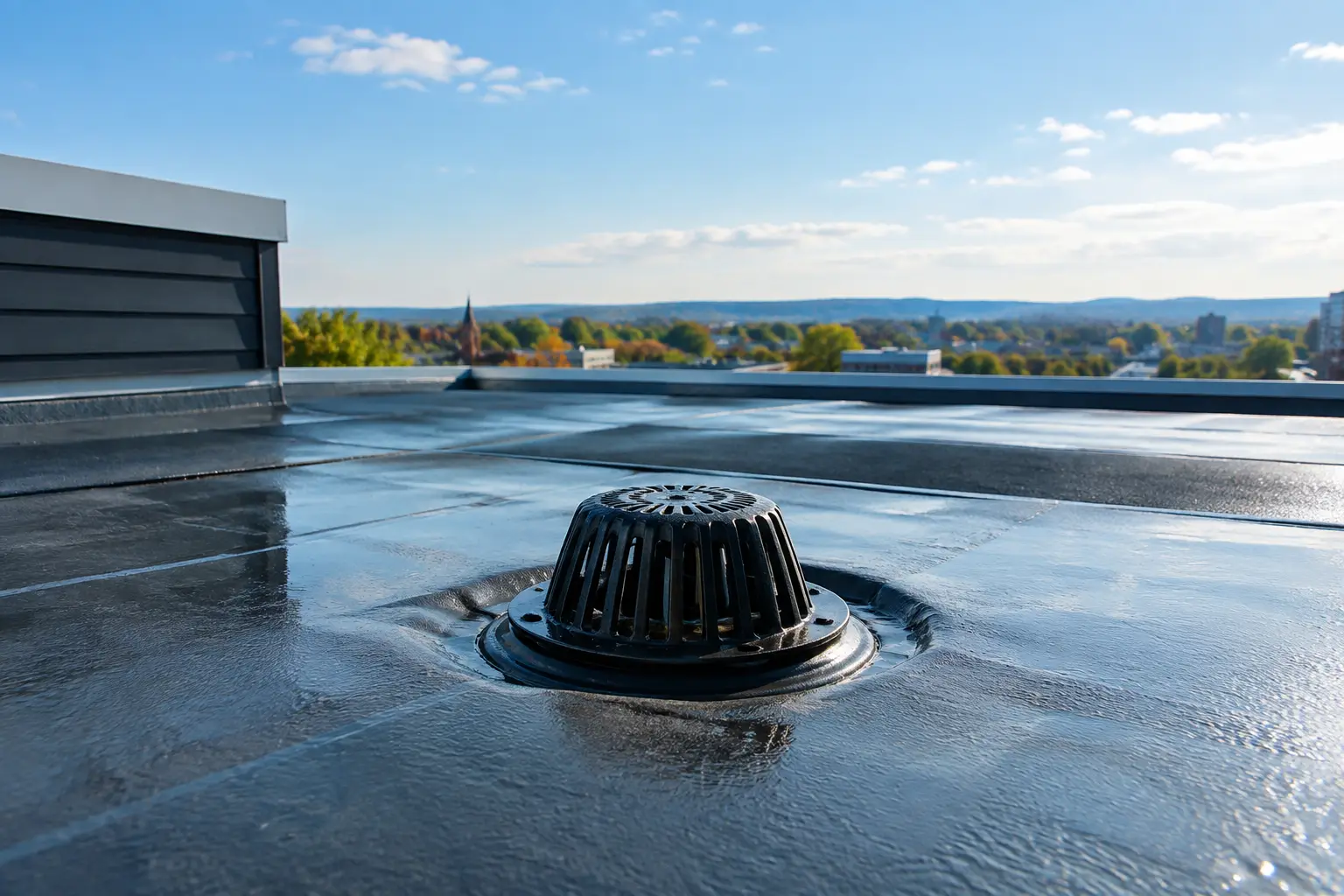
Many coastal homes have flat or low-slope sections over additions, porches, garages, or modern architectural features. These areas need a roofing material designed for low-slope drainage conditions. Rubber roofing systems, including EPDM and other membrane options, can provide reliable waterproofing when properly installed.
A low-slope roof should never be treated as an afterthought. Water moves more slowly across these surfaces, and ponding water can expose weaknesses in seams, drains, flashing, and penetrations. Material selection should account for the roof’s slope, drainage plan, foot traffic, and the connection to adjoining steep-slope roofing.
The Details That Matter as Much as the Material
A premium roofing material cannot compensate for poor installation. Coastal roof systems need corrosion-resistant fasteners and flashing, carefully sealed penetrations, secure edge metal, and underlayment designed to manage wind-driven rain. Chimney flashing, skylights, pipe boots, valleys, and wall intersections are common leak locations because they interrupt the main roofing surface.
Ventilation also deserves close attention. A balanced attic ventilation system helps control heat and moisture, reduces the risk of ice dams, and supports the service life of shingles and roof decking. On older homes, ventilation improvements may need to be coordinated with insulation and attic air-sealing work.
The roof’s shape affects material performance as well. Complex roofs with multiple valleys, dormers, and intersecting sections have more places where water can collect or enter. A simple roof plane may be well suited to several materials, while a complex design may benefit from a material and flashing approach chosen specifically for those transitions.
How to Choose the Right Material for Your Property
Start with the home’s exposure. A property directly facing open water has different demands than a home a few blocks inland. Wind exposure, nearby trees, roof height, and the amount of salt spray reaching the property all influence the best recommendation.
Next, consider how long you expect to own the home and what level of maintenance is realistic. Metal and slate generally require a higher initial investment but offer long service lives. Architectural asphalt provides solid value and easier replacement planning. Cedar offers distinctive beauty but requires a more active maintenance mindset.
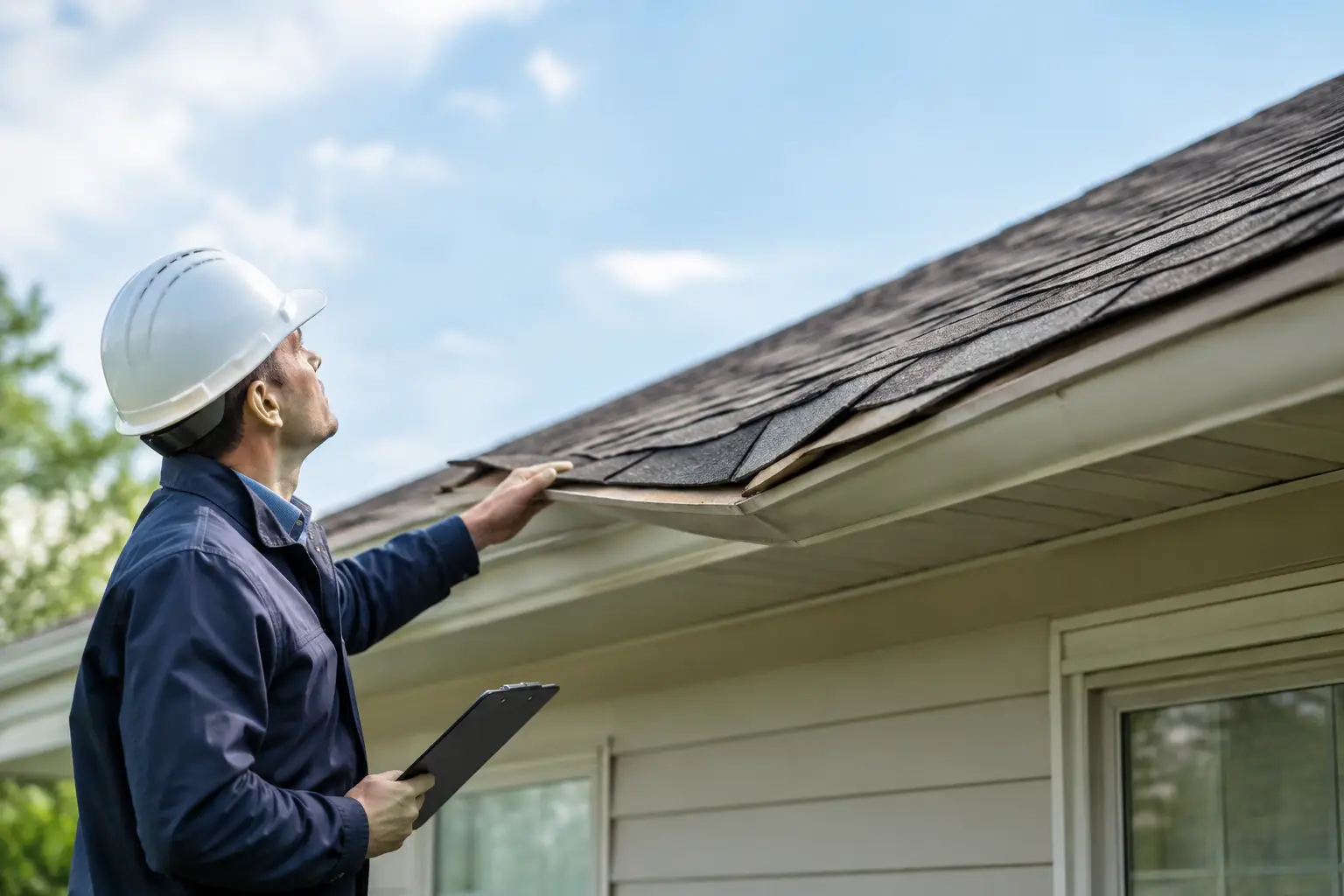
Finally, evaluate the entire roof system, not just the visible surface. A professional inspection can identify damaged decking, aging flashing, ventilation deficiencies, drainage issues, and storm-related wear that should be addressed during replacement. This is particularly important after a leak, missing shingles, or wind event, when the visible damage may not tell the full story.
For coastal homeowners, the best roof is the one designed around the property rather than selected from a showroom sample. Rick’s Main Roofing can assess the home’s exposure, roof design, and material options to help property owners make a confident decision before small weaknesses become costly water damage.