

A roof can look fine from the driveway and still be set up for problems a few winters later. That is why asphalt shingle roof installation is not just about laying down shingles. It is about building a complete roofing system that can handle wind, rain, heat, ice, and the moisture issues that often develop out of sight.
In Connecticut, those details matter even more. Homes in Norwalk and across Fairfield County deal with coastal weather, heavy seasonal rain, snow loads, and freeze-thaw cycles that can expose weak workmanship fast. A properly installed asphalt shingle roof should protect the structure, ventilate the attic correctly, and hold up under changing weather without creating avoidable repair issues.
What asphalt shingle roof installation really includes
Many property owners think of a new roof as the visible shingle layer. In practice, the shingles are only one part of the assembly. The performance of the roof depends on how the deck is prepared, what underlayment is used, how flashing is installed, and whether ventilation is balanced.
A complete asphalt shingle roof installation usually starts with tear-off when an old roofing system is at the end of its life. Once the existing materials are removed, the roof deck can be inspected for soft spots, rot, delamination, or other structural concerns. Installing new shingles over a compromised deck may save time at first, but it often leads to early failure.
From there, the system is rebuilt in layers. Ice and water protection is especially important near eaves, valleys, and vulnerable transitions. Underlayment adds another level of defense. Flashing around chimneys, skylights, walls, and penetrations must be fitted carefully because those transition points are where many leaks begin. Only after those elements are addressed should the shingles go on.
Why installation quality matters more than the shingle alone
Homeowners often compare brands and colors first, which is understandable. Curb appeal matters, and material warranties are part of the decision. Still, the quality of the installation has a greater effect on long-term performance than many realize.
Even a premium shingle can underperform if it is nailed incorrectly, exposed to poor attic ventilation, or paired with shortcuts in flashing and edge protection. On the other hand, a well-installed architectural asphalt shingle system can provide dependable, attractive coverage for many years when the roof is matched to the building and local conditions.
That is especially true in areas where ice dams and wind-driven rain are common. The roof has to do more than shed water on a clear day. It has to keep performing during storms, through winter temperature swings, and under the constant expansion and contraction that comes with New England weather.
The key steps in asphalt shingle roof installation
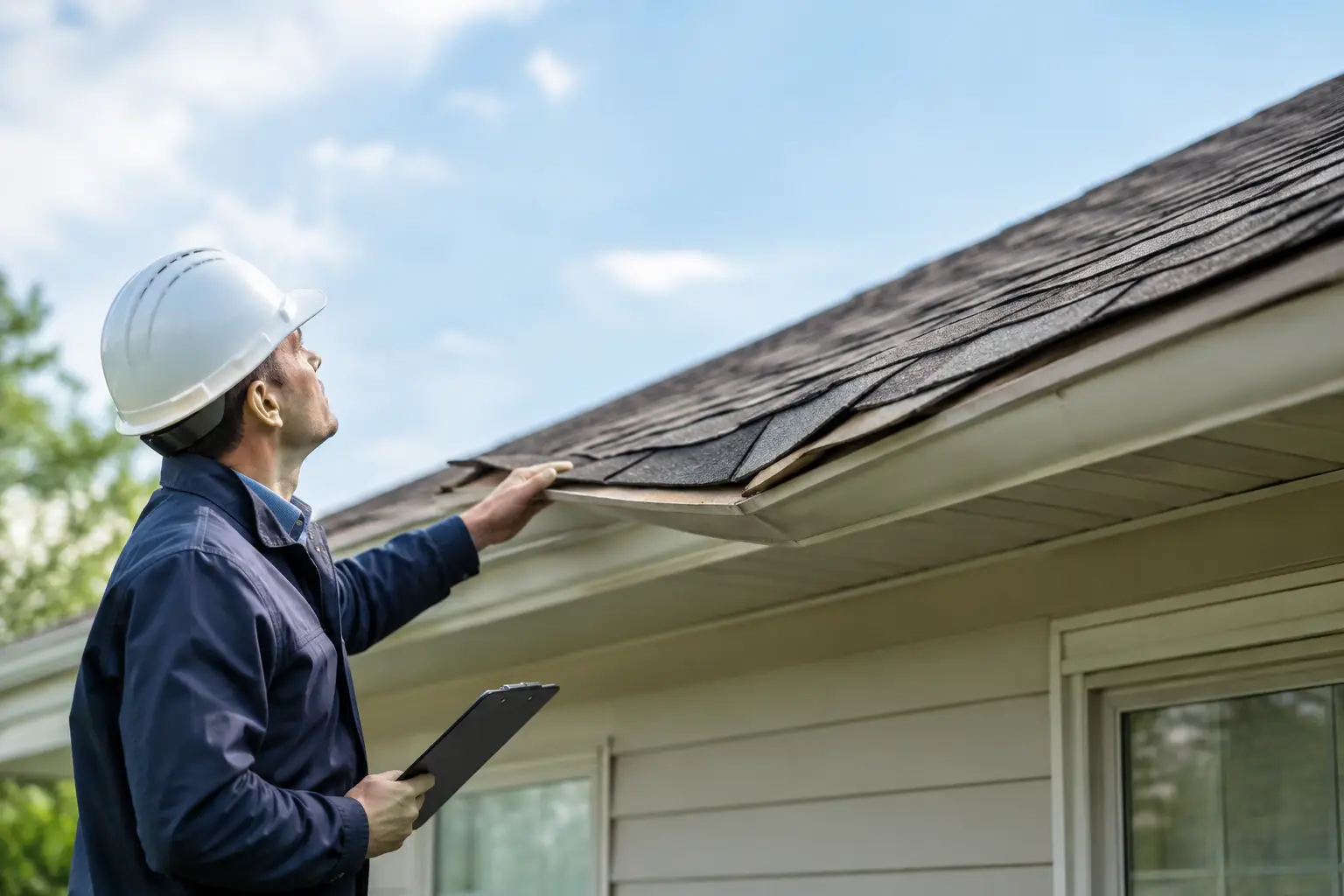
Every property is different, but the process should follow a disciplined sequence. That begins with a thorough inspection and measurement, not a quick guess from the ground. Roof pitch, deck condition, attic airflow, previous leak patterns, and the condition of penetrations all affect the scope of work.
Tear-off and deck inspection
A full tear-off gives the installer a chance to see what is really happening underneath. Hidden water damage around valleys, chimneys, or vent stacks is common on older roofs. If damaged sheathing is left in place, new shingles may never sit flat or stay secure as intended.
Waterproofing and underlayment
Ice and water barrier is critical in Connecticut. It helps protect vulnerable areas where backed-up water can work under the shingles. Underlayment then provides a broader moisture barrier across the roof deck. These layers are not cosmetic. They are part of what keeps a roof performing when the weather is working against it.
Flashing and ventilation details
Flashing should never be treated as a minor accessory. Poorly installed flashing is one of the most common causes of roof leaks, especially around chimneys, walls, and roof penetrations. Ventilation matters just as much. A roof system needs balanced intake and exhaust airflow to reduce trapped heat and moisture in the attic.
Without proper ventilation, shingles may age faster, decking can deteriorate, and mold or condensation problems may develop inside the building. In winter, poor ventilation can also contribute to ice dam formation.
Shingle installation and ridge finishing
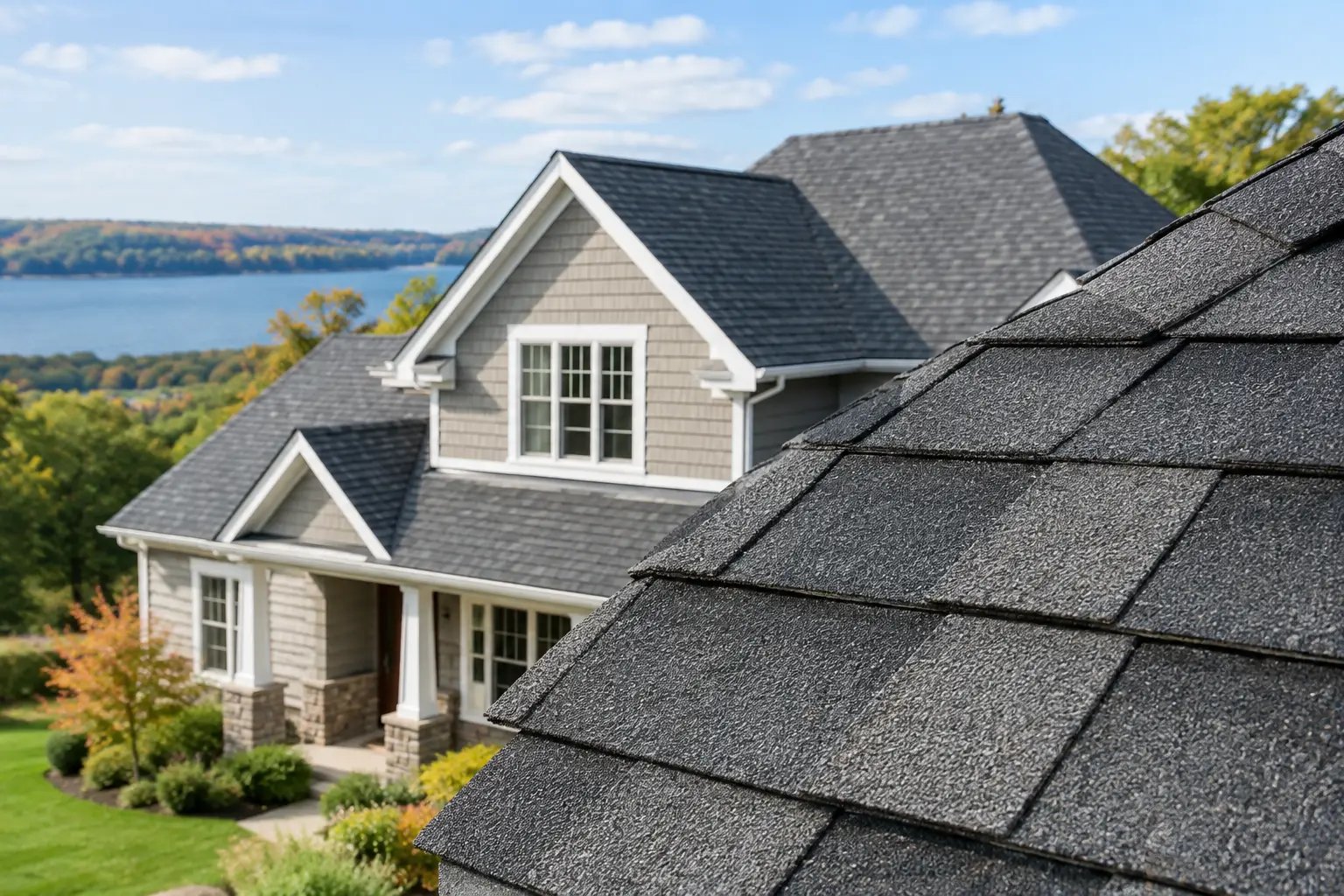
Shingles must be installed according to manufacturer specifications for placement, nailing pattern, exposure, and alignment. This is where workmanship shows. Straight lines matter, but secure fastening and proper overlap matter more. Ridge cap shingles and final sealing details complete the system and help protect high-exposure areas.
Choosing the right asphalt shingles for your property
Not every asphalt shingle is the same. Three-tab shingles may still be used in some situations, but most property owners now lean toward architectural shingles because they offer better dimensional appearance and often stronger durability. For homes exposed to stronger coastal winds or premium residential design standards, upgraded shingle lines may make more sense.
Color choice should also be practical, not only aesthetic. A roof should complement the home, but it should also fit the neighborhood, the building style, and long-term resale considerations. A historic or upscale property may call for a different look than a standard suburban home. A commercial or multi-family property may prioritize durability, budget control, and project timing over visual impact.
This is one of those areas where experience matters. The best recommendation depends on the building, the exposure, and the owner’s goals. There is no single best shingle for every roof.
Common problems caused by poor installation
Most roofing failures do not come from a single dramatic event. They start with small weaknesses that go unnoticed until water finds a path in. Misplaced nails, inadequate underlayment, poor chimney flashing, and blocked ventilation can all shorten the life of a new roof.
Sometimes the issues show up quickly as leaks or lifted shingles after a storm. Other times, the signs are subtle at first – attic moisture, staining on ceilings, shingle granule loss, or uneven roof lines. By the time these symptoms are visible indoors, the repair may involve more than the outer roofing layer.
That is why choosing a qualified contractor is not just a purchasing decision. It is a risk management decision. The roof protects insulation, framing, interior finishes, and everything else below it.
What Connecticut property owners should pay attention to
In this region, roofing decisions should account for more than basic precipitation. Snow accumulation, ice at the eaves, strong wind events, and salt-air exposure near the coast all affect how a roof performs over time. Installation methods that might be acceptable in milder climates are not always enough here.
Older homes also require extra attention. Many properties in Fairfield County have aging roof decks, complex flashing transitions, or ventilation setups that do not meet current best practices. A contractor needs to identify those issues before installation begins, not after a leak appears.
For commercial properties and multi-unit buildings, planning is equally important. Scheduling, access, occupant coordination, and weather timing all affect how smoothly the project moves. A dependable roofing contractor should be able to manage those logistics while still maintaining installation quality.
How to evaluate a roofing contractor
If you are comparing companies for asphalt shingle roof installation, look beyond the estimate total. Ask how the deck will be inspected, what waterproofing products are included, how ventilation will be addressed, and whether flashing is being replaced or reused. Those details tell you far more than a square-foot price alone.
Credentials matter too. Established experience, manufacturer certifications, insurance, and a solid local reputation all help reduce uncertainty. For Connecticut property owners, it is also valuable to work with a contractor who understands local weather patterns and the building issues that come with them. Rick’s Main Roofing has built its reputation around that kind of regional knowledge and disciplined workmanship.
The best proposals are clear about scope, not vague. You should know what is being removed, what is being replaced, what materials are being used, and how the roof system is being built. That level of clarity usually reflects a more professional operation from the start.
A new roof should solve problems, not postpone them
A properly installed asphalt shingle roof gives you more than a refreshed exterior. It gives your home or building a stronger defense against leaks, storm damage, and premature wear. It can also improve confidence in the property as a whole, especially when the old roof has become a recurring source of concern.
If your current roof is aging, leaking, or showing signs of failure, the right next step is not to focus only on shingle style or price. Focus on how the system will be installed, whether the hidden details are being addressed, and whether the contractor has the experience to do the work correctly in Connecticut conditions.
A roof replacement is a major investment, but it should feel like a durable fix, not a temporary patch with better curb appeal. When the installation is handled with care from the deck up, you are not just getting new shingles. You are getting a roofing system built to protect the property for the years ahead.