

A roof replacement is not the place to choose based on a sample board alone. In Fairfield County, an architectural shingles review needs to account for wind-driven rain, winter ice dams, humid summers, tree debris, and the look of the home from the street. Architectural asphalt shingles remain one of the strongest all-around choices for many Connecticut properties, but their performance depends as much on the installation and roof design as the shingle name on the wrapper.
What Are Architectural Shingles?
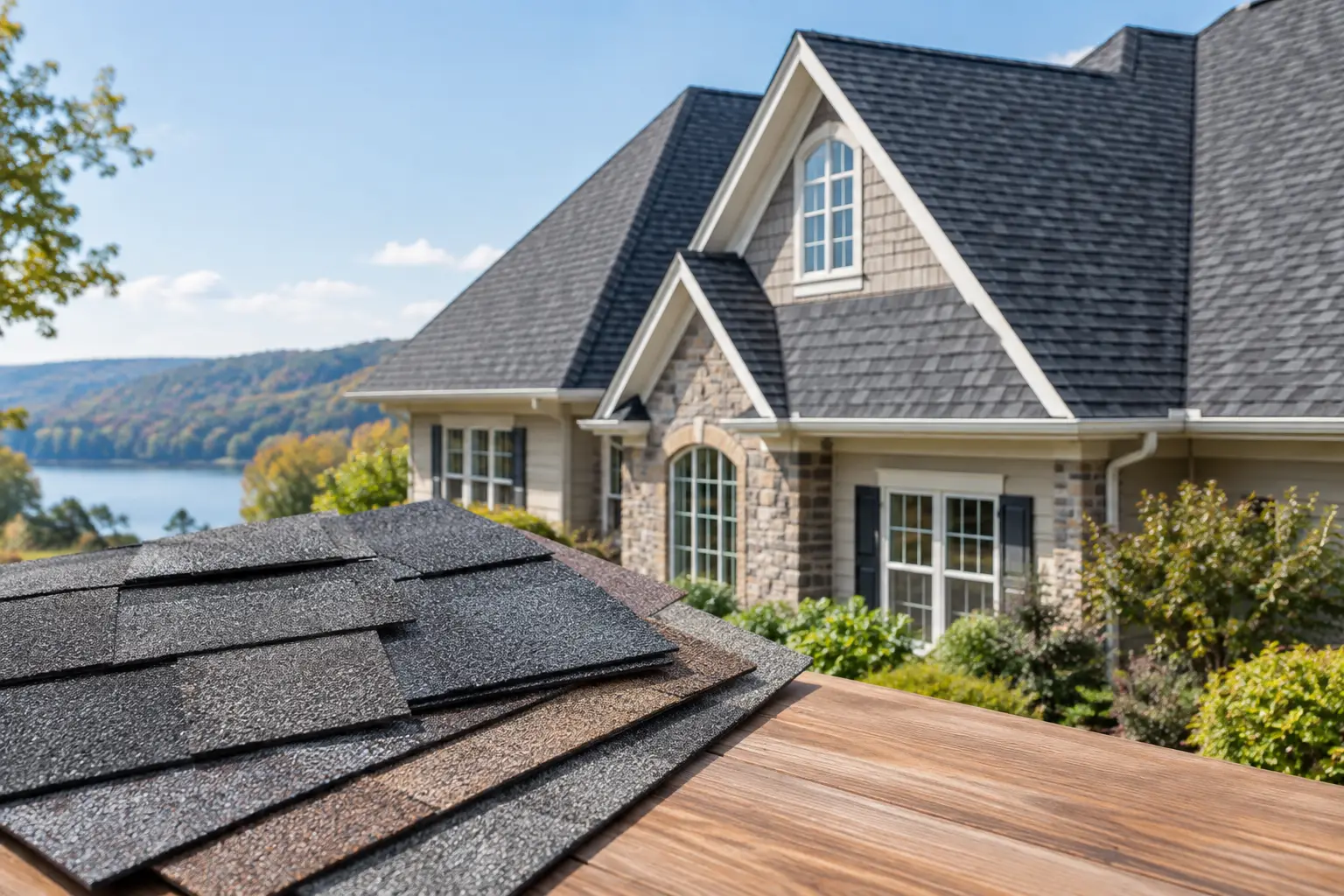
Architectural shingles, sometimes called laminated or dimensional shingles, are asphalt shingles made with multiple bonded layers. That layered construction gives them more thickness and a more textured appearance than traditional three-tab shingles. The finished roof can resemble the depth of wood shake or slate at a much lower cost and with less maintenance.
For most homeowners, the appeal is straightforward: architectural shingles offer a substantial appearance, broad color selection, dependable weather protection, and a service life that typically exceeds basic three-tab products. They are available in styles that suit modest capes, colonial homes, newer construction, and higher-end properties throughout coastal and inland Connecticut.
They are not all identical. Product lines vary in shingle weight, wind rating, algae resistance, color blending, impact resistance, warranty coverage, and the required accessories for a complete roofing system. A good review looks beyond the word “architectural” and considers the specific product and how it will be installed.
Architectural Shingles Review: Where They Perform Well
Architectural shingles earn high marks because they balance cost, appearance, and reliable day-to-day performance. Their laminated construction generally makes them more resistant to wind uplift than entry-level shingles, particularly when installed with the correct nail pattern and starter course. This matters on exposed properties near Long Island Sound, hilltop homes, and homes that regularly see strong seasonal storms.
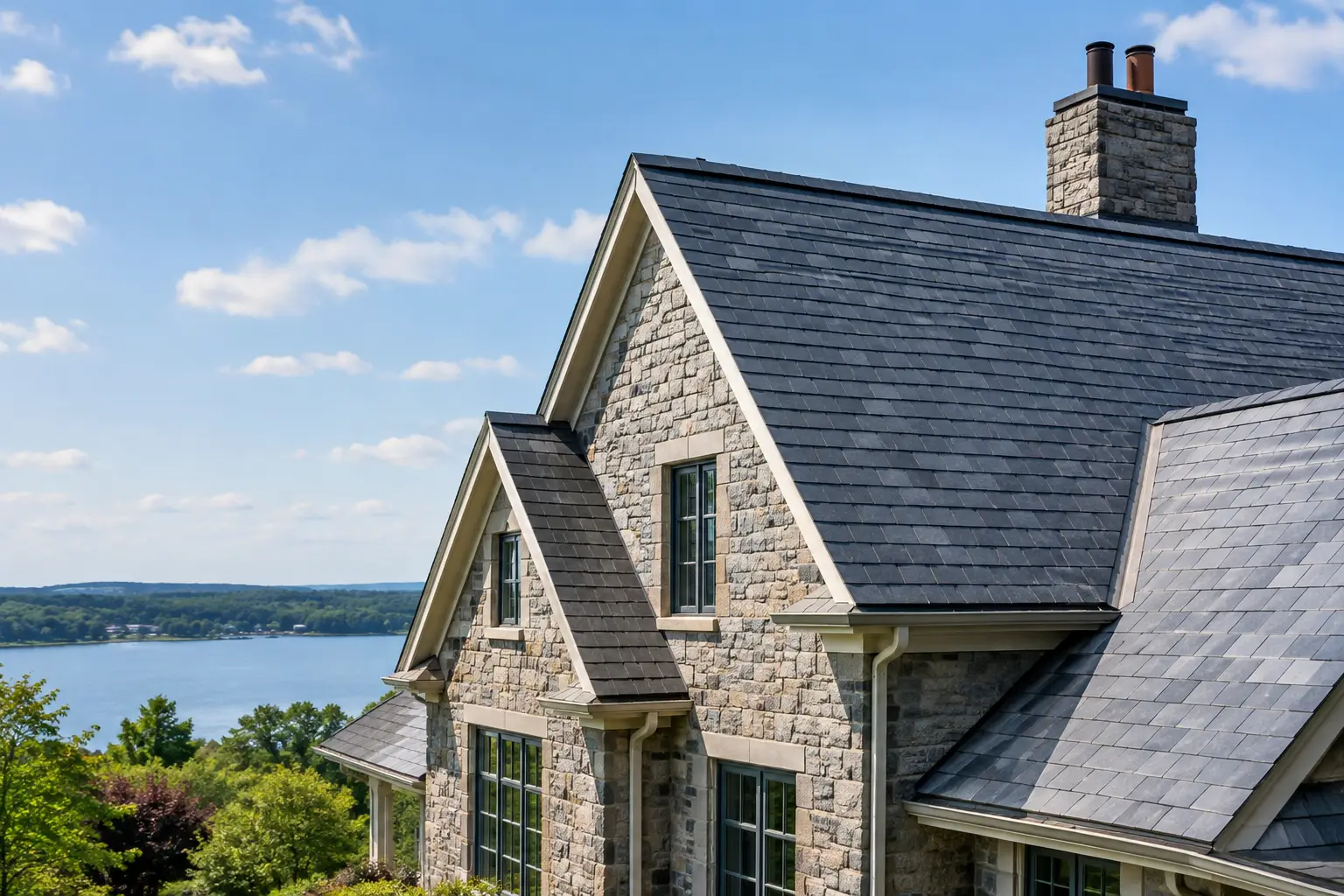
Their visual flexibility is another advantage. Modern architectural shingles are made with color variations that create depth rather than the flat, repetitive look associated with older three-tab roofs. A weathered wood tone may complement traditional siding, while charcoal, black, and slate-gray blends can give a more contemporary home a clean, defined roofline.
Many premium architectural shingle lines also include algae-resistant granules. In Connecticut, dark streaking often develops where tree shade, moisture, and humidity keep portions of a roof wet longer. Algae resistance will not eliminate the need to address overhanging branches or poor drainage, but it can help the roof retain a more consistent appearance over time.
Architectural asphalt is also practical when roof repairs may be needed in the future. Matching an existing shingle can still be difficult after years of sun exposure, but asphalt roofing is generally more straightforward to inspect and repair than specialty materials such as slate or cedar.
The Trade-Offs Homeowners Should Understand
Architectural shingles are a strong value, not a universal answer. They will not duplicate the longevity of properly maintained natural slate, nor do they provide the same distinctive character as cedar. Homeowners restoring a historic property or investing in a roof intended to last for generations may reasonably choose a higher-cost material.
Heat retention is another consideration. Dark-colored shingles can contribute to hotter attic conditions during summer if ventilation is inadequate. The right answer is not always to select the lightest shingle color. Color should fit the home, local preferences, and desired curb appeal, while intake and exhaust ventilation should be evaluated as part of the roofing project.
The warranty language also deserves a careful reading. A limited lifetime shingle warranty does not mean every roof component is covered for a homeowner’s lifetime, and it does not replace proper maintenance or professional installation. Coverage may be affected by ventilation problems, installation errors, improper repairs, or failure to use qualifying system components. The practical goal is a roof designed and installed correctly from the deck up, with documentation that supports the available manufacturer coverage.
How Long Do Architectural Shingles Last in Connecticut?
Many architectural shingle roofs can provide roughly 20 to 30 years of service, and some higher-grade products may perform longer in favorable conditions. That range is useful, but it should not be treated as a guarantee. A south-facing roof plane with little shade will age differently from a heavily wooded roof that holds moisture. A home with poor attic ventilation, recurring ice dams, or storm damage may need attention sooner.
Installation quality is one of the biggest factors. Shingles need a sound deck, appropriate underlayment, proper flashing, adequate attic ventilation, and correctly placed fasteners. A roof can have excellent shingles and still fail prematurely where flashing around chimneys, walls, skylights, or vent penetrations is poorly detailed.
Ice and water protection is particularly important in this area. At vulnerable eaves and valleys, a properly installed self-adhering membrane helps protect the roof deck if melting snow backs up beneath the shingles. It is a critical detail for homes that have experienced ice dams, even though the membrane alone will not solve the underlying ventilation or insulation issues that contribute to them.
Cost: What You Are Really Paying For
Architectural shingles cost more than basic three-tab shingles, but they are usually far less expensive than cedar, slate, or standing-seam metal. The final project price is influenced by more than roof size. Tear-off requirements, the number of layers being removed, roof pitch, valleys, chimneys, skylights, decking repairs, access, ventilation upgrades, and flashing work all affect the estimate.
This is why unusually low bids require a closer look. A lower price may exclude necessary underlayment, drip edge, ridge ventilation, ice and water protection, disposal, or repairs to deteriorated decking. Those are not optional finishing touches. They are the details that help an asphalt roof manage water and withstand weather over the long term.
For a straightforward roof replacement, architectural shingles often offer the best return for homeowners who want a finished appearance that enhances the property without committing to a premium specialty material. For a commercial property with a low-slope roof, however, an asphalt shingle system may not be appropriate at all. Rubber or other commercial roofing systems are often better suited to low-slope conditions.
Choosing the Right Architectural Shingle
Start with the roof’s exposure and the home’s architecture. A home near the coast or in an open, windy location may benefit from a higher wind-rated shingle and enhanced fastening requirements. A property beneath mature trees may benefit from algae-resistant technology and a plan for routine debris removal. A historic home may need a color and profile that respects the original character rather than following a current trend.
Then consider the full roofing system. Quality starter shingles, underlayment, flashing, ridge caps, ventilation, and ice protection should work together. These elements also create a more polished result at the roof edges, hips, ridges, and transition points where leaks most often begin.
Finally, choose an installer with local experience and manufacturer credentials. A contractor should inspect the roof deck, attic conditions, flashing details, and ventilation before recommending a shingle. They should explain what will be replaced, identify conditions that may require repair once the old roof is removed, and provide a clear written scope of work.
When an Inspection Should Come Before a Replacement Decision
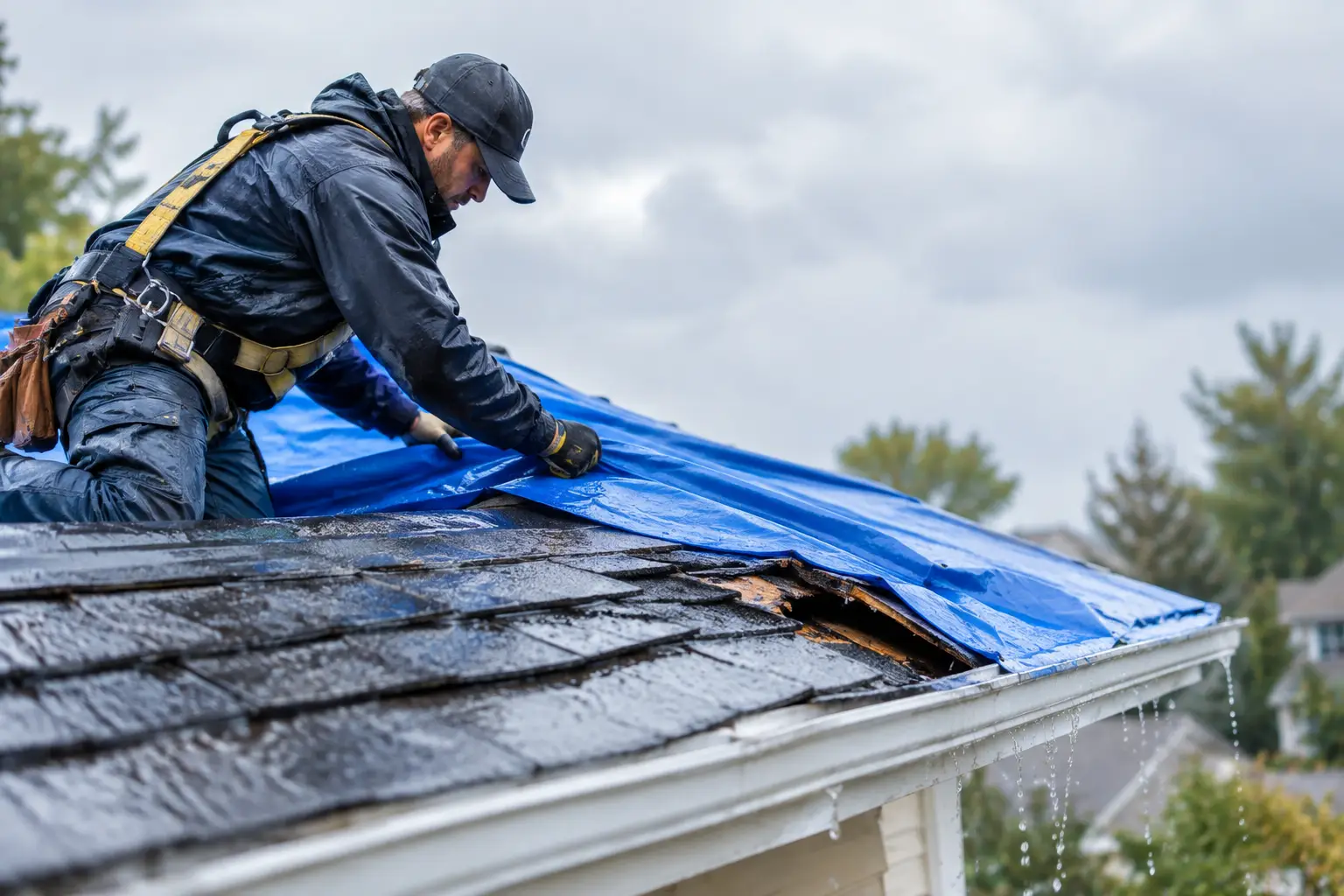
Curling shingles, widespread granule loss, repeated leaks, visible sagging, and storm damage can point toward replacement, but a roof should not be condemned from the ground alone. Some leaks come from damaged flashing, pipe boots, or a localized repair issue rather than failed field shingles. On the other hand, patching a roof that is near the end of its service life can delay a necessary replacement while adding repeated costs.
A professional inspection gives property owners a clearer decision. It can identify whether architectural shingles are the right material, whether the existing roof needs full replacement, and what conditions should be corrected to protect the new system. For Norwalk and Fairfield County homeowners, Rick’s Main Roofing can evaluate these details and provide a clear recommendation based on the roof in front of you, not a one-size-fits-all sales pitch.
The best architectural shingle is the one matched to your home’s exposure, style, budget, and underlying roof conditions. A thoughtful inspection and a complete installation plan turn that choice into protection you can rely on through Connecticut’s next storm season.