

Water that remains on a roof or collects beside a foundation can turn a manageable maintenance issue into a costly repair. Knowing how to improve roof drainage is especially important in Norwalk and across Fairfield County, where heavy rain, coastal storms, wet snow, and freeze-thaw cycles put drainage systems under constant pressure.
Effective drainage is more than installing gutters. It requires water to move correctly from the roof surface, through valleys and gutters, into downspouts, and safely away from the building. When one part of that path is blocked, undersized, damaged, or poorly designed, the results can include roof leaks, rotted trim, ice dams, basement moisture, and premature roof deterioration.
Start With the Roof Surface
The roof itself must shed water before gutters can do their job. On a steep-slope residential roof, shingles, slate, cedar, or metal panels should direct water consistently toward valleys and eaves. On a low-slope commercial roof, the system must guide water toward internal drains, scuppers, or perimeter drainage points without allowing standing water to remain for extended periods.
Look for obvious signs that water is not moving as it should: dark staining, moss growth, loose or missing shingles, damaged flashing, cracked sealant, and areas where debris collects. A roof valley is particularly vulnerable because it handles runoff from two roof planes at once. Leaves, pine needles, and branches can form a dam in the valley, forcing water beneath shingles or into flashing seams.
Flat and low-slope roofs require a different evaluation. Small areas of ponding can indicate inadequate slope, blocked drains, compressed insulation, or deterioration in the roofing membrane. While a roof may tolerate some temporary water after a storm, persistent ponding deserves professional attention. Water weight adds stress to the structure, and prolonged exposure can shorten the service life of rubber and other low-slope roofing materials.
Repair Drainage Problems Before They Become Leaks
A gutter upgrade will not solve a failing roof system. Damaged shingles, open flashing, deteriorated pipe boots, and worn valley protection can all allow water inside before it ever reaches the gutter. Address repairs promptly, particularly after high-wind storms or winter weather.
For older homes and historic properties, repairs should also respect the original roofing material and drainage design. Slate, cedar, and copper components demand material-specific experience. An incorrect repair can interfere with water flow or create a new weak point in an otherwise sound roof.
Keep Gutters Clear, Secure, and Properly Sized
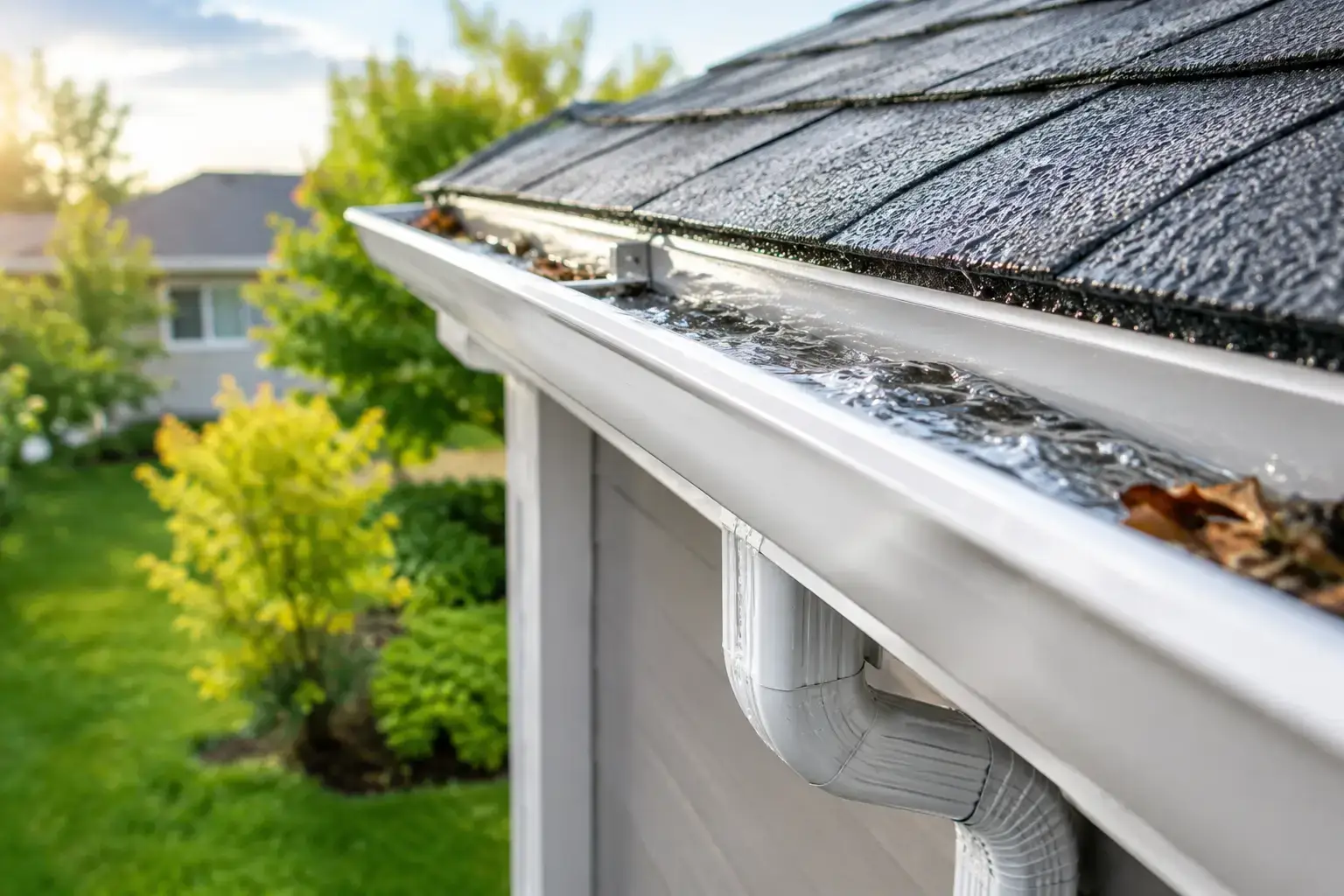
Gutters carry a surprising amount of water during a Connecticut downpour. If they are clogged, sagging, or too small for the roof area, water spills over the side instead of reaching the downspout. That overflow can soak fascia boards, stain siding, erode landscaping, and saturate soil near the foundation.
Clean gutters at least twice a year, typically in late spring and late fall. Properties with mature trees may need more frequent service. Remove leaves and roof granules, then flush the channels with water to confirm that flow reaches every downspout. Do not overlook the downspout outlet, where compacted debris often forms a blockage.
Gutters should slope gradually toward the downspouts. A section that is level or pitched in the wrong direction may hold standing water, which can lead to corrosion, separation at joints, and added strain on hangers. Loose gutters should be refastened before they pull away from the fascia.
Gutter guards can reduce the amount of debris that enters the system, but they are not maintenance-free. Some guards work well for broad leaves but may still allow small needles, seeds, and roof grit to accumulate. The right choice depends on nearby trees, roof pitch, gutter style, and how accessible the gutters are for routine service.
Add Downspouts Where Runoff Is Concentrated
One downspout is not always enough. Long gutter runs and large roof sections can overwhelm a single outlet during intense rain. Water may then rise over the gutter edge, even when the gutter is clean.
Adding or relocating downspouts can improve capacity and distribute water more evenly. This is often helpful near roof valleys, dormers, and areas where upper roof sections discharge onto lower roofs. A roofing professional can evaluate the roof’s drainage pattern and determine whether larger gutters, wider downspouts, or additional outlets are appropriate.
Move Water Away From the Foundation
A roof drainage plan is incomplete if downspouts empty directly beside the building. Water should be directed well away from the foundation through extensions, buried drain lines, splash blocks, or properly designed dry wells, depending on the property and local drainage conditions.
The ground around the building should also slope away from the foundation. If soil has settled over time, runoff can flow back toward the structure rather than away from it. That can contribute to damp basements, foundation cracking, mold concerns, and damage to landscaping.
Be careful with buried downspout drains. They create a clean appearance and can be highly effective, but they need a clear discharge point and occasional inspection. A buried pipe that is crushed, disconnected, or blocked can send water back toward the foundation without obvious warning signs. If a downspout appears to back up during rain, the underground line may need to be inspected.
For commercial buildings, site drainage may involve catch basins, roof drains, scuppers, underground leaders, and paved areas that affect where runoff travels. Property managers should consider the entire drainage route, not just the visible roof edge. A blocked interior drain or scupper can create ponding that disrupts operations and threatens the building envelope.
Prevent Winter Drainage Problems
Winter introduces a separate set of challenges. Snow melts on warmer upper sections of a roof, then refreezes at the colder eaves. This can create an ice dam that traps water behind it. That water may work beneath shingles and leak into ceilings, walls, and insulation.
Gutters packed with leaves or frozen debris make ice dams worse because meltwater has nowhere to go. Cleaning gutters before winter is a practical first step, but the deeper issue may involve attic insulation and ventilation. Uneven roof temperatures often indicate that warm indoor air is reaching the attic or that ventilation is insufficient.
Do not rely on chipping ice away with sharp tools. That approach can damage shingles, gutters, and roof membranes. If ice dams are recurring, a roofing inspection can identify contributing conditions, including ventilation issues, inadequate insulation, or drainage details that need improvement.
Know When Drainage Calls for Professional Help
Some drainage tasks are appropriate for routine property maintenance, but recurring overflow or roof leaks should not be treated as a simple cleaning problem. Professional assessment is warranted when you notice water stains indoors, soft or rotted fascia, sagging gutters, persistent ponding, loose flashing, ice dam damage, or erosion near the foundation.
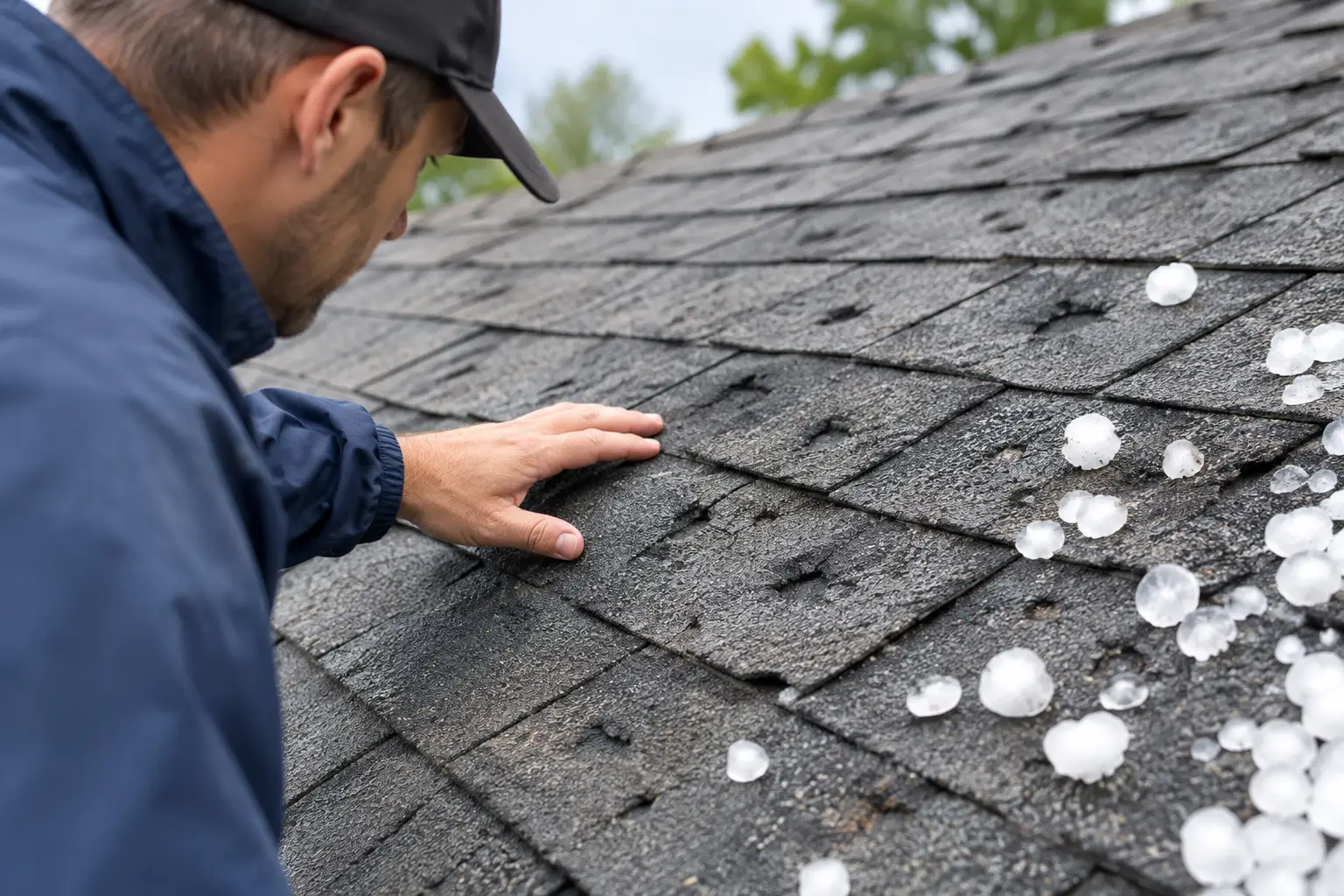
It is also wise to schedule an inspection after severe wind and rain. Storm damage can loosen shingles, bend gutter sections, dislodge downspouts, and deposit debris in valleys or roof drains. Small issues are easier and less expensive to correct before the next storm exposes them.
Rick’s Main Roofing evaluates the full drainage path, from the roof surface and flashing to gutters, downspouts, and the areas where runoff leaves the building. For homes, coastal properties, historic roofs, and commercial facilities, the right solution depends on the roofing system, building layout, and the way water moves across the site.
A dry roof is not simply one that does not leak today. It is one that can move water safely through the next heavy rain, winter thaw, or coastal storm without allowing moisture to find a way inside.