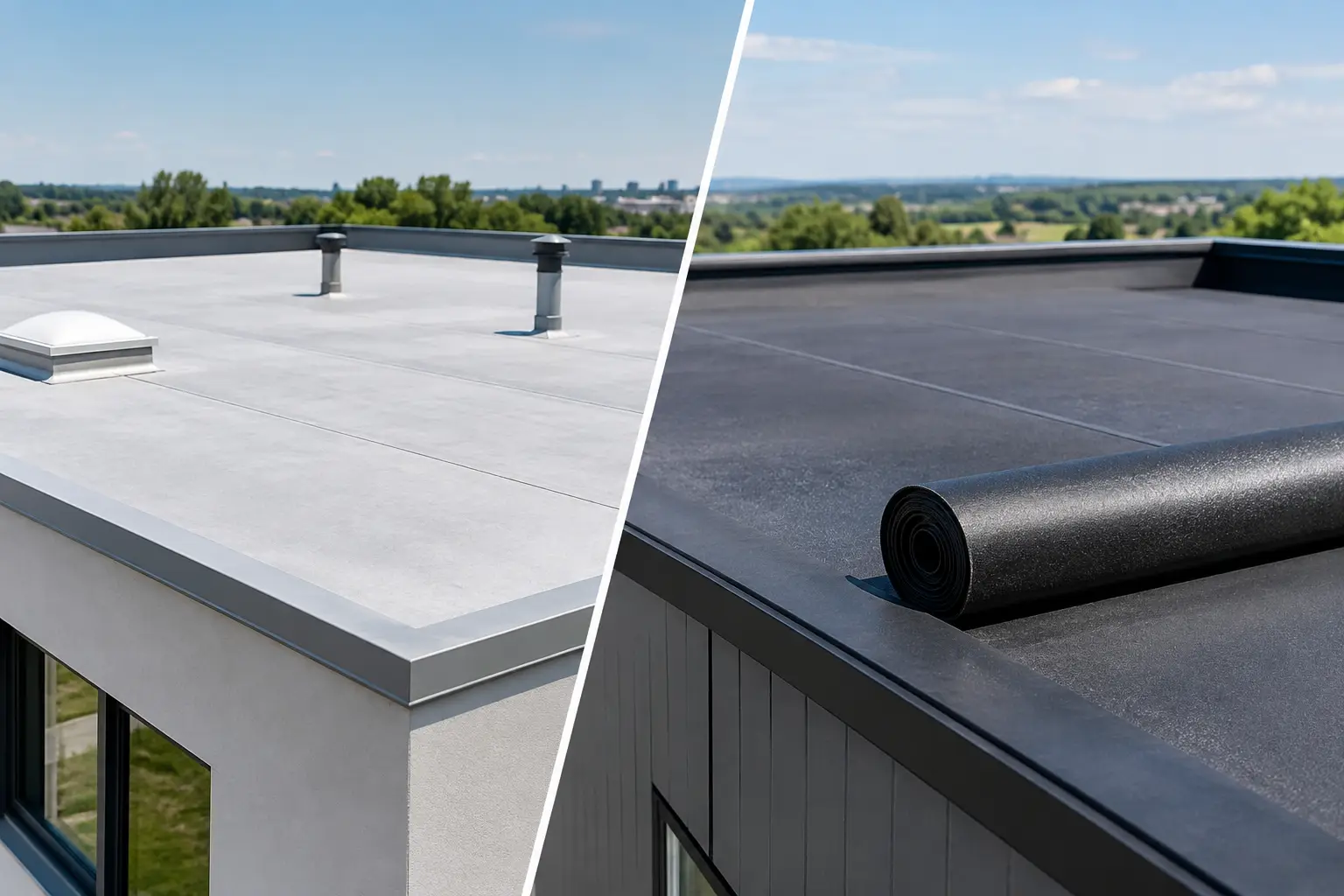


A leak over a finished room, retail space, or mechanical area rarely gives property owners much time to sort through roofing terminology. That is why flat roof vs rubber can be a confusing comparison. A flat roof describes the roof’s shape or slope. Rubber generally describes one type of roofing membrane installed on that roof. In many cases, a rubber roof is the practical solution for a flat or low-slope roof.
The right decision depends on the building’s slope, drainage, existing roof system, exposure to wind and weather, budget, and how long you expect the roof to perform. For homes and commercial properties in Norwalk and throughout Fairfield County, those details matter. Snow, freeze-thaw cycles, wind-driven rain, coastal exposure, and summer heat can quickly expose weaknesses in an improperly selected or installed low-slope roofing system.
Flat Roof vs Rubber: They Are Not the Same Thing
A roof described as “flat” is not usually perfectly flat. It has a slight pitch designed to direct water toward drains, scuppers, or gutters. This type of roof is common on commercial buildings, additions, porches, garages, modern homes, and sections of larger residential properties.
“Rubber roofing” most often refers to EPDM, or ethylene propylene diene monomer. EPDM is a flexible synthetic membrane commonly used on low-slope roofs. It is typically black, although white-coated options and other reflective systems may be available depending on the application.
So, the real question is usually not whether to choose a flat roof or a rubber roof. It is whether EPDM rubber is the right covering for your flat or low-slope roof. Other common membrane options include TPO and PVC, while modified bitumen and built-up roofing remain suitable in certain situations. Each system has different strengths, installation requirements, and maintenance considerations.
Why Shingles Are Often a Poor Fit for Low Slopes
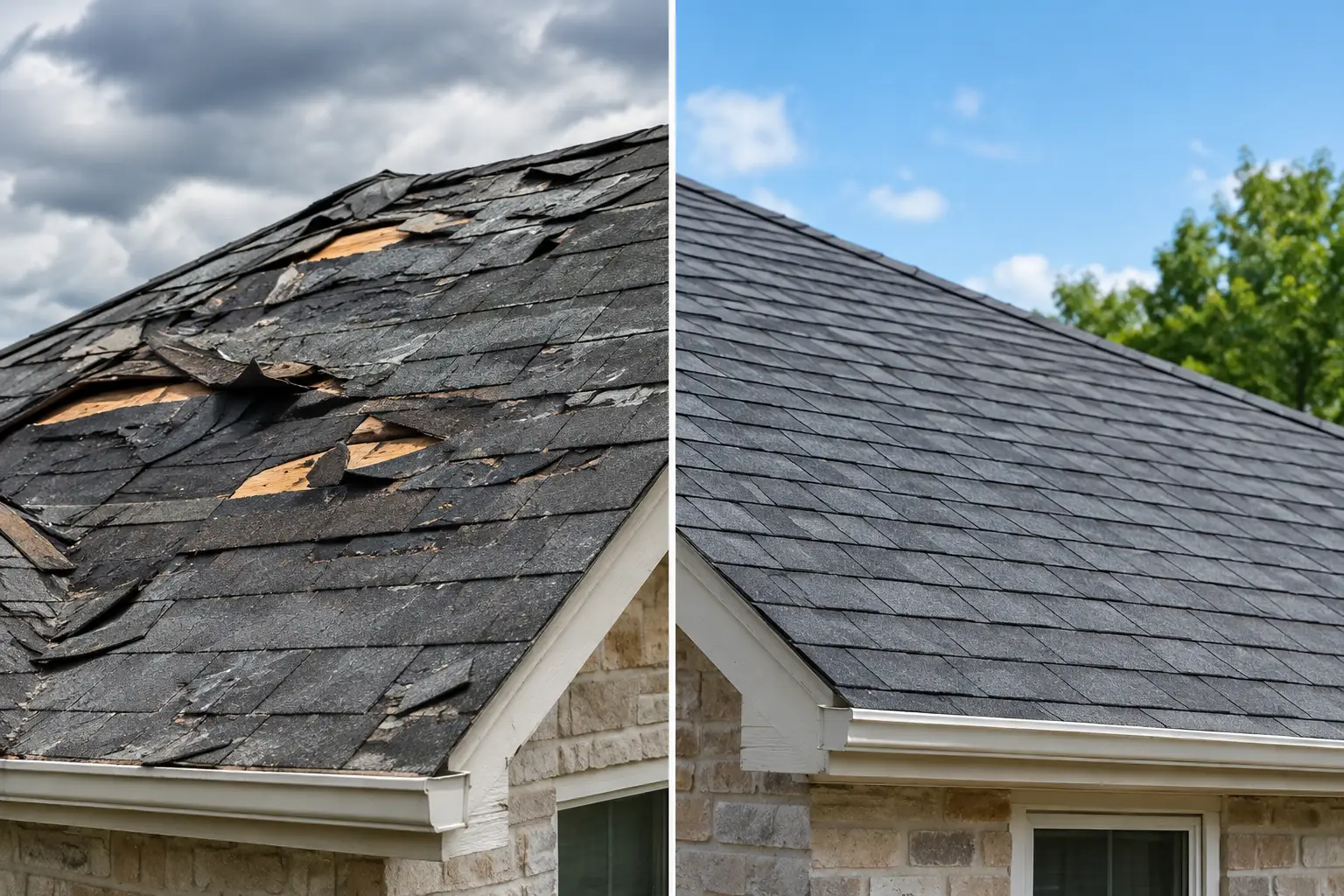
Asphalt shingles are designed to shed water. They perform well on properly pitched residential roofs because gravity moves rain and melting snow down the roof surface quickly. On a low-slope roof, water moves more slowly and can back up beneath shingles, especially around seams, flashing details, or areas where debris has collected.
Membrane systems work differently. Rather than relying on overlapping pieces to shed water, they create a more continuous waterproof barrier across the roof deck. Seams, penetrations, perimeter edges, and transitions still require careful workmanship, but a properly installed membrane is generally a far better match for low-slope conditions than standard shingles.
A roof’s exact pitch should be measured before selecting a material. Some shingle products can be installed on lower slopes with specific underlayment requirements, but there are limits. A qualified roofing inspection can identify whether shingles, EPDM, TPO, PVC, or another system is appropriate for the structure.
When EPDM Rubber Roofing Makes Sense
EPDM has been used successfully on low-slope roofs for decades. It is known for flexibility, weather resistance, and dependable performance when installed over a properly prepared substrate. Its flexibility is especially valuable in Connecticut, where roofing materials expand and contract through major temperature changes over the year.
Rubber roofing can be an excellent fit for a flat-roofed home addition, detached garage, commercial building, apartment property, or roof section with limited slope. It can also work well where there are several vents, pipes, HVAC curbs, skylights, or other penetrations that need to be sealed carefully.
Black EPDM absorbs heat, which may be acceptable or even beneficial in some applications. However, it can raise roof-surface temperatures during summer. Property owners concerned about energy efficiency, rooftop heat, or specific building requirements may want to compare EPDM with white TPO or PVC membranes. The best choice is not always the least expensive material. It is the system that best addresses the building’s drainage, exposure, use, and expected service life.
The Most Important Issue: Drainage
No roofing material performs well when water has nowhere to go. Flat and low-slope roofs need a drainage plan that moves water off the surface efficiently. Standing water, often called ponding, can accelerate wear, strain seams, hide developing leaks, and contribute to structural concerns if it persists.
Before installing a rubber membrane, a roofing contractor should evaluate slope, roof deck condition, drains, gutters, scuppers, and the areas where water currently collects. In some cases, tapered insulation can be installed beneath the membrane to improve drainage while also increasing thermal performance. In others, repairing blocked drains or correcting localized low spots may be enough.
This is one reason material selection should not be treated as a simple product purchase. A high-quality membrane installed over poor drainage details may still fail prematurely. Proper preparation and edge detailing are as important as the membrane itself.
EPDM Compared With Other Flat Roofing Materials
EPDM is a dependable option, but it is not the only option for a flat roof. TPO is a single-ply membrane with heat-welded seams and a typically white, reflective surface. It is frequently selected for commercial properties and buildings where reducing heat absorption is a priority. PVC also has heat-welded seams and can be particularly useful where grease, chemicals, or exhaust exposure are concerns, such as restaurants or certain industrial facilities.
Modified bitumen uses asphalt-based sheets and can provide strong durability, particularly on roofs that receive regular foot traffic for maintenance. Built-up roofing, which uses multiple layers of bitumen and reinforcing materials, remains a proven system in appropriate commercial applications but can be more involved to install.
The differences are meaningful. EPDM seams are typically adhered or taped, while TPO and PVC seams are heat-welded. EPDM is highly flexible and well-established, while reflective membranes may offer energy advantages in certain buildings. Cost, roof complexity, insulation needs, and the installer’s experience with the specific system should all be part of the decision.
Installation Quality Determines Long-Term Performance
A flat roof membrane is only as reliable as its installation. The roof deck must be dry, sound, and properly prepared. Insulation must be secured correctly. Flashings around walls, pipes, curbs, and roof edges must be detailed for movement and water resistance. Seams need to be installed according to manufacturer specifications.
Shortcuts at these points are often what lead to leaks, not necessarily a defective roofing material. For example, water intrusion may begin at a drain detail, a wall transition, or a poorly sealed penetration long before the field of the membrane shows a problem.
For property owners, this makes contractor selection critical. Ask how the existing roof will be evaluated, whether wet materials will be removed, how drainage concerns will be addressed, and what system is recommended for your roof’s conditions. A detailed estimate should explain the scope of work rather than simply naming a material.
Maintenance Protects a Rubber Roof Investment
Rubber roofing is relatively low-maintenance, but it should not be ignored. Seasonal inspections can catch loose edge metal, damaged flashing, punctures, clogged drains, and seam concerns before they become interior leaks. This is particularly important after severe wind, heavy snow, ice, or fallen branches.
Property owners should also limit unnecessary foot traffic. EPDM is durable, but sharp objects, dropped tools, and repeated traffic around HVAC equipment can damage a membrane. If service access is necessary, designated walk pads may be appropriate.
Debris removal matters as well. Leaves and branches can block drains and hold moisture against roof details. On coastal properties, regular inspections are especially useful because wind exposure and salt-laden air can affect roof components, fasteners, and metal flashings over time.
Choosing the Right System for Your Property
The best flat roofing decision starts with an on-site assessment, not a generic recommendation. A small residential addition may benefit from EPDM because of its flexibility and proven performance. A large commercial roof with significant sun exposure may be better suited to a reflective TPO system. A building with drainage problems may need tapered insulation or repairs before any membrane is installed.
If your low-slope roof is aging, leaking, or showing ponding water, address it before moisture damages insulation, decking, ceilings, and interior finishes. Rick’s Main Roofing can evaluate the condition of the existing system, identify the source of problems, and recommend a roofing solution built for Connecticut weather and the specific needs of your property.
A flat roof does not have to be a recurring concern. With the right membrane, sound drainage, and professional installation, it can provide dependable protection for years to come.