

A roof that absorbs afternoon sun can become far hotter than the outdoor temperature. That heat does not stay outside. It can move into an attic, strain air conditioning equipment, and make upper floors uncomfortable during Connecticut’s humid summer stretches. Cool roofs are designed to limit that heat gain by reflecting more sunlight and releasing absorbed heat more effectively than conventional dark roofing surfaces.
For a homeowner or commercial property manager, the right cool-roof approach is not simply a matter of choosing the lightest color available. Roof slope, insulation, attic ventilation, material type, building use, local exposure, and the condition of the existing roof all affect whether a system will deliver meaningful results. A properly specified roof should improve comfort and efficiency without compromising durability, drainage, curb appeal, or cold-weather performance.
What Makes a Roof “Cool”?
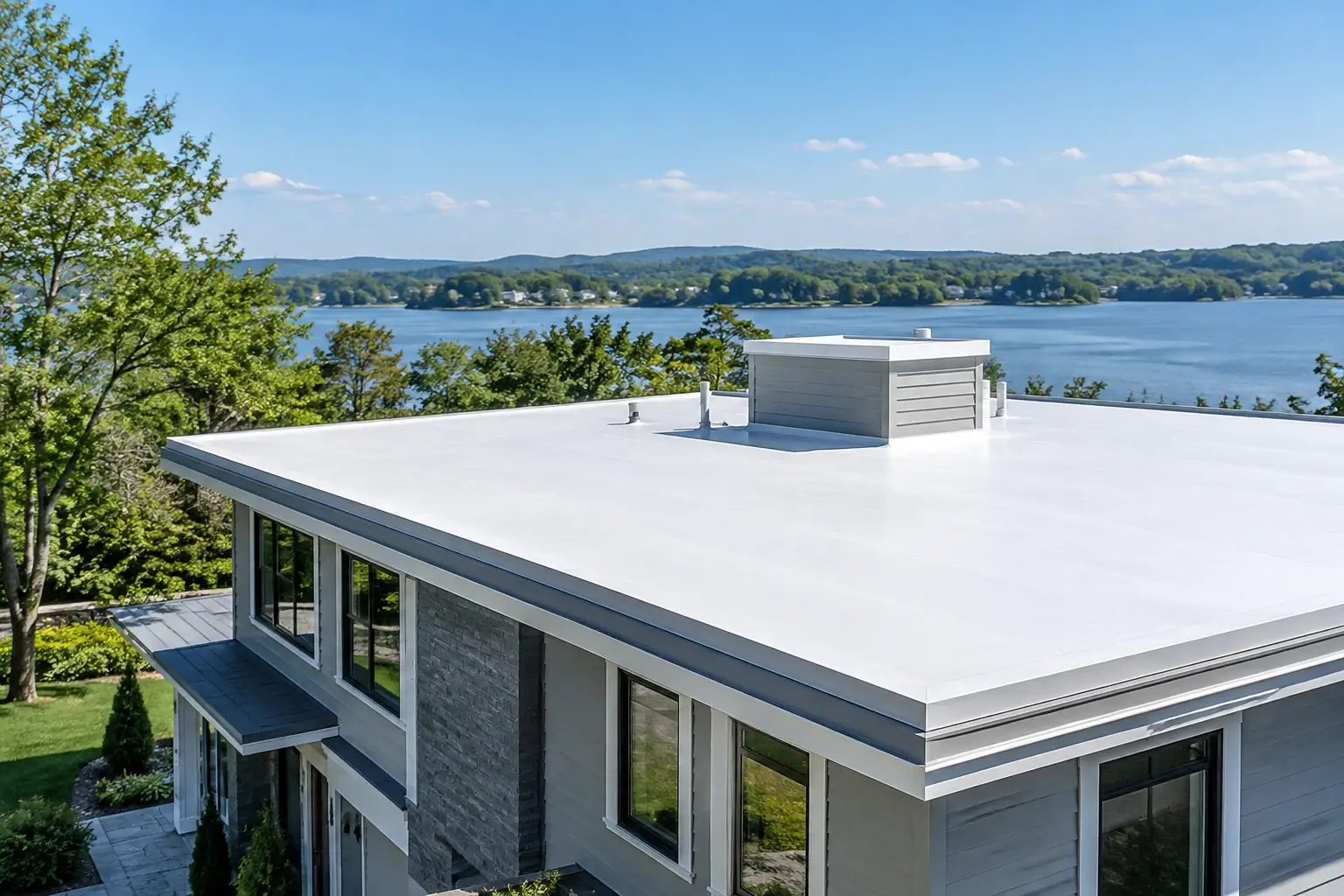
A cool roof has a surface with high solar reflectance and thermal emittance. In practical terms, it reflects a larger share of the sun’s energy rather than absorbing it, then releases heat more readily. White and light-colored membranes are common examples on low-slope commercial roofs, but cool roofing options are available in many colors and materials.
The surface temperature difference can be substantial under direct sun. Lower roof temperatures may reduce heat transfer into the building, which can lower cooling demand during summer. On commercial buildings with large, low-slope roof areas, the impact can be especially noticeable because the roof represents such a large exposed surface.
That does not mean every light-colored roof is automatically a high-performing cool roof. Product ratings, coating condition, installation details, and maintenance all matter. Dirt, standing water, staining, or aging can reduce reflectivity over time. The full roof assembly also matters: a reflective surface cannot compensate for inadequate insulation, moisture-damaged decking, poor flashing, or ventilation problems.
Cool Roofs in Fairfield County: Benefits and Limits
Connecticut properties experience more than summer heat. Roofs here must also handle heavy rain, snow loads, freeze-thaw cycles, wind-driven storms, and occasional coastal exposure. A sound recommendation accounts for the entire year.
The main benefit of a cool roof is reduced solar heat gain. For a building with air conditioning, that can mean a more stable indoor temperature and less demand on cooling equipment. Cooler roof surfaces may also experience less thermal movement and ultraviolet stress than very dark surfaces, which can support long-term material performance when the system is installed and maintained correctly.
For commercial facilities, cooler roof temperatures can improve conditions below the roof deck, particularly in top-floor offices, warehouses, retail spaces, and buildings with mechanical equipment near the roof. For homeowners, the benefit is often most apparent in finished attics, second-story rooms, and spaces beneath poorly insulated roof sections.
There are trade-offs. A highly reflective roof may slightly reduce passive solar heat gain in winter, when Connecticut heating costs matter. The actual effect depends on the building’s insulation, air sealing, roof geometry, heating system, and occupancy. In a well-insulated home, the winter difference may be limited, while summer comfort and cooling benefits remain valuable.
Glare is another consideration. On a low-slope roof that is visible from neighboring buildings or taller windows, a bright white membrane can reflect significant light. A qualified roofing contractor can discuss material and color choices that balance reflectivity with the property’s surroundings and appearance.
Which Roofing Materials Can Be Cool?
The best material depends first on the roof type. Low-slope commercial roofs and steep-slope residential roofs require different systems, installation methods, and drainage considerations.
Low-slope commercial roofing
White single-ply membranes, including TPO and PVC systems, are widely used for cool commercial roofs. Their light surface can provide strong solar reflectance, and these systems are designed for low-slope applications when properly detailed around drains, penetrations, parapet walls, and equipment curbs.
Modified bitumen and other commercial roof assemblies can also be finished with reflective cap sheets or coatings. A coating may be a practical option in some situations, but it is not a universal repair solution. The existing roof must be dry, structurally sound, properly prepared, and suitable for coating. Coating over active leaks, saturated insulation, open seams, or failing flashing only conceals problems temporarily.
Metal roofing can also be a cool-roof option when it uses a reflective factory finish. Metal’s durability and ability to shed water make it attractive for certain commercial and residential applications, though details at fasteners, seams, transitions, and penetrations remain critical.
Steep-slope residential roofing
Asphalt shingles are available in reflective colors that can offer a cooler alternative to traditional dark shingles. These products can be a strong fit for homeowners who want familiar appearance, reliable performance, and a broad range of color choices. The roof must still have the right underlayment, ice and water protection, flashing, and ventilation for Connecticut conditions.
Metal roofing is another option for steep-slope homes, particularly where longevity, snow shedding, and coastal weather resistance are priorities. Reflective finishes can help control solar heat gain, while the material’s appearance may suit modern, farmhouse, or certain historic-adjacent designs. Historic properties require additional care, since material choice should respect architectural character as well as performance requirements.
Cedar and slate roofs are usually selected for appearance, heritage, and longevity rather than cool-roof ratings. Still, their performance should be considered as part of the entire roof system. Ventilation, insulation, deck condition, and proper installation can make a major difference in interior comfort regardless of the visible roofing material.
Installation Details Matter as Much as Color
A cool roof performs only as well as the assembly beneath it. Before recommending a replacement or restoration, a roofing professional should evaluate roof age, drainage, deck condition, flashing, insulation, ventilation, and signs of moisture intrusion.
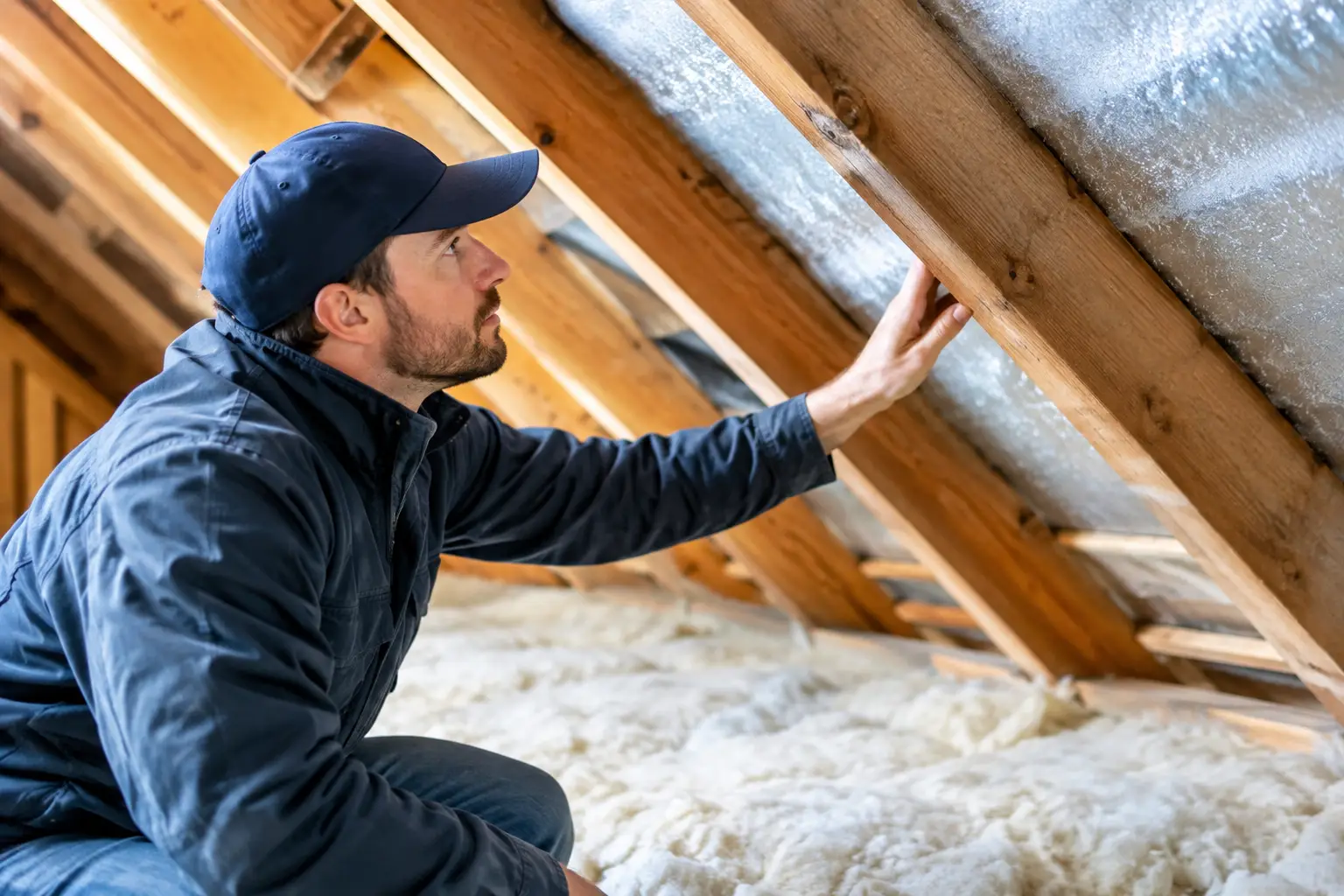
For a residential roof, attic ventilation and air sealing deserve close attention. Inadequate intake or exhaust ventilation can trap heat and moisture, contributing to premature shingle aging, condensation, and ice-dam concerns. A reflective shingle may lower surface heat, but it cannot fix an attic that is poorly insulated or improperly ventilated.
For a commercial roof, ponding water, clogged drains, deteriorated seams, and aging insulation can affect both roof life and energy performance. The solution may involve repairs, improved drainage, insulation upgrades, a recover system, or a full replacement. The correct scope depends on the roof’s condition, not on a preference for the quickest option.
Local weather also shapes installation decisions. In Fairfield County, water management and ice protection are central concerns. Flashing at chimneys, skylights, walls, valleys, and penetrations must be installed with precision. A highly reflective roof that leaks is not an energy upgrade. It is a roofing problem that needs immediate correction.
Is a Cool Roof Right for Your Property?
Cool roofing is often worth considering when a building has significant summer heat gain, high air-conditioning use, an aging low-slope membrane, or top-floor comfort complaints. It can also make sense during a planned roof replacement, when material selection can be coordinated with insulation, ventilation, and drainage improvements.
The right decision is more nuanced for heavily shaded homes, buildings with little cooling demand, or properties where architectural requirements limit color and material choices. A dark roof is not automatically wrong, just as a white roof is not automatically the best answer. The goal is a roof system that fits the property and performs reliably through every season.
Rick’s Main Roofing helps homeowners, property managers, and commercial owners evaluate roofing systems based on local weather exposure, building needs, and long-term maintenance expectations. An experienced inspection can identify whether a reflective material, a ventilation correction, targeted repair, or full replacement offers the best value.
If your upper rooms run hot, your commercial roof is nearing the end of its service life, or your energy costs rise sharply each summer, start with a professional roof assessment. The most effective cool-roof solution is the one that keeps heat, water, and avoidable repair costs out of the building for years to come.