

A roof leak after a Fairfield County storm can make one question feel urgent: are roof permits required before the work starts? The answer depends on the scope of work, the building, and the local building department with jurisdiction over the property. A small repair may move forward differently than a full tear-off and replacement, while structural changes almost always require closer review.
For homeowners and property managers, permits are not just paperwork. They create a record that the proposed work is being reviewed for safety, code compliance, and, where applicable, proper installation practices. Getting the answer early helps avoid stop-work orders, failed inspections, delays during a sale, or expensive corrections after a roof is already installed.
Are Roof Permits Required for Roof Replacement?
In many Connecticut communities, a full roof replacement requires a building permit, particularly when the project involves removing existing roofing materials, installing a new roof system, or changing any part of the roof structure. However, permit policies are established and enforced locally. Norwalk, neighboring Fairfield County towns, and nearby communities can have different applications, fees, submittal requirements, and inspection procedures.
A permit may be required whether the new roof is asphalt shingles, standing-seam metal, cedar, slate, or a low-slope membrane system. The material itself does not automatically determine the answer. What matters is how the work affects the building envelope, roof assembly, structural load, fire rating, drainage, or code-required details such as flashing and ventilation.
Even a straightforward replacement deserves a permit conversation before materials arrive. For example, installing a second layer of shingles may be allowed in limited circumstances, but the condition of the existing roof deck, the number of existing layers, local code requirements, and manufacturer installation instructions all matter. A complete tear-off often provides the clearest opportunity to inspect the decking and install the new system correctly.
When a Permit Is More Likely to Be Needed
The more a roofing project changes the building, the more likely a permit is required. This is especially true when the work reaches beyond surface materials and into framing, drainage, or building performance.
Structural repairs are a clear example. If rafters, trusses, roof sheathing, fascia, or other supporting components are damaged and need replacement beyond minor incidental repairs, the building department may require plans or additional documentation. This commonly occurs after long-term leaks, fallen trees, heavy snow loads, or storm damage.
A permit is also more likely when a project changes the roofline or adds features. Dormers, skylights, roof-mounted equipment, new vents, major chimney work, and changes to drainage can affect structural, weatherproofing, electrical, or energy-code requirements. On commercial properties, replacement of a low-slope roofing system may involve insulation thickness, drainage design, parapet details, or fire classifications that require a more detailed review.
Historic properties, coastal homes, condominiums, and commercial buildings can introduce another layer of approvals. A historic district may have design review requirements. A condominium association may require written approval before work begins. Coastal exposure may call for careful attention to wind resistance and corrosion-resistant materials. Those requirements are separate from, and do not replace, a municipal permit.
When Minor Roof Repairs May Be Different
Not every roof service calls for a full permit process. Limited maintenance and minor repairs are often treated differently from replacement work. Replacing a small number of damaged shingles, resealing flashing, addressing a localized leak, cleaning a gutter-related drainage issue, or making a temporary emergency repair may not require the same approval as a full reroof.
That does not mean every repair is permit-exempt. The line can become unclear when a leak has caused concealed deck or framing damage, when a repair covers a large area, or when the work involves modifying vents, skylights, or other roof penetrations. A reliable contractor should identify those concerns rather than treating every problem as a simple patch.
Emergency conditions require practical judgment. When water is entering a home or business, temporary measures such as tarping or securing loose materials may be necessary immediately to prevent further damage. Permanent repairs or replacement work can then be coordinated with the appropriate local process. Protecting the property quickly and completing the final work correctly are both important.
Why Roofing Permits Matter
A permit provides an independent checkpoint. Depending on the project, an inspector may verify items such as deck condition, underlayment, flashing, fastening, ventilation, material installation, and final weather protection. Requirements vary by jurisdiction and roof type, but inspections can uncover problems that would otherwise remain hidden beneath finished roofing.
Permits also protect property owners when they sell, refinance, insure, or manage a building over time. Unpermitted work may raise questions during an inspection or transaction, particularly if there is a later leak, structural concern, or insurance claim. For commercial owners and managers, maintaining complete project records is equally valuable for asset planning and future maintenance decisions.
There is a trade-off. Permits can add administrative steps, fees, and scheduling time. But skipping a required permit can create a much larger disruption. If the building department issues a stop-work order, the project may pause while documents are gathered, work is exposed for inspection, or corrections are made. That is not the kind of surprise any property owner wants during an active roofing project.
Who Pulls the Roofing Permit?
In a professionally managed project, the roofing contractor commonly prepares and submits the permit application, coordinates inspections, and closes out the permit after work is completed. The exact arrangement should be confirmed in writing before the project begins. Property owners should know who is responsible for the application, permit fee, required drawings or specifications, inspection scheduling, and final approval.
Be cautious if a contractor says a major roof replacement never needs a permit or asks the owner to obtain one without explaining why. There may be legitimate local reasons for an owner-submitted application, but vague answers are a warning sign. A contractor should be able to describe the planned scope of work and explain how local requirements will be handled.
The property owner still has an interest in making sure permits are properly issued and closed. Ask for the permit number or a copy of the approved permit, and retain final inspection records with the roofing contract, warranty information, invoices, and photos. These documents can be useful long after the work is complete.
What a Roofing Contractor Should Review Before Applying
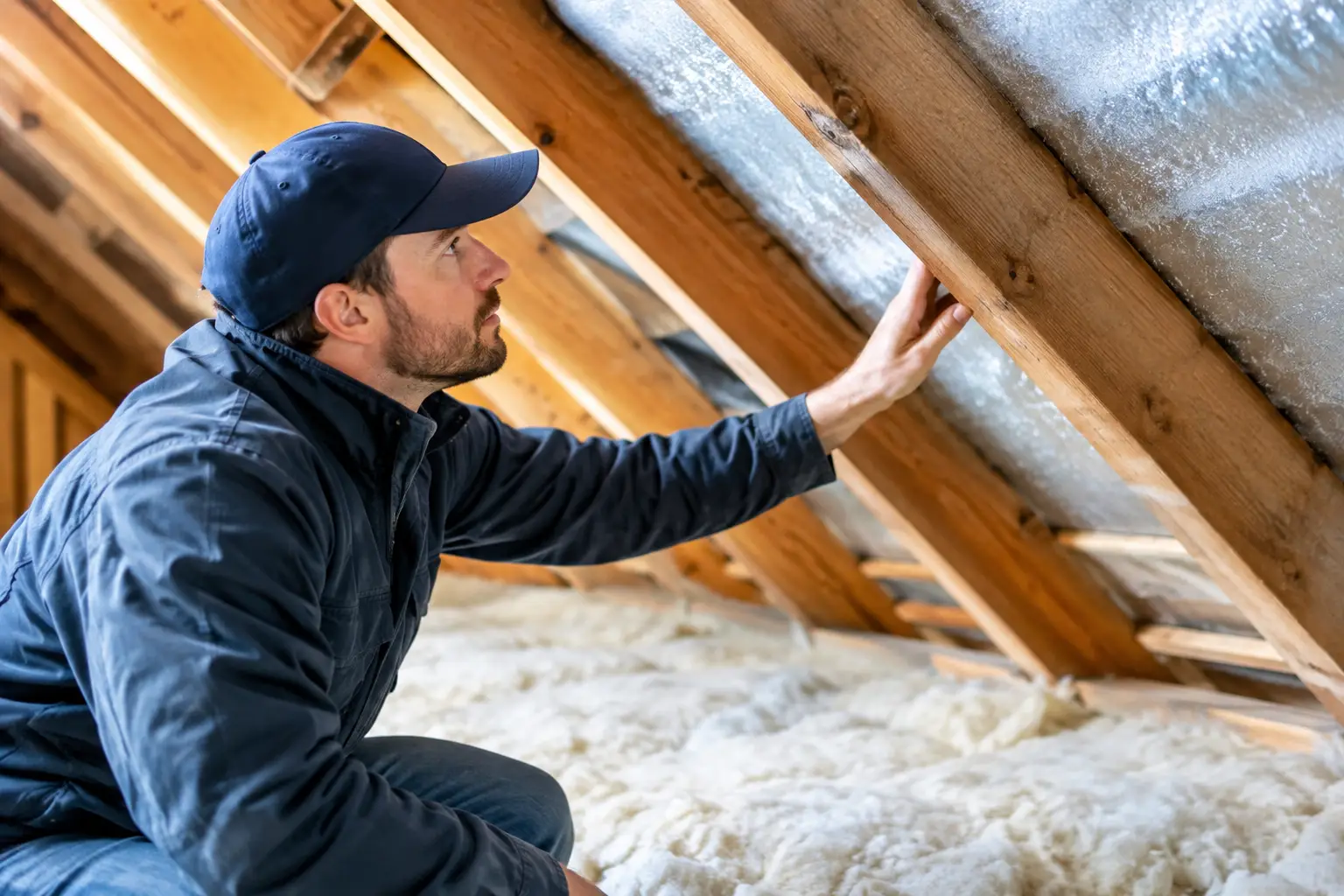
A permit application is strongest when it reflects the actual condition of the roof rather than a generic replacement description. Before beginning work, the contractor should evaluate the roof system, visible deck condition, drainage, flashing, penetrations, ventilation, and any evidence of structural damage.
For a residential asphalt roof, the application may be relatively straightforward, but details still matter. Ice and water protection, flashing around chimneys and walls, attic ventilation, and shingle fastening are especially relevant in Connecticut’s freeze-thaw cycles, heavy rain, and winter ice-dam conditions. For cedar, slate, metal, rubber, or commercial membrane roofing, material-specific details can become more significant.
The contractor should also confirm whether the project involves special conditions. A home with solar panels may require coordination with the solar provider. A roof with a chimney in poor condition may need masonry work before new flashing is installed. A commercial building may need a phased work plan to limit disruption to tenants or operations. Identifying these issues before permitting prevents scope changes when the roof is open.
Questions to Ask Before Roofing Work Begins
Before approving a proposal, ask whether a permit is required for the precise scope of work and which local authority will make that determination. Ask whether the price includes permit preparation and fees, whether inspections are included, and whether the contractor will provide final documentation.
It is also reasonable to ask what happens if hidden damage is found after tear-off. Responsible roofers do not ignore compromised decking or framing just to stay on schedule. They explain the condition, document it, discuss the repair options, and determine whether the additional work changes permit or inspection requirements.
For owners of older, coastal, historic, or commercial properties, ask how the proposed system addresses the building’s specific conditions. A roof is not simply a surface layer. It is a weather-defense assembly, and the details beneath the visible material often determine how well it performs.
Start With the Local Requirements, Then Build the Right Roof
The fastest path is not always the best path when your roof protects a major investment. Confirm the permit requirements with the local building department, choose a contractor who can manage the process professionally, and make sure the final scope addresses the condition of the entire roof system. Rick’s Main Roofing helps property owners across Norwalk and Fairfield County evaluate roof repairs and replacements with the local conditions, workmanship details, and project documentation in mind.