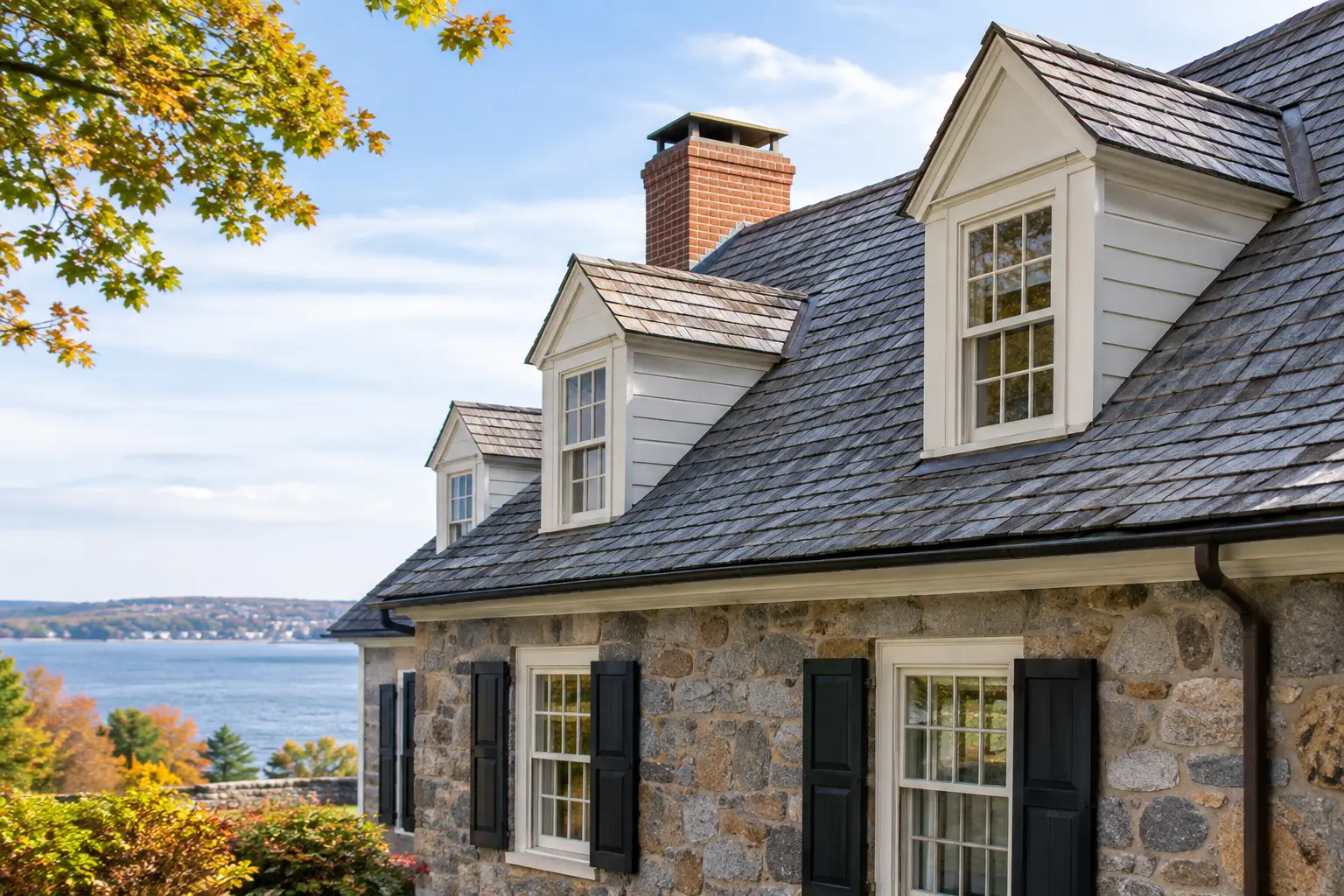


A historic roof rarely fails all at once. More often, a slipped slate, cracked flashing joint, worn cedar shake, or blocked valley lets water reach places it should not. This historic home roofing guide helps Connecticut property owners make sound decisions that protect the building, preserve its character, and avoid replacing more roof than necessary.
Historic homes in Norwalk, Fairfield County, and nearby communities face a demanding combination of freeze-thaw cycles, wind-driven rain, heavy snow, ice dams, and coastal moisture. The right roofing decision is not simply about choosing a durable material. It is about understanding the roof’s age, construction, drainage, ventilation, original material, and the requirements that may apply to a designated historic property.
Start With the Roof’s Original Design
Before planning a repair or replacement, identify what the roof was designed to do and what materials were originally used. A Victorian home with natural slate, a Colonial with cedar shingles, and an early 20th-century home with standing-seam metal each require a different approach. Installing a modern material that changes the roof profile, texture, or flashing details can diminish curb appeal and may create performance issues at dormers, chimneys, valleys, and eaves.
Original materials are not always practical to retain in full, particularly when a roof has been altered repeatedly or the framing has sustained water damage. Still, material compatibility should guide the decision. A qualified roofer can determine whether selective repairs, a partial replacement, or a complete new roof is the responsible long-term solution.
For homes within a historic district, check local review requirements before work begins. Some commissions regulate visible roofing materials, colors, profiles, and architectural details. Early planning prevents delays and helps ensure the completed roof respects both the home and the neighborhood.
Repair or Replace? The Answer Depends on Condition
Historic roofing calls for judgment, not a one-size-fits-all replacement recommendation. A roof with a handful of broken slates may need careful spot repair. A roof with widespread material failure, deteriorated underlayment, recurring leaks, and compromised flashings may warrant replacement even if portions still look acceptable from the ground.
A professional inspection should examine more than the exposed surface. The roofing system includes decking, underlayment, flashings, fasteners, drainage paths, ventilation, and attic conditions. Moisture staining in the attic, soft roof decking, rusted flashing, or inadequate ventilation can shorten the life of even the best visible roofing material.
When targeted repairs make sense
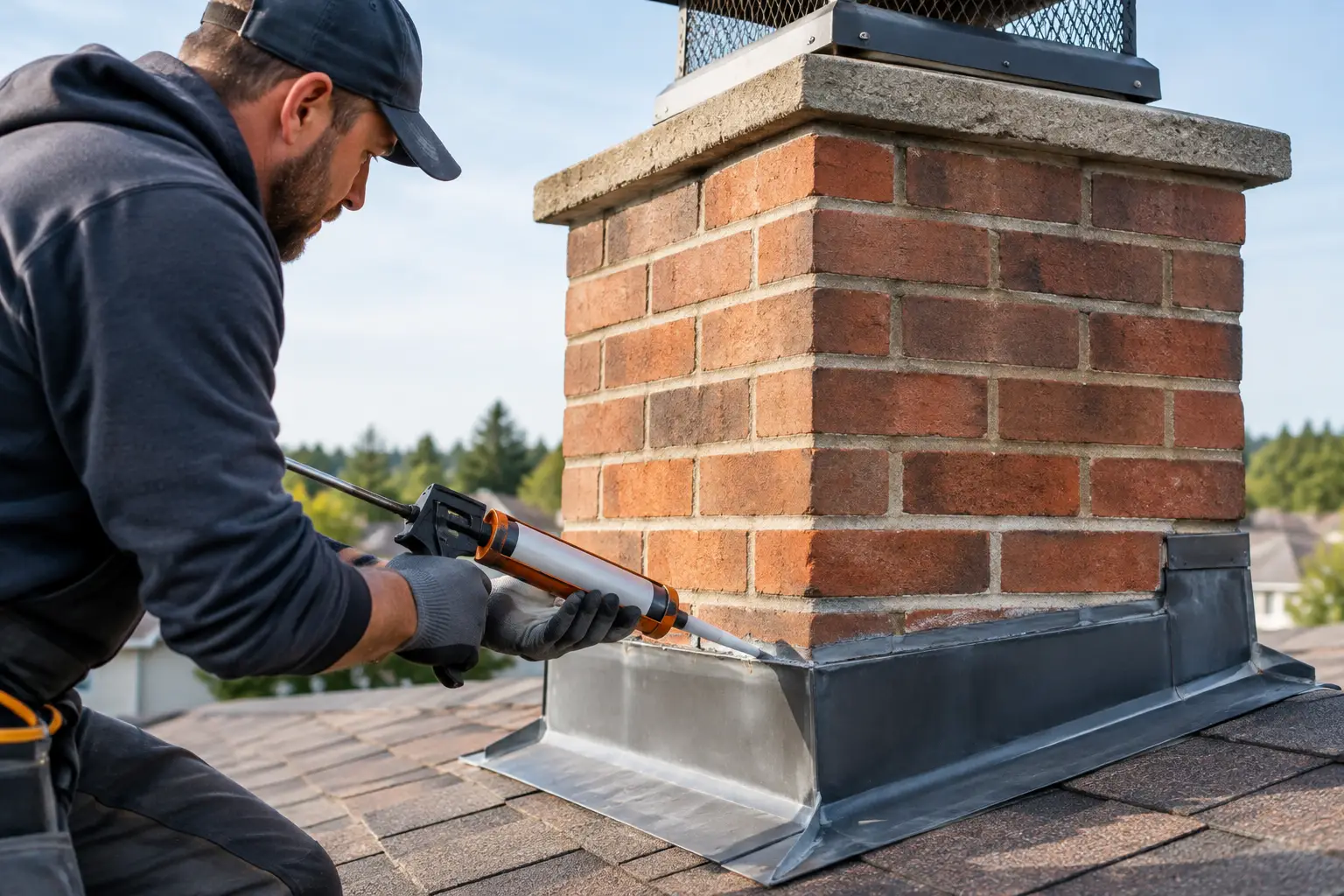
Repair is often the better investment when the roof is largely sound and the issue is isolated. Examples include replacing missing or cracked slate, resetting slipped pieces, repairing a small section of cedar shakes, resealing a flashing detail, or correcting a localized leak around a chimney.
The key is matching the existing system. On a slate roof, improperly driven nails or incompatible replacement pieces can crack surrounding slate. On cedar, a repair must maintain correct exposure and spacing so the roof can shed water and the wood can dry properly. Historic roof repairs should blend in visually while addressing the cause of failure, not merely the water stain inside.
When replacement is the safer choice
Replacement becomes more reasonable when repairs are frequent, leaks appear in multiple locations, materials have reached the end of their serviceable life, or the roof structure and underlayment need broad correction. This is also the time to address deficiencies that may not have been visible when the roof was first installed, including poor ventilation, inadequate ice-and-water protection, and aging chimney or wall flashings.
A replacement does not have to mean sacrificing historic appearance. Many roofing systems can be selected to preserve the proper scale, color range, and texture while improving weather resistance. The right option depends on the home, local requirements, budget, and how long the owner plans to keep the property.
Choosing Materials for a Historic Roof
Material selection should balance authenticity, performance, maintenance expectations, and cost. There is no universal “best” historic roofing material.
Slate roofing
Natural slate is one of the most durable roofing materials available and is common on significant older homes throughout Connecticut. Individual slates can often be repaired, making preservation possible long after installation. However, slate is heavy, requires experienced handling, and depends on properly detailed copper or other compatible metal flashings.
A slate roof should never be treated like asphalt shingles. Walking carelessly on it can cause cracks, and using inappropriate fasteners or sealants can accelerate failure. If a full slate replacement is necessary, confirm that the roof structure can support the material and that the selected slate provides an appropriate thickness, color, and texture for the home.
Cedar shakes and shingles
Cedar delivers a warm, traditional appearance that suits many Colonial, Cape, cottage, and coastal properties. It also requires regular attention. Moss, trapped debris, poor ventilation, and persistent shade can hold moisture against cedar and lead to premature deterioration.
Quality cedar roofing is installed with proper spacing, exposure, ventilation, and flashing details. In Connecticut, ice dams and winter moisture make those details especially important. Cedar may be a strong choice where authenticity matters, but owners should be realistic about its maintenance needs and monitor it closely after severe weather.
Metal roofing
Standing-seam metal has a long history on porches, additions, barns, and certain historic residences. It can be an excellent option when the architectural style supports it, particularly on low-slope sections where water shedding is critical. Metal is lightweight and durable, but details matter: panel width, seam style, finish, snow retention, expansion allowance, and flashing integration all affect appearance and performance.
Not every shiny metal roof fits an older home. A finish and panel profile should complement the property rather than make a historic structure look newly commercial.
Asphalt and synthetic alternatives
Architectural asphalt shingles and synthetic slate products may be appropriate for some historic homes, especially where a property is not subject to material restrictions or where budget and structural limits rule out natural slate. They can provide dependable protection at a lower initial cost, but their appearance and lifespan differ from the original materials.
The trade-off is straightforward: an alternative material may reduce upfront expense and simplify installation, while authentic materials may better preserve architectural value and visual integrity. A clear assessment of the home’s goals should come before the material decision.
Do Not Overlook Flashing, Drainage, and Ventilation
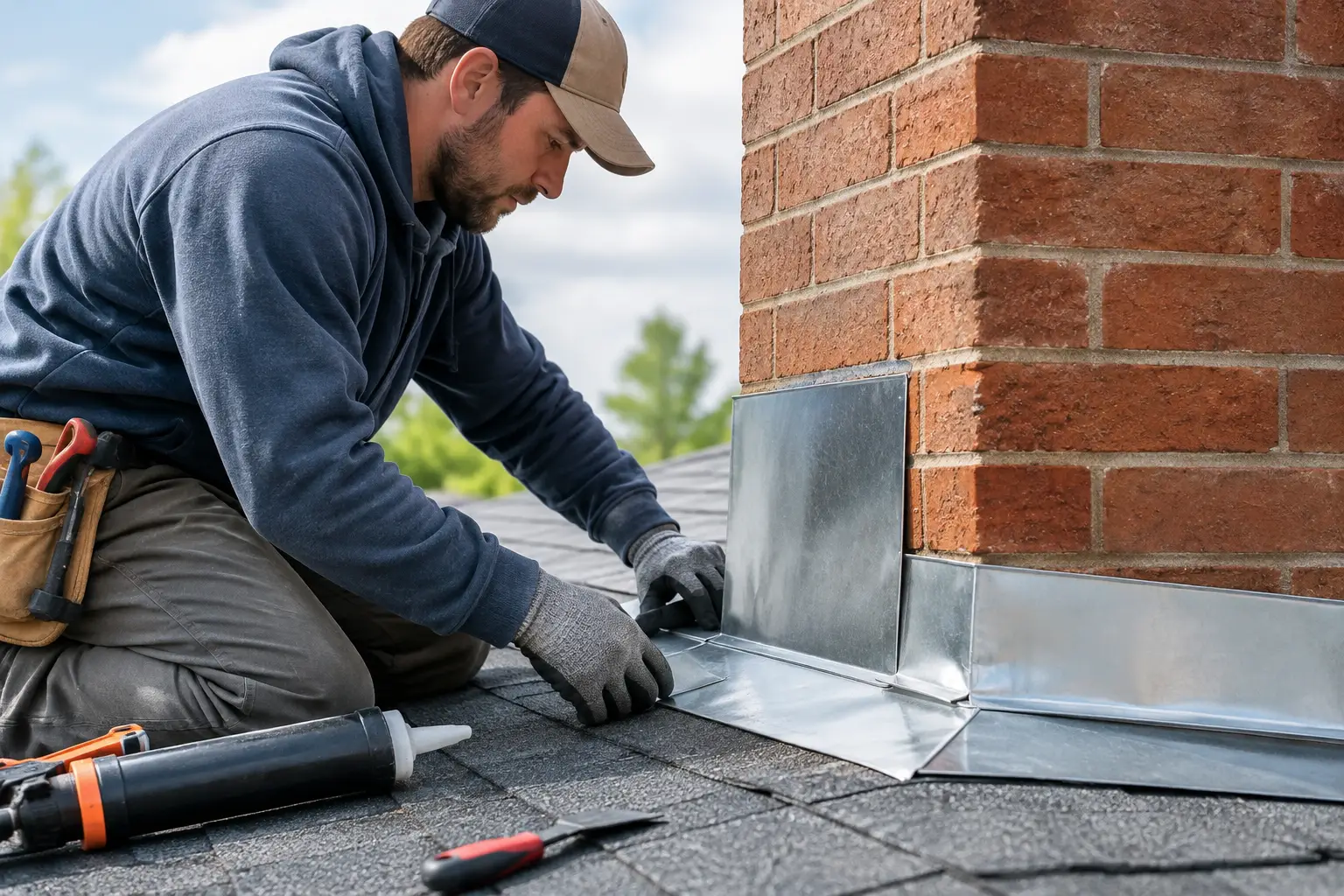
Many roof leaks originate at transitions, not in the main field of roofing. Chimneys, dormers, skylights, valleys, sidewalls, and roof-to-wall intersections need properly integrated flashing. On historic homes, these details are often complicated by masonry, unusual roof geometry, and previous repairs layered over decades.
Copper flashing is frequently used with slate and other premium historic roofing systems because of its longevity and compatibility. Other metals may be suitable in the right application, but mixing incompatible metals can cause corrosion. The flashing strategy should be designed as part of the roofing project, not added as an afterthought.
Drainage also deserves close attention. Clogged gutters, undersized downspouts, and poor grading can force water back toward the roof edge and foundation. In winter, heat loss into the attic can melt snow unevenly, creating ice dams at cold eaves. Better insulation and balanced ventilation can help reduce this risk, though every attic and roof assembly should be evaluated individually.
A Maintenance Plan Protects Historic Materials
Historic roofs benefit from consistent observation. Small repairs are typically less invasive and less expensive than waiting for water to damage decking, trim, plaster, insulation, or framing. Property owners should schedule professional inspections after major storms and at regular intervals, especially for older slate, cedar, and metal systems.
Between inspections, keep an eye on four practical areas:
- Loose, missing, cracked, curled, or displaced roofing materials
- Rusted, open, or separated flashing around chimneys, walls, and valleys
- Debris buildup in valleys, gutters, and behind chimneys
- Interior stains, peeling paint, musty attic odors, or visible daylight in the attic
Avoid pressure washing, aggressive scraping, or applying coatings without professional guidance. These shortcuts can damage fragile slate, strip cedar fibers, trap moisture, or hide problems that still need repair.
Work With a Contractor Who Understands Older Roofs
Historic roofing is specialized work. Ask prospective contractors how they assess existing materials, handle fragile surfaces, source compatible replacements, detail flashings, and protect landscaping and architectural features during construction. The lowest estimate is not always the lowest cost if the work creates avoidable damage or fails to address the conditions beneath the roof covering.
Rick’s Main Roofing provides repair, replacement, inspection, and emergency roofing services for Connecticut homes with asphalt, cedar, slate, metal, and other roofing systems. For a historic property, the goal is a roof that looks right, performs through Connecticut weather, and receives the level of care its construction demands.
If you notice a new leak, displaced material, or water staining, act before the next storm turns a manageable repair into interior damage. A careful inspection now can preserve the roof – and the history beneath it – for many years to come.