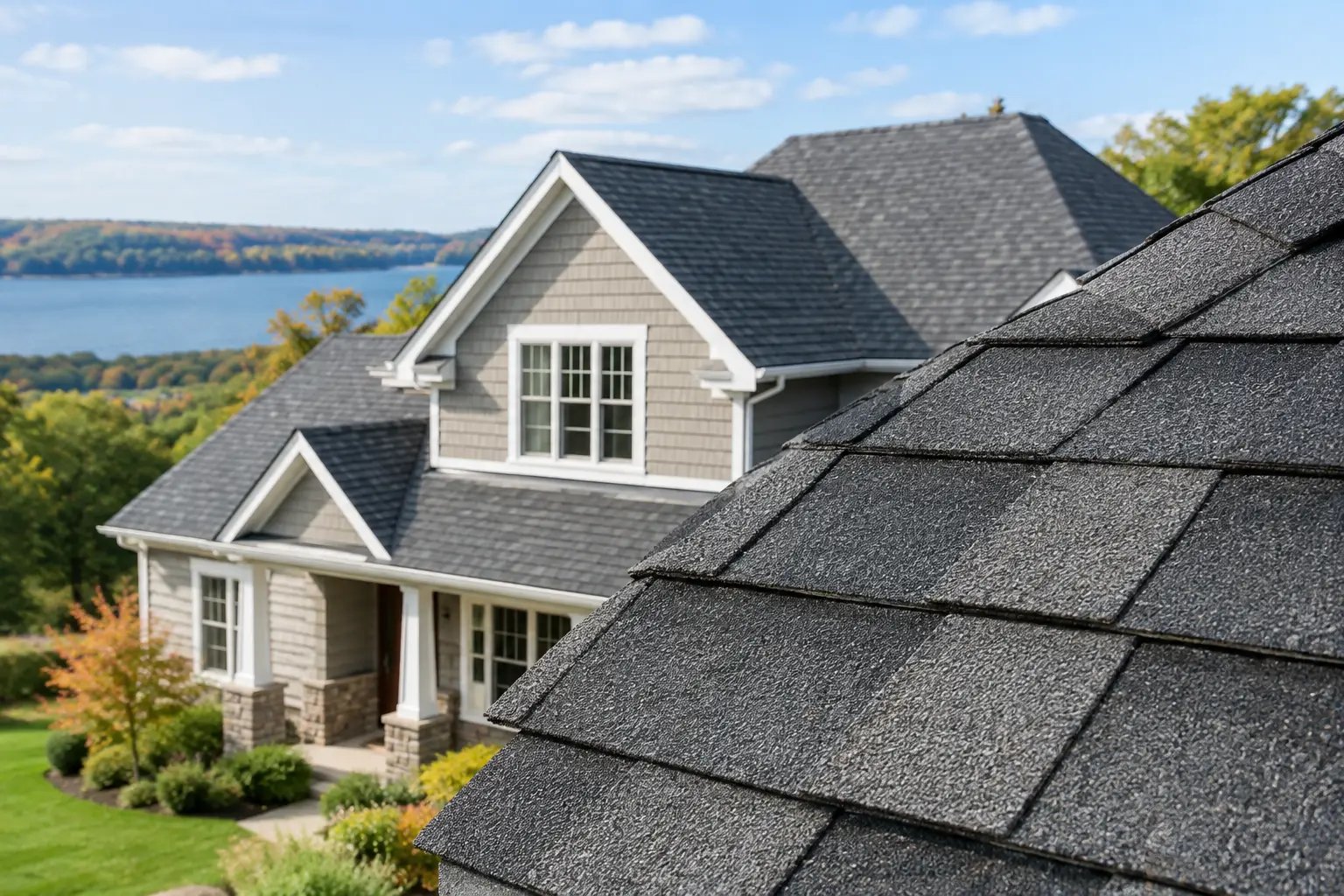


A roof in Fairfield County has to handle more than a few rainy days. It faces wind-driven coastal weather, winter freeze-thaw cycles, heavy rain, summer heat, and the ice-dam conditions that can develop when attic ventilation is not right. This GAF Timberline review looks at how this widely used architectural shingle performs under those real-world demands, not just how it appears on a sample board.
For many homeowners, Timberline shingles are a sensible middle ground: a substantial visual upgrade from basic three-tab shingles without moving into the cost range of cedar, slate, or metal. The right result, however, depends on the specific Timberline product, the roof design, and the quality of the installation beneath it.
What GAF Timberline Shingles Are
GAF Timberline is a family of asphalt architectural shingles. Unlike flat three-tab shingles, architectural shingles are built with layered construction that creates more depth, texture, and shadow lines across the roof. That dimensional appearance is a major reason they remain popular on Colonial, Cape, ranch, and contemporary homes throughout Connecticut.
Within the Timberline name, there are different product lines with different features, colors, wind ratings, and warranty options. Timberline HDZ is one of the most common choices for residential roof replacement. Other options may emphasize premium styling, higher impact resistance, solar reflectivity, or a different visual profile.
That distinction matters. A homeowner comparing quotes should not assume every roof described as “Timberline” uses the same shingle or includes the same system components. The written proposal should identify the exact product line, color, underlayment, ice and water protection, ventilation work, and flashing scope.
GAF Timberline Review: Strengths That Matter
The primary advantage of Timberline shingles is value. They provide an architectural-shingle look and dependable performance at a price point that works for a large share of residential replacement projects. For a homeowner who wants a roof that looks finished and substantial without selecting a specialty material, that is a meaningful benefit.
Timberline shingles also offer broad color availability. Neutral blends, weathered wood tones, charcoal shades, and deeper color options can complement the siding, brick, stone, trim, and landscape common in Fairfield County neighborhoods. On a prominent roof, color selection has a real effect on curb appeal. Samples should be viewed outdoors in natural light, since a color that looks warm in a showroom can look considerably different under a bright Connecticut sky.
Many Timberline products are designed with wind performance in mind, and certain products may offer enhanced wind coverage when installed to the manufacturer’s requirements. This is useful for exposed properties and homes closer to the coast, where wind is a regular concern. Still, shingle wind performance is never just about the shingle itself. Correct fastening, starter shingles, ridge components, roof-deck condition, and edge details all contribute to how the completed system performs.
Another practical strength is repairability. Asphalt shingles are generally easier to repair than some specialty roofing materials when a localized issue occurs. Matching an older roof exactly can become difficult as colors age and product lines change, but a qualified roofer can assess whether a targeted repair is appropriate or whether broader replacement is the safer long-term decision.
Where Timberline May Not Be the Best Fit
No asphalt shingle is the best answer for every building. Timberline is a strong all-around choice, but it is not a substitute for slate on a historic home where authentic slate is a priority. It does not provide the distinctive natural variation of cedar, and it does not offer the service life or fire characteristics of certain metal roofing systems.
Homeowners should also set realistic expectations about longevity. Asphalt shingle life varies with ventilation, roof pitch, sun exposure, tree coverage, installation quality, storm events, and maintenance. A warranty period should not be treated as a guaranteed number of years of trouble-free roof service. It is a defined manufacturer agreement with terms, exclusions, and registration requirements, not a prediction of how every roof will age.
In very shaded areas, algae staining and moss growth can affect appearance. Some GAF shingles include algae-resistance technology, which can help with the dark streaking commonly seen on roofs. It does not eliminate the need to keep gutters clear, reduce heavy overhanging branches where practical, and address moisture conditions that allow moss to take hold.
For homes with low-slope roof sections, Timberline shingles may not be suitable at all. Those areas often require a different roofing system, such as a membrane roof, depending on pitch and drainage. A responsible proposal accounts for each roof plane instead of applying one material across areas with different technical needs.
Installation Is the Deciding Factor
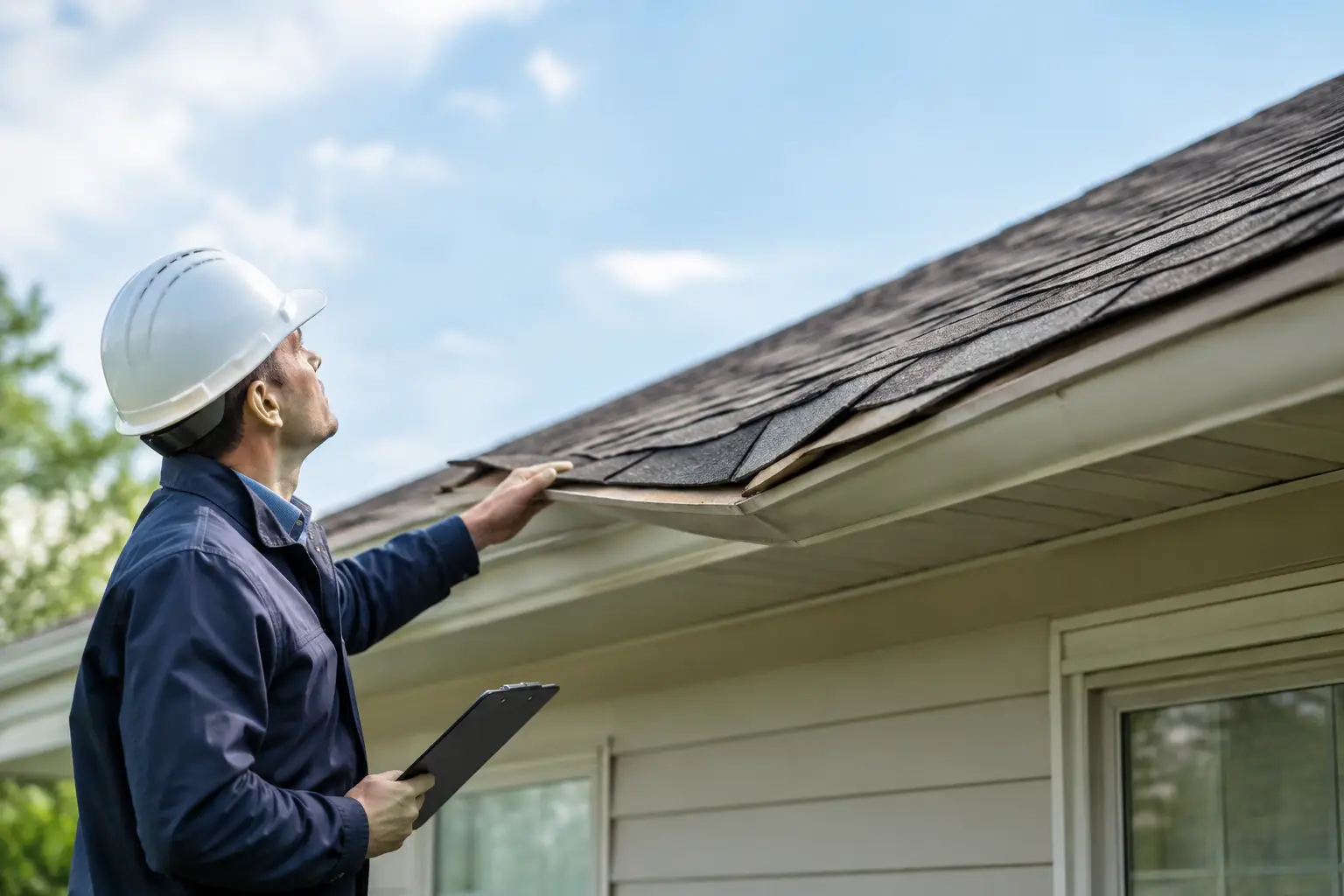
A quality shingle can underperform when the roof system below it is neglected. Before installing Timberline shingles, a contractor should evaluate the deck for deterioration, confirm that existing layers are handled properly, inspect flashing locations, and identify ventilation concerns. Chimneys, skylights, valleys, wall intersections, and pipe penetrations deserve particular attention because many roof leaks begin at transitions, not in the open field of shingles.
Connecticut roofs also need thoughtful ice-dam protection. Ice and water barrier placement, attic insulation, air sealing, and ventilation work together. Simply adding more roof vents without understanding how air enters and exits the attic can leave the underlying problem unresolved.
Proper ventilation has another benefit: it helps control heat and moisture in the attic. That can reduce stress on roofing materials and help prevent conditions that contribute to deck condensation, mold growth, and premature roof aging. The correct ventilation approach varies by home, especially on older houses with complex framing or finished attic spaces.
Rick’s Main Roofing approaches roof replacement as a complete system, because the shingles are only one visible part of the work. A detailed inspection before installation helps ensure that hidden issues are identified before they become expensive callbacks or interior leaks.
Understanding GAF Warranties Without the Fine Print Surprise
GAF warranty options can be a reason homeowners consider Timberline, particularly when eligible shingles and accessory products are installed as part of a qualifying system. Enhanced warranty coverage may also depend on using a contractor with the appropriate manufacturer certification.
The useful question is not simply, “What is the longest warranty available?” Ask what the warranty covers, how long full coverage applies, whether workmanship coverage is included, and what maintenance or registration conditions apply. Also ask which GAF components are required for the selected warranty level.
A clear contractor should explain these details before work begins and provide the documentation after completion. That gives the homeowner a better understanding of both the material coverage and the contractor’s responsibility for the installation.
Is GAF Timberline Right for Your Roof?
For many Connecticut homeowners, the answer is yes. Timberline is particularly well suited to a full roof replacement where curb appeal, reliable asphalt-shingle performance, color selection, and reasonable project cost are the main priorities. It is often a good fit for conventional pitched roofs in neighborhoods where architectural shingles are the prevailing style.
It may be less appropriate when the home has historic-material requirements, an unusually low-slope design, extreme coastal exposure that calls for a more specialized assembly, or a long-term plan centered on a premium material. Budget matters as well, but the least expensive bid is rarely the best measure of value. Missing flashing work, inadequate ventilation, or vague material specifications can cost far more than a carefully prepared proposal.
The best next step is to have the roof evaluated in person. A proper assessment can confirm the roof’s remaining life, identify active or developing trouble areas, and show whether Timberline shingles are the right match for the home rather than simply the most familiar name on a quote.